

Last Updated on 05/15/2020 by Brett Day
If you’re on the hunt for some of the best budget lenses, you’ve come to the right place!
If you’re shopping for the best budget lenses, you’re going to love this roundup of the best options across multiple platforms. It doesn’t matter if you shoot with Canon, Nikon, Sony, Olympus, Panasonic, Pentax, and more, we have found the best budget lenses for your platform. The roundup is easy to read, and we have given you the links back to our original reviews so you can see why we think they deserve to be in this list. Pull up a chair and check out the best budget lenses for your platform.
Original Post: 4/16/2010
Last Update: 5/15/2020
Table of Contents
Affordable Lenses for DSLR Cameras

Before we get into offerings for each specific camera brand out there, we want to let you know about several other offerings. You see, this blog post was written way back in 2010. We’re updating this post in 2020, and lens technology and offerings have significantly changed since then. These days, third-party lens manufacturers tend to dominate the market. When it comes to the budget offerings, though, Rokinon, IRIX, Sigma, Tamron, and Lensbaby seem to offer some of the best. Here are some of their standout performers
Rokinon/Samyang
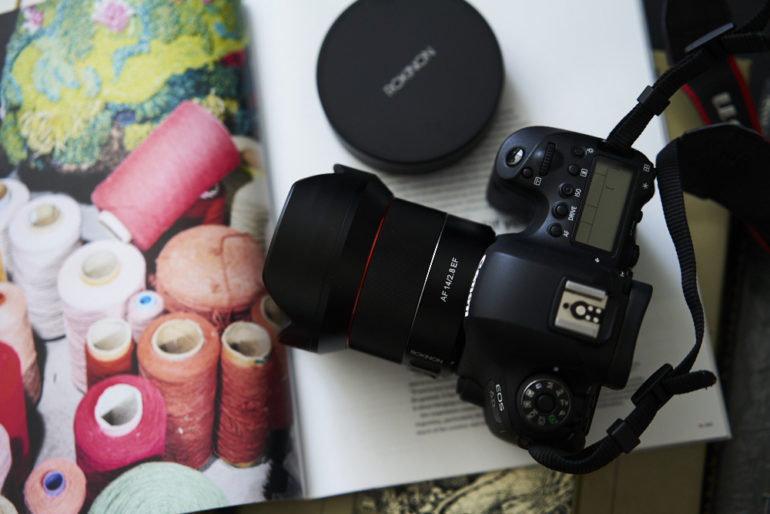
Rokinon 24mm f1.4 ED: Years before Sigma was making very high-quality primes with lots of saturation, Rokinon was doing it, and they still are. There are some absolute gems available for DSLR shooters that won’t break the bank. The Rokinon 24mm f1.4 ED is no exception in this case. When we reviewed it, we really fell in love with not only the colors but also the bokeh and sharpness. It’s a great option for street photographers, landscape shooters, and architecture shooters. Photographers who want a wide-angle walkaround lens will really enjoy it This is just one option for photographers when it comes to prime lenses from Rokinon, but here are some more affordable Rokinon/Samyang lenses to take a closer look a:
- Rokinon 10mm f2.8: Buy now
- Rokinon 14mm f2.8: Buy now
- Rokinon 14mm f2.8 AF: Buy now
- Rokinon 14mm f2.4 SP Lens: Buy now
- Rokinon 35mm f1.4: Buy now
- Rokinon 85mm f1.4: Buy now
- Rokinon 135mm f2 ED UMC: Buy now
It’s hard to beat the optics of Rokinon lenses in this price range. If you want some excellent primes that won’t break the bank, you need to take a closer look at the offerings from Rokinon and Samyang.
Tamron
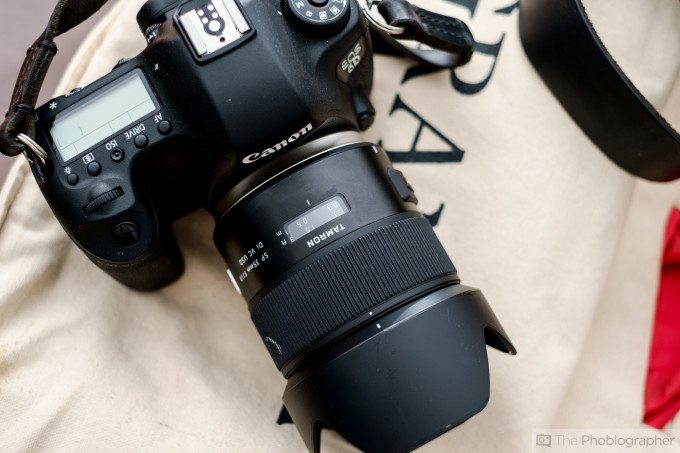
Tamron 35mm f1.8 Di VC USD: On this list, the Tamron 35mm f1.8 Di VC USD is one of our favorite lens offerings. We have always sung the praises of the 35mm focal length but when you get your hands on a well-calibrated version of the lens, you’ll really be blown away. Tamron’s colors stand out from all the rest out there and will really appeal to a large variety of photographers. On top of that, consider that all the Tamron lens offerings in this section have a couple of cool features like image stabilization, weather sealing, and vastly improved optics, and you can see why Tamron has come on in leaps and bounds over the last few years. Below you’ll find even more affordable lenses from Tamron that will make your DSLR sing:
- Tamron SP 35mm F1.4 Di USD: Buy now
- Tamron’s 45mm f1.8 DI VC USD: Buy now
- Tamron 85mm f1.8 Di VC USD SP: Buy now
- Tamron 90mm f2.8 Di VC USD SP Macro: Buy now
- Tamron 17-35mm f2.8-4 Di OSD: Buy now
- Tamron 100-400mm F4.5-6.3 Di VC USD: Buy now
Irix

IRIX is another company that produces outstanding lenses that are very affordable. If you like using manual focusing lenses, you will truly enjoy the experience of using IRIX glass and you will fall in love with the images that their lenses can help you produce. One of our favorites is the IRIX 150mm f2.8 Dragonfly Macro. This lens is weather-sealed, it’s razor-sharp, the colors it produces are gorgeous, and it costs under $500. Be sure to check this lens out, and the other IRIX lenses listed below:
Specialty Lenses – Lensbaby

If you’re looking for affordable lenses that are a break away from the norm, you need to take a closer look at what Lensbaby are doing. All of their lenses are pretty unique, and they allow the end-user to create crazy, swirly bokeh and so much more. The Lensbaby Velvet 56mm f1.6 is one of our favorites. It is a pretty great short portrait lens. When shot wide open, it’s going to be pretty soft but have a really nice vintage look to it. When stopped down to f4, it’s going to start to become one of the sharpest bang for your buck options out there. Check out our review for more. Take a closer look at these other Lensbaby options as well:
- Lensbaby Velvet 28: Buy now
- Lensbaby Spark: Buy now
- Lensbaby Trio: Buy now
- Lensbaby Burnside: Buy now
- Lensbaby Twist: Buy now
- Lensbaby 35mm f3.5 Edge and Composer Pro: Buy now
- Lensbaby Sweet 80mm f2.8 with Composer Pro II: Buy now
Canon

There are a ton of affordable first-party lenses from Canon, so if keeping all of your gear in sync when it comes to the manufacturer is important, rest assured there are lenses from Canon that you can pick up cheaply. The Canon 50mm F1.8 STM is a fantastic lens for not only new photographers but for old hats too. It’s sharp, it focuses quickly, it produces nice colors and good bokeh, and it is just $125! If you’re looking for a cheap 50mm, then this is a good option. There is another slightly more expensive, but still very affordable (under $400) 50mm lens too. If you can afford it, the Canon EF 50mm f1.4 USM
- Canon EF 35mm f2 IS: Buy now
- Canon RF 35mm f1.8: Buy now
- Canon EF 85mm f1.8 USM: Buy now
- Canon EF 100mm f2.8 Macro USM: Buy now
- Canon EF 40mm f2.8: Buy now

Third-Party Lenses for Canon

Sigma 50mm f1.4 Art– Sigma has updated its 50mm f1.4 to be included in their Art series of lenses, and it is well-deserving of the Art title. In fact, we’d like to argue that it is one of the best 50mm f1.4 lenses available to Canon users if you’re also factoring in the budget.
Tokina 11-16mm f2.8– One of the biggest complaints about this list before was its lack of zoom lenses. If you’re looking for one, then consider the Tokina 11-16mm f2.8 offering. It’s perfect for APS-C users that want wide-angle photos–which means that your landscapes will look that much more epic.
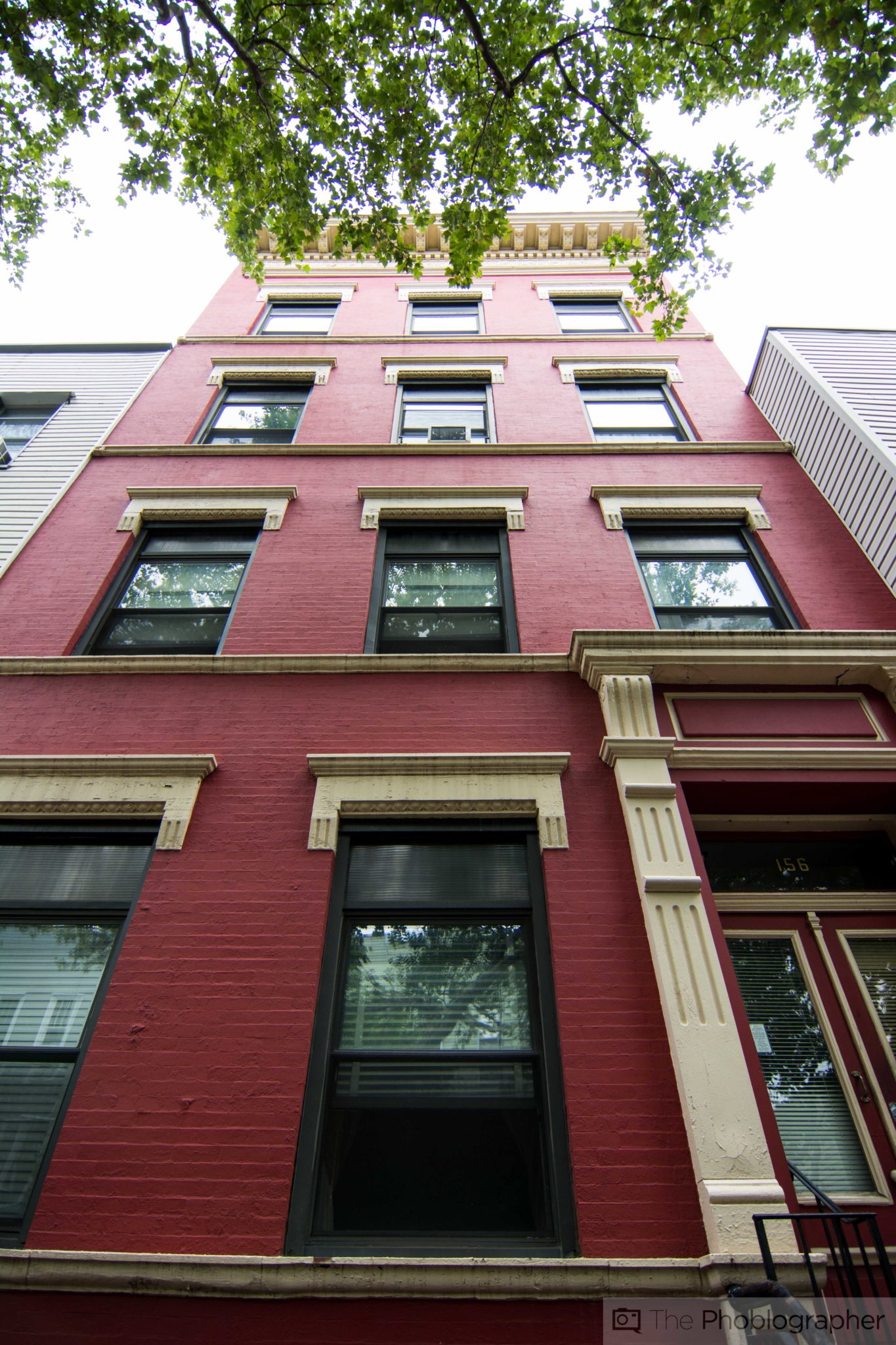
Tokina 16-28mm f2.8 Opera: If you’re looking for a great wide to standard lens, the Tokina 16-28mm f2.8 Opera is a fantastic choice. We were impressed with the sharp optics, how nice it felt in the hand, and just how quickly this lens could focus. at under $700, it’s a bargain for an f2.8 zoom.
Sigma 18-35mm f1.8 Art: This APS-C only lens is a must-have piece of glass for anyone crop shooter. The Sigma 18-35mm f1.8 is one of the sharpest lenses you will ever get your hands on. Period. The fast constant aperture, the glorious optics, and the gorgeous color rendition make this a winner.
Also, be sure to check out our list of the best cheap lenses for Canon cameras.
Nikon
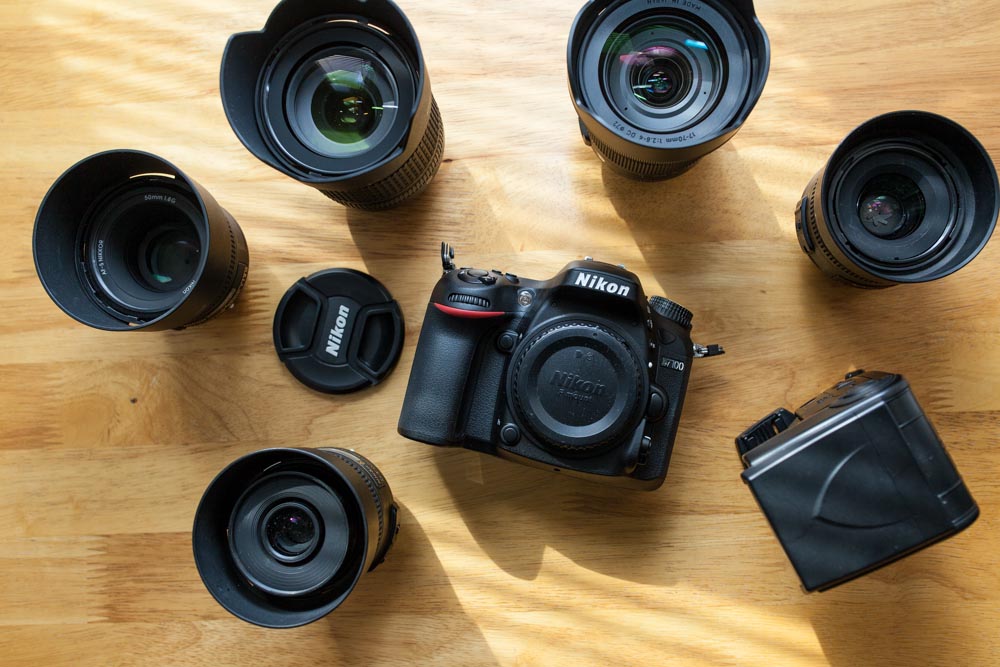
Like Canon, Nikon also has a handful of lenses for photographers who like the idea of keeping everything first-party only. The Nikon 50mm F1.8 should be one of the first primes you buy if you shoot with a Nikon DSLR. The Nikon 50mm f1.4D AF
- Nikon 35mm f1.8G: Buy now
- Nikon 85mm f1.8 G: Buy now
- Nikon 24mm F1.8 Z: Buy now
- Nikon 50mm f1.8 Z S: Buy now
- Nikon Z 85mm F1.8: Buy now


Nikkor 28mm F2.8D– Nikon’s wide-angle primes are becoming legendary, and the Nikon 28mm f2.8D AF
Although it’s not the absolutely gorgeous F1.4, the Nikon 85mm f1.8D AF
Nikon 40mm f2.8 Micro– If you’re a Nikon user looking for an excellent macro lens, the 40mm f2.8 is your answer. Becoming a 60mm f2.8 lens; essentially, it is an interesting perspective leaning towards the longer side of the standard field of view range. Combined with a fast f2.8 aperture, it’s the lens you’ll want to tote around when you want to do a couple of projects at home.

Sigma 50mm f1.4 (First version)– Sigma has updated its 50mm f1.4 to be included in their Art series of lenses, but that doesn’t mean that the first version is a slacker. In fact, we’d like to argue that it is the best 50mm f1.4 lens available to Nikon users if you’re also factoring in the budget. Nikon has been making some great glass, but this one is right up there in terms of image quality with Nikon’s own version.
Tokina 11-16mm f2.8– One of the biggest complaints about this list before was its lack of zoom lenses. If you’re looking for one, then consider the Tokina 11-16mm f2.8 offering. It’s perfect for APS-C users that want wide-angle photos–which means that your landscapes will look that much more epic.
Rokinon 85mm f1.4– If you want an f1.4 lens designed for portraits, this is the most affordable one that you can get. Wide-open, the lens is a bit soft. But once you stop it down a bit, it begins to sing with sharpness. Like other Rokinon lenses, it is a manual focus only one. But man, that bokeh is glorious.
Sigma 30mm f1.4 (Second version)– APS-C camera users that want a fast 50mm field of view (approximately) will be super surprised by Sigma’s new 30mm f1.4 offering. What’s even cooler is that you can use it on a full-frame camera–but don’t expect the image quality to be just like that of an APS-C cameras due to how this lens was designed.
Also be sure to check out our list of the best cheap lenses for Nikon DSLRs.
Micro Four Thirds
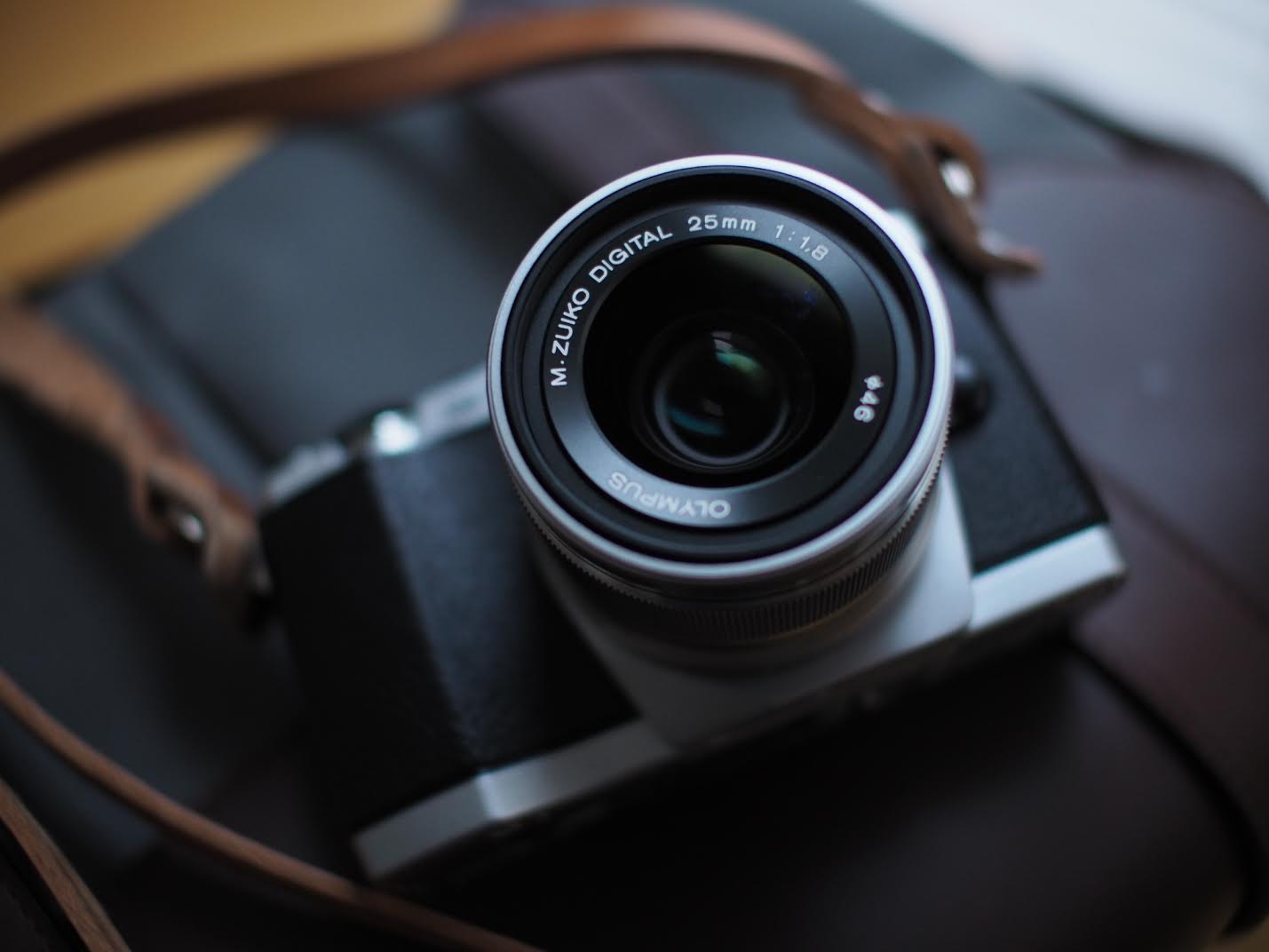
Panasonic 20mm F1.7 II – Though the first version of the lens is quite good and even a tad sharper, the newer update to this lens gives us a significantly better build quality and super quick focusing. Check out the price here.
Olympus M. Zukio 17mm F1.8– An alternative to the 20mm for those that want a wider field of view, the Olympus 17mm f1.8 lens
Olympus 45mm f1.8 – We recommend this lens more than any others due to its great field of view and the fast f1.8 aperture. This is a lens you’ll want to shoot wide open or just barely stopped down all day and all night. And if you’re a Micro Four Thirds users going for a budget-friendly option, this is the best you can get.
Olympus 60mm f2.8 – The Olympus 60mm f2.8 is another macro lens option–but the killer feature of this lens is the weather sealing. We’ve tested it out, and we approve; it’s sharp, contrasty, and really overall quite good. As always, though, we recommend using flashes to take advantage of specular highlights.
Olympus 75mm f1.8 – If you’re a fan of telephoto primes for portraits, you’ll fall head over heels in love with the Olympus 75mm f1.8. This lens is razor-sharp, the bokeh of super creamy, the colors sing, and yes, it’s affordable. You will not regret picking up this lens.
Olympus 25mm f1.8 – While we really enjoyed the 45mm f1.8, we were a bit hesitant and skeptical about how the 25mm f1.8 would perform despite the two lenses have a nearly identical construction. And oh man were we wrong to doubt it. The Olympus 25mm f1.8 is one of the best and sharpest offerings that we’ve tested for the Micro Four Thirds system.
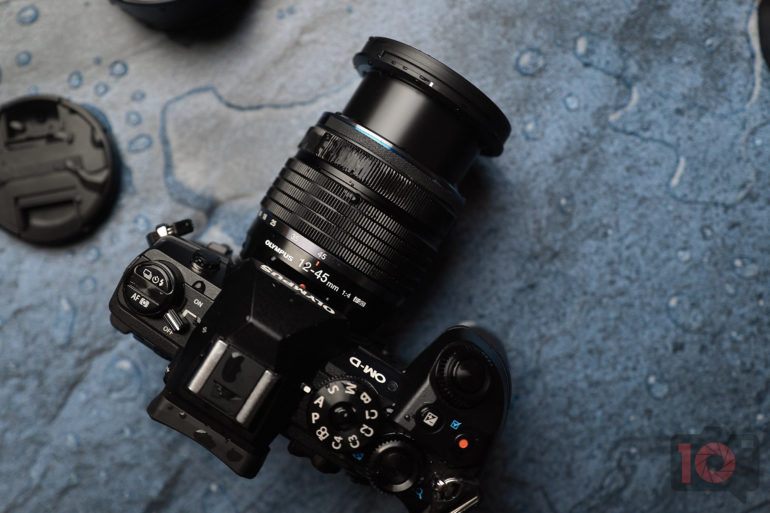
Olympus 12-45mm f4 Pro – This lens is quickly going to become a must-have on the Micro Four Thirds platform. You’re going to get a versatile focal length that’s equivalent to 24-90mm, a constant aperture of f4, great optics, gorgeous colors, and it’s very easy on the wallet. No matter if you shoot with Panasonic or Olympus cameras, you need to check this lens out.
Sigma 19mm f2.8 – The image quality of both the first and second versions of these lenses are comparable–but what really changed is the build quality. The newer ones have faster focusing and a sleeker body while the older versions have a bit more grip on them. Still, if you want something fairly wide and sharp, look no further than this offering from Sigma.
Sigma 16mm, 30mm, and 56mm f1.4 Contemporary lenses: These lenses were originally developed to be used on Sony APS-C cameras, but Sigma has converted them to be used on Micro Four Thirds cameras too. These lenses are not only affordable, but they are ridiculously sharp, they are incredibly fast, they produce the beautiful Sigma colors we have come to know and love, and they are nice and light. They even have some weather sealing too. These lenses are well worth checking out
Also be sure to check out our list of the best cheap lenses for Micro Four Thirds cameras.
Sony E-Mount
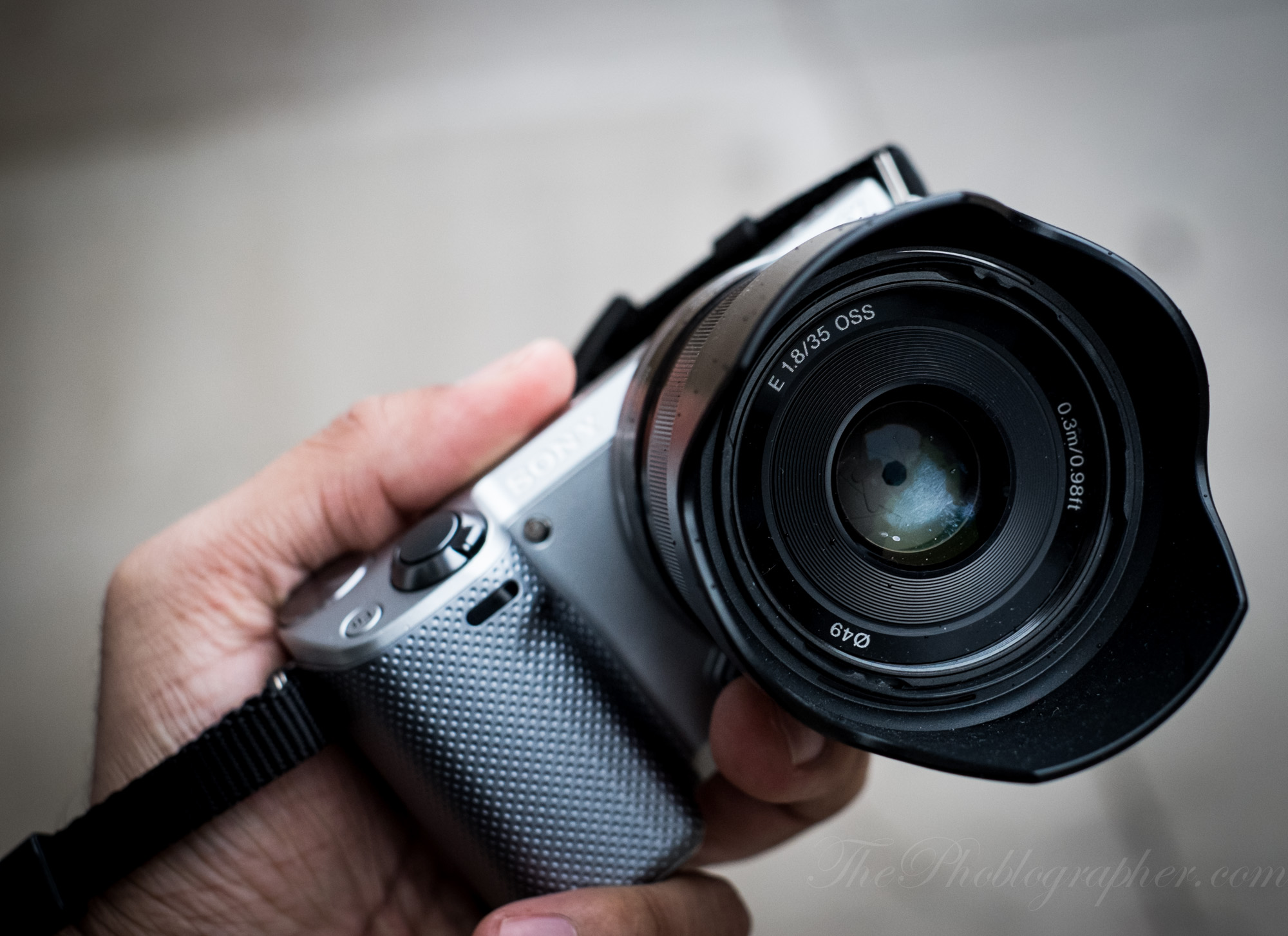
Rokinon 8mm f2.8 – This is a fast aperture fisheye lens, but the images that we captured with it during our review period were some of the best we’ve seen with a NEX camera. Rokinon lenses render color differently than everyone else and because they are manual focus optics, they can focus much more on putting in some top-notch glass. If you want a fish-eye lens to play around with, check this one out.
Sony 20mm f2.8– Sony’s only pancake lens is also incredibly good. When used with your E mount camera, it will make the entire package a lot more compact. In fact, you may even be able to stuff A6XX cameras with this lens attached into a jacket pocket. For under $350, this lens is a steal.
Sony 50mm f1.8: Every photographer needs to own a 50mm f1.8 lens. These versatile primes are great for event photography, portraits, documentary photography, street photography, and many more genres. This nifty fifty is sharp, its well made, and it focuses nice and fast. If you want a versatile prime for your E mount camera, take a look at the 50mm f1.8.
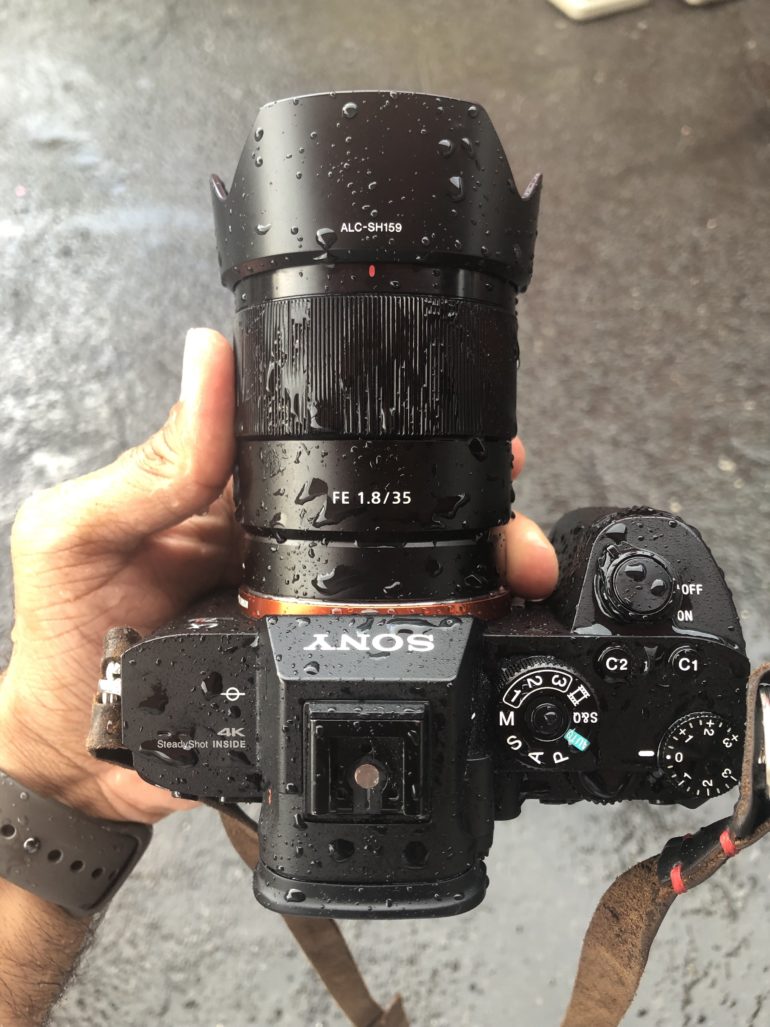
Sony 35mm f1.8 FE – This 35mm f1.8 lens is one of the best lenses on the entire Sony E mount platform. We quickly fell in love with the lens when we used it during our review period. The Sony 35mm f1.8 FE is weather sealed, it’s very, very sharp, it produces some of the best colors that we have ever seen from a Sony lens, and it can create some really nice bokeh.
Sigma 16mm, 30mm, and 56mm f1.4 Contemporary lenses: These lenses are not only affordable, but they are ridiculously sharp, they are incredibly fast, they produce the beautiful Sigma colors we have come to know and love, and they are nice and light. They even have some weather sealing too. These lenses are well worth checking out
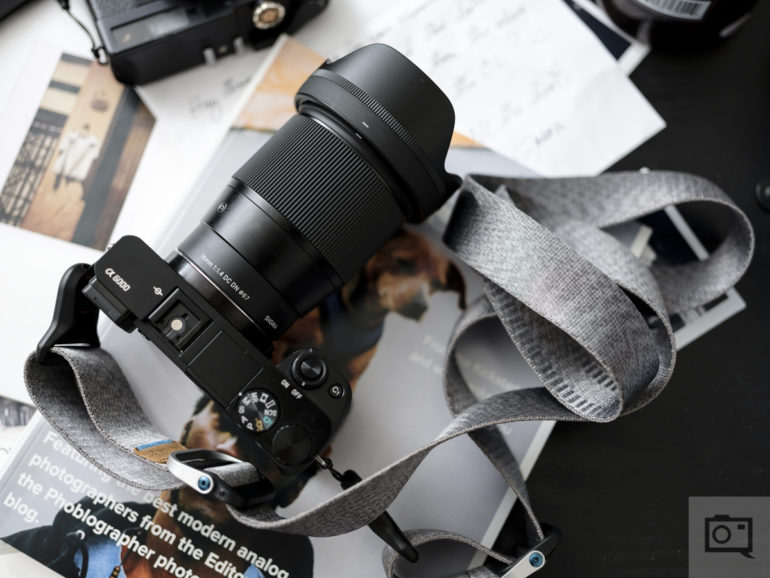
Sony 28mm f2 – If you’re a Sony A7 series camera user, then the absolute most affordable and bang for your buck lens is the company’s 28mm f2. It offers a 28mm full-frame field of view coverage along with great sharpness, fast focusing speed, a fairly small size, a build that can stand up to the elements, and amazing bokeh for what this lens actually is–a fast wide-angle prime. It’s affordable too!
Tamron 20mm, 24mm, and 35mm f2.8 Di III OSD M1:2 Lenses: Tamron has been knocking it out of the park when it comes to E mount lenses lately, and these very affordable lenses (they’re $349 each) are no exception. Incredibly these lenses feature weather sealing, which is unheard of at this price point, and the optics are simply superb. If you really want to go easy on the wallet, check out these lenses, and don’t look back. You will love the performance you get from each of the 20mm, 24mm, and 35mm versions of these lenses.
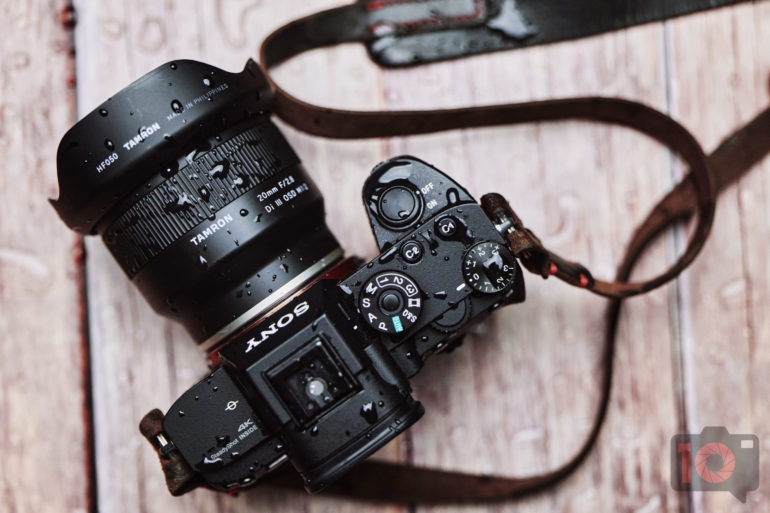
Tamron 28-75mm F2.8 Di III RXD: While the Tamron 28-75 f2.8 Di II RXD is probably at the top end of affordable, it more than deserves to be included in this list. This lens is a workhorse, it’s much cheaper than the Sony version, it produces ultra-sharp images, and it’s weather sealed. Need a workhorse lens for your Sony camera? This Tamron lens is well worth the price of admission.
More Affordable E mount Lenses Worth a Shout Out:
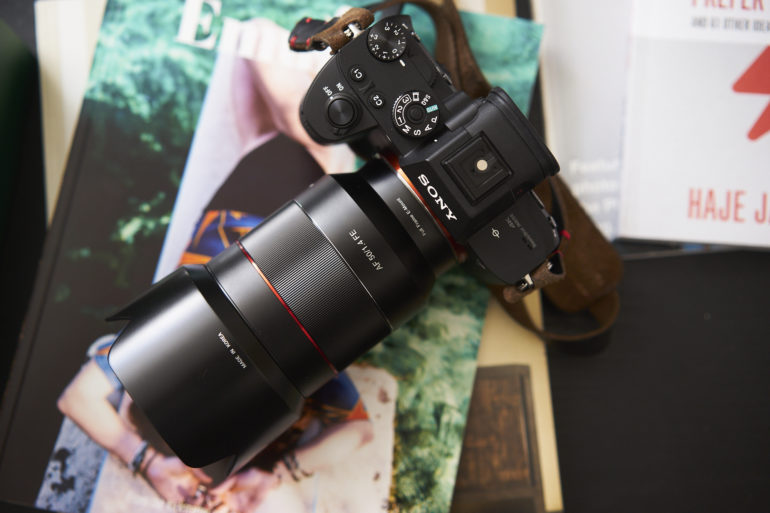
- Rokinon 35mm f2.8 FE: Buy now
- Rokinon 50mm F1.4 AF FE: Buy now
- Rokinon 85mm F1.4 AF FE: Buy now
- Viltrox PFU RBMH 85mm f1.8: Buy now
- Viltrox PFU RBMH 20mm f1.8 ASPH: Buy now
- Sigma 45mm f2.8 DG DN Contemporary: Buy now
- Sony 20mm f1.8 G: Buy now
- Tokina 100mm F2.8 Macro FiRIN: Buy now
- Tamron 17-28mm F2.8 Di III RXD: Buy now
Also, be sure to check out our list of the best cheap lenses for Sony E mount cameras and our Sony FE Lens Guide.
Pentax

Pentax 50mm F1.4 – Most Pentax users will know from reading and research around the interwebs that Pentax’s strength lies with their prime lenses. For portrait shooters using their APS-C sized DSLR bodies, this will be your ideal focal length because of how flat the lens will render the image when combined with the sensor. The faster aperture of the Pentax 50mm F1.4
Pentax 35mm F2.4 – The Pentax 35mm F2.4
Pentax 40mm F2.8 Limited – Pentax’s line of Limited lenses are coveted by all Pentaxians. Having an affordable option in this small package will make you the cool kid on the block amongst your Pentaxian kin. The Pentax DA 40mm f2.8
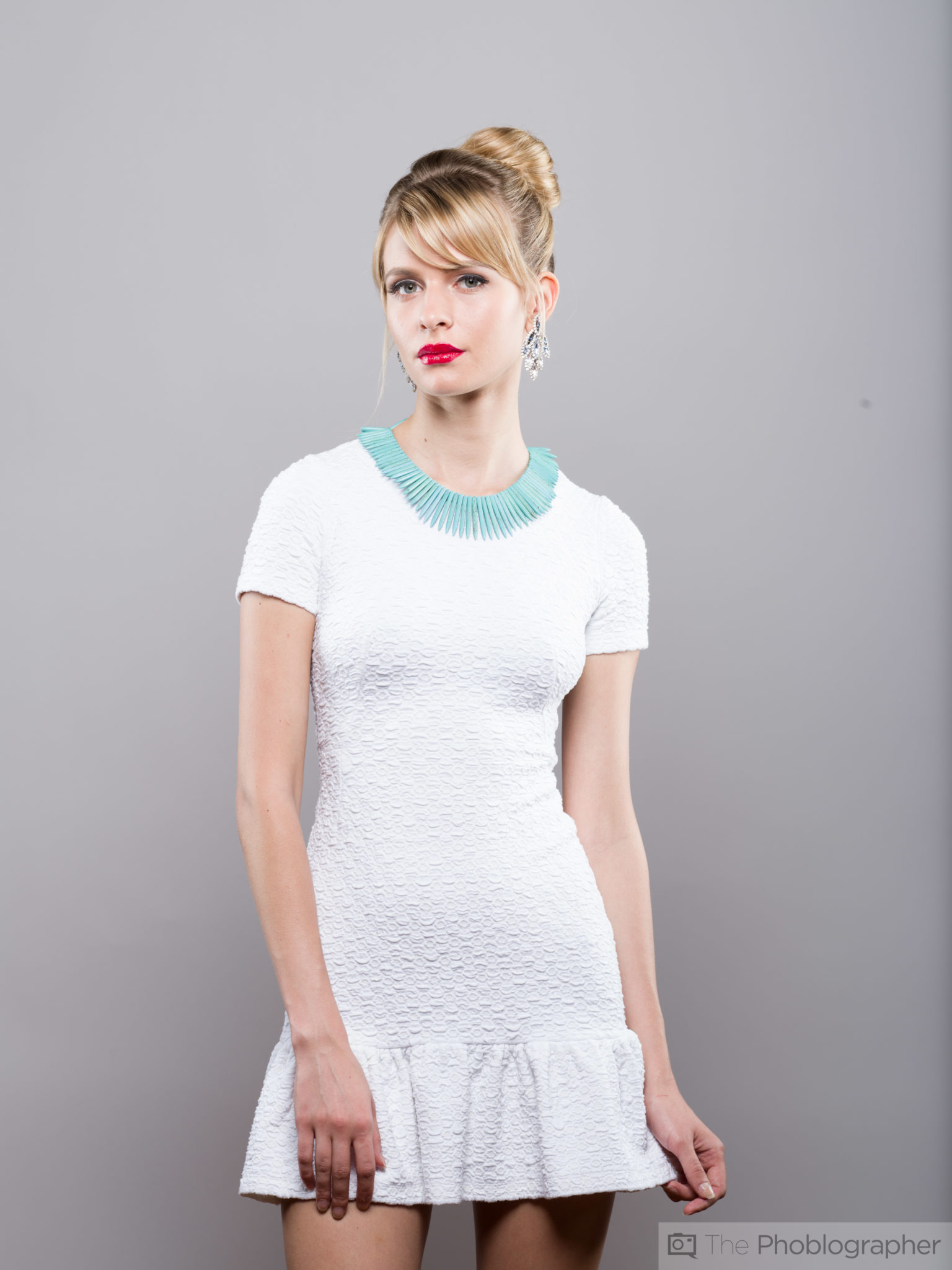
Tokina 11-16mm f2.8– One of the biggest complaints about this list before was its lack of zoom lenses. If you’re looking for one, then consider the Tokina 11-16mm f2.8 offering. It’s perfect for APS-C users that want wide-angle photos–which means that your landscapes will look that much more epic.
Rokinon 14mm f2.8 – If we had to choose a single wide-angle prime to stick with, it would be Rokinon’s own 14mm f2.8. With a wide field of view at 14mm and an f2.8 aperture, there is no reason not to spring for this lens. Sure, it’s manual focus only, but if you’re using a lens like this, then you’re usually focusing out to infinity anyway.
Rokinon 85mm f1.4 – If you want an f1.4 lens designed for portraits, this is the most affordable one that you can get. Wide-open, the lens is a bit soft. But once you stop it down a bit, it begins to sing with sharpness. Like other Rokinon lenses, it is a manual focus only one. But man, that bokeh is glorious.
Sigma 30mm f1.4 (Second version)– APS-C camera users that want a fast 50mm field of view (approximately) will be super surprised by Sigma’s new 30mm f1.4 offering. What’s even cooler is that you can use it on a full-frame camera–but don’t expect the image quality to be just like that of APS-C cameras due to how this lens was designed.
Fujifilm
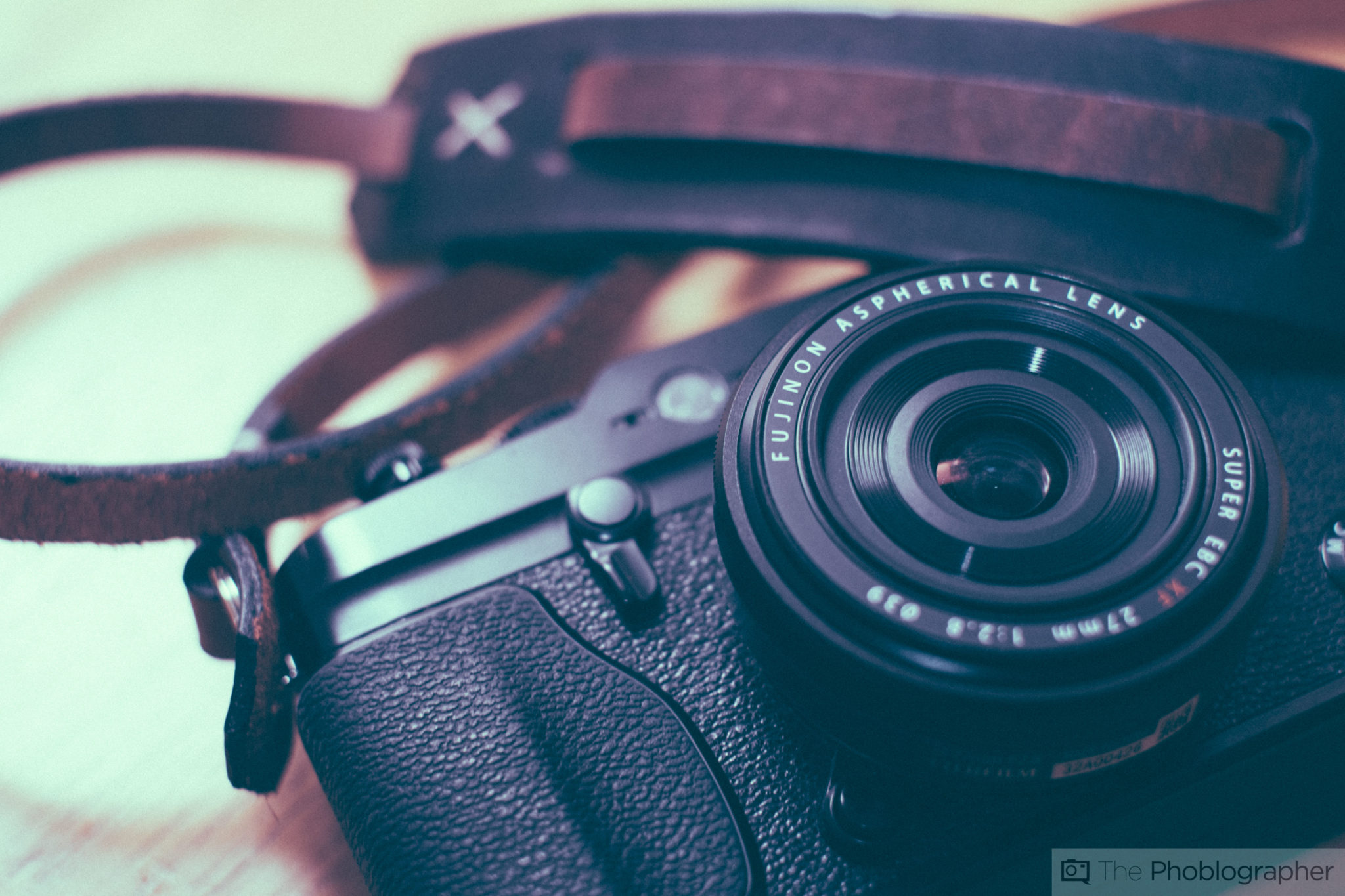
Fujifilm 16mm F2.8 R WR – The 16mm f2.8 R WR is the perfect lens for adventurers who want to keep things nice and light. We were very impressed with the overall performance of the Fujifilm 16mm f2.8. It’s weather-sealed, it’s very light, and overall it’s just fun to use. If you need a 24mm equivalent lens, this is the one you need to pick up.
Fujifilm 18mm f2 – As another lens for the system to launch right out of the gate, its small size and image quality is also something to seriously consider. Of all of the X series lenses, this one is often sold for the steepest discount if you get lucky.
Fujifilm 23mm f2 R WR – The Fujifilm 23mm f2 R WR is a lens that’s designed to go along with the company’s weather sealed bodies. It lives alongside the 23mm f1.4 R and works in conjunction with the 35mm f2 R WR. It’s also at a shockingly lower price point than its larger aperture cousin despite having the ability to survive a rainstorm with ease. With nine aperture blades and some of the most pleasant aperture and focusing rings we’ve ever felt, it’s bound to be a hit for many

Fujifilm 27mm f2.8– As currently the only pancake lens for the Fujifilm X series system, it’s a bit pricey but for the small size and focusing/image quality performance like this you really can’t go wrong. It isn’t amongst the sharpest lenses in the lineup, but it is still sharper than many other offerings you may come across.
Fujifilm 35mm f2 R WR – The 35mm f2 from Fujifilm is another great lens in the f2 lineup. Like the others in this series it’s small, fast to focus, it has weather sealing, it produces gorgeous bokeh, and it’s crazy sharp. This 50mm equivalent lens is perfect for many different types on genres, and it’s will be a best friend to budget conscious photographers everywhere.
Fujifilm 35mm f1.4 – This lens is still our favorite for the system. It was one of the original three released with the inception of the system and has since received various firmware updates to improve it. At this point, there is almost nothing to complain about. The price is nice too.
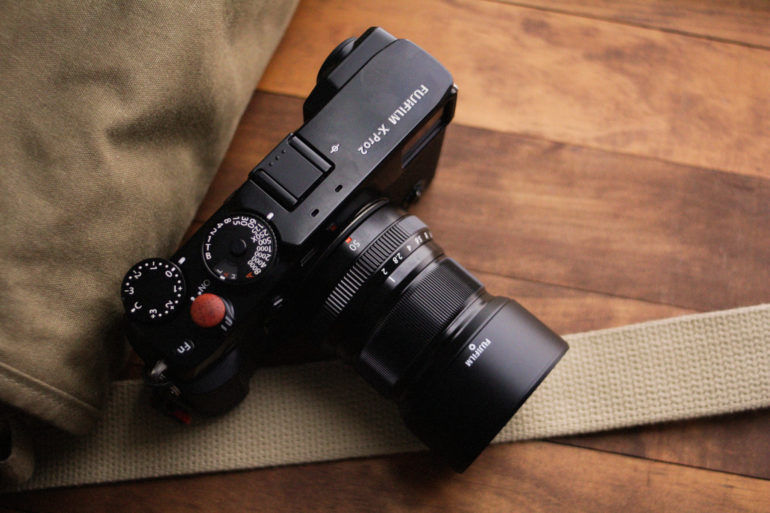
Fujifilm 50mm f2 R WR – The Fujifilm 50mm f2 R WR is the third lens addition to the f2 weather sealed compact prime offerings from Fujifilm–and in many ways it’s an excellent portrait lens. But it’s also great for much more than that. Fujifilm developed the Fujifilm 50mm f2 R WR lens to be pretty versatile. It can focus fairly close and it has weather sealing built into the design, and it’s affordable. Combine this with naturally sharp optics, fast autofocus performance, and the not too large size and you’ve got yourself a pretty powerful, compact longer focal length.
Fujifilm 60mm f2.4 Macro – This is one of the company’s first lenses, and when you add a flash into the scene, it’s surprisingly sharp. What I really like is how it renders skin tones. Apart from being great for portraits like many other macro lenses, it’s excellent for…well, macro. This is a fun lens to play around with, and you guessed it, it’s also wallet-friendly.
Rokinon/Samyang 50mm f1.2 – Oh man, if you’re going to get any single portrait lens for the Fujifilm X series, this is the one lens that you’ll really want. It’s sharp, contrasty, and offers a really fantastic image quality at a price that’s very hard to beat!
Also, be sure to check out our list of the best cheap lenses for Fujifilm X series cameras and our Fujifilm X series lens guide.