The allure of black and white photography has been around for over a century. Despite the birth of color photography, image-makers have been looking at black and white photos as a tool to engage with the audience, showcase their vision, and even build a world that only they can see. For those who have been keen to master black and white photos, you must keep these points in mind.
Built-In Filter Simulations
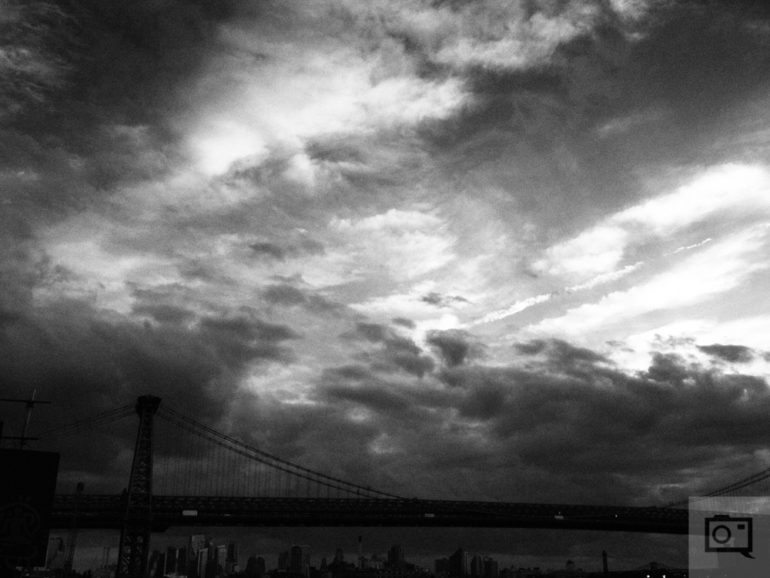
Even before digital black and white modes existed, photographers would rely on colored glass filters to see how differing colors result in shades of grey. This includes red, orange, yellow and green, which are now used in digital cameras and monochrome picture profiles.
What do these filters do? Yellow gives a mild effect by making the skies darker and skin tone lighter. Orange offers a stronger color than yellow, which gives skin a noticeable warmer tone. This is popular for landscapes and portraits. With red filters, the skies will become almost black, and the skin looks almost porcelain. For those wanting extreme contrast, this one is for you. Green color lightens the forest and foliage, which is useful for nature-related images. With this in mind, try to pick a filter that can work for you.
Making a Cyanotype Look
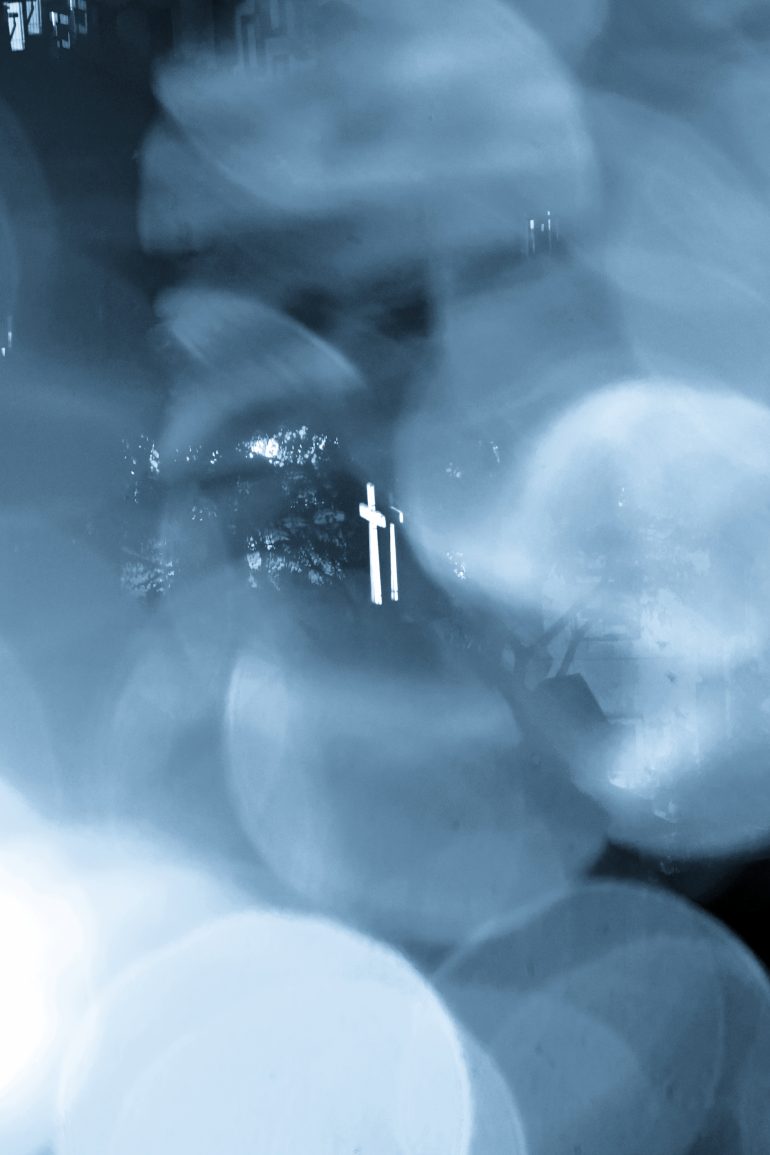
Cyanotype was used extensively in the 19th century, and it creates a nice blue tone in the image. You can get a similar look in-camera, then you have to follow this:
- Keep your camera in black and white mode, then apply a different Kelvin setting. For instance, a tungsten white-balance preset in daylight can make the image blue-ish in tone depending on what camera manufacturer’s products you are using.
- If the device supports a toning option within its monochrome picture profile, choose blue or cyan toning.
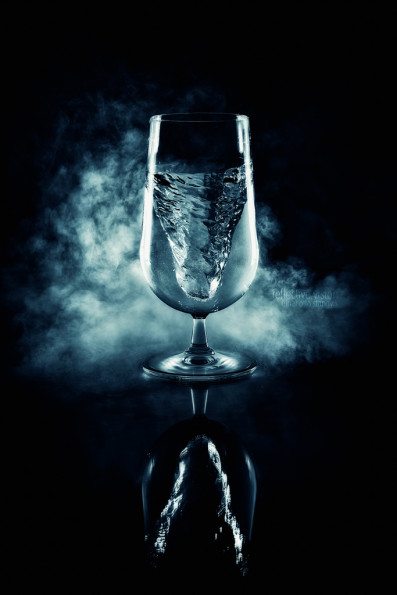
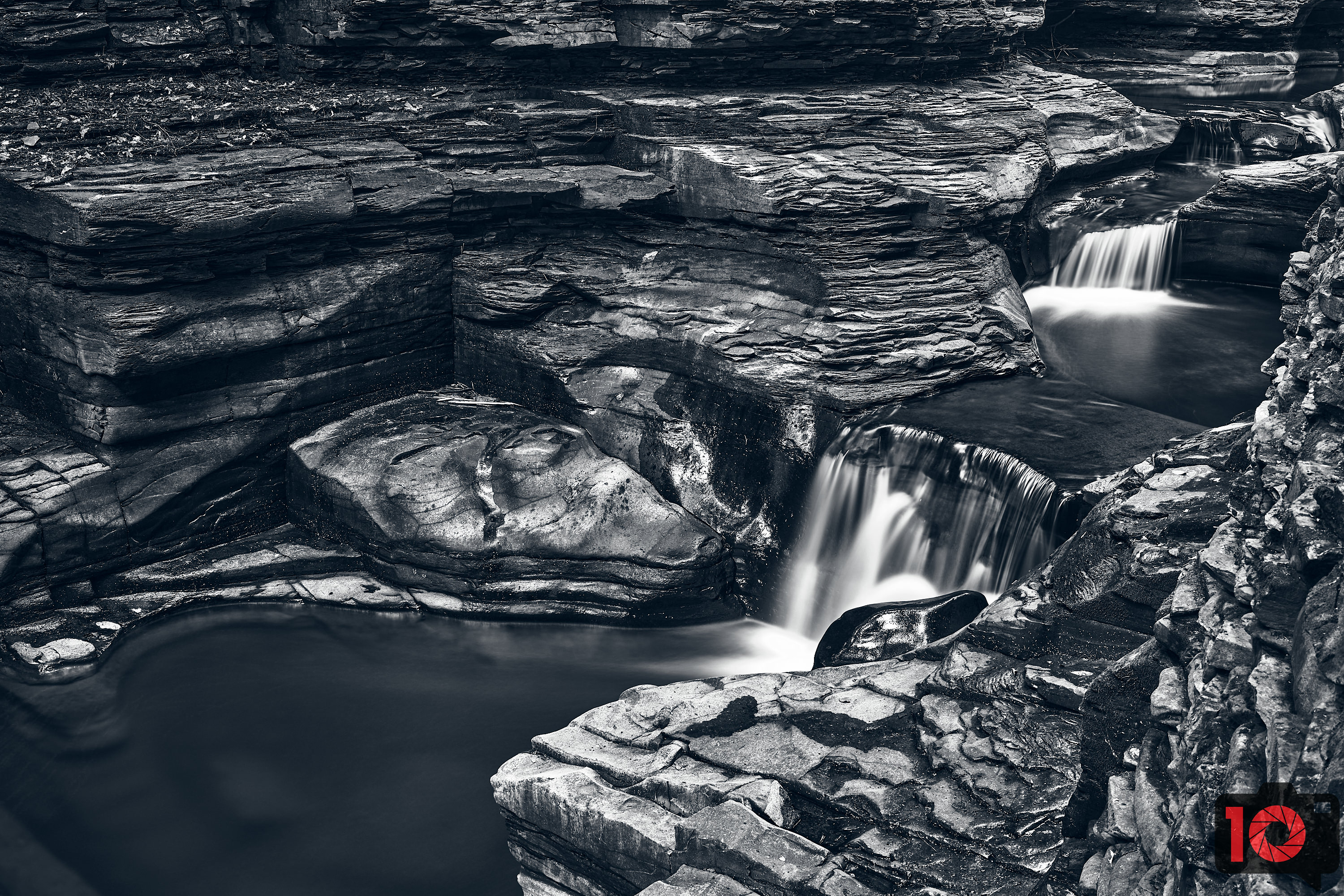
Something like this will work better with a high contrast scene, as seen above. Architecture, nature, or portraits are some subjects that you can shoot in this manner.
High Contrast vs. Low Contrast
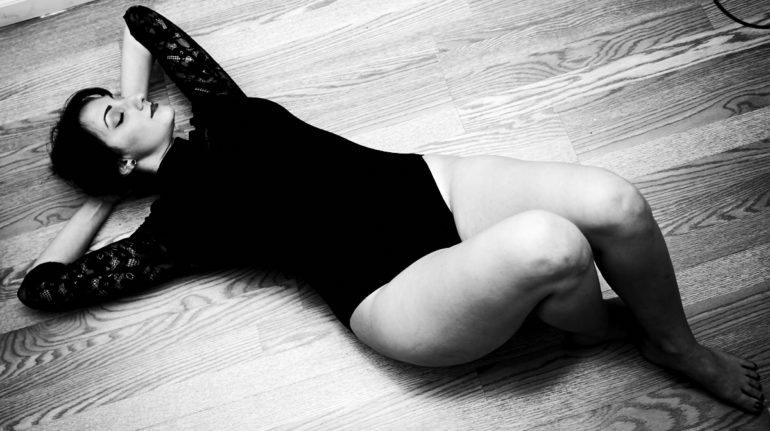
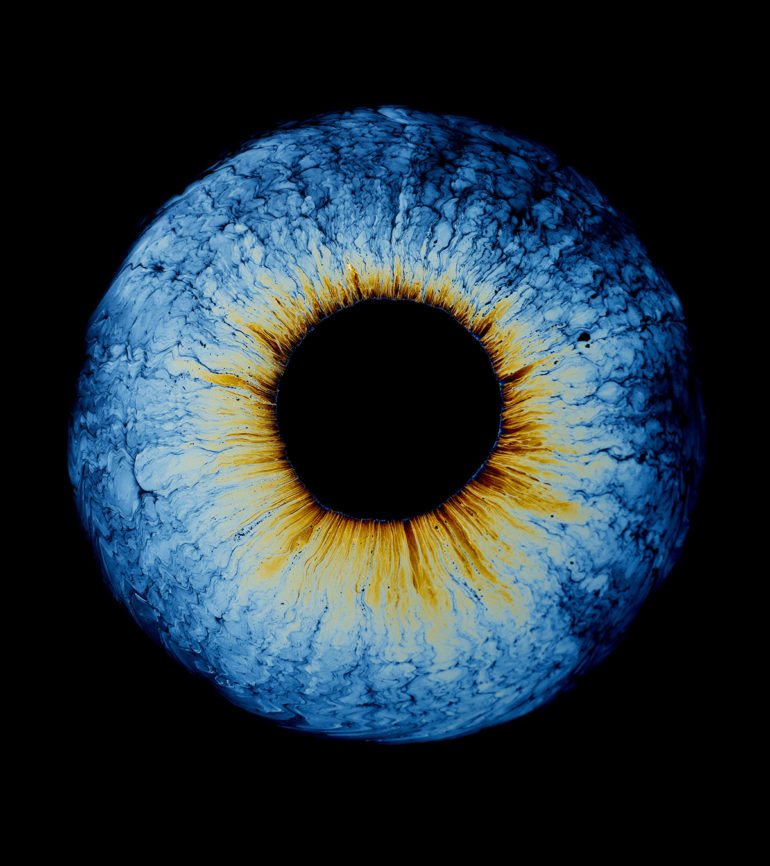
Contrast is one of the settings that does the most heavy lifting in black and white photography. With high contrast, you can get deep black, bright whites, and a compressed mid-tone. This enhances the photos, making them appear dramatic. With a good source of light, such as hard light, it can produce deep shadows and bright highlights. To achieve this in-camera, it is best to push the contrast setting to the maximum and pair it with a red filter.
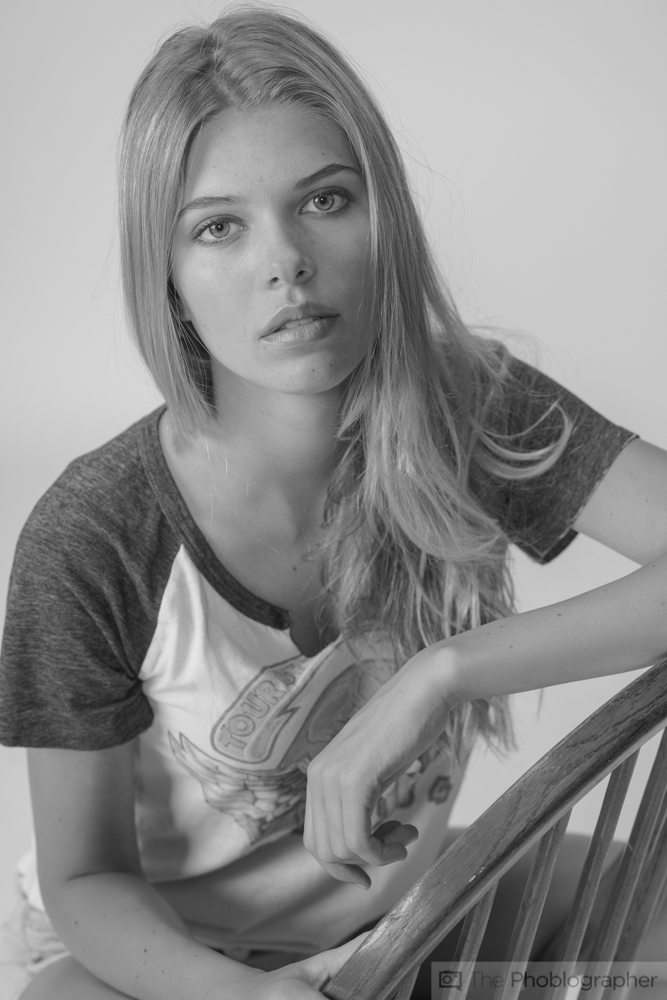
The second image is a low-contrast one that is largely dominating greys and avoiding pure blacks or whites. This offers a soft look, ideal for those who want a sense of nostalgia. This also works well when shooting with flat, overcast, or soft light. To achieve this, set the contrast in the camera to the low setting.
Using Flash
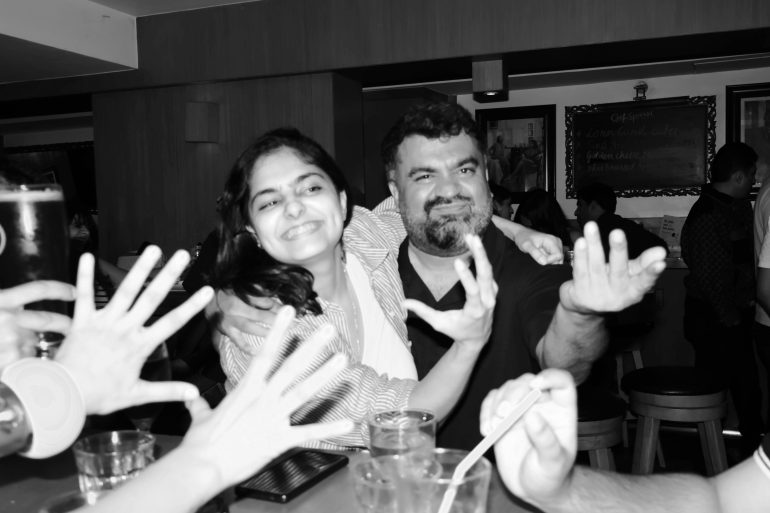
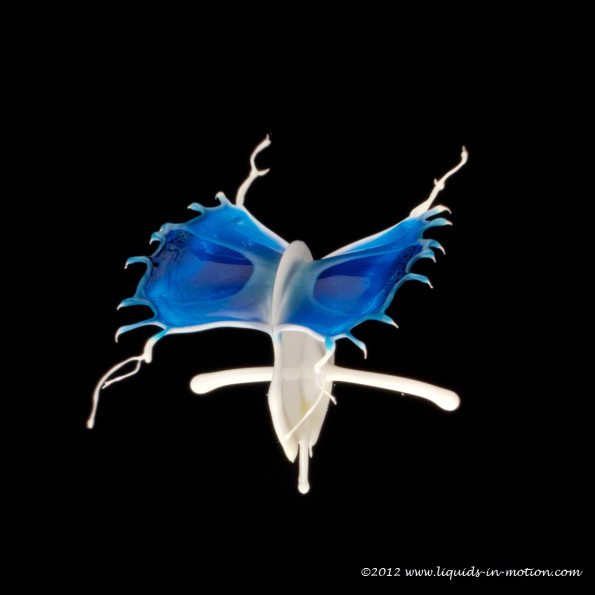
Adding a flash can change the whole look. With on-camera flash, you can create images that look like classic press photography or documentary work. It can be gritty, and in low light, it can also offer some nice grain. The image above combined with flash, along with a slight off focus. In some ways, it can appear like film. With off-camera flash, you can position the device to one side, and create hard shadows, which become a strong graphic element in the photos. With fill flash during the day, you can remove shadows that could cause issues at midday. When you pair high contrast with flash, you can get some fascinating results.
In the end, all of these settings work together better than in isolation. So, experiment with your camera, pair monochrome profiles with these techniques, and you can get some creative results with ease.
Get rid of the ads!
Did you enjoy reading this article as much as we enjoyed writing it? There's a way to support us and our reporting, getting ad-free navigation and more as a bonus. Subscribe to us for less than a coffee per month —just $3.99— or take advantage of our yearly subscription with a hefty discount for only $25.- An ad-free experience
- A free mystery box for Lightroom or Capture One
- All the books in our store
- 20% discount on Capture One
- 30% discount on Imalume Photo Theft Protection
- 20% off Herbs and Kettle Tea Company.
- 20% off your order from MPIX printing services.
- 5% off Viltrox Products via their eCommerce store.
- 10% off all film developing, printing and scanning services from Blue Moon Camera and Machine
- 15% off 7Artisans products: The lens and accessory maker is offering a sweet discount for Phoblographer's readers.