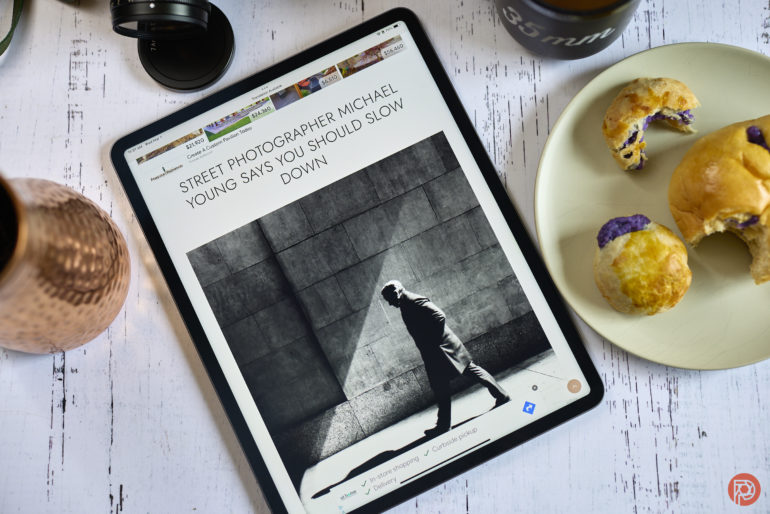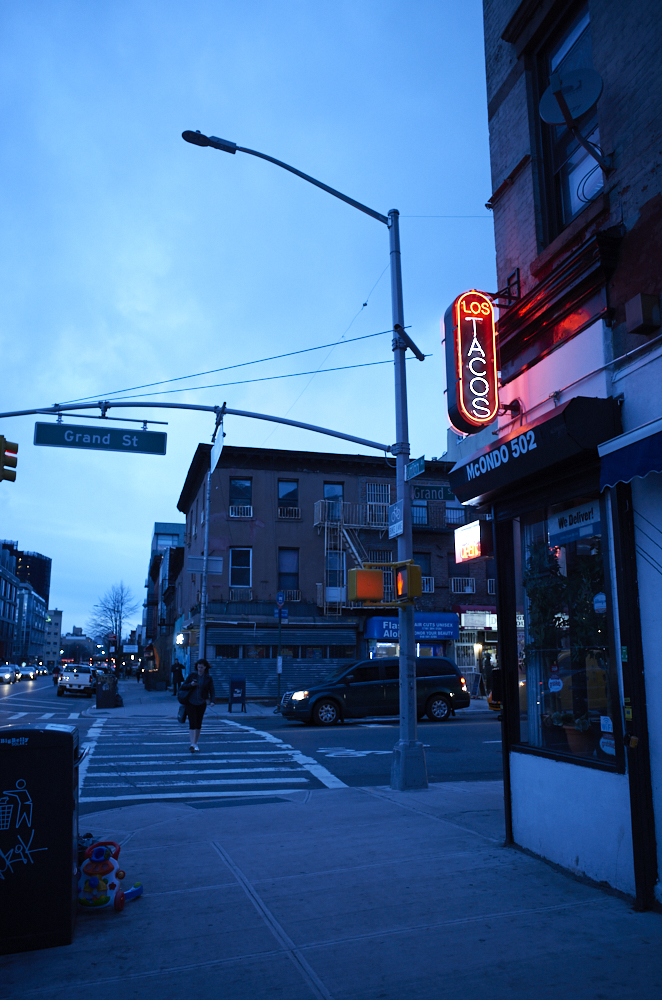
One of the best-selling features of most modern cameras is the auto white balance. It allows people to shoot in any light, without the need to change the setting over and over. Auto white balance neutralizes colors, and sometimes, it is not what you need. Here’s how you can fix the issue.
The Core Problem
Auto white balance often sees a scene, identifies grey or white tones, and shifts color temperatures to make the scene appealing. However, it also falls apart when you look at two variables: consistency and intentional color mood. Auto white balance also reevaluates all the frames, and turns warm or cool tones based on this. Portraits shot in the golden hour, but a few seconds apart can have different color casts, even though nothing about the actual light changed. Based on the genre, here’s what can be done.
Portraits
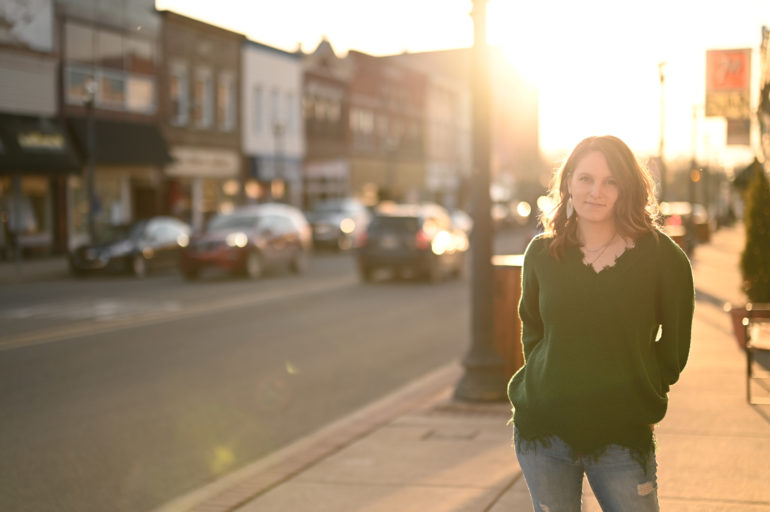
When it comes to choosing white balance, one of the most unforgiving subjects is skin tone. That’s also because human eyes are extraordinarily sensitive to even small things. So, when auto white balance makes changes, it just tries to neutralize the overall scene. It can make the tones gray if there are a lot of warm colors in the background, such as sunset background, bright-colored clothing, an orange wall. However, this gets challenging with mixed lights, such as a window in a yellow-lit room. The best way to fix this is to look for a primary light source, which will keep the skin tone predictable and make an intentional choice of how you can handle any secondary light. There is also the use of a gray card or Color Checker, which can help you get the colors right.
Landscapes

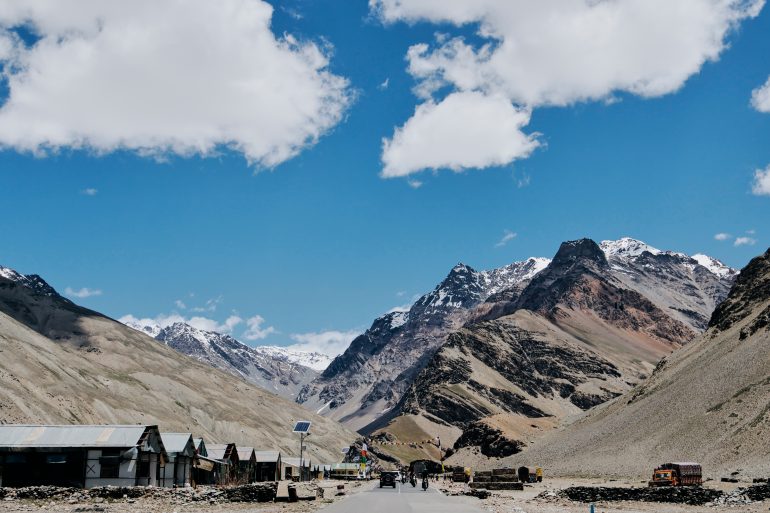
Landscape photography is all about color and mood, and sometimes, auto white balance can work against it. The orange hues or the cool blues of dusk/dawn or the goldenness of sunset all help one to build a mood. And these are the colors that auto white balance is designed to remove. Since one has to work with various lights, the best way is to manually choose the settings. This will help you get correct colors, without any inconsistency. In fact, landscape is a form of still life, which means you can give your photographs the time they need.
Street Photography
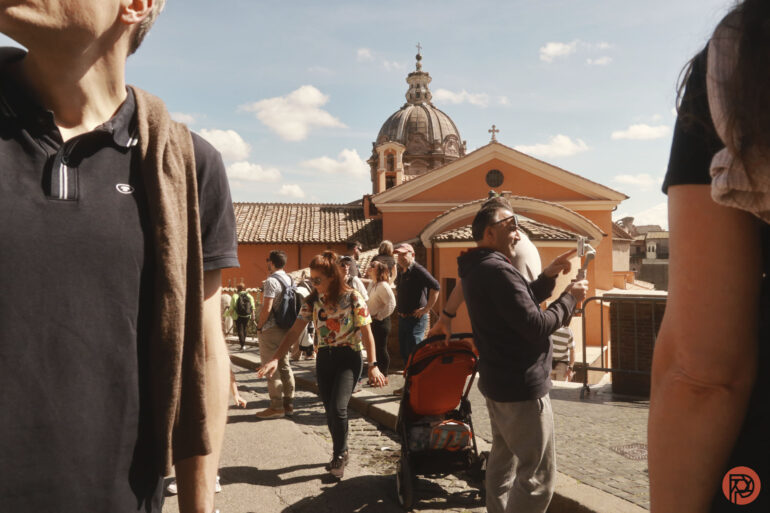
Street photography is often one of the fastest genres of the medium, where conditions change instantly. One can shoot inside shade, like in rooms, or out in the sun, or at night, with a flash. In this regard, auto white balance will change that, and stories that may seem like a story will appear like a patchwork of different color temperatures. What makes street photography compelling is the character of the place, the street lights, colors on the pavements, and different casts of the day. If you are shooting outdoors, then daylight and cloudy mode can be ideal, based on the time or day.
What’s the best way to fix it?
- Pick one dominant light source and commit to it. Look around the room, figure out what source of light is falling on your subjects. Then, set the white balance to Tungsten, Daylight, Fluorescent. As for the secondary source (like candles or phones), they will show up as color accents.
- A custom white balance reading. Before the event starts, use a grey card, a white napkin or a white wall in the main lighting. This way, you can customize a white balance from it. Some cameras allow you to do this in seconds, so you will not waste time.
- Shooting RAW is the answer. When shooting candids, sometimes the color shift will be quicker than most. Light can change when you move from room to room or when the day progresses, and so RAW files will allow you to correct the exposure when needed. JPEGs will keep the color cast as it is, which will make it challenging to change later.
- Edit one frame at a time. Let’s say, despite everything, you end up with the wrong color tone, then the best is to edit the Kelvin value in the RAW mode. While one can always sync the set things, the rest may not be the same if the source of light is different. And consistency can be helpful for your story.
- Set per zone. Let’s say you have three different scenes, then the best way will be to keep a different white balance for each of them. The living room with lamps will have a distinct tone vs the porch outside the house. Or when shooting outside, the time of the day.
Sure, this is a challenging task, but it can certainly be of help in the long run.
Get rid of the ads!
Did you enjoy reading this article as much as we enjoyed writing it? There's a way to support us and our reporting, getting ad-free navigation and more as a bonus. Subscribe to us for less than a coffee per month —just $3.99— or take advantage of our yearly subscription with a hefty discount for only $25.- An ad-free experience
- A free mystery box for Lightroom or Capture One
- All the books in our store
- 20% discount on Capture One
- 30% discount on Imalume Photo Theft Protection
- 20% off Herbs and Kettle Tea Company.
- 20% off your order from MPIX printing services.
- 5% off Viltrox Products via their eCommerce store.
- 10% off all film developing, printing and scanning services from Blue Moon Camera and Machine
- 15% off 7Artisans products: The lens and accessory maker is offering a sweet discount for Phoblographer's readers.