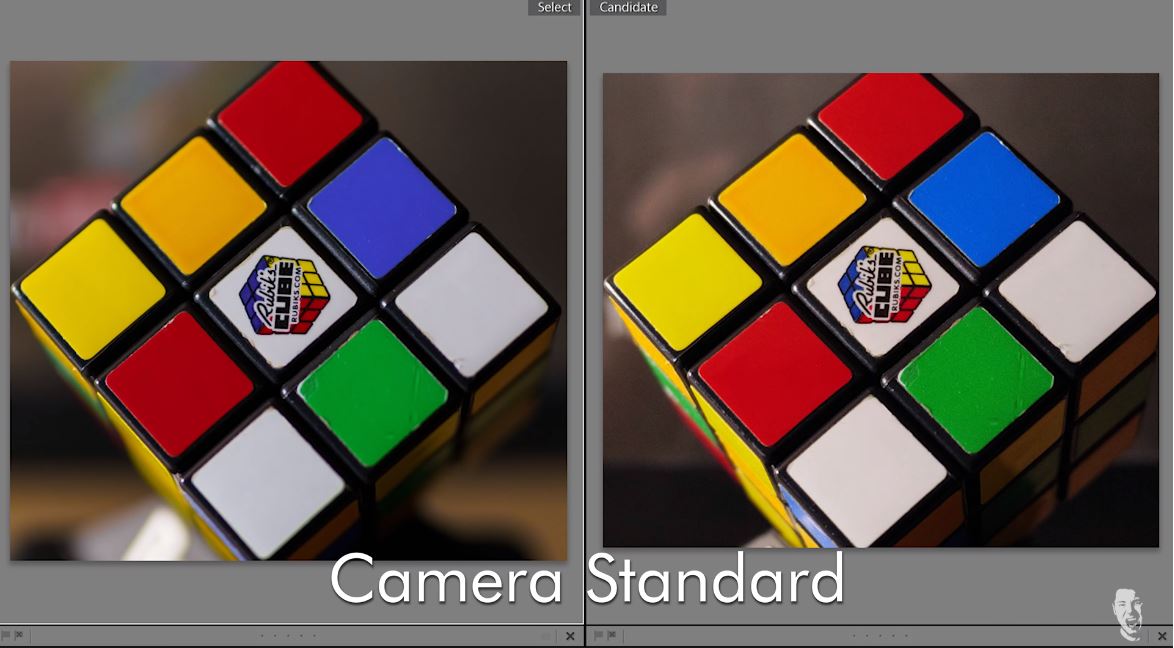
In the 1970s, the National Photographic Interpretation Center (NPIC) realized that it had a problem: a people problem. Despite substantial technical advancements during this period, interpretation remained endemic to photography as a visual form of capture, and this applied even to military surveillance. New guidance released by the National Photographic Interpretation Center in a 195 page guide on color science published on January 1972 argued that many of the limits and advantages of color photography would have very little to do with the objective technical characteristics of color film, and would instead be driven significantly by colors’ psychological relationship with the mind.