Landscape photography requires oceans of patience. There are so many things that can go wrong, but in some ways to can be amongst the simplest genres within photography. Good landscape photography has to do with getting the light that you want, commitment from yourself to scout the right locations, the gear that you need to get the photo in your head, and the exact amount of post-production work. When getting started, you can sometimes be intimidated or not know where to look. Here’s our guide to shooting better landscapes.
Editor’s Note: This article was previously published on the Phoblographer years before anyone thought that generative AI was even a thing. We’re republishing it here to bring more light to the work that we’ve done over the years.
Just Ask the Pros!
Before we even get into our own guide, we’ve talked to a couple of professionals about shooting better landscape images. These professional photographers shoot landscapes to make a living. They come back different background, but what they all share in common is excellent social media marketing skills. This is the backbone of every photographer–landscape shooter or not.
Scott Mead: Scott hails from Hawaii and started his photographic career at the age of 16, capturing cars, plants, landscapes, and wildlife on film, often donating his images to local clubs and charities. He spent several years as an automotive photographer and journalist for Edmunds and Motor Trend Magazine before switching focus to landscape and nature photography in 2003.
According to Scott:
“For me, it’s a balance of “technical correctness,” amazing light, and emotion within the scene. A great image literally needs to grab ahold of the viewer, and take their eyes on a journey that they never want to leave, and make them feel as though they could step right into the scene. Their first thought should be, “Wow, I want to be there.”
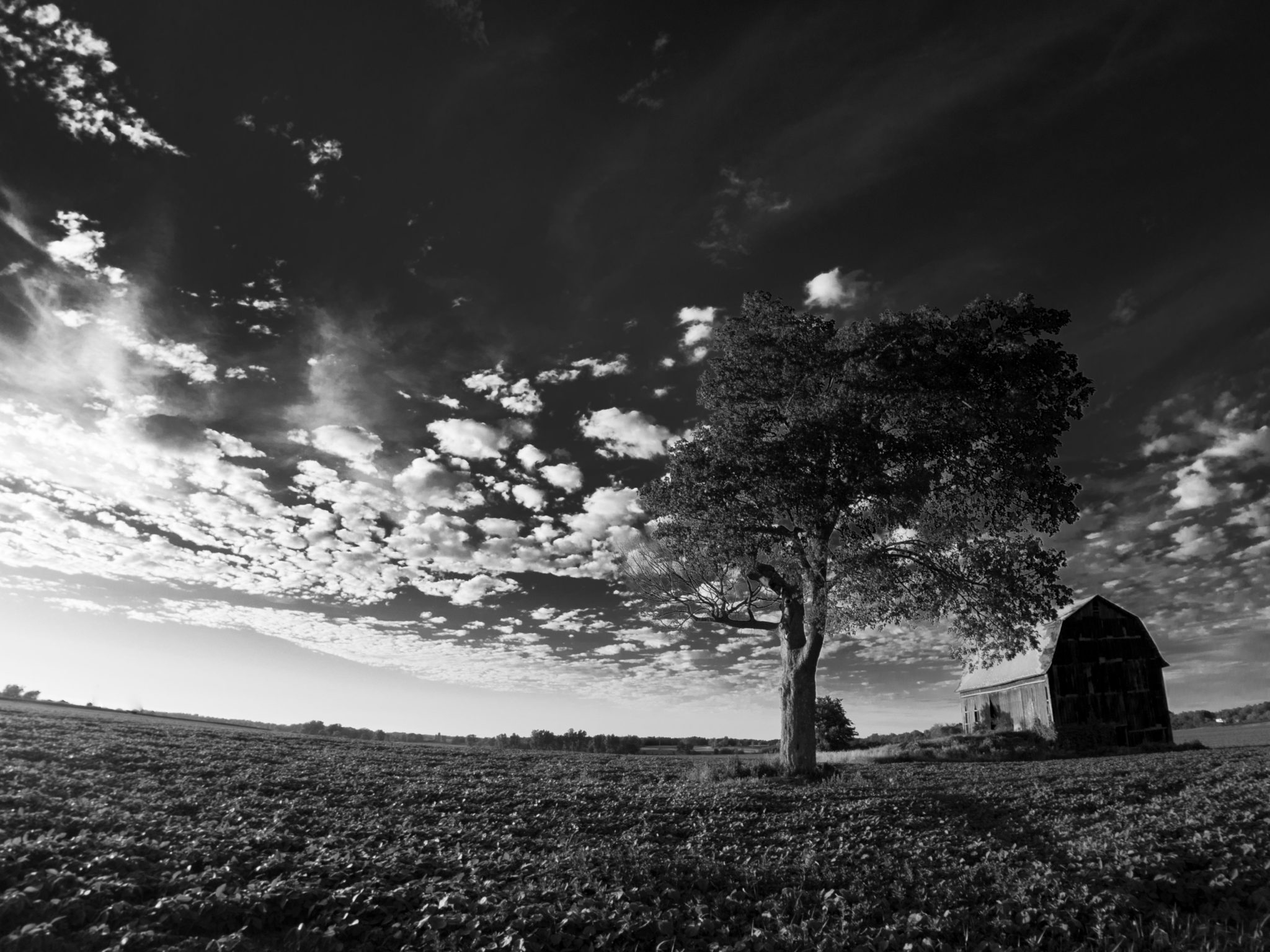
Jamie MacDonald: Jamie is an Olympus visionary that loves to shoot landscapes, but what we’re most fascinated by is his photos of clouds. More than anything though, Jamie tells us that landscape photography is all about patience.
“I have waited entire seasons for the right time, the right cloud formations, and the right light. I suppose I could shoot far more often if I wanted but I prefer to find a location that has character, and then let nature dictate when the image is created. For example I have this barn that is a regular subject of mine, my muse I guess you might say. I have spent the last several years photographing it very intermittently because I usually have very specific shots in mind and since I don’t make the weather I have to let nature decide when those images are made.”
Jay and Varina Patel: Photographers Jay and Varina Patel dominate on Google +, and they tell us that landscape photography requires lots and lots of research.
“We do a lot of research before we even leave the house, and that saves us a whole lot of money and time. We might have just a few days to spend in any given place, so we need to put ourselves in the right place at the best possible time – and we need to make the most of the time we have on location. We check weather and climate patterns, seasonal changes, tide charts, sunset and sunrise times – and moonrise and moonset times too. We also study topographical maps and trail maps, and talk to park rangers and local photographers. When we’re on location, we spend all our waking hours in the field. When the conditions aren’t right for shooting, we’ll be scouting so we know exactly where we want to be when the light is just right. Of course, none of this really feels like work because it’s what we love to do.”
Using Filters
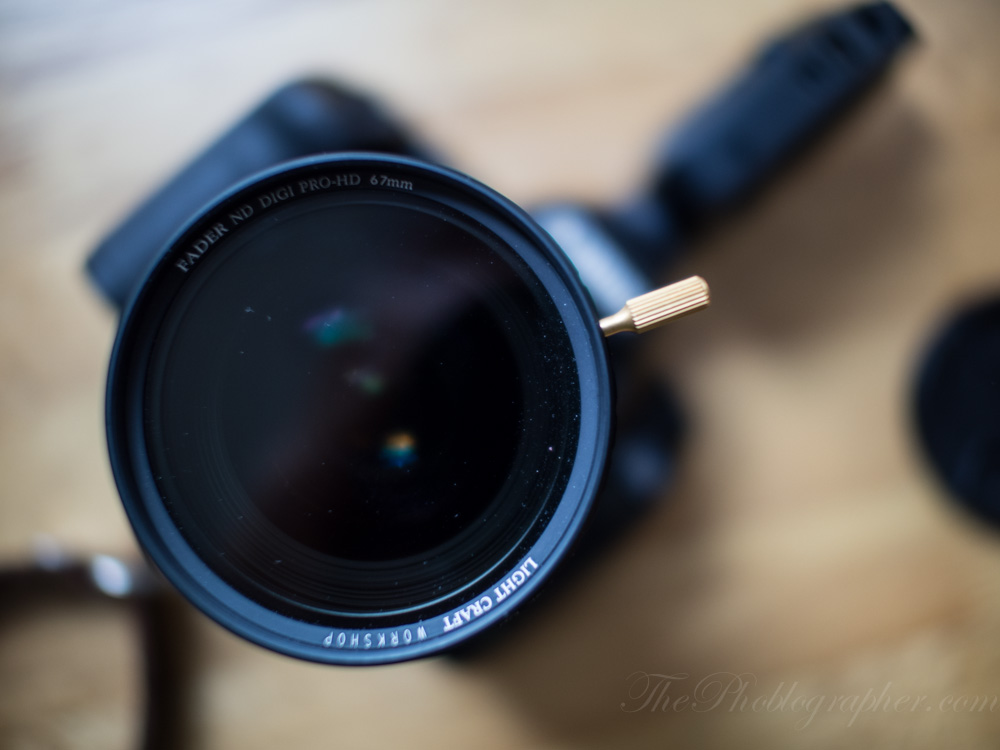
Every landscape photographer NEEDS to use filters of some sort. They’re necessary to do many things like getting more detail from highlights, and slowing down shutter speeds.
Firstly, there is the graduated ND filter which is a piece of glass that starts out very dark on one end and becomes gradually lighter over the area–hence the name. Photographers have been using glass like this to capture more details in skies when shooting landscapes.
So how do they do this? The photographer takes a meter reading of the skies and a meter reading of the shadows on the surface. Then they place the ND filter on the camera and expose for the shadows. The camera then gives the photographer an image that is very low contrast and is very filled with details.
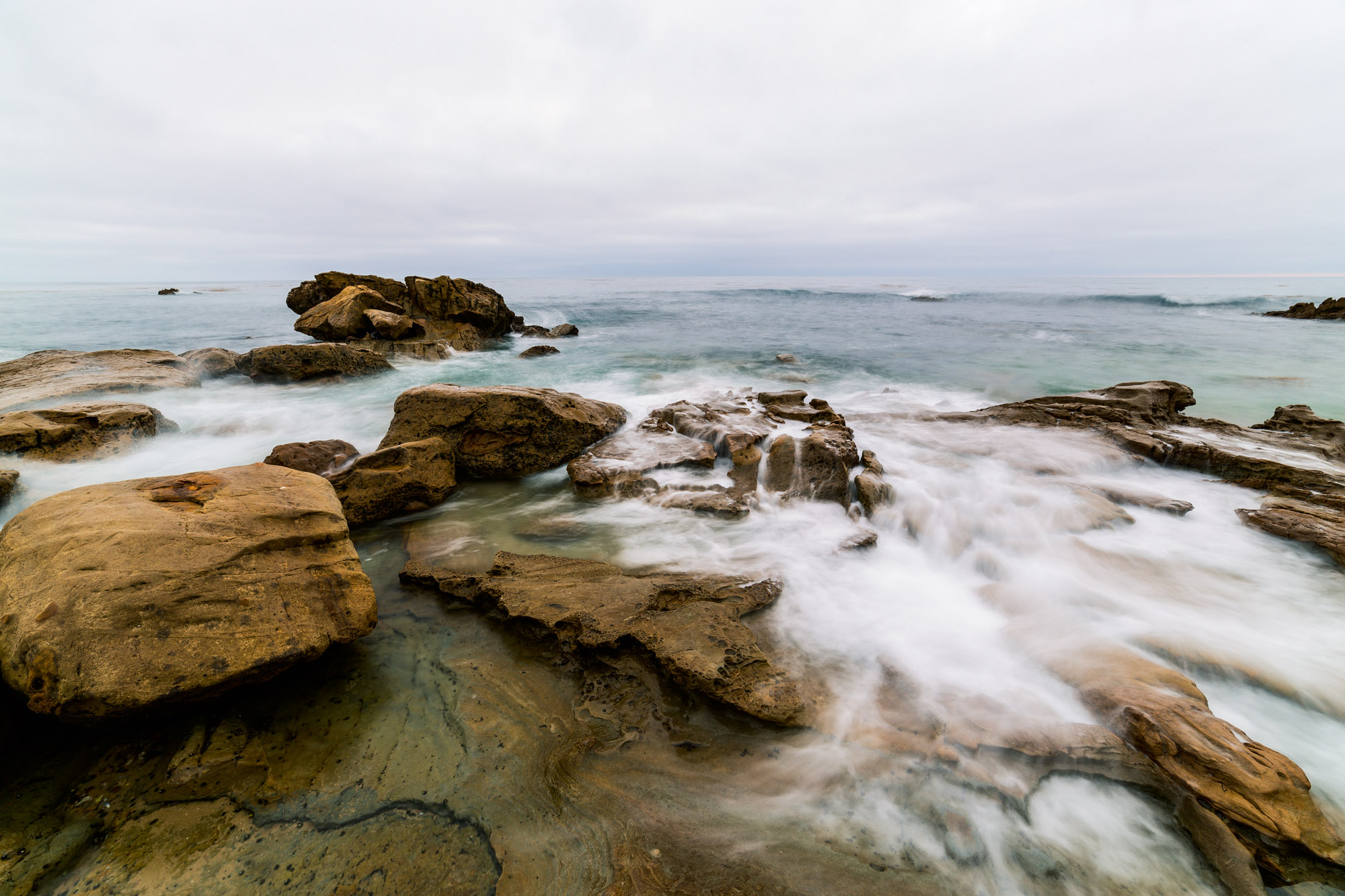
Then there is the Neutral Density filter, which darkens an entire scene. In regards to landscape photography, these filters are used during very bright daylight scenes where your ISO is very low but you want to capture a scene with a slower shutter speed. They’re most typically used at seaside.
The Lenses
Every modern camera is highly capable of shooting very beautiful landscape images. But what will help those images stand out more are the right lenses. Lenses are much more important than what camera you have–and our years of testing lenses have helped us to narrow down some of the best choices.
Since this guide is designed for photographers still starting out, we want to first and foremost recommend our selection of wide angle lenses at a budget level. You can start out with these choices, and some of them may even stick with you until the later days of your career as a landscape photographer.
The post not only lists a number of great options under $500, but also includes essential tips when shooting with wide angles.
Wide angle lenses aren’t the only ones that landscape users own though: in fact they have a big need of telephotos and normal focal lengths. And that concept is tackled in our post on five discerning lenses for the landscape photographer. This post talks more about focal lengths and how important they are in relation to landscape photography. It then goes on to recommend a couple of lenses that are best suited to each situation.
Lastly, we list a number of specific wide angle lenses for mirrorless cameras due to their growth in the market over the last couple of years.
Techniques
We’ve also compiled a number of techniques on photographing landscapes. Some of our favorites are:
– Landscape Composition: In this post, we talk about concepts like using leading lines, the rule of thirds, etc. It’s a very useful introductory post.
– How to make your landscape images stand out: As a photo editor, I tend to look at loads and loads of landscape images that all seem similar. But here are things that you can do to make yours stand out more.
– Our full tutorial roundup of landscape pieces: Need we say more?
– Packing to shoot in a cold environment: Former Phoblographer staffer Thomas Campbell talks to us about how he packed to shoot in Iceland.
– What is an HDR: HDR images are typically associate with landscapes. They are high dynamic range images which include the brightest brights and the darkest darks.
– How to Get Sharper Focus When Shooting Landscapes: In this post, we share a video with secrets on getting better focus.
Get rid of the ads!
Did you enjoy reading this article as much as we enjoyed writing it? There's a way to support us and our reporting, getting ad-free navigation and more as a bonus. Subscribe to us for less than a coffee per month —just $3.99— or take advantage of our yearly subscription with a hefty discount for only $25.- An ad-free experience
- A free mystery box for Lightroom or Capture One
- All the books in our store
- 20% discount on Capture One
- 30% discount on Imalume Photo Theft Protection
- 20% off Herbs and Kettle Tea Company.
- 20% off your order from MPIX printing services.
- 5% off Viltrox Products via their eCommerce store.
- 10% off all film developing, printing and scanning services from Blue Moon Camera and Machine
- 15% off 7Artisans products: The lens and accessory maker is offering a sweet discount for Phoblographer's readers.