

We have yet again encountered a unique time of the month: camera sales ranking! This time, Map Camera (first reported by Digicame-Infor), one of Japan’s biggest camera stores, has revealed the list. In the August sales of BCN+ Retail, Canon came at the top in mirrorless rankings of the devices. However, the latest data from Map Camera sees a rather unique turn of events. Canon, which took the crown home the last time, is now placed third in the roundup. So, who came first? Well, you’d be surprised. The winner is Fujifilm.
In the BCN+ Retail data, Fujifilm did not make the cut in the top 10. Instead, Panasonic, with the G100D, came tenth on the list. The roundup, however, was a battle between Sony and Canon, with Nikon and Olympus taking the sideline. Before we discuss the matter further, let’s have a look at Map Camera’s rankings:
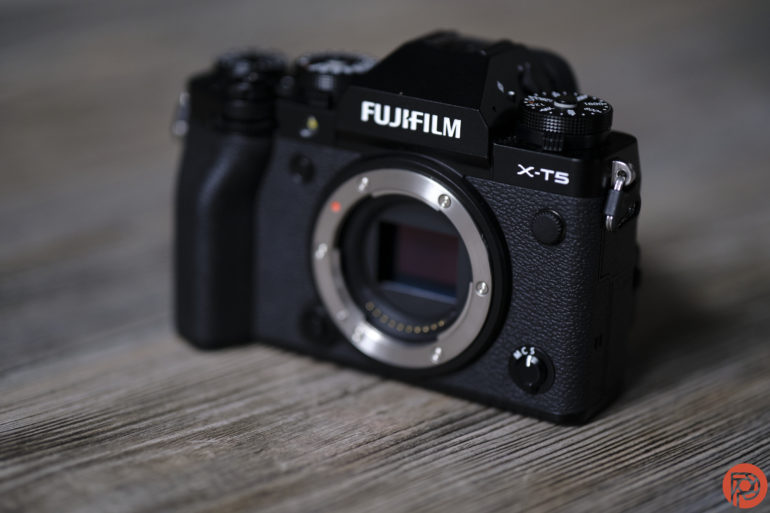
- Fujifilm X-T5
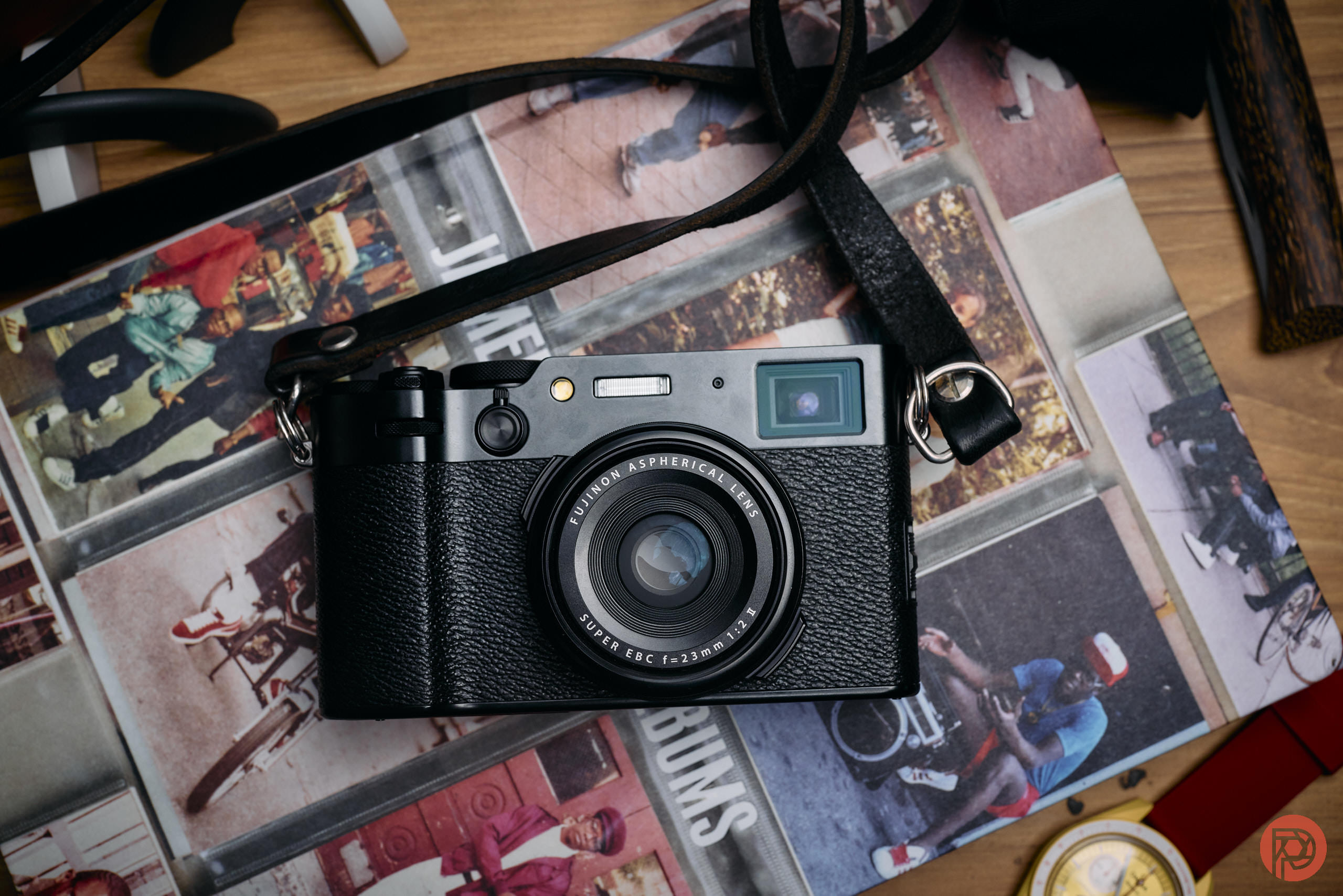
- Fujifilm X100VI
- Canon EOS R5 Mk II
- Nikon Z8
- Sony Vlogcam ZV-E10 II
- Fujifilm X-T50
- Sony a7C II
- Canon EOS R6 Mk II
- Nikon Z f
- Nikon Z6 III
Analysing The List: Why Did Fujifilm Come First?
When we tested the XT5, we were impressed with the image quality. However, we weren’t too thrilled about the autofocus performance. Our Review Editor, Hillary Grigonis, noted that it is slower than the XT4. However, if you do not shoot demanding genres like wedding photography, then the XT5 “delivers lovely images in a classic body style.”
We weren’t impressed with the X100VI, and we even shared seven reasons why one must not choose it. In fact, our Editor, Chris Gampat, said in his review, “I’m insanely disappointed with the Fujifilm X100VI. Fujifilm had five years to get their act together.” He further added, “The Fujifilm X100VI exhibits the happiness of a forgotten plant in a bachelor pad. Fujifilm’s smallest division could’ve strove for excellence, but they settled for mediocrity and algorithmic staleness.”
As for the remaining items on the list, the Z 8, the Sony a7C II, the EOS R6 Mk II, the Zf, and the Z6 III all performed exceptionally well in our review. The devices provided great image quality, but the autofocus certainly differentiated between the higher-end and lower-ranging models. For instance, the Z6 III was a bit slower than the Z8’s snappy autofocus. However, its low-light performance was good, and so was the weather resistance.

So, why did people buy Fujifilm this time? According to the report, the last time, a supply shortage resulted in the XT5 reaching the 12th spot. However, with the camera back in stock, many are opting for it. The same goes for X100VI, which can’t be pre-ordered by the shop in advance.
Since Canon EOS R5 Mk II is also facing a shortage, the chances of it toppling Fujifilm once the shipment begins are quite high. The Z6 III was popular a few months ago, coming in at the top, but the momentum seems to be losing with the audience. The same goes for Sony ZV-E10II, which has come in 5th due to a price hike after the July sales.
APS-C Continues to Lag Behind
It is becoming increasingly evident that camera makers spotlight full frames over the trusted APS-C models. This tune is as old as time. Both photographers and companies think that a bigger pixel count is better. However, many forget that there are those who need a good-quality camera at a reasonable rate. Fujifilm simply provides that. In our article, Gampat highlighted this, stating: “This is especially the case with Fujifilm, as their film simulations make you need to do far less post-production if you use them correctly. Years ago, there wasn’t a lot of lens support for these cameras, but now there is.”
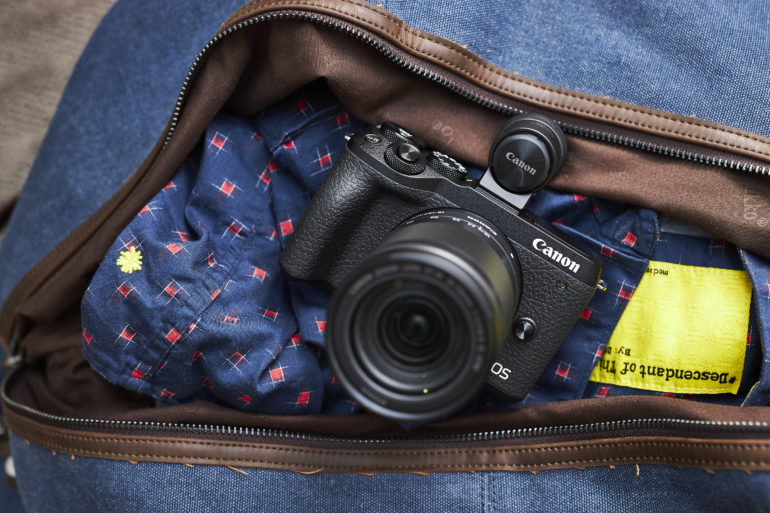
However, while manufacturers focus on making full-frame cameras different, they somehow forgot to do the same for APS-C. For instance, the XT5 uses the same sensor as the XH2, which impacts other areas like autofocus. As Gampat stated in another piece, “All the APS-C cameras share variants of the same sensors with lenses designed to be clinical,” and we couldn’t agree more. There are multiple things that APS-C, especially Fujifilm, can do to make the smaller cameras more unique: Multiple exposures with RAW, better focus peaking, improved autofocus for POC in low light, and built-in wireless flash transmission, to name a few.
While the Map Camera ranking shows a changing trend, Fujifilm must work on its areas of weakness. If they accomplish this before other competitors, we may finally see a better ranking for the company.
Get rid of the ads!
Did you enjoy reading this article as much as we enjoyed writing it? There's a way to support us and our reporting, getting ad-free navigation and more as a bonus. Subscribe to us for less than a coffee per month —just $3.99— or take advantage of our yearly subscription with a hefty discount for only $25.- An ad-free experience
- A free mystery box for Lightroom or Capture One
- All the books in our store
- 20% discount on Capture One
- 30% discount on Imalume Photo Theft Protection
- 20% off Herbs and Kettle Tea Company.
- 20% off your order from MPIX printing services.