

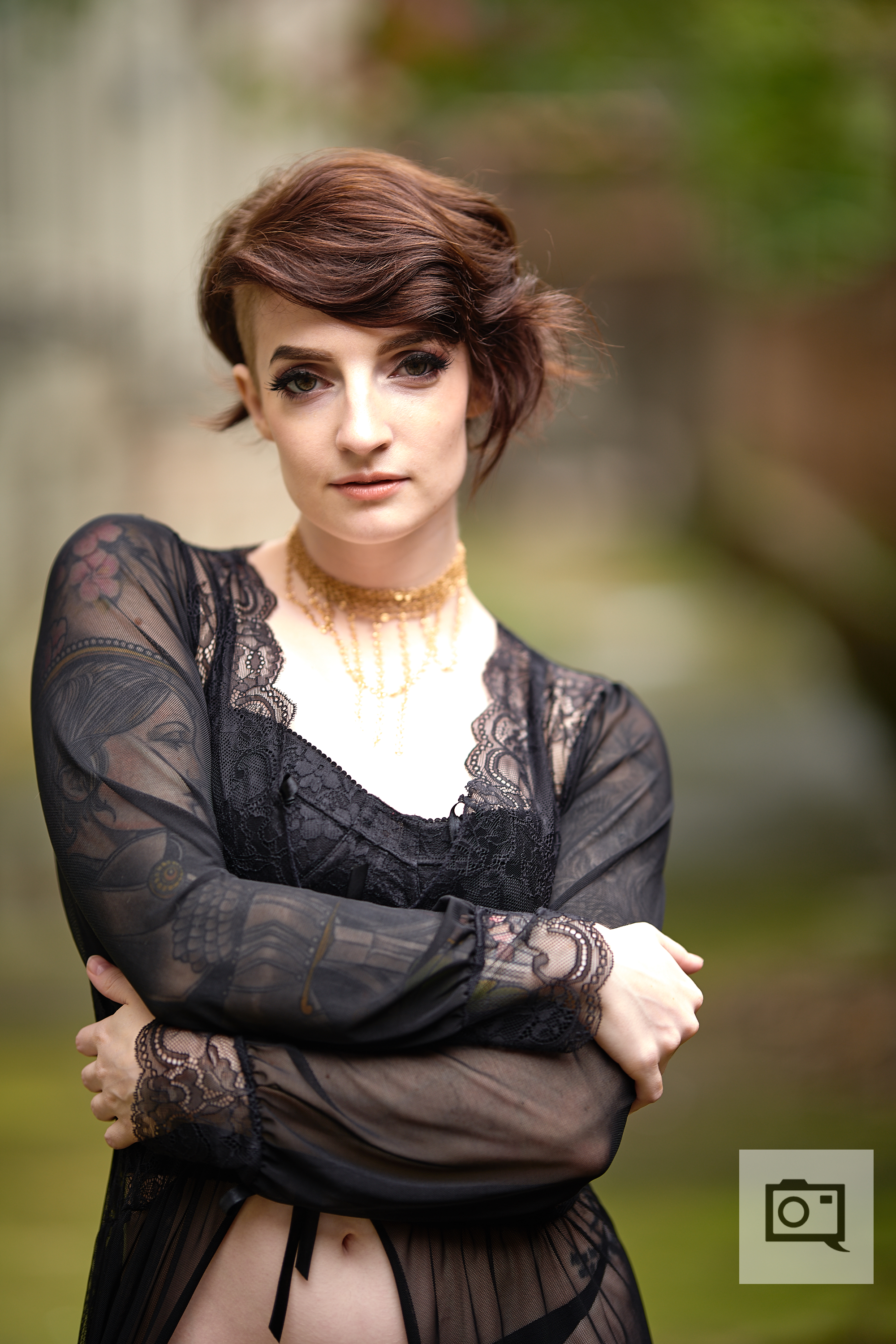
I often say that bokeh and fast apertures aren’t really all that special these days. And in many ways, I still think that this is a true statement. But where I think that it’s different is with telephoto focal lengths. Specifically, I think that long telephoto lenses that can deliver images that look and feel like they were made with medium format cameras instead are truly something to behold. And for that reason, I think that it’s way past time that the 105mm f1.4 lens makes its return.
When mirrorless cameras were becoming the mainstay and DSLRs were on their way out, two companies came up with 105mm f1.4 lenses. We reviewed both of them here on the Phoblographer.
First, there was the Nikon 105mm f1.4 — which was an absolute beast of a lens in so many different ways. When I purchased the Nikon D850, it’s one of the lenses I considered getting too. I did my review of that lens in 2016, and still to this day, I think that I made incredible images with it that still can’t really be duplicated all that easily with modern optics. Even back then, the lens barely missed its focusing point — which fantastic to think about even today.
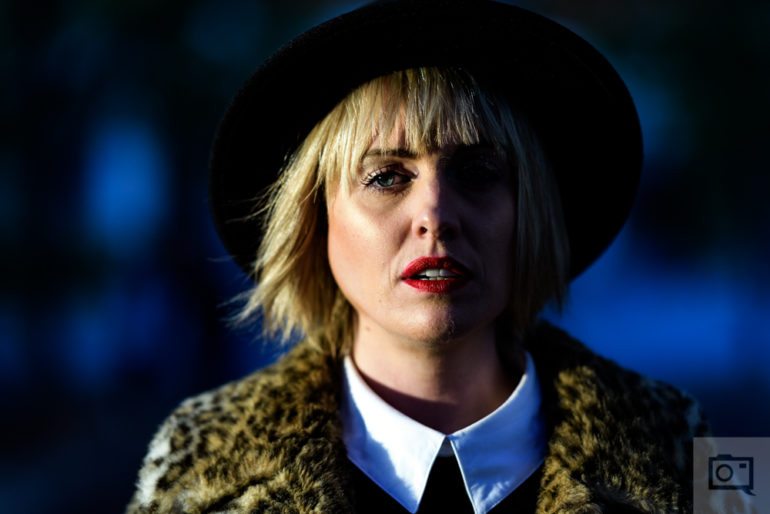
At the time, I called it the ultimate portrait lens and even today, I still think about it. If anything, I just wish that it had lens flare — and I’d probably need to use an 82mm Rose filter.
The other lens is the Sigma 105mm f1.4 Art. While I wasn’t responsible for this review, I was ultimately there to be a part of its testing. It too was able to deliver really stunning images unlike anything else that we can see on the market today. The only thing that comes close is the new Sigma 135mm f1.4 Art lens and the Zeiss 135mm F2 Apochromatic.
Take a look at this series of images and see if you can really tell the differences between them all that much.


Unless you pixel peeped, you probably wouldn’t be able to tell much of a difference here. And even then, I’d be shocked. But the fact still remains: longer telephoto lenses with fast apertures and special optics can still really shine today.
If these lenses were to come back, the brands would need to think about them in a “devolved” way. We don’t need or want insane amounts of sharpness because the megapixel counts haven’t really improved all that much. And our portrait subjects don’t want to be able to see their pores with how social media adds negative effects on all our minds.
Get rid of the ads!
Did you enjoy reading this article as much as we enjoyed writing it? There's a way to support us and our reporting, getting ad-free navigation and more as a bonus. Subscribe to us for less than a coffee per month —just $3.99— or take advantage of our yearly subscription with a hefty discount for only $25.- An ad-free experience
- A free mystery box for Lightroom or Capture One
- All the books in our store
- 20% discount on Capture One
- 30% discount on Imalume Photo Theft Protection
- 20% off Herbs and Kettle Tea Company.
- 20% off your order from MPIX printing services.
- 5% off Viltrox Products via their eCommerce store.
- 10% off all film developing, printing and scanning services from Blue Moon Camera and Machine
- 15% off 7Artisans products: The lens and accessory maker is offering a sweet discount for Phoblographer's readers.