

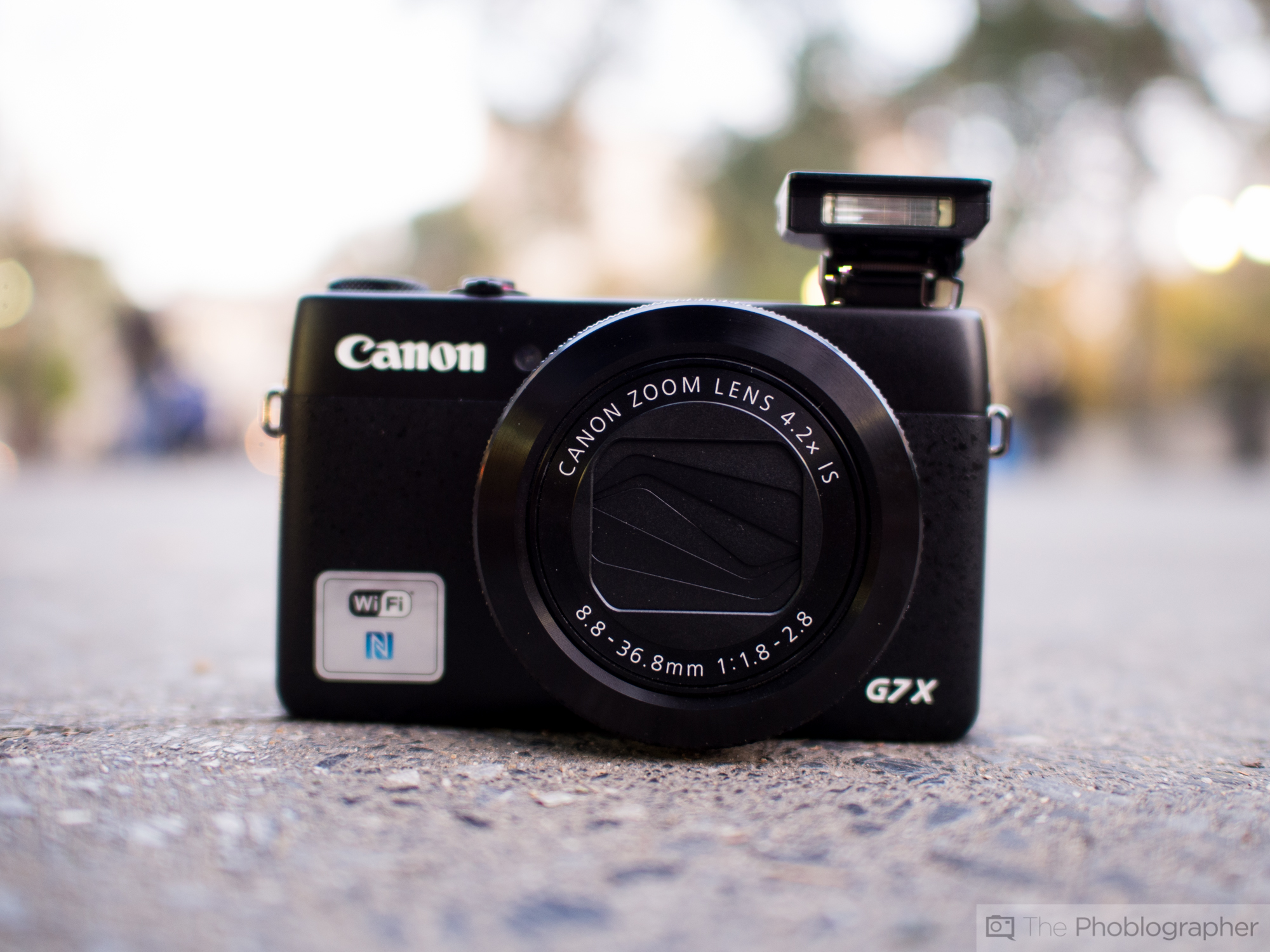
Compact cameras are back in demand. A quick Google search will showcase some of the most trending cameras, which often are compact models. With Canon being one of the most desired brands in such a case, it often leads one to wonder what the future holds for the company’s future. Per a new report, Canon may have something exciting up its sleeves.
Per a new report from Canon Rumors, the company is expected to reveal a new PowerShot camera in September 2026. However, this will not be a PowerShot G7 X Mark III successor or “nothing like previous G-series cameras.” This suggests that Canon must be moving beyond compact cameras that have been defined by the brand for decades.
One of the points in the report is that the camera will have a dedicated smartphone software designed specifically for the camera. This will be different from Canon Camera Connect as it is said to act as a much deeper companion platform. At the moment, details are scarce, but the industry report suggests that the new compact camera is likely to have a smaller sensor than the 1.4-inch found in V1. However, it is possible that this may not be true.
The other part includes a more affordable PowerShot for the masses, along with a larger sensor if it’s a flagship. Cameras such as the Leica Q, Fujifilm X100 and Ricoh GR are some examples of fixed lens cameras with larger sensors than 1-inch offerings. The recently launched Panasonic L10 is one such offering that introduces a Micro Four Thirds 20.4MP BSI sensor and 24-75mm lens. In that regard, Canon can offer something similar, a 20mm, which is wide and great.
Another aspect that Canon can’t ignore is the impact of computational photography. Young users, who have been using smartphones, will rely on multiple exposures, noise reduction, and intelligent image processing, amongst other things. Since Canon has advanced AI imaging technology, and that one can integrate this technology into their future cameras. Computation photography, thus, in compact cameras can make life easy. Just like Olympus does.
In addition, there are a few things that can make life better:
- A wide angle fixed lens, rather than a 24-100mm zoom
- AI image processor that can help with RAW processing and automated edit
- More image-focused features such as filters and color profiles
- Better editing tools on smartphones
- A minimal design like X100 series or the GR camera
- In-built flash and EVF
- Better battery life
The G7X Mk III is aging, and camera manufacturers have struggled to deliver reliable smartphone experiences with connectivity for small sensor models.
At the moment, one expects the models to be between $700 and $1,000, which will make them more accessible than most Fujifilm cameras. So, if the Canon camera manages to achieve this, it could be popular, like Fujifilm models. Canon R8 II is said to be the next camera, and the PowerShot model. So, it is best to wait and watch, Maybe something exciting comes up soon.
Get rid of the ads!
Did you enjoy reading this article as much as we enjoyed writing it? There's a way to support us and our reporting, getting ad-free navigation and more as a bonus. Subscribe to us for less than a coffee per month —just $3.99— or take advantage of our yearly subscription with a hefty discount for only $25.- An ad-free experience
- A free mystery box for Lightroom or Capture One
- All the books in our store
- 20% discount on Capture One
- 30% discount on Imalume Photo Theft Protection
- 20% off Herbs and Kettle Tea Company.
- 20% off your order from MPIX printing services.
- 5% off Viltrox Products via their eCommerce store.
- 10% off all film developing, printing and scanning services from Blue Moon Camera and Machine
- 15% off 7Artisans products: The lens and accessory maker is offering a sweet discount for Phoblographer's readers.