


Manufacturers for years have worked with authorized repair techs to handle the repair of your camera. But intermittently, they’d pull the authorization and parts availability. However, in the United States, all 50 states have now introduced Right to Repair legislation. At the Federal level, not much has happened — but if the movement gets enough of a strong wind, it could mean that even older DSLRs might be easier for photographers to repair. Therefore, there wouldn’t be a solid reason for us to need to upgrade our products so often because manufacturers don’t want to repair them anymore.
What is the Right to Repair?
Right to repair is a movement that’s been around for a while that pushes companies to allow consumers to purchase parts to repair their products themselves rather than work with an authorized dealer of some sort. It also means that one can still go to a repair shop and get their products repaired without voiding the warranty. In the camera industry specifically, it’s become a much more difficult wall to scale. Brands give authorization to outlets, then pull them and bring them back internally for unclear reasons.
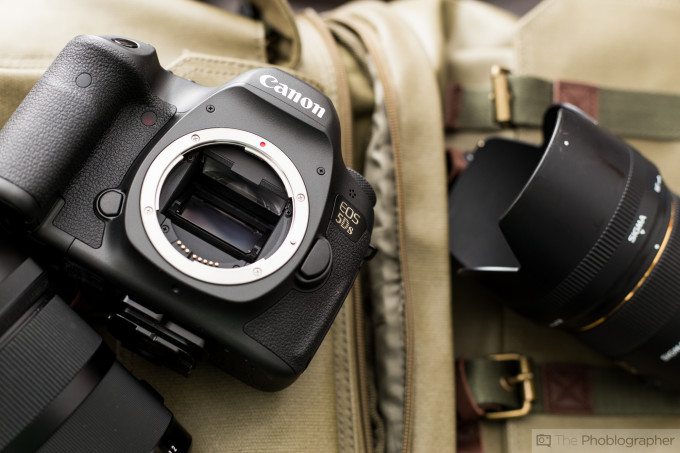
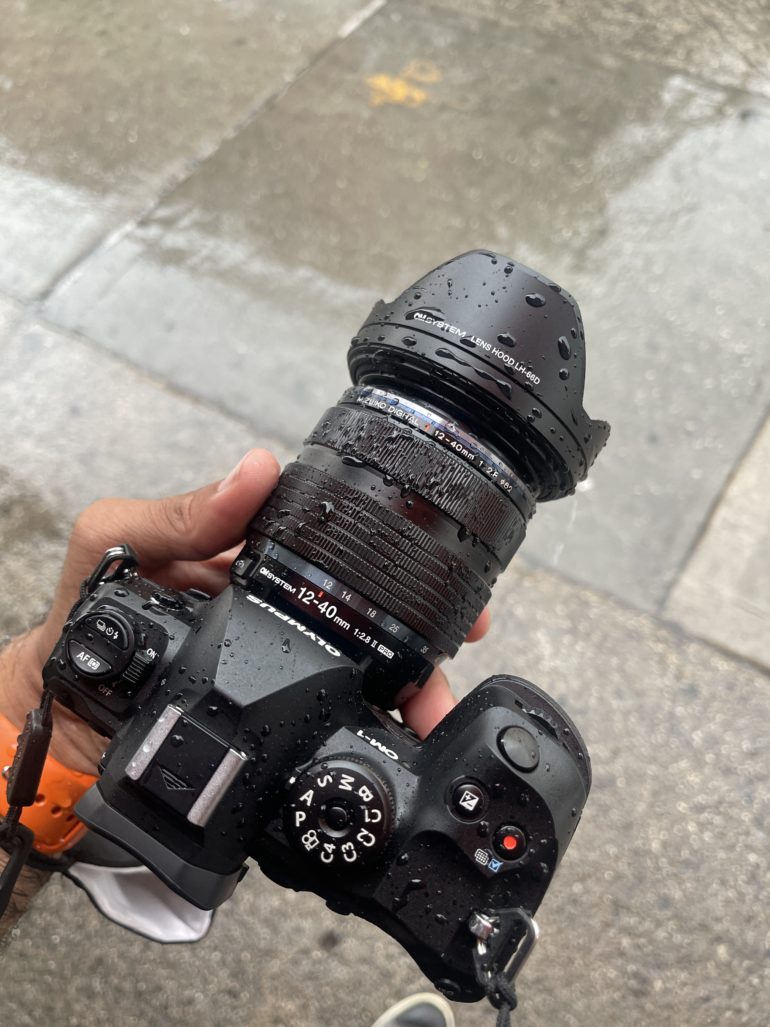
In the past few years, photographers have finally been understanding how important weather resistance is. Weather resistance in a camera often means that it will last a whole lot longer and is often better built to stand up to moisture and dust. The odd thing is that damage due to this isn’t covered by your warranty despite the brand using it in their marketing. Reasons like this are why the Phoblographer introduced the Photography Care Program as an insurance policy to take care of photographers at an affordable rate.
The Right a Camera Repair
404Media reports that Wisconsin became the last state in the union to introduce legislation to give consumers the right to repair. This has been hard fought by big tech lobbyists from Apple, Google, and others. Of course, states all have their own different laws. And those fights have been felt in places like New York — which passed Right to Repair but essentially nullified it and made it useless. In the camera world, repairing a camera has always been hard and weird to do.
Companies like Nippon Photo Clinic, Camera Doctor NYC, and Photo Tech will only do certain cameras. And their terms about being authorized repair spots are unclear at best. For much of the 2000s, those brands were indeed authorized locally here in NY. But that changed after a while as the manufacturers started to pull the authorizations. So, for several years, photographers have sent their cameras back to the manufacturers for repair instead. However, they only cover them for a few years at best. The Sony a7 original and Sony a7r III that I own could not be repaired by Sony today because they’d state that they’re not current products. It’s an odd statement that I’ve heard, considering that they still sell some of their older cameras as brand new and even have rebates on them.
Canon and Nikon would do similar things. Of course, you’d then need to upgrade and get their Professional Services options. However, that requires you to buy a certain number of cameras and lenses — and specific models as well. In some situations, Canon has even charged customers for repairs on lenses that had faulty issues.
Other brands often sometimes play questionable misinformation tactics, such as Fujifilm. The Fujifilm X Pro 3 has had many issues with the sub-monitor. When we first reported on the issue, my own camera didn’t have many problems. But after a while, it too caved the way that it did for other customers. At the time, Fujifilm said that the issue was limited. “Fujifilm is committed to providing creators with best-in-class service and technology when it comes to our digital cameras,” said Victor Ha, Senior Director of Marketing and Product Management, Electronic Imaging Division & Cinema and Broadcast Products, FUJIFILM North America Corporation in a statement previously. “The number of sub monitor and LCD repairs for the X-Pro 3 within Fujifilm’s camera repair center is limited. If users are experiencing this issue, they can reach out to our repair center here.” When we checked with Lensrentals, who repairs many of the products that they loan out, the rental house told us to that they have had more issues with the EVF.
Other brands have done this too, Nikon didn’t want to admit to problems with the D600 until a lawsuit changed things.
However, other companies like Leica still even cover much older cameras and offer to repair them. In 2014, the company was still repairing Leica M9s. And in recent years, they’ve been replacing the sensor altogether with a newer one.
If the Right to Repair passes, then all brands might need to find ways to service your cameras. But they could limit it based on what state your in, where you’ve registered it, etc. For example, you might need to send your camera to Pennsylvania to repair it if you can’t get it repaired in NYC. If the law passes at a federal level, then the brands will need to get it together a bit more. It could also mean a major shift in the consumer market. Instead of cameras ending up in landfills in pursuit of hyper-capitalism, you might be able to use the Canon 5D Mk II today with little to no issues.
Combining this with the trend of retro digital cameras making a comeback, it could mean that those cameras see yet another life. It would be even more fascinating if that came to film cameras. Nikon was actively working on the idea of a program to service older film cameras but pulled it. A rep working internally at Nikon at the time told us that it was due to them saying that the quality of the parts wouldn’t be the same. In the meantime, folks like those at Blue Moon Camera have been offering up repairs of several products.
Get rid of the ads!
Did you enjoy reading this article as much as we enjoyed writing it? There's a way to support us and our reporting, getting ad-free navigation and more as a bonus. Subscribe to us for less than a coffee per month —just $3.99— or take advantage of our yearly subscription with a hefty discount for only $25.- An ad-free experience
- A free mystery box for Lightroom or Capture One
- All the books in our store
- 20% discount on Capture One
- 30% discount on Imalume Photo Theft Protection
- 20% off Herbs and Kettle Tea Company.
- 20% off your order from MPIX printing services.