


While technology purists would argue that new is always better, there’s an entirely new movement embracing all things retro for the tech’s ability to live more in the moment. Old point-and-shoots on eBay are seeing a sales spike for the quirky old colors and, largely, for the ability to take photographs without being distracted by push notifications. But retro digital cameras aren’t only found in used condition. Camera manufacturers are embracing their roots and launching cameras with new digital guts but old souls, new technology wrapped up in bodies inspired by classic film cameras.
As a digital photographer who has dabbled in film, one of the reasons that I invested in my current camera kit is for the retro ergonomics. But, as retro continues to trend, more brands are jumping on board and embracing the look of old cameras. After all, the most well-known retro camera, the Fujifilm X100V, is going for exorbitant prices because its TikTok fame has made the camera impossible to find (one, but not the only reason that you won’t see the X100V on the list below). If you want to find a retro digital camera, trust professional photographers who are not afraid to tell you when a camera isn’t worth the hype.
Here are the retro digital cameras with an old look but new technology that are most worth considering today.
Table of Contents
Why You Should Trust Us
The Phoblographer has been doing real-world photography gear tests longer than any other photography publication currently run. We also have the largest database of real-world lens reviews, amongst other things like straps, camera bags, lights, accessories, and more. Here’s why that matters:
- AI Can’t Do This Job: These days, other publications do roundups, sometimes using generative AI. That’s the same as a person researching products and then making a decision without actually trying it. All of our reviews and guides are written not just by humans but by working photographers — not AI. Computers don’t use cameras, so why would you trust AI to recommend cameras for you?
- Research and Practical Experience: Here at the Phoblographer, humans consult on what roundups to do with guidance from an editor. Then, a human goes through our database of reviews and selects the best products based on our own internal research. The human creating the roundup has practical experience with photography gear and will apply their knowledge of what’s best to the already human-based experience provided in our reviews.
- We Block AI Bots: The Phoblographer blocks indexing bots from reading our site, so what’s here can only be read here.
How we Test and Choose the Best Retro Digital Cameras
- The Phoblographer’s various product round-up features are done in-house. Our philosophy is simple: you wouldn’t get a Wagyu beef steak review from a lifelong vegetarian. And you wouldn’t get photography advice from someone who doesn’t touch the product. We only recommend gear we’ve fully reviewed in these roundups.
- If you’re wondering why your favorite product didn’t make the cut, there’s a chance it’s on another list. If we haven’t reviewed it, we won’t recommend it. This method keeps our lists packed with industry-leading knowledge. Some of our stories include affiliate links. If you buy something through one of these links, we may earn an affiliate commission.
- When we test lenses, we’ve got various things in mind. First off, we consider who might want to buy the lens and what they might do with it. With that in mind, we try to tackle at least three genres of photography with that lens in a variety of situations. If the lens has weather resistance, then we’ll test it accordingly with a weather-resistant camera. We also test the autofocus of the lens in continuous mode, single mode, with exposure preview effects, without those effects, and then with all the major image quality parameters. These days, no one really makes a bad lens — but some are far better than others.
- In this specific roundup, we’re basing our findings on the reviews that we’ve done. We’re choosing a favorite, but we’re also giving photographers a bunch of others that they might like, depending on how they shoot.
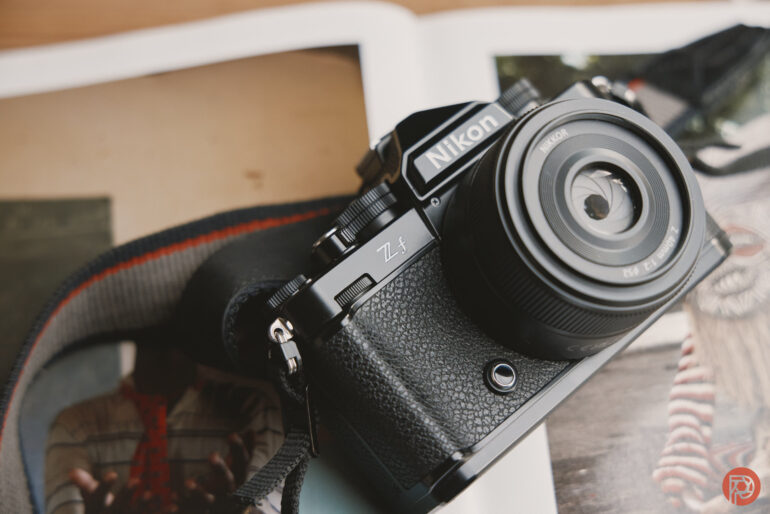
Our Choice Among the Best Retro Digital Cameras: The Nikon Zf

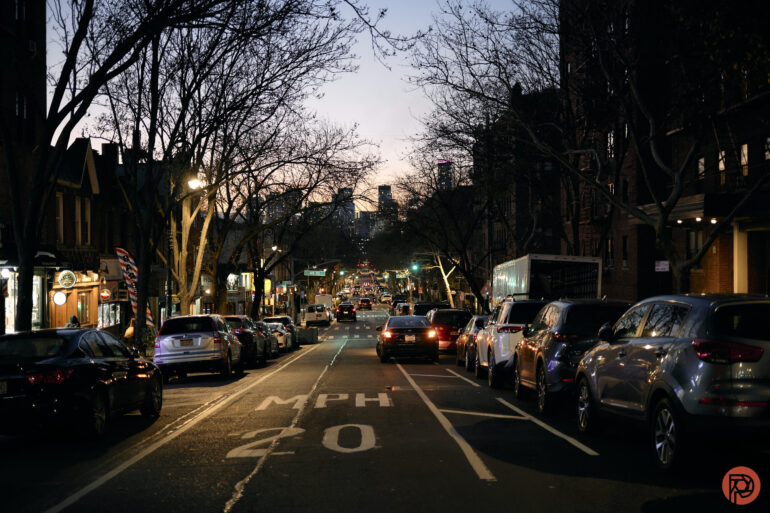
The retro ergonomics of the Nikon Zf made shooting with this mirrorless camera a true joy. The textured wrap and classically inspired dials also encompass a full-frame sensor, a rarity among cameras with a vintage look. But perhaps even more rare is an excellent autofocus system, along with great low-light image quality. The colors coming from this camera are nice as well. Plus, all those features are wrapped in a body that’s reasonably priced for a full-frame mirrorless.
In our Nikon Zf review, we state:
“There’s a lot to love about the Nikon Zf. We can talk about the image quality, then go into the retro ergonomics, and we can wax poetically for a long time about how the camera feels in your hand. It’s also very reliable to be able to do most of what you want. Of any Nikon camera you get, this might be the one that you adapt lenses onto the most. It’s a pleasurable experience that has to be experienced to be understood and that leaves you speechless because you’re in love with the camera each and every time you pick it up.”
Pros
- Exemplary high ISO output at 51,200.
- Fast autofocus
- This is the first camera that made using the touch screen to get the focusing point pretty simple when the camera is to my eye.
- Great for street photography with colors that make everyone fall in love with your images
- The best ergonomics I’ve ever felt on a Nikon camera
- Pretty affordable
Cons
- No sensor shield
- I still miss having a joystick or a D-pad that was shifted up higher.
- Autofocus with people of color in low light moving very quickly suffers.
- Image stabilization is good but still behind the Panasonic S5 II.








For Some Photographers, these Might be the Best Retro Digital Cameras
The Nikon Zf is, hands down, our favorite retro-inspired mirrorless camera. But it’s far from the only option in an industry that’s increasingly embracing the classic look. Leica and Fujifilm are two more key brands to consider when shopping for a digital camera with that coveted old-school exterior.
Fujifilm X Pro 3: A Truly Retro Viewfinder

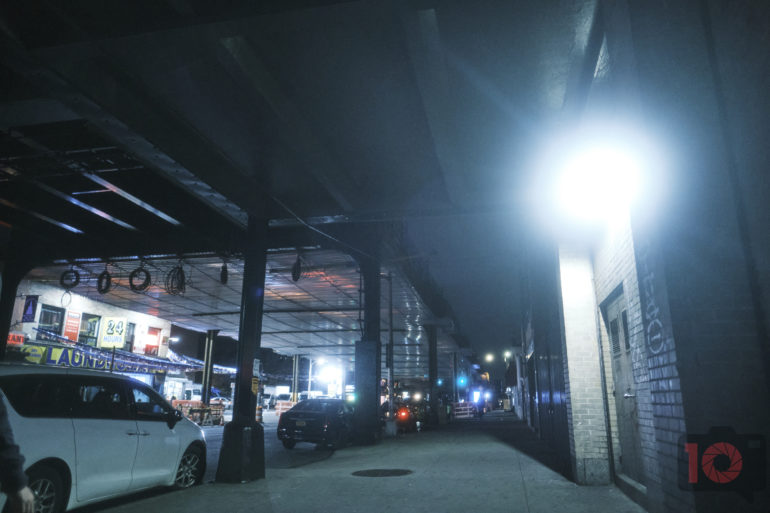
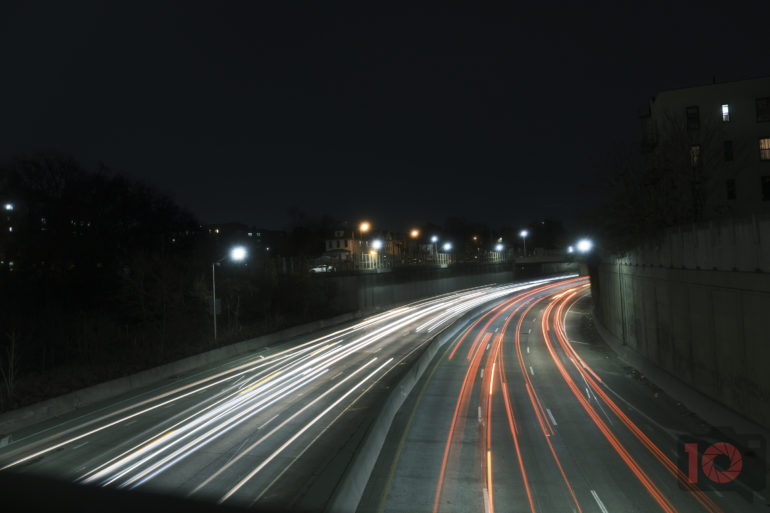
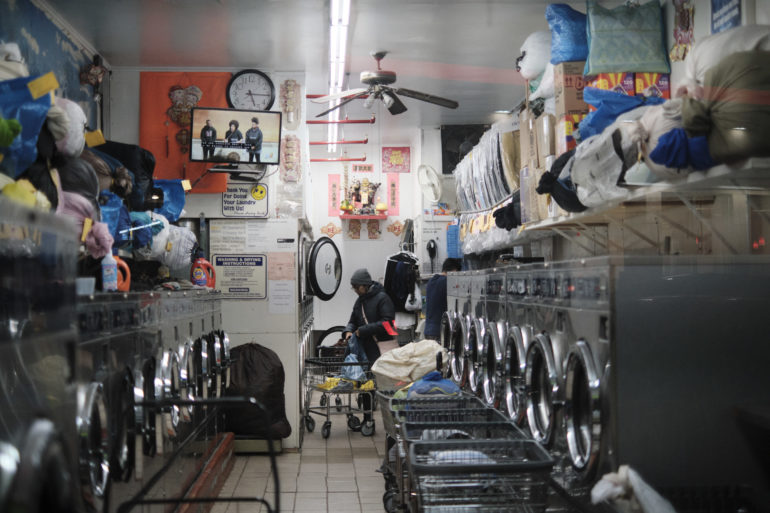
It’s hard to talk about retro-looking cameras without talking about Fujifilm, as the brand has been creating classically-inspired models since before retro was cool. While the Fujifilm X Pro 3 has been out for a few years now, it offers a truly classic experience in its rangefinder-style design and viewfinder. The Reverse Galilean viewfinder has a digital overlay to show how far you’re zoomed in, plus an autofocus overlay. It had the effect of slowing me down to put more thought into the composition, which I loved. Another rare feature is the E-Ink display built into the back that displays the film simulation mode that the camera is currently using, allowing you to hide the LCD and get the look of a film camera from all sides.
Note: The Phoblographer believes that full-frame sensors and larger ones offer the best image quality and are a more future-proof purchase. However, Fujifilm’s retro-styled APS-C cameras can be worth considering for their ergonomics and film simulations for photographers looking for a retro digital camera.
In our Fujifilm X-Pro 3 review, we state:
“You should think about the Fujifilm X Pro 3 as a tool for a photographer who wants to be present in the moment and doesn’t want to miss a thing that’s happening. I’ve been waiting for the Fujifilm X Pro 3 for a long time; I felt that the X Pro 2 was great but not ideal. When the X Pro 3 was announced, I joined others in reveling at how much of a slap in the face to the industry this camera really is. The hidden LCD screen means the photographer needs to look through the viewfinder or unfurl the LCD screen to shoot. When I walked around NYC with Fujifilm reps, they stated I was the only photographer to not use the LCD screen to shoot at all. And that’s what this is about. The desired effect of this keeping you in the zone while shooting is something the Fujifilm X Pro 3 does very well. The Fujifilm X Pro 3 will be the best camera for a certain type of photographer while others will gawk at it.”






Leica M11P: A Luxury Retro Camera
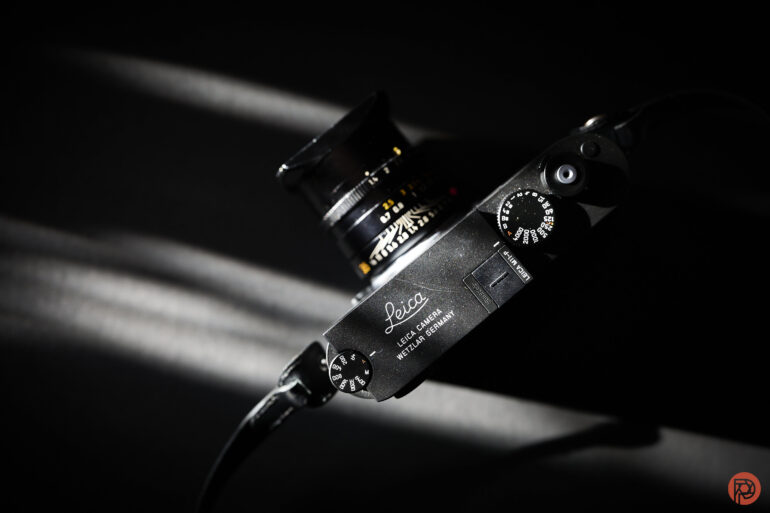
German camera manufacturer Leica creates arguably the most gorgeous retro-inspired cameras, particularly in the M line. The Leica M11P doesn’t just have the classic top dials and the sort of metal-last-forever build of many true retro (i.e. film) cameras. That luxury-build houses a lovely 60-megapixel full-frame sensor. Plus, most of Leica’s M lenses have a similar classic look, so there’s no need to pair a modern eyesore onto the front of a retro charmer here.
In our Leica M11P review, we said:
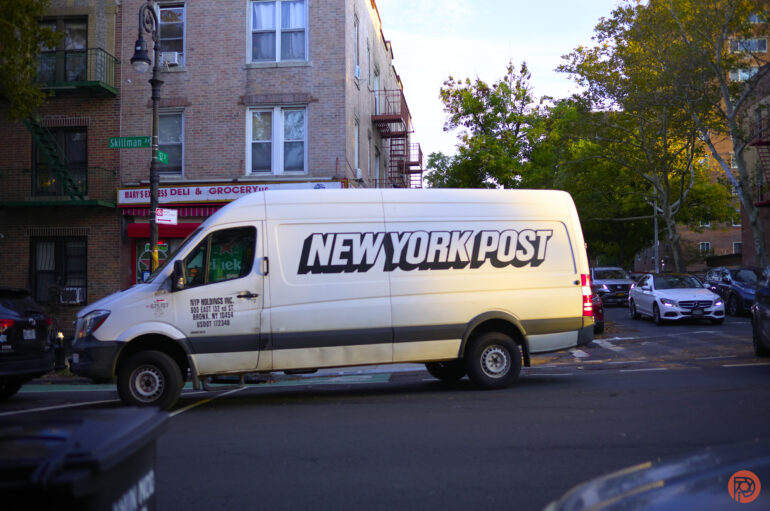
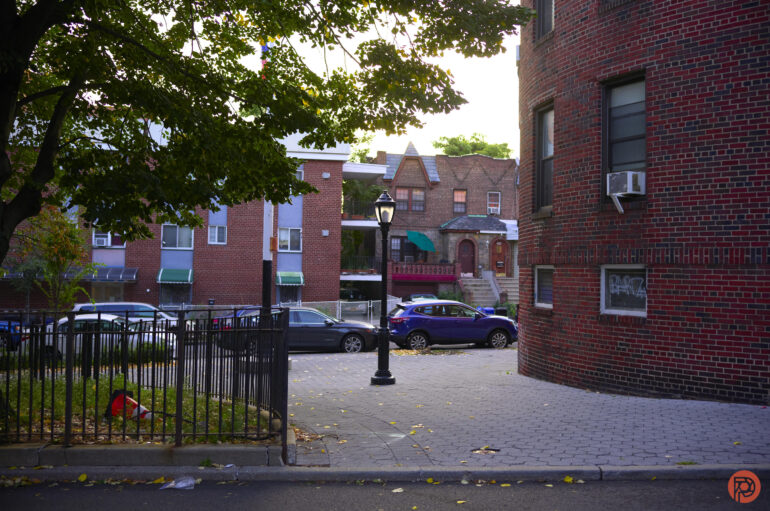
“The Leica M11-P is a beautiful camera in so many different ways. I spent my time with the black version — though Leica knows that I typically prefer a silver camera. It’s pretty much identical to the M11 when you hold it. I typically shoot with my Leica M6, and adore how that feels. But when I need autofocus, I reach for the Fujifilm X Pro 3. All of these cameras feel similar in their own ways. And the Leica M11P makes everything feel right at home.”




Fujifilm XT5: A Solid Retro Mirrorless
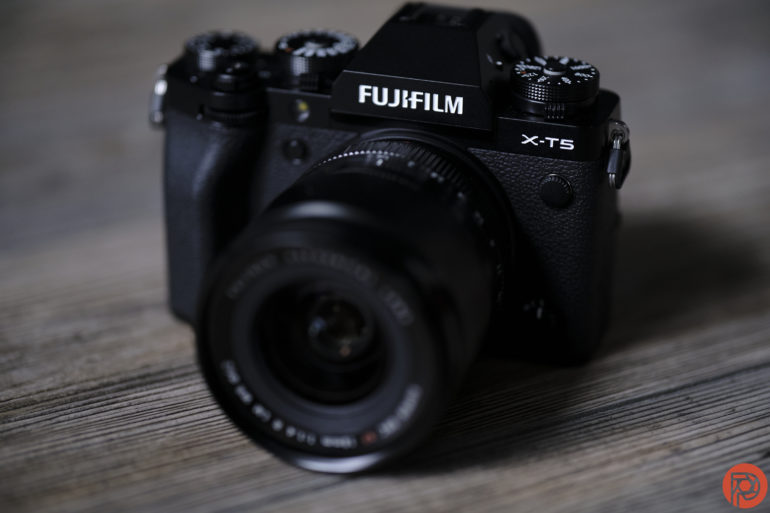
Fujifilm’s XT series is one of the most well-known retro-styled mirrorless cameras. The Fujifilm XT5 brings a 40-megapixel APS-C sensor to the line, continuing its reputation for beautiful colors and ergonomics. It also incorporates 7 stops of stabilization, something not found on the X Pro 3. But, the reason we listed the X Pro 3 higher in this list is that the XT5, at times, had more autofocus misses than the older XT4. For that reason, I decided not to upgrade, but those who don’t photograph fast action will likely find a lot to like about the XT5.
Note: The Phoblographer believes that full-frame sensors and larger ones offer the best image quality and are a more future-proof purchase. However, Fujifilm’s retro-styled APS-C cameras can be worth considering for their ergonomics and film simulations for photographers looking for a retro digital camera.
In our Fujifilm XT5 review, we said:
“Photos from the Fujifilm XT5 find a happy medium between technical greatness and character. The 40-megapixel sensor creates sharply detailed photos, yet the colors are still classic Fujifilm. An updated processor helps the added resolution not wreak havoc at high ISOs. And, with the right lens, it’s easy to make great bokeh and flare. That’s all packaged in a body with a classic look and feel that can withstand inclement weather.”





Fujifilm Instax Evo: Best Cheap Retro Digital Camera

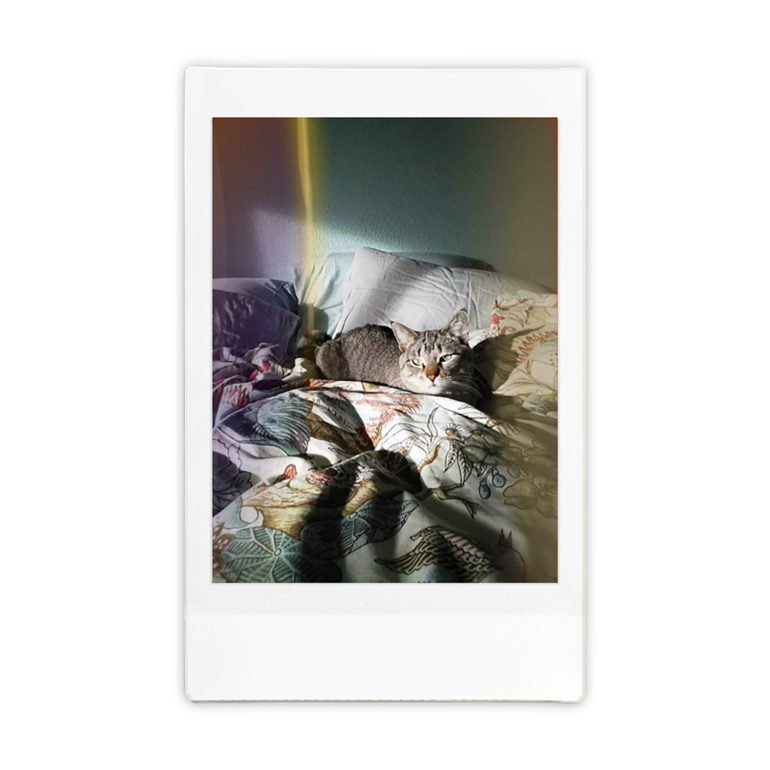
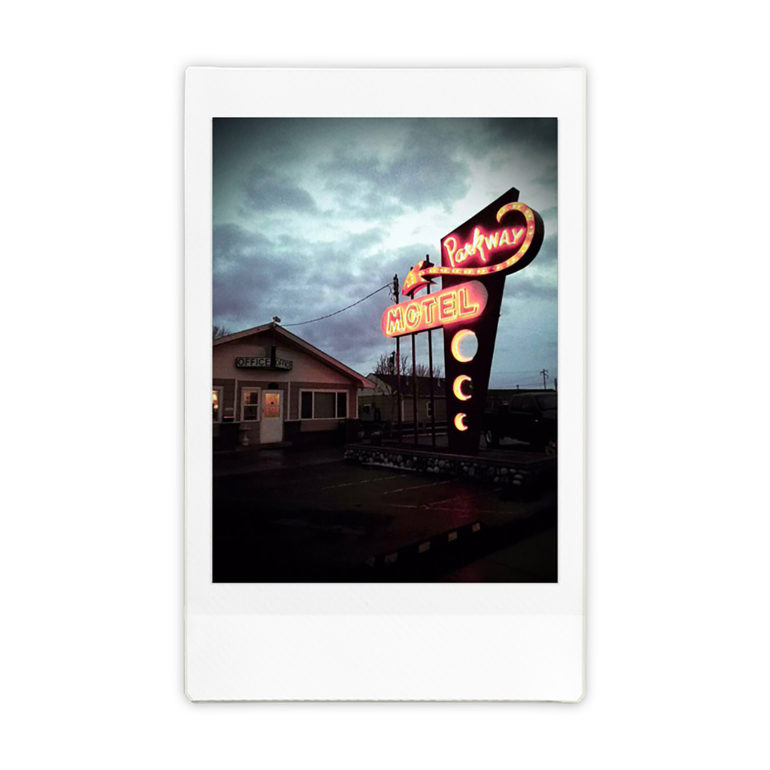
The cameras listed above are all retro-styled options for serious hobbyists and professionals. But, there’s another group of people looking for a retro digital camera: The younger generation buying old point-and-shoots on eBay for the quirky look and ability to stay in the moment without getting distracted by smartphone notifications. For that crowd, consider the Fujifilm Instax Mini Evo. The Evo is a digital point-and-shoot that prints out instant photos on real film. Plus, it has a lovely retro body with film simulation effects. The tiny digital sensor isn’t really good for much more than sharing on social media, and users should beware that many smartphones can actually take higher-quality images. But it’s an excellent choice for those browsing the single-megapixel old cameras on eBay.
Note: The Phoblographer believes that full-frame sensors and larger ones offer the best image quality and are a more future-proof purchase.
In our Instax Mini Evolution review, we said:
“Fujifilm has created another fun Instax Mini camera with a beautiful retro vibe. The camera has modern buttons that intuitively mimic those found on old-school film cameras. A smartphone app allows users to send digital versions of printed images with the Instax border to their phone. It also doubles as a smartphone printer. Photographers will enjoy the option to integrate this into their workflow. Users of all ages will appreciate the fun factor. It’s too bad the battery doesn’t last long because this camera is designed to be used all day.”



Using this Guide to the Best Retro Digital Cameras
If you’re considering purchasing anything from this list, consider the following:
- All the product images and sample photos in these roundups are shot by our staff. In fact, we don’t talk about products at length in roundups like this unless we’ve done full reviews of them. But you can surely know that we’ve done all the research ourselves.
- We’d never recommend a product to you that we haven’t tested or that we really didn’t like. You can reference our linked reviews, for more information on this.
Tips on Choosing the Best Retro Digital Cameras
While the retro look is trending, finding a camera with great performance inside that old-school design isn’t an easy feat. As you browse the different options, consider:
- What will you photograph the most? Our top pick, the Nikon Zf is our top pick specifically because it will do well in a lot of different genres, from low-light venues to portraits of active kids. But, if you photograph mostly landscapes and portraits, a fast autofocus isn’t as necessary, opening up a few more possibilities.
- Why do you want a retro digital camera in the first place? Think outside the latest trends and ask yourself if you’ll still be using this camera in five years. If you’re a true photography purist, the answer will be yes. If the answer is no, you may not want to spend as much on a fad that you’ll have moved on from in a few short years.
- How much retro do you want? The genre is a spectrum from models like the Panasonic S9 or Sony a7C II that have a textured wrap but all modern controls to the X Pro 3, which offers a truly retro viewfinder experience plus film-inspired dials and colors.
- Consider the available lens options as well. A more vintage-looking lens can complete the look, but the vintage design hasn’t been as well embraced among new lenses. That doesn’t mean a vintage-looking lens is impossible to find, however.
Picking the Right Retro Digital Camera for You
- What’s your budget?
- How will you use the product?
- What lighting situations are you in, and how will that affect what you’re doing? Our reviews hyperlinked in this article can help with that.
- Are you traveling a lot with it?
- Will you be using it in a situation that’s a bit rougher?
- Who else uses this product? How are they using it?
- What’s so appealing about this product that I can’t get from what I have already or something else?
- When will I really have time to use this product?
- Where will I bring this product?
- How will this product help bring me joy and joy in my photography?
Get rid of the ads!
Did you enjoy reading this article as much as we enjoyed writing it? There's a way to support us and our reporting, getting ad-free navigation and more as a bonus. Subscribe to us for less than a coffee per month —just $3.99— or take advantage of our yearly subscription with a hefty discount for only $25.- An ad-free experience
- A free mystery box for Lightroom or Capture One
- All the books in our store
- 20% discount on Capture One
- 30% discount on Imalume Photo Theft Protection
- 20% off Herbs and Kettle Tea Company.
- 20% off your order from MPIX printing services.
- 5% off Viltrox Products via their eCommerce store.
- 10% off all film developing, printing and scanning services from Blue Moon Camera and Machine
- 15% off 7Artisans products: The lens and accessory maker is offering a sweet discount for Phoblographer's readers.