


Sony has built a reputation for its high-speed performance and snappy autofocus, a combination that’s ideal for wildlife photographers. The perfect wildlife combo, however, marries both an excellent camera and stellar glass. The best Sony wildlife lens meshes a long reach, fast speed and durability to win over even the most demanding photographers.
Sony has a range of excellent telephoto glass for wildlife, while the E-Mount’s popularity opens up third-party possibilities as well. The Phoblographer has tested a number of E-Mount telephoto lenses on birds and wildlife — because nearly any lens can take a decent photo of something standing still, but fewer can capture action shots of far-off animals. These four Sony E-Mount optics stand out when it comes to photographing wildlife.
Don’t see exactly what you are looking for? Check out The Phoblographer’s complete list of reviewed Sony (and third-party) E-Mount lenses.
Table of Contents
WHY YOU SHOULD TRUST US

The Phoblographer has been doing real-world photography gear tests longer than any other photography publication currently run. We also have the largest database of real-world lens reviews, amongst other things like straps, camera bags, lights, accessories, and more. Here’s why that matters:
- AI Can’t Do This Job: These days, other publications do roundups, sometimes using generative AI. That’s the same as a person researching products and then making a decision without actually trying it. All of our reviews and guides are written not just by humans but by working photographers — not AI. Computers don’t use cameras, so why would you trust AI to recommend cameras for you?
- Research and Practical Experience: Here at the Phoblographer, humans consult on what roundups to do with guidance from an editor. Then, a human goes through our database of reviews and selects the best products based on our own internal research. The human creating the roundup has practical experience with photography gear and will apply their knowledge of what’s best to the already human-based experience provided in our reviews.
- We Block AI Bots: The Phoblographer blocks indexing bots from reading our site, so what’s here can only be read here.
How we Test and Choose the Best Sony Wildlife Lens
- The Phoblographer’s various product round-up features are done in-house. Our philosophy is simple: you wouldn’t get a Wagyu beef steak review from a lifelong vegetarian. And you wouldn’t get photography advice from someone who doesn’t touch the product. We only recommend gear we’ve fully reviewed in these roundups.
- If you’re wondering why your favorite product didn’t make the cut, there’s a chance it’s on another list. If we haven’t reviewed it, we won’t recommend it. This method keeps our lists packed with industry-leading knowledge. Some of our stories include affiliate links. If you buy something through one of these links, we may earn an affiliate commission.
- When we test lenses, we’ve got various things in mind. First off, we consider who might want to buy the lens and what they might do with it. With that in mind, we try to tackle at least three genres of photography with that lens in a variety of situations. If the lens has weather resistance, then we’ll test it accordingly with a weather-resistant camera. We also test the autofocus of the lens in continuous mode, single mode, with exposure preview effects, without those effects, and then with all the major image quality parameters. These days, no one really makes a bad lens — but some are far better than others.
- In this specific roundup, we’re basing our findings on the reviews that we’ve done. We’re choosing a favorite, but we’re also giving photographers a bunch of others that they might like, depending on how they shoot.
Our Choice Among the Best Sony Wildlife Lens: Sony 200-600mm f5.6-6.3 G OSS
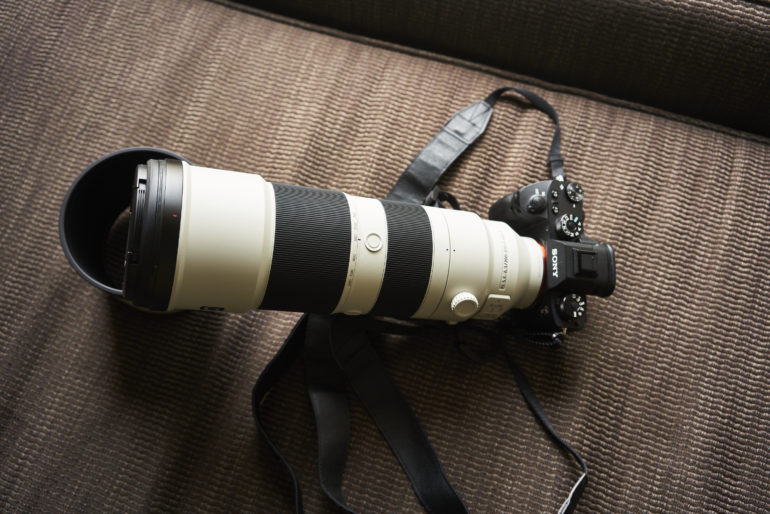
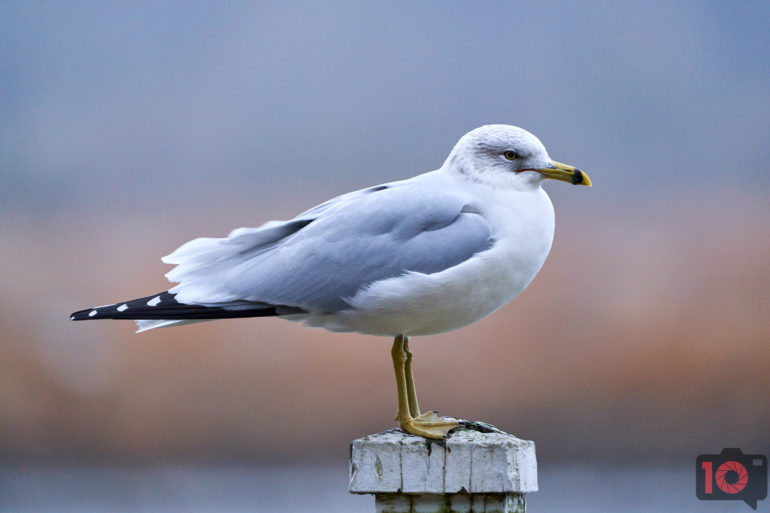
Choosing a Sony wildlife lens is a balancing act between telephoto reach, portability, durability, autofocus and cost. The Sony 200-600mm achieves the mix that’s ideal for most wildlife photographers. the 200-600mm offers a long reach, with the versatility to back off a closer animal, or simply to avoid attempting to spot a bird in the viewfinder when fully zoomed at 600mm. While the lens is still more than 4.5 pounds, it’s rather compact considering the long 600mm reach. There may be some occasions, particularly in limited light where that variable f5.6-6.3 is a challenge, but in good light, the lens delivers tack sharp images and excellent color. While the lens is a few years old now, the only complaint we had about the autofocus system was a slight drop in limited light.
In our Sony 200-600mm review, we state:
The Sony 200-600mm f5.6-6.3 G OSS Super Telephoto combines snappy and precise autofocusing performance, robust build quality, and stellar image quality into a superb lens that is worthy of being added to any sports and wildlife photographer’s arsenal. The fact that Sony was able to keep it relatively lightweight and compact just adds to its versatility. We can’t help but wonder if a G Master version of the same lens is on the horizon though. A 200-600mm sporting constant maximum aperture that’s brighter at f4 or, dare I say, f2.8, would surely alleviate the low light performance degradation that we experienced with the Sony 200-600mm f5.6-6.3 G OSS. Obviously, this tradeoff to having a brighter & constant maximum aperture means that there will undoubtedly be an increase in weight and size. There will surely be a price premium as well. As it stands though, for Sony Full Frame Mirrorless shooter specializing in sports and wildlife photography, you will definitely want to get your hands on the Sony 200-600mm f5.6-6.3 G OSS.
Sony 200-600mm f5.6-6.3 G OSS Pros and Cons
PROS
- Well constructed
- Relative compact & lightweight for a super-telephoto
- Sturdily built
- Excellent autofocus performance
- Superb image quality
CONS
- Maximum aperture is variable
- Maximum aperture could also be brighter
- Low light performance could be improved
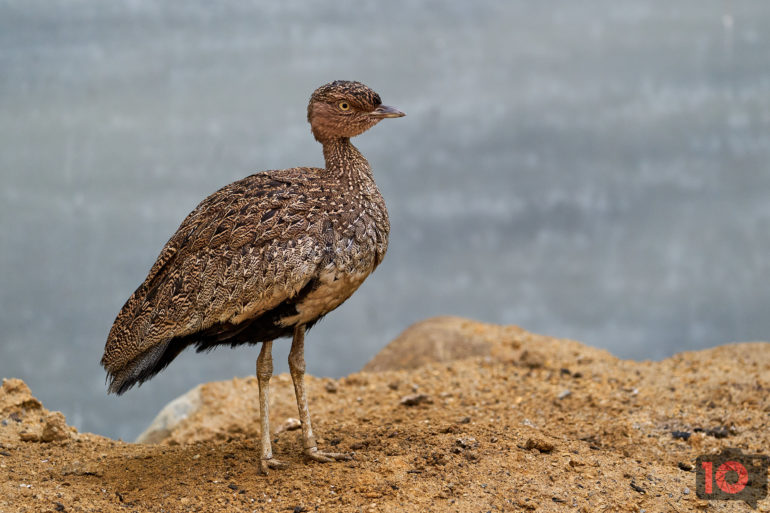
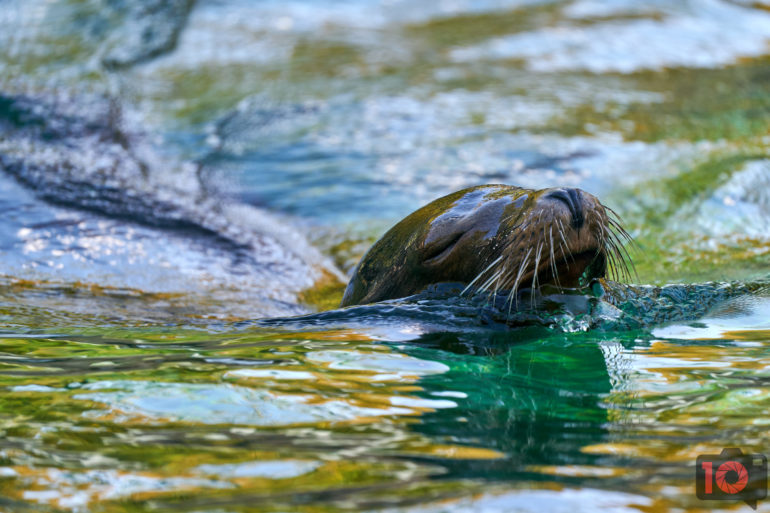
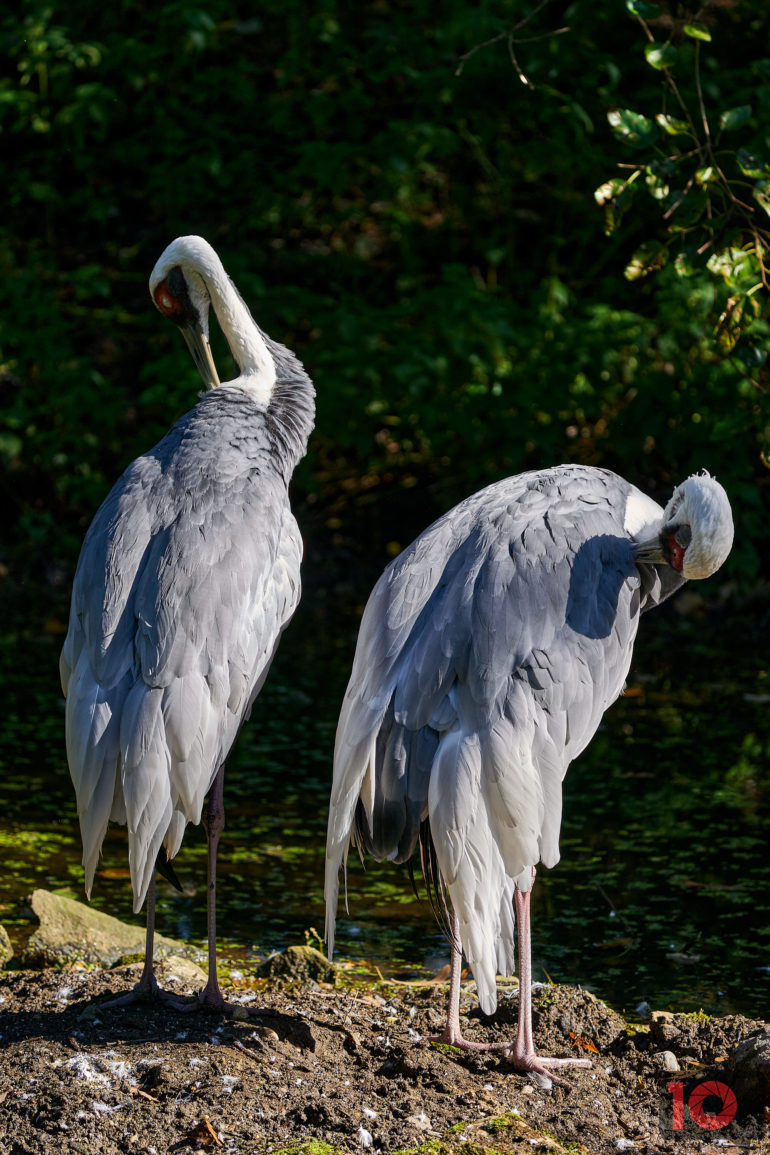
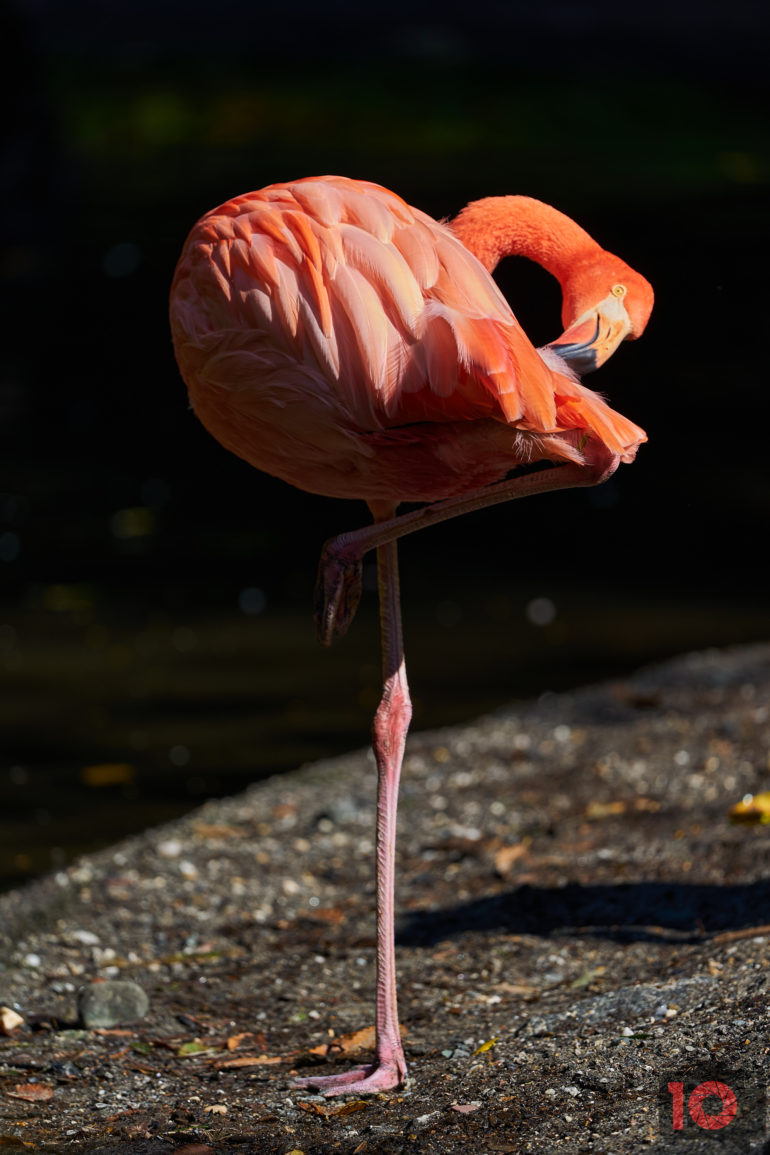
For Some Photographers, these Might be the Best Sony Wildlife Lens
While the Sony 200-600mm f5.6-6.3 strikes an ideal balance between versatility and portability, it’s less ideal for low-light shooting scenarios. For that, Sony’s prime lenses really shine. And for those who find the 200-600mm too steeply-priced, Tamron has an excellent versatile zoom for budget E-Mount wildlife photography.
Sony 400mm f2.8 G Master: Best prime Sony wildlife lens
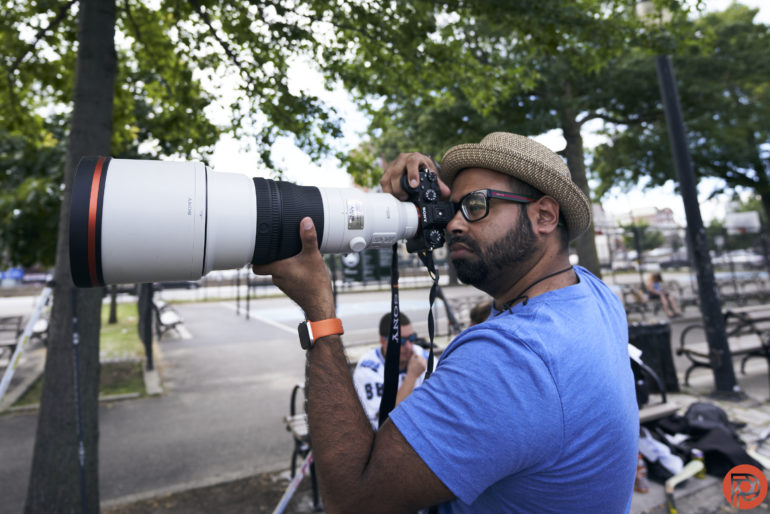
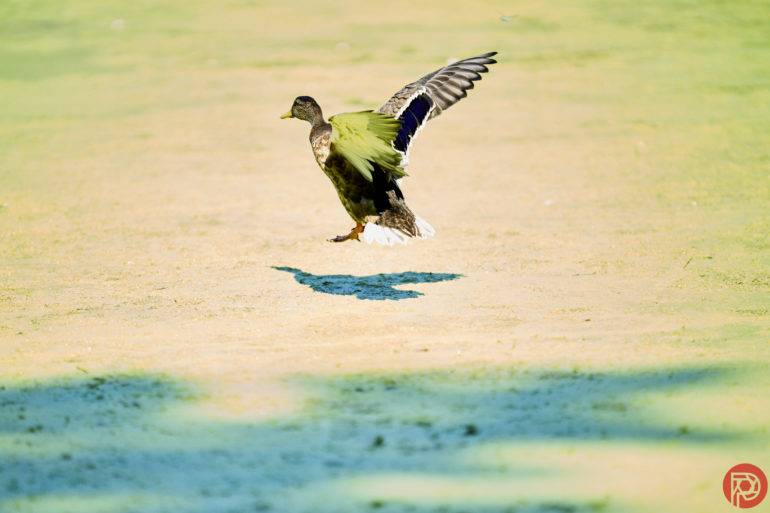
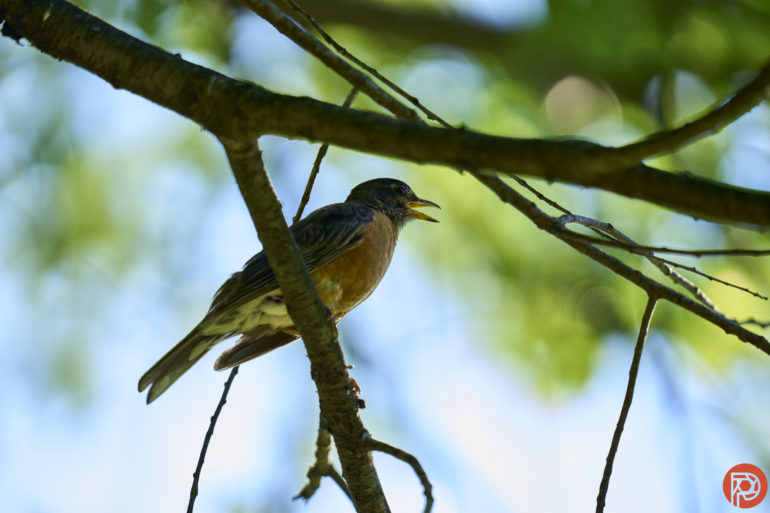
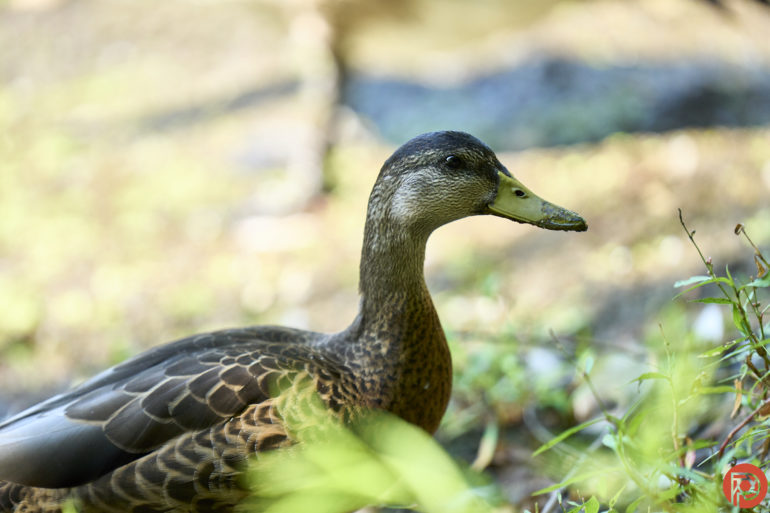
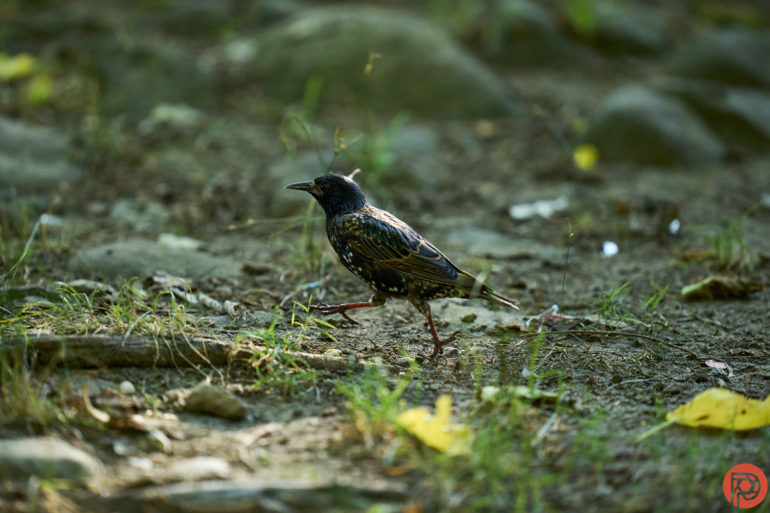
Beautiful image quality and fast autofocus earned the Sony 400mm f2.8 G Master an Editor’s Choice Award. The autofocus was able to keep up with sports as well as birds, delivering some exceptionally sharp images with the dreamy bokeh that’s possible with a super telephoto f2.8 lens. The punchy colors coming from this lens also work well for wildlife photography. And, as a G Master lens, it’s weather-sealed to continue shooting in rainy or dusty conditions.
In our Sony 400mm f2.8 review, we state:
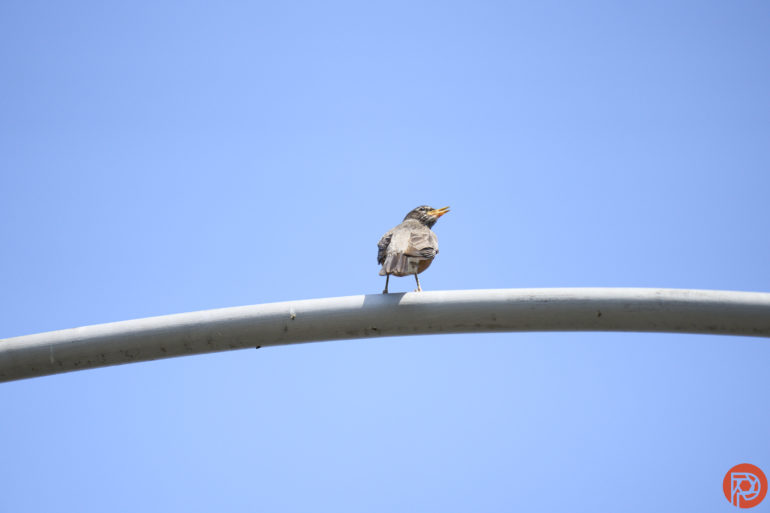
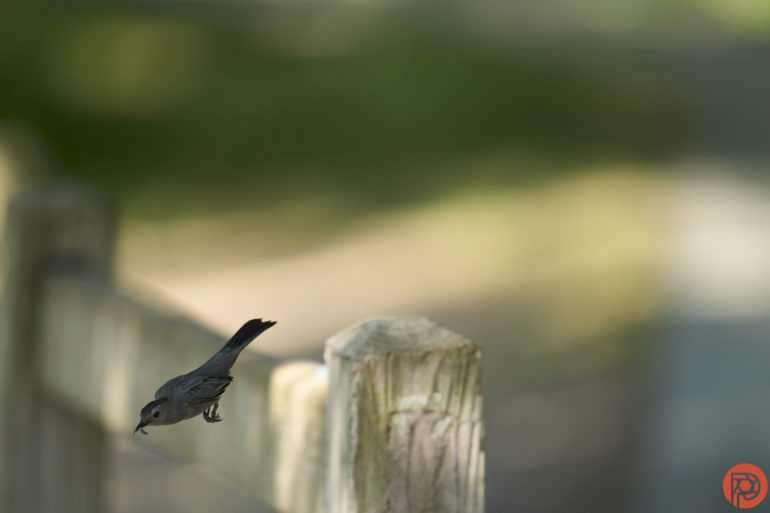
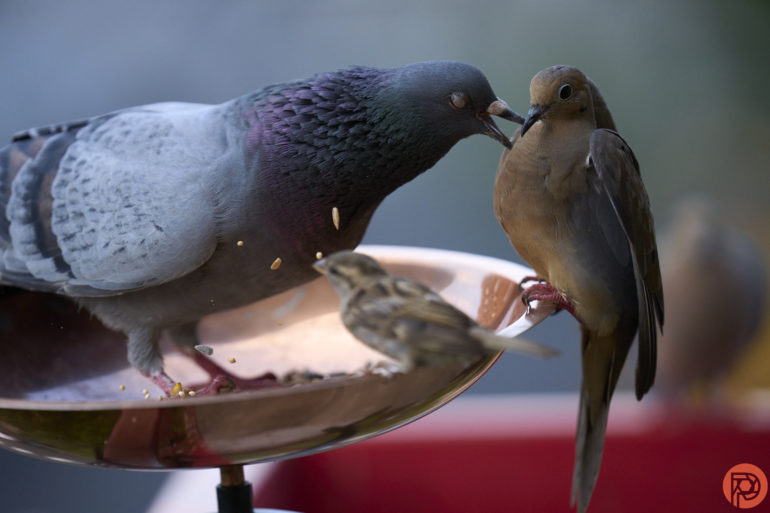
The Sony 400mm f2.8 G Master is a holistically fantastic lens. It’s amazingly lightweight, fast to focus, and incredibly versatile. Sports photographers will be able to use it with a variety of cameras and get the shots they want. We used it with both the Sony a1 and Sony a7r III and captured photos we were in love with. What’s more, wildlife photographers will never want to put this lens down. We shot a bunch of photos of birds going about their daily lives using this lens. Frankly, we captured some of the most amazing moments we’ve shot with this lens. Unless you’re not nailing the autofocus, it’s pretty hard to take a bad photo.


Sony 600mm f4 G OSS: A splurge choice for E-Mount wildlife
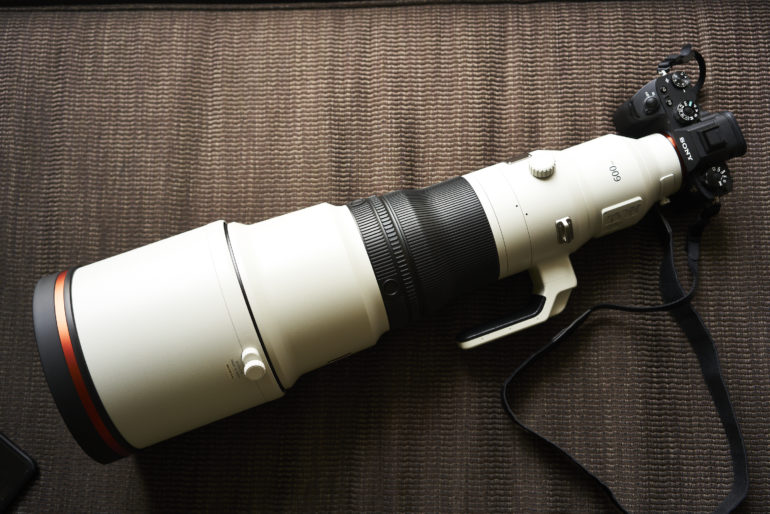
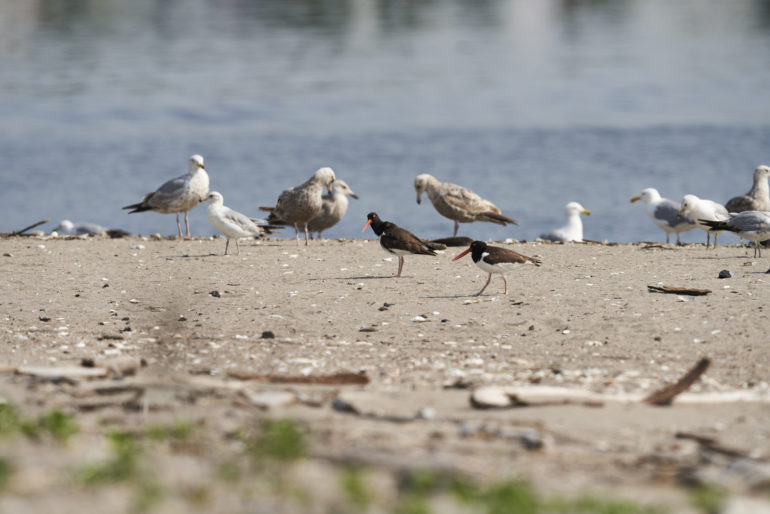
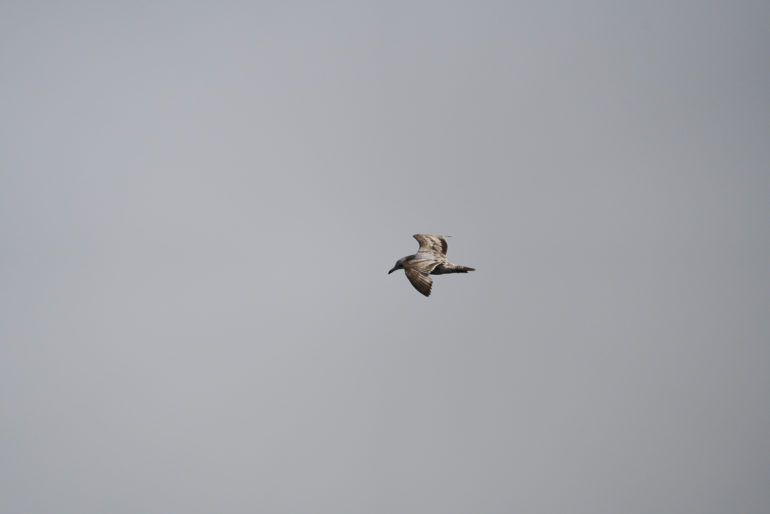
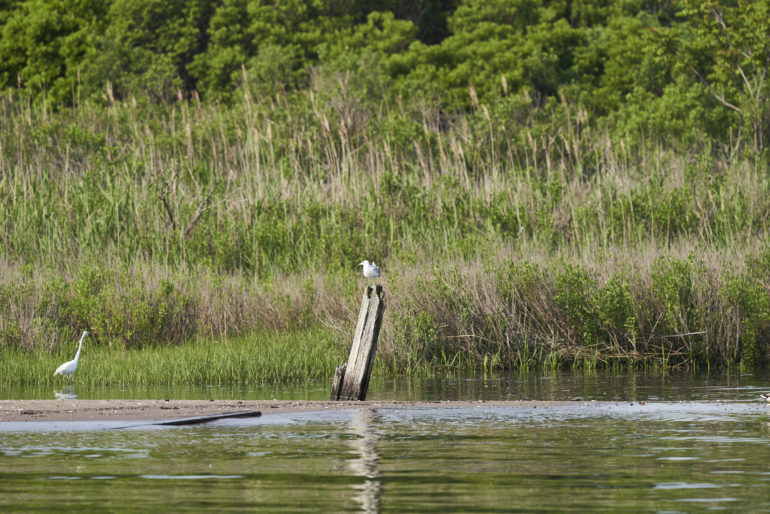
There’s little to complain about with the Sony 600mm f4 G OSS, except for that $13,000 price point and the size that’s expected for 600mm of reach. The lens is a beautiful prime capable of capturing tack-sharp subjects on nicely blurred backgrounds. The autofocus performed beautifully when mounted on the Sony a9 for both sports and wildlife.
In our Sony 600mm f4 review, we said:
There isn’t much at all to hate about the Sony 600mm f4 G Master OSS. It’s a more travel-friendly alternative to many competitors from DSLR cameras on the market. It’s also able to use Sony’s fantastic autofocus system to capture subjects moving quickly. While doing that, it’s capable of resolving a heck of a lot of detail. By all means, the Sony 600mm f4 G Master OSS is a no-compromise lens. Our beef with the lens is the size, but that’s very personal, and I completely understand how and why it needs to be like this.

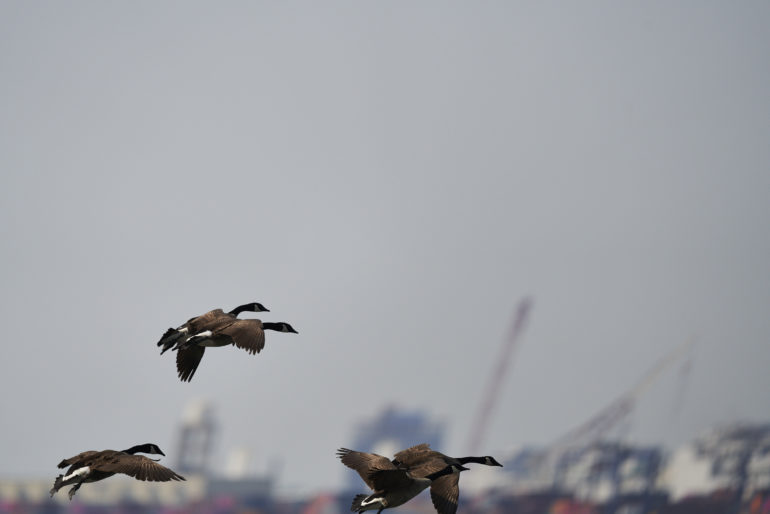

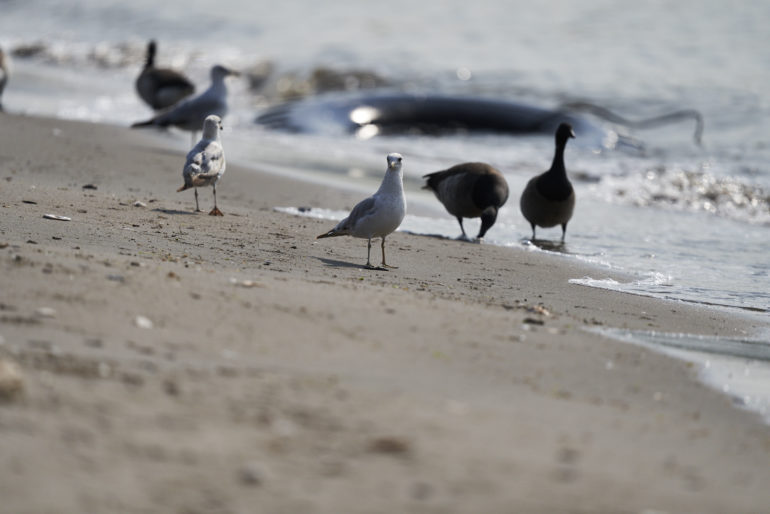
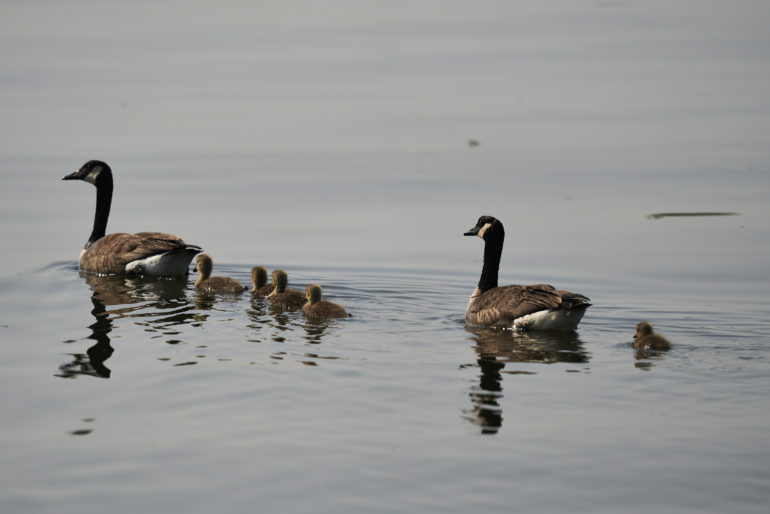
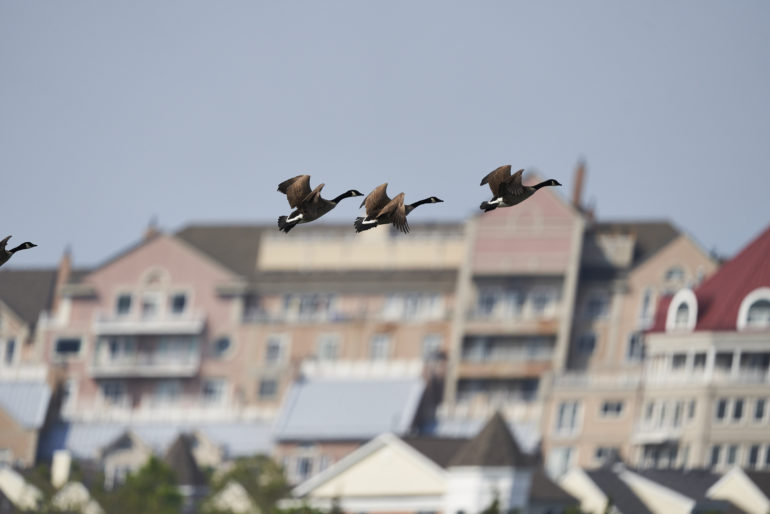
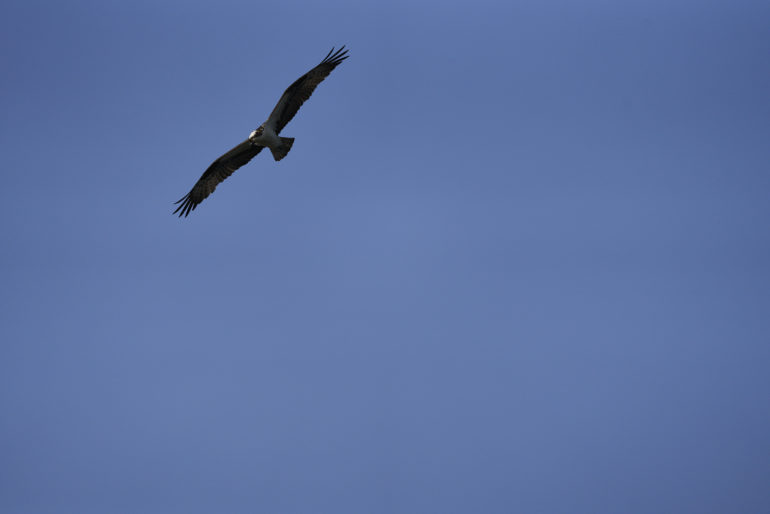

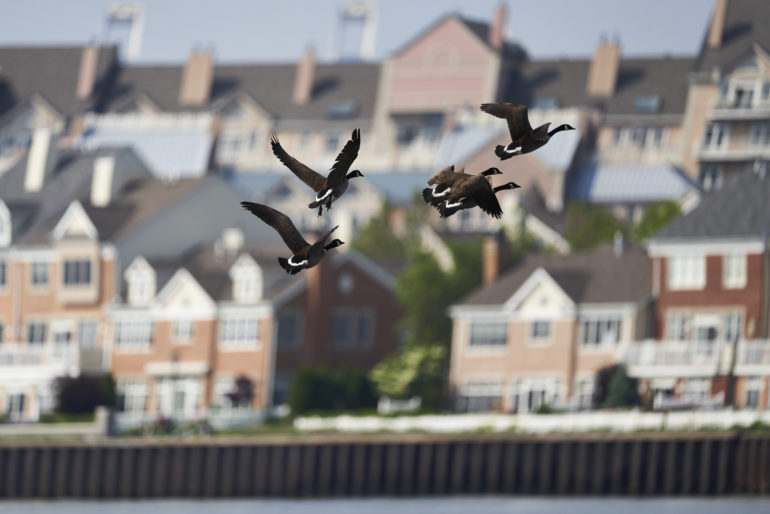
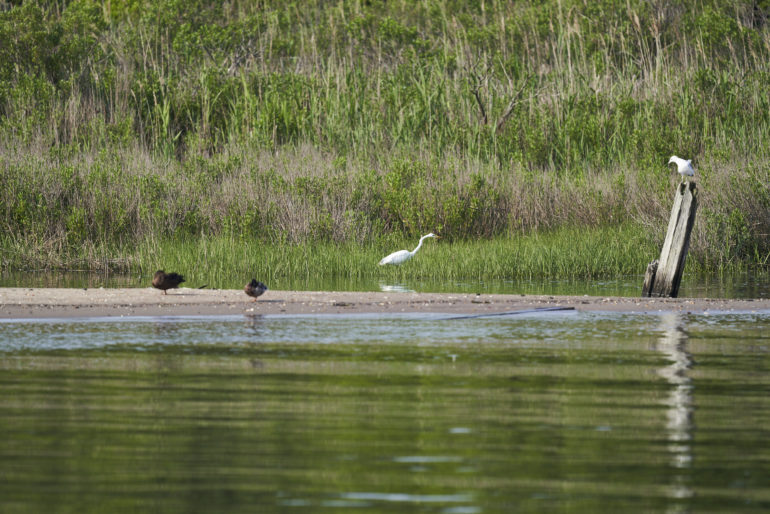
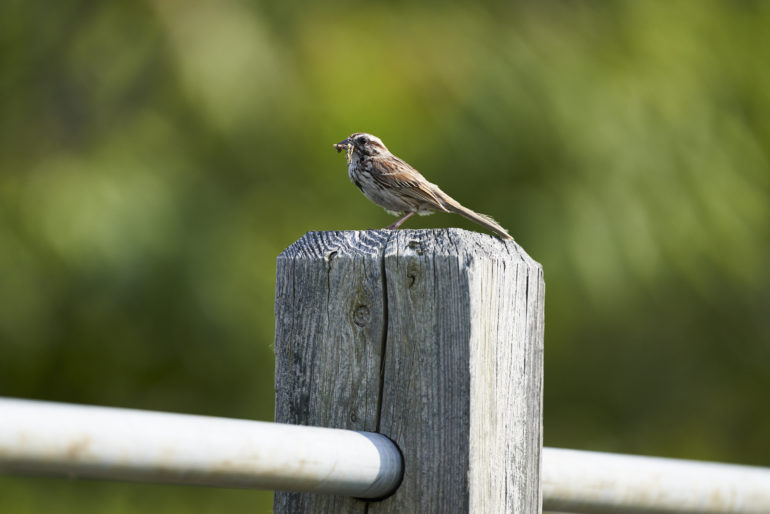
Tamron 150-500mm f5-6.7 Di III VC VXD: Best budget Sony Wildlife lens
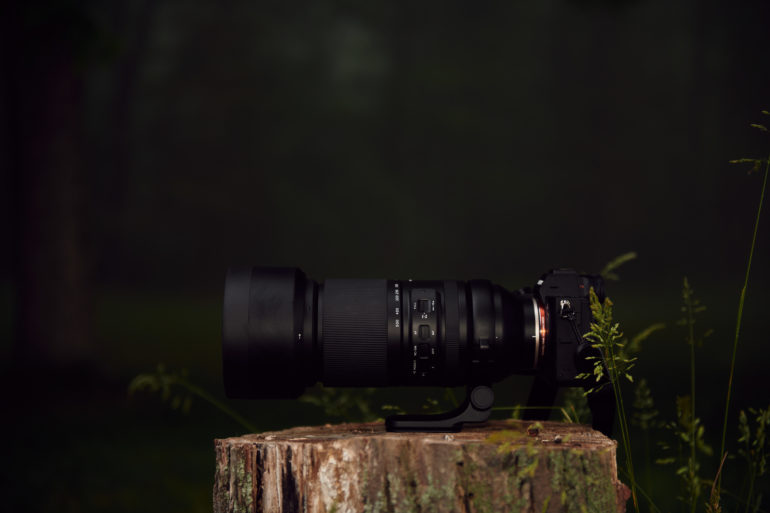
The speed and reach required in the wildlife genre makes finding an affordable lens a major challenge. But, the Tamron 150-500mm f5-6.7 Di III VC VXD offers excellent reach in a reasonably sized lens for just under $1,500. There are a few compromises over our top picks, chief among these being some softness to the edges of the image. Tarmon is one of the best third-party brands for maintaining autofocus speeds on a Sony body, but the miss rate was slightly higher than pricier, wider-aperture Sony lenses.
In our Tamron 150-500mm review, we said:
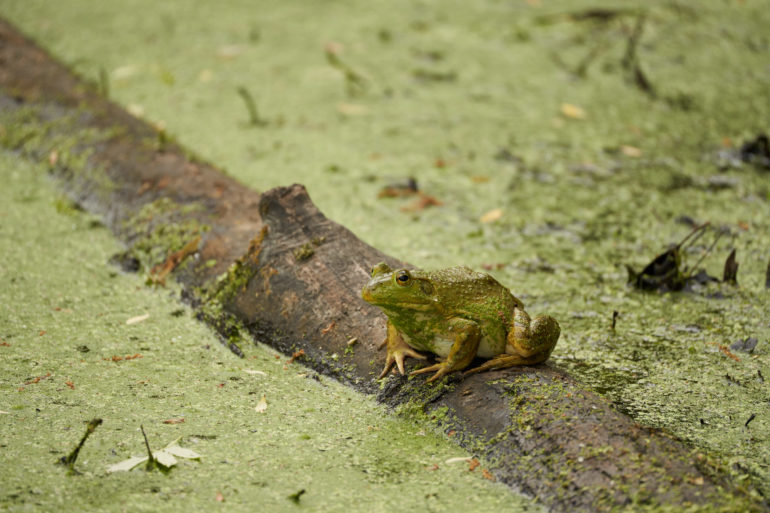
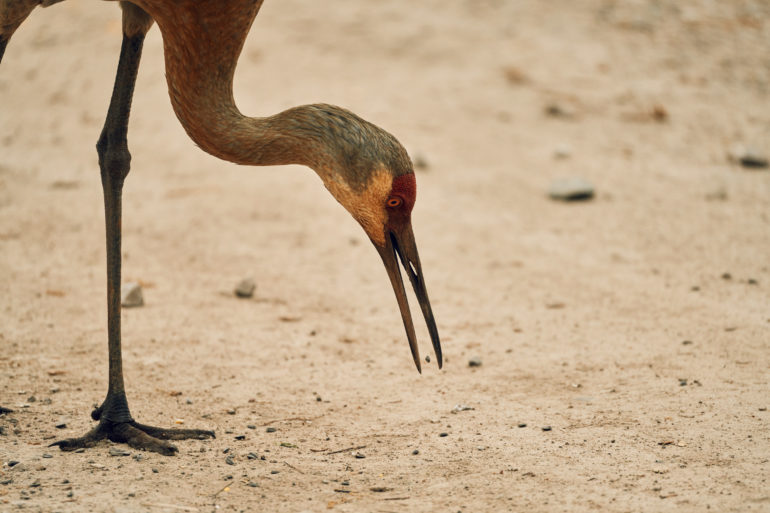
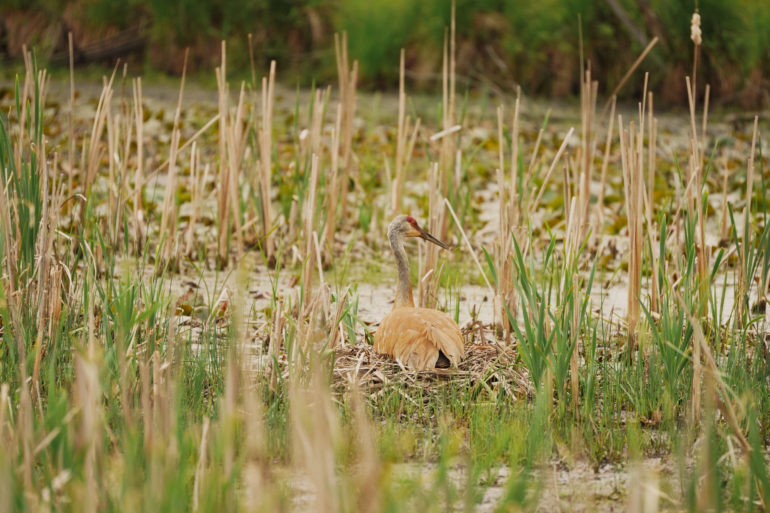
A 500mm lens captures photos that smaller lenses simply don’t. The Tamron 150-500mm f5-6.7 Di III VC VXD has great reach. And while heavy, it’s not too heavy to wield without a tripod, thanks to stabilization. Despite making a big zoom compact, the lens does a good job of managing distortion and aberration. The center is sharp, and the colors are great. The long focal length and close focusing capabilities can still produce some good background separation.

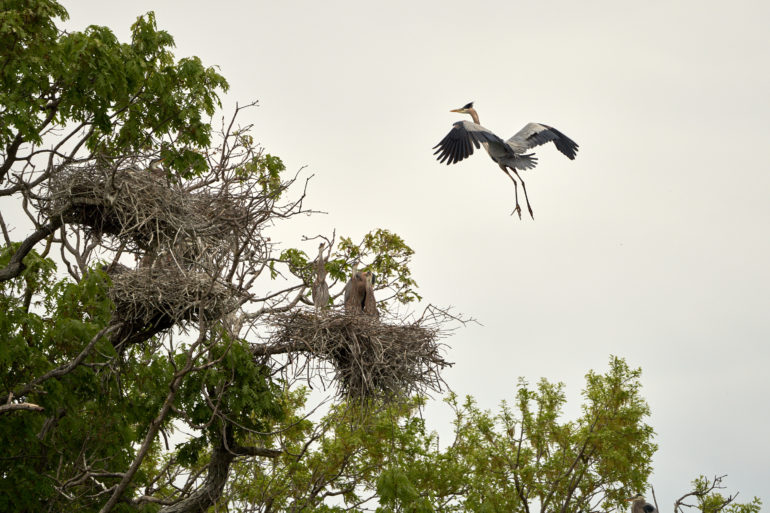
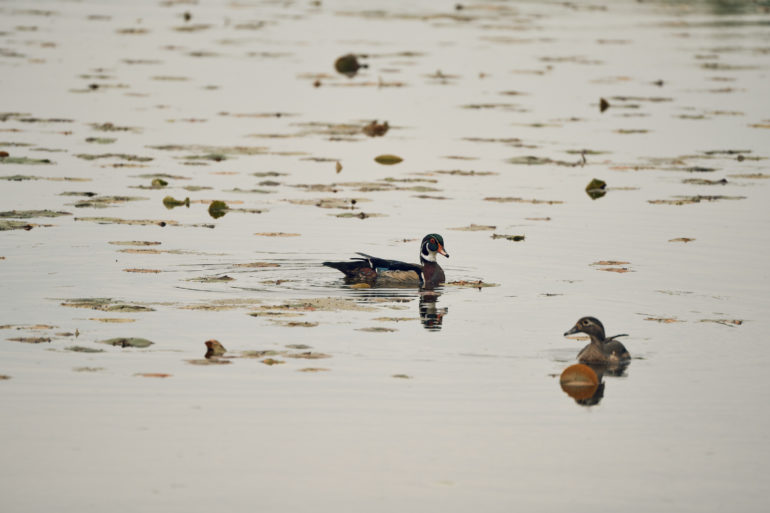
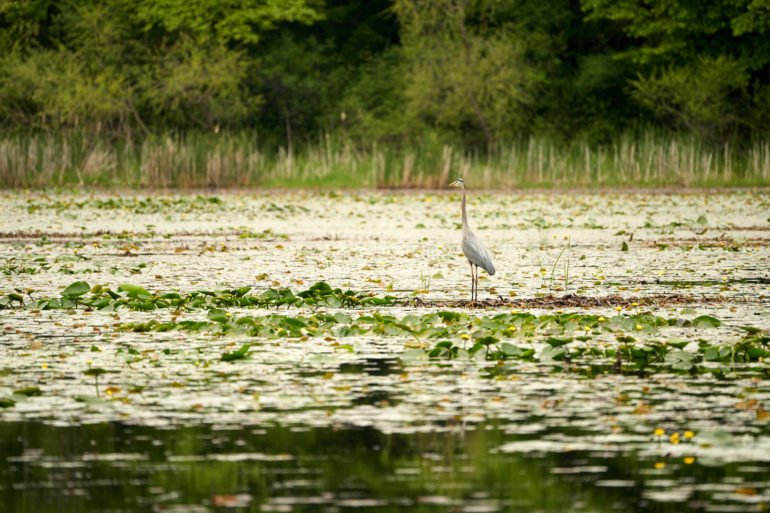
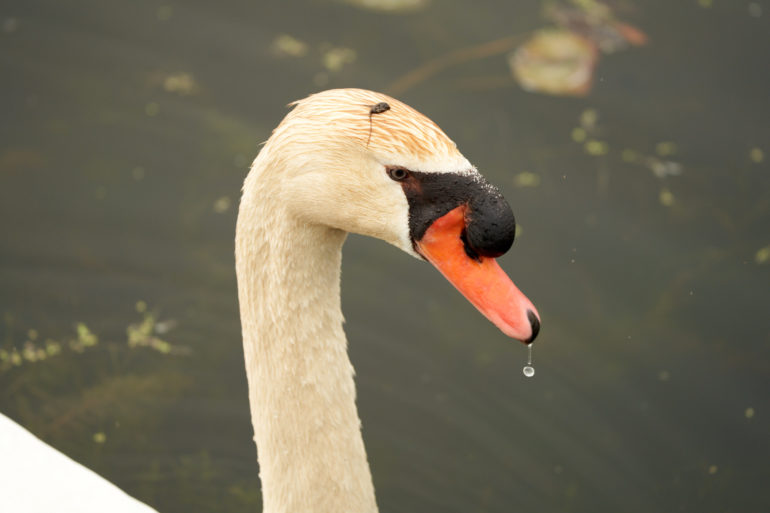
Using this Guide to the Best Sony Wildlife Lens
If you’re considering purchasing anything from this list, consider the following:
- All the product images and sample photos in these roundups are shot by our staff. In fact, we don’t talk about products at length in roundups like this unless we’ve done full reviews of them. But you can surely know that we’ve done all the research ourselves.
- We’d never recommend a product to you that we haven’t tested or that we really didn’t like. You can reference our linked reviews, for more information on this.
Tips on Choosing the Best Sony Wildlife Lens

Alongside sports, wildlife is one of the more demanding genres of photography. That makes your choice of gear even more essential to getting the shot. As you consider the different E-Mount options, consider these tips.
- Your shooting style should influence your choice of lens. If you prefer to sit in a blind and wait, then you can get a good tripod and the size of the lens is less essential. If you like to hike or travel for wildlife photography, however, size and weight jumps up the priority list.
- New wildlife photographers often underestimate the reach that they need. For animals where feeding is both legal and ethical, like a backyard bird feeder, a 300mm focal length is enough to get in close. But, for more skittish wildlife, a longer reach is going to play a big role in whether or not you get the shot you were envisioning.
- Sure, you can get nice photos of birds on a branch, but often the most interesting wildlife shot shows the animal in action, For that, you’ll want a lens that offers excellent autofocus speed.
- Using the autofocus limiter switch on a telephoto lens can help the lens focus on that quick-moving animal faster. But, forget its on, and it can mean missing a shot that was outside that range.
- Even if you don’t want to head out in the rain, a weather-sealed lens will help keep your camera sensor and optics clean of dust, which is particularly important when shooting on windy days or in areas with lots of sand, such as beaches and deserts.
- The lenses in this list are all full-frame E-Mount optics. That means that work for Sony’s full-frame cameras, but they also work for the brand’s APS-C sensors as well, like the a6000-series. On an APS-C sensor camera, these lenses will be cropped in even closer, which may not be a good thing in every genre but typically is for wildlife.
Picking the right Sony Wildlife Lens for you
- What’s your budget?
- How will you use the product?
- What lighting situations are you in, and how will that affect what you’re doing? Our reviews hyperlinked in this article can help with that.
- Are you traveling a lot with it?
- Will you be using it in a situation that’s a bit rougher?
- Who else uses this product? How are they using it?
- What’s so appealing about this product that I can’t get from what I have already or something else?
- When will I really have time to use this product?
- Where will I bring this product?
- How will this product help bring me joy and joy in my photography?
Get rid of the ads!
Did you enjoy reading this article as much as we enjoyed writing it? There's a way to support us and our reporting, getting ad-free navigation and more as a bonus. Subscribe to us for less than a coffee per month —just $3.99— or take advantage of our yearly subscription with a hefty discount for only $25.- An ad-free experience
- A free mystery box for Lightroom or Capture One
- All the books in our store
- 20% discount on Capture One
- 30% discount on Imalume Photo Theft Protection
- 20% off Herbs and Kettle Tea Company.
- 20% off your order from MPIX printing services.
- 5% off Viltrox Products via their eCommerce store.
- 10% off all film developing, printing and scanning services from Blue Moon Camera and Machine
- 15% off 7Artisans products: The lens and accessory maker is offering a sweet discount for Phoblographer's readers.