

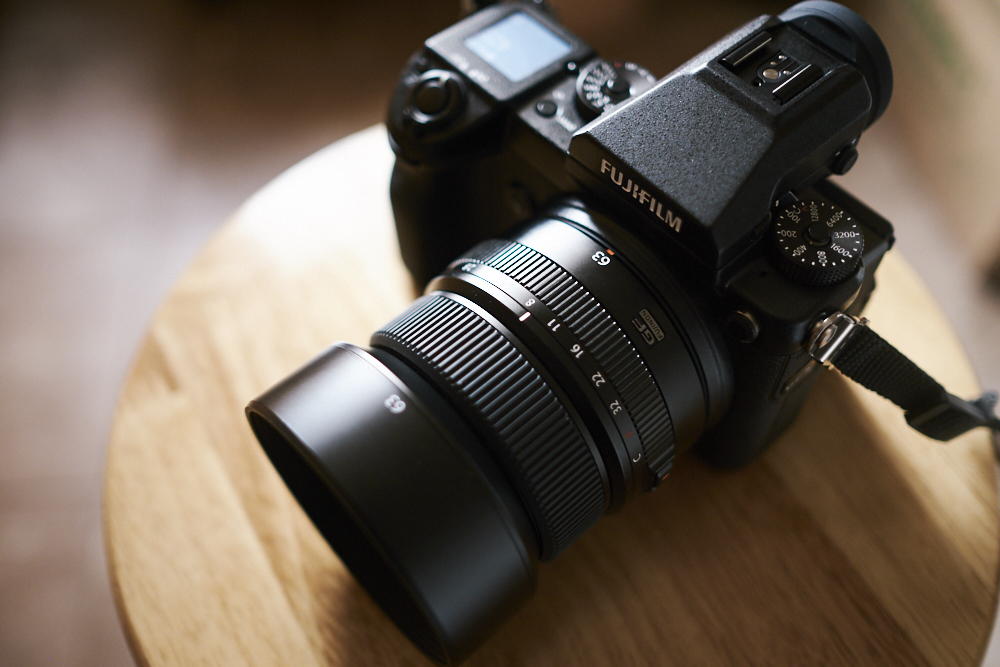
We’ve previously spoken about how the Fujifilm X Pro 1 delivers images that actually look the most like film. I still stand by that statement. But more importantly, I stand by the idea that the colors from that camera were unlike anything else on the market. As time went on, things tended to be a bit more hit or miss. Personally, Fujifilm really experienced their best image quality before the current crop of sensors. But have they really improved? And more importantly, does it really matter if older Fujifilm cameras are better?
Before I go on, note that the Phoblographer has stopped reviewing APS-C camera gear. We strongly believe that APS-C doesn’t have a strong future as none of the manufacturers, except for Fujifilm, treat it with reverence. And even then, it seems more and more like an exoskeleton they are struggling to break free from.
However, we’ll gladly review their GF gear. In fact, we’ve got an entire guide to GF lenses. Full-frame and larger than full-frame is the future. But we believe that APS-C could live on in compact cameras, at least for a little while.
In X Series, Are They Better?
The last Fujifilm camera I purchased was the Fujifilm X Pro 3. This camera was their most polarizing one. And even today, it still functions and works very well. For photographers, who are the folks mostly reading this site, the X Pro 3 is a fantastic camera for still photography. The major upgrades that the XT5, XH2s, and XH2 have over it are more megapixels, new film simulations, and scene detection. For what it’s worth, though, those scene-detection modes aren’t very easy to access. Without making them simple, a photographer might be more likely to rely on just shooting without them.


With that said, a photographer can still shoot a great image of birds and animals with the older cameras. You’ll just need to use the focusing point and select the critter yourself.
If you’re a photographer who doesn’t photograph animals or vehicles, is there really any reason?
Well, the bump in megapixels makes the high ISO output a bit worse — though the colors at lower ISO levels are arguably better. But if you’re photographing people, the X Pro 3 can still create really stunning images without any fuss. So, too, can the XT4. Reviews Editor Hillary Grigonis uses the XT4 as her wedding photography camera, and she makes great photos with it.
So, honestly, it’s just an issue of whether or not you need more battery life with the new batteries, are sick of the retro ergonomics, need image stabilization, and have genuine need of the extra megapixels. Personally speaking, 40MP is my sweet spot for much of my work.
Fujifilm Cameras in the GF Series
Believe it or not, the GF series more or less mirrors the X-series. They’re the same cameras but with bigger sensors when it comes to photography. When I say that they’re the same cameras, I really do mean that. They just have bigger sensors, bigger batteries, bigger image stabilization units, etc. The older ones are indeed slower than the newer ones. What’s more, the most recent cameras also have the same scene detection features as the smaller cameras.
By and large though, I don’t think that anyone here can say that the GFX system makes bad images. They’re pretty fantastic overall.


For photography, the main advantages are the better color that you get from more megapixels, slightly improved autofocus, and that’s really it. This mostly matters if you’re cropping — but I can’t imagine a situation where 50MP wouldn’t be enough cropping power for you.
You can look at this one of three ways:
- APS-C is getting medium-format features
- Medium format is getting APS-C features
- Both sides are just the same.
It’s odd to think about it this way. Fujifilm surely did make medium format more affordable and added unique things to it. And overall, we think that it’s the future of Fujifilm’s imaging division. In fact, if you love Fujifilm’s look, we strongly suggest you move up to medium format sooner or later.
If you value the small size and light weight, know that there’s lots of full-frame options out there doing just that.
So are the older ones really better? In some ways, yes. That is if you’re a good photographer, then you probably won’t need all the features of the newer ones.
Get rid of the ads!
Did you enjoy reading this article as much as we enjoyed writing it? There's a way to support us and our reporting, getting ad-free navigation and more as a bonus. Subscribe to us for less than a coffee per month —just $3.99— or take advantage of our yearly subscription with a hefty discount for only $25.- An ad-free experience
- A free mystery box for Lightroom or Capture One
- All the books in our store
- 20% discount on Capture One
- 30% discount on Imalume Photo Theft Protection
- 20% off Herbs and Kettle Tea Company.
- 20% off your order from MPIX printing services.
- 5% off Viltrox Products via their eCommerce store.
- 10% off all film developing, printing and scanning services from Blue Moon Camera and Machine
- 15% off 7Artisans products: The lens and accessory maker is offering a sweet discount for Phoblographer's readers.
- 15% off a VSCO One subscription: Get a bunch of great tools with their all-in-one package.