

Last Updated on 07/17/2024 by Chris Gampat
Before you continue reading this article, know that I’m writing this article from a place of love for photographers instead of a way to pander to Sony and Nikon users. There’s no point in trying to compare the camera equivalent of a GED and a high school diploma. In reality, both allow you to do the same things — and they both let you only get so far. All of these cameras allow you to make great photographs. And if you’re using still-based cameras to shoot video, then you’re still living in 2009. Real sets use dedicated video and cinema cameras instead. While comparison is the theft of joy, the problem is a real one when it comes to consumerism and cameras. In this case, Canon has entered a phase we saw in the past decade.
Declarations of Journalistic Intent
The Phoblographer has declined all press trips in the past few years, which we explain further in our Disclaimer policies. That means that we’re under no obligation to try to make a brand happy in some way or another the way that editors at other publications and YouTubers are. Nor do we charge for coverage.
The History of Canon Digital
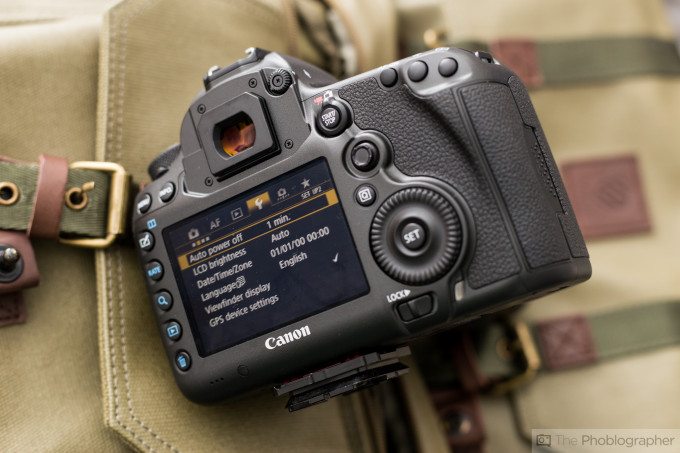
In 2012, Canon came out with the Canon 5D Mk III — which didn’t feel anywhere as great as the Canon 5D Mk II did. It wasn’t until 2019 that Canon really left its past behind and came out with the Canon 90D. The start of this ending was with the Canon EOS R. During this era, only two cameras really stand out in memory: the Canon G1x Mk II and the 5Ds. To this day, I am still considering getting a 5Ds. This was a time when Canon steadfastly believed that mirrorless cameras weren’t going to take over the DSLR market. And, of course, they were wrong.
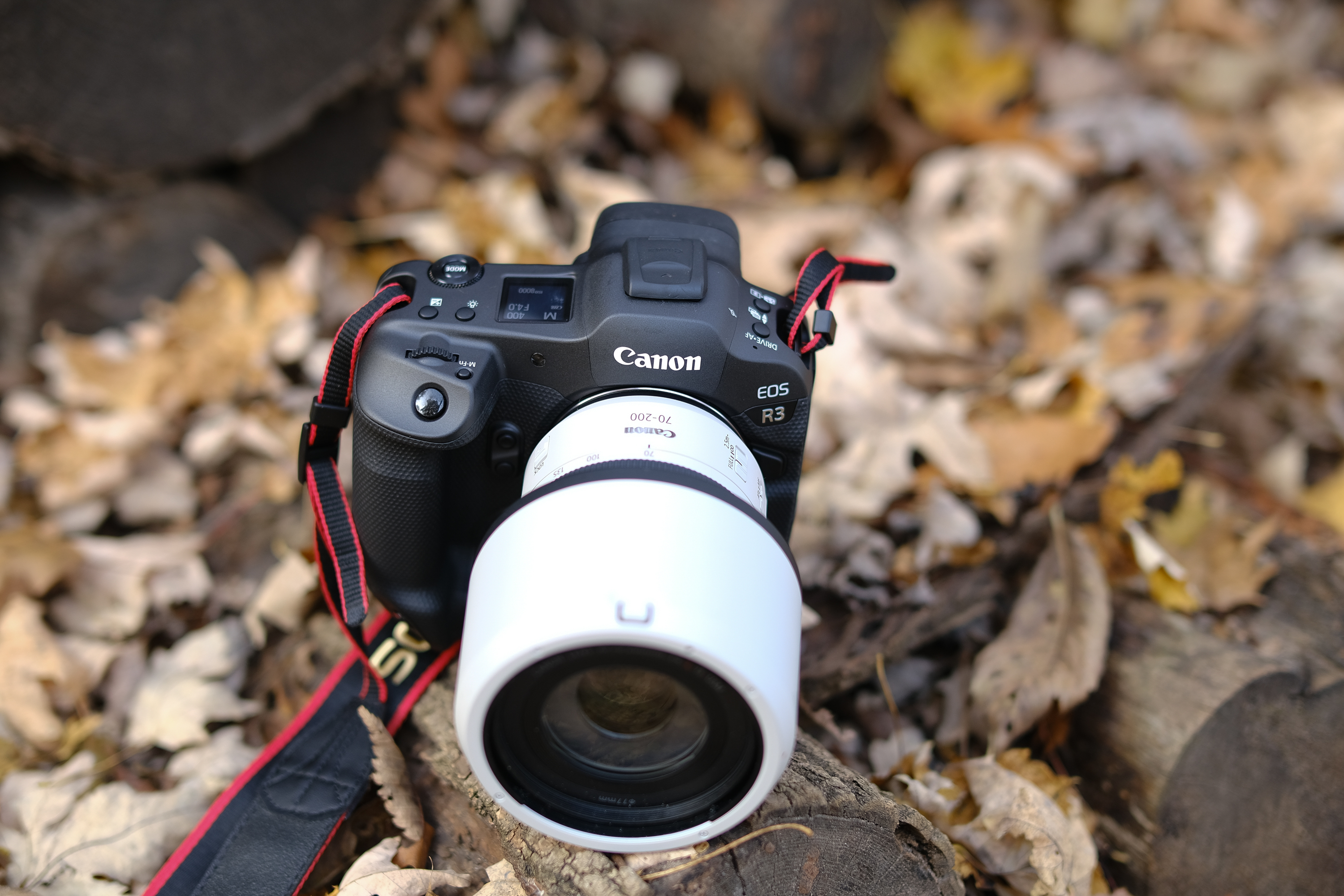
After the release of the Canon EOS R6 and R5 in 2020, the brand kind of simmered out. The Canon EOS R3 wasn’t all that impressive or has lasting power. The same could be said of the Canon EOS R7 — even though they gave it a much-requested feature that they finally gave to the R1. Of course, I’m talking about pre-shot burst. That was in 2022, which is around a decade after the first time Canon started to really simmer out in the digital camera world.
Whether you realize it or not, we’re currently in a phase where asking Canon to be innovative is like asking the ocean to pause its waves so that we may take a bath.
Comparison is the Theft of Joy
You’re probably wondering what I’m talking about with simmering out and with Sony and Nikon doing things that are more attractive. Well, in 2024, photographers face an unprecedented set of challenges that camera manufacturers could improve on, but don’t.

- The Nikon Z9 is the only camera that does an incredible job with autofocus on people of color in low light. A close second is the Leica SL3. This level of autofocus makes capturing more diversely populated events even easier and, therefore, opens the floodgates for photographers to show the world things we haven’t seen before. Of course, they’re not perfect though — as their colors are often as green as polluted waters.
- The Sony a9 III has a global shutter, and this camera lets photographers shoot with a flash at any shutter speed and make photos that haven’t been possible before. They, too, aren’t perfect — with their PlayStation-controller style of camera bodies, they’re often a brand that does something just because they can and don’t even know how to translate how it can help photographers.
- Both Sony and Leica have integrated the Content Authenticity Initiative into many of their cameras. This will help photographers stand out from AI imagery by providing proof embedded into the files that they shot the image. And it goes beyond just the standard metadata. Of course, Leica’s prices seem high. But in reality, everyone else’s prices are just starting to be the same as Leica’s. But Content Authenticity is a real issue as so many people don’t believe that the current photos around Trump’s shooting are real.
- Panasonic has embraced the idea of Real Time LUT in their cameras, that lets photographers make images look like anything they possibly want based on presets and LUTs. Want the look of full-frame Fujifilm? You can get it with an S5 II. The brand could use better autofocus — but it has majorly improved in a way that Nikon has over the years.
With the new Canon EOS R1 and Canon EOS R5 II, Canon isn’t doing any of the things that matter most to photographers in a time when AI is having a Goldilocks moment—which is to say that it’s trying things and trespassing into a space where it does not belong. Canon could’ve been the third big bear helping photographers adapt to the new world.
The forest Canon has created doesn’t feel like a place where photographers can thrive in the future. Instead, it feels like deforestation is coming and leaving so many without a place to thrive. And for the camera market, this isn’t very healthy, especially as so many are fervently set in cult-like ways that they’ll continue to buy something just because they don’t understand how to think for themselves or their best interests anymore.
Get rid of the ads!
Did you enjoy reading this article as much as we enjoyed writing it? There's a way to support us and our reporting, getting ad-free navigation and more as a bonus. Subscribe to us for less than a coffee per month —just $3.99— or take advantage of our yearly subscription with a hefty discount for only $25.- An ad-free experience
- A free mystery box for Lightroom or Capture One
- All the books in our store
- 20% discount on Capture One
- 30% discount on Imalume Photo Theft Protection
- 20% off Herbs and Kettle Tea Company.
- 20% off your order from MPIX printing services.
- 5% off Viltrox Products via their eCommerce store.
- 10% off all film developing, printing and scanning services from Blue Moon Camera and Machine
- 15% off 7Artisans products: The lens and accessory maker is offering a sweet discount for Phoblographer's readers.