

Last Updated on 10/01/2020 by Chris Gampat
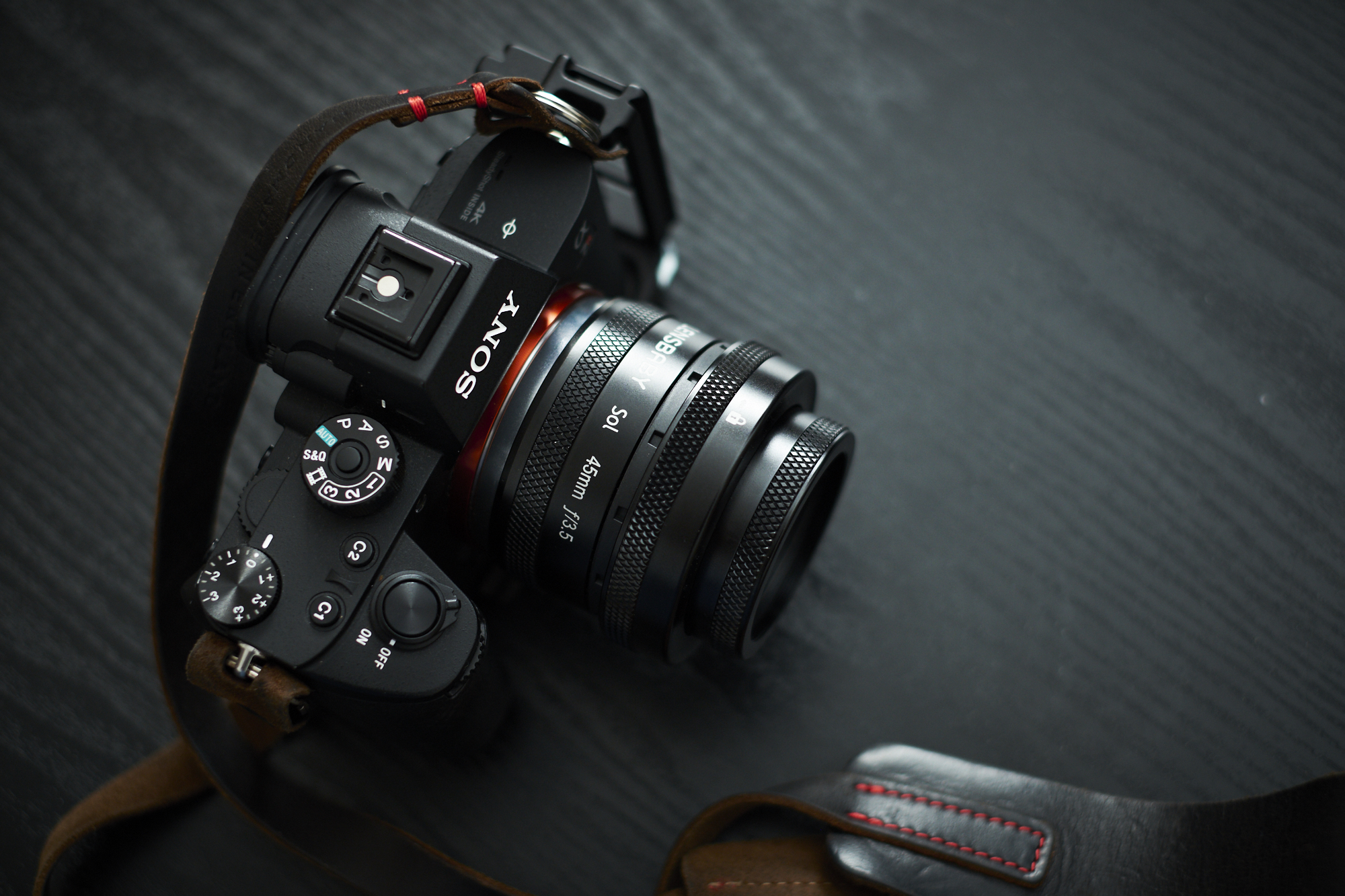
Years ago, we wrote about how your lenses are more important than your camera; and that’s still true.

Photography has changed, but amazingly not all that much in the terms of lenses vs cameras. And the reason why I’m coming to this is because of a number of discussions that happened over the holiday season as they pertain to cameras being crap or great. The truth: a crappy camera can take amazing images with great lenses while simultaneously a great camera can take crappy images with a terrible lens. It’s a true statement and I’m not sure that anyone should really consider anything else to be the truth.
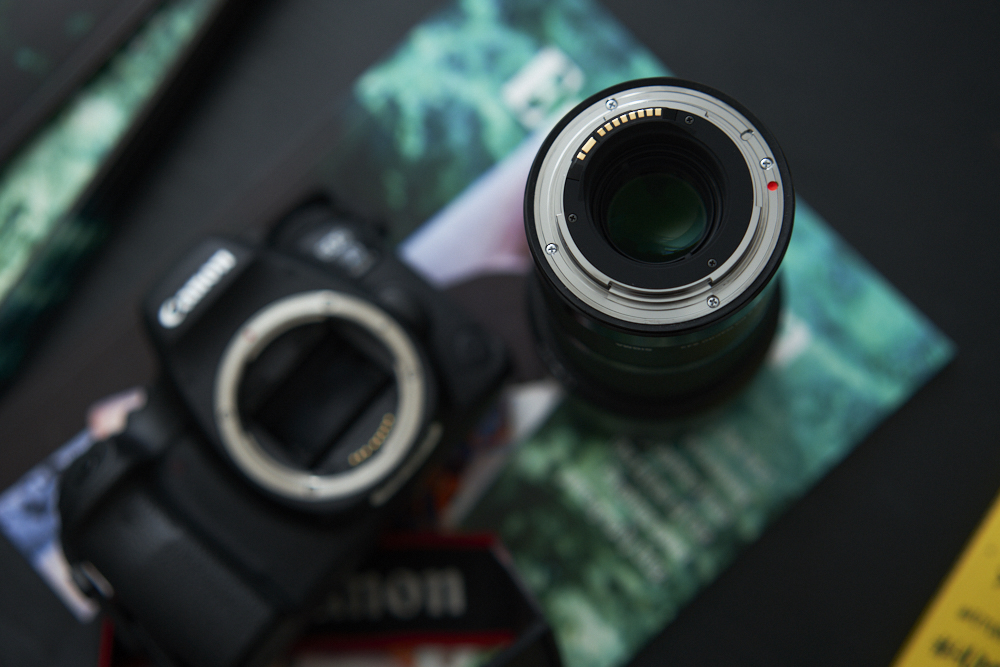
One of the most recent examples of this I think is with the Canon mirrorless camera system and with Micro Four Thirds. Everyone and anyone completely trash talks the Micro Four Thirds camera system, but the truth is that they’re loads of great lenses for the camera system. These lenses deliver gorgeous bokeh, exceptional sharpness, etc. In all honesty, while Micro Four Thirds cameras comparatively don’t always perform as well in terms of image quality to its bigger sensored peers, I don’t really hear a whole lot about their lenses being awful. In this day and age, everyone is correcting what their lenses output with software that is pre-baked into the camera or in post anyway.
Then there is Canon: there is a lot of hate on the EOS R. But for the life of me, I can’t think of any other camera system that has a 50mm f1.2 or a 28-70mm f2 full frame camera option. Sony’s G Master lenses are fantastic with their 11 aperture blades. But terrible images can be made on a Sony with awful glass. The bigger truth about that: no one is really making truly awful glass. If anything, the softness is a niche. While the Canon EOS R’s sensor can’t hold up to Nikon’s and Sony’s offerings, the lenses make the sensor output sing. And to that end, the way that the system works overall as a whole is still infinitely more important.
This includes flashes. I think that there are more and more photographers out there trying to call themselves natural light photographers or even not knowing how to light. Instead, they rely on lots of photoshop. In the end, I think that makes you a better photo editor than a shooter. One situation that I recently thought about has to do with using HSS to overpower the sun and make a scene look like it’s night time. If you do that with an entire scene balanced to daylight, the scene won’t look like night time. But if you shoot a portrait with tungsten white balance and gel a flash to be color balanced accordingly to tungsten, you’re going to get a scene that can indeed pass for a night photo.
Get rid of the ads!
Did you enjoy reading this article as much as we enjoyed writing it? There's a way to support us and our reporting, getting ad-free navigation and more as a bonus. Subscribe to us for less than a coffee per month —just $3.99— or take advantage of our yearly subscription with a hefty discount for only $25.- An ad-free experience
- A free mystery box for Lightroom or Capture One
- All the books in our store
- 20% discount on Capture One
- 30% discount on Imalume Photo Theft Protection
- 20% off Herbs and Kettle Tea Company.
- 20% off your order from MPIX printing services.
- 5% off Viltrox Products via their eCommerce store.
- 10% off all film developing, printing and scanning services from Blue Moon Camera and Machine
- 15% off 7Artisans products: The lens and accessory maker is offering a sweet discount for Phoblographer's readers.