Archive for February, 2011
Which Photo is the Better Edit?
A friend of mine recently asked me to edit a photo that was shot of her. She wasn’t totally thrilled with the way the photographer edited the photo, so I thought I’d give it a shot myself. The opening photo is the original file, and here are two different versions of some quick edits that I did in both Photoshop Elements and Lightroom 3. This one was a bit tough because the photographer shot in JPEG, which immediately limits what I can do with the image vs shooting in RAW. As I’ve stated before, there is so much more information stored in a raw file.
To explain this a bit better think of:
- JPEGs as the prints from the film days that you picked up from Walgreens.
- RAW files are like the negatives, only digital. If you have the negative, you can do so much more with the final image.
Which one do you prefer? Let us know in the comments below and also let us know why you think so please.
How Faster Lenses Can Save Your Flash’s Battery Life
Faster lenses (i.e. those with a wider maximum aperture) are often the ones that will preserve the battery life of your flash. Keep this in mind when photographing events, weddings, portraits, photojournalism, or concerts. This is even more true for flash modifiers like the Orbis and Gary Fong Lightsphere that bend the shape of the flash output but lose light in the process. There are ways to get the most out of your flash output. Besides using it wirelessly to place the light anywhere you want, there are many factors that new photographers should keep in mind to be super-efficient with their flash output. Additionally, knowing that faster lenses can save you lots of trouble in the end is critical. Before you read this post, you may want to open up our recommended Canon lenses post in another tab. Also keep in mind that you don’t need to spend a fortune on these lenses.
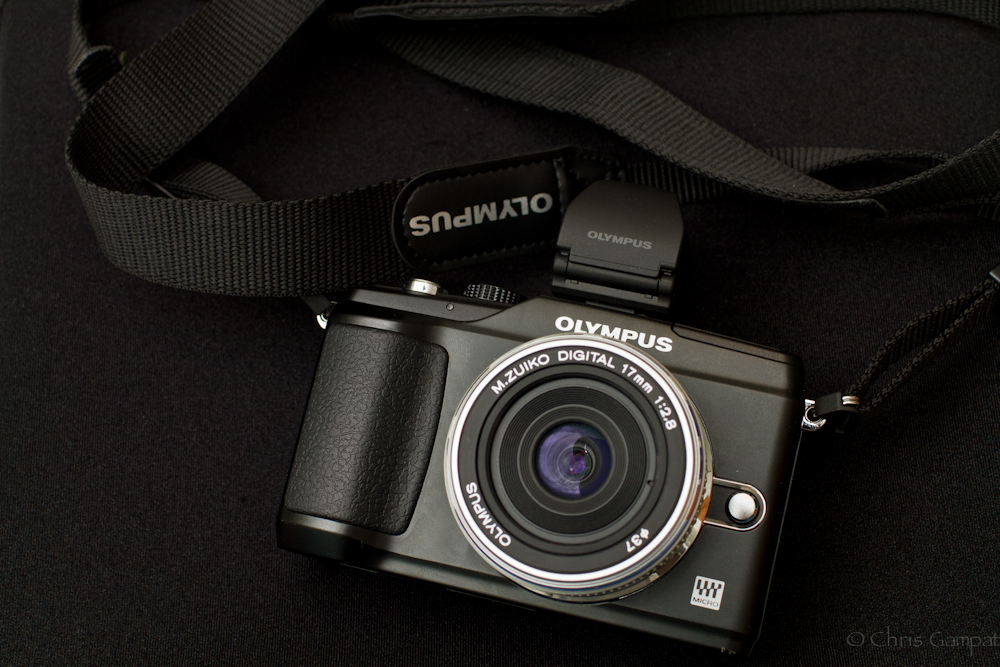
Field Review: Olympus EPL-2 (Day 3)
In Day 1 of our Olympus EPL-2 Field review, we started to get used to the camera and really begin to like it. Then in Day 2, we went around shooting in nothing else but JPEG and were quite pleased with the results. Today is the day that I write about the EPL-2 and realize that the vast majority of the images that I’ve been shooting for a while were in RAW and that Adobe Lightroom 3 doesn’t support the file at the time of writing this posting. Keep in mind though that this review is being done from the viewpoint of a professional that wants a small camera to use. With this said, most professionals wouldn’t want to go ahead and install the bundled Olympus software—they’d much rather just use what they have already. So here’s a demonstration of the camera’s video mode instead coupled with more commentary on the ergonomics and use over time and why I love it as a street photography camera.
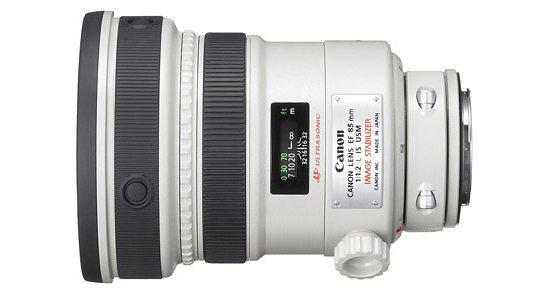
Could This Be the Canon 85mm F/1.2 L II? I Doubt It!
I found an old posting at Velodramatic via some internet forums that didn’t seem to get any buzz. Granted, it is an old posting, but it still brings up a very big point. The 85mm F/1.2 L isn’t terribly old, but there are some issues with it: like slow USM. Now, I have the 85mm F/1.8 (one of my highly recommended lenses) and haven’t found that I needed to have Image Stabilization built in. However, the L version is quite a bit heavier and I could easily understand why someone would perhaps want it. It is used by wedding, portrait and other photographers.
Though I have my doubts about this concept being real, I consider this image rendering to be a huge fake because I highly doubt it would focus out to 70 feet. However, this would be a very interesting move for Canon because of the fact that the 85mm F/1.2 L is used often in cinematography in addition to some of the current favorites. Adding IS to it would make a bit more sense. If it has the other focusing modes that their new zooms and primes, then they would be trying to prep it for other uses. It would be a viable option against the Zeiss cinema prime that we had hands on with before, though it would also be very different.
Do you think this could really happen? Let us know in the comments below.
Clarification: the writer says the lens is a fake. But consider the trends that Canon’s technology is following and the way they are moving forward with their lenses. Features from the higher end lenses often trickle down to other ones.
Why Lower End Zoom Lenses Make Great Doorstops
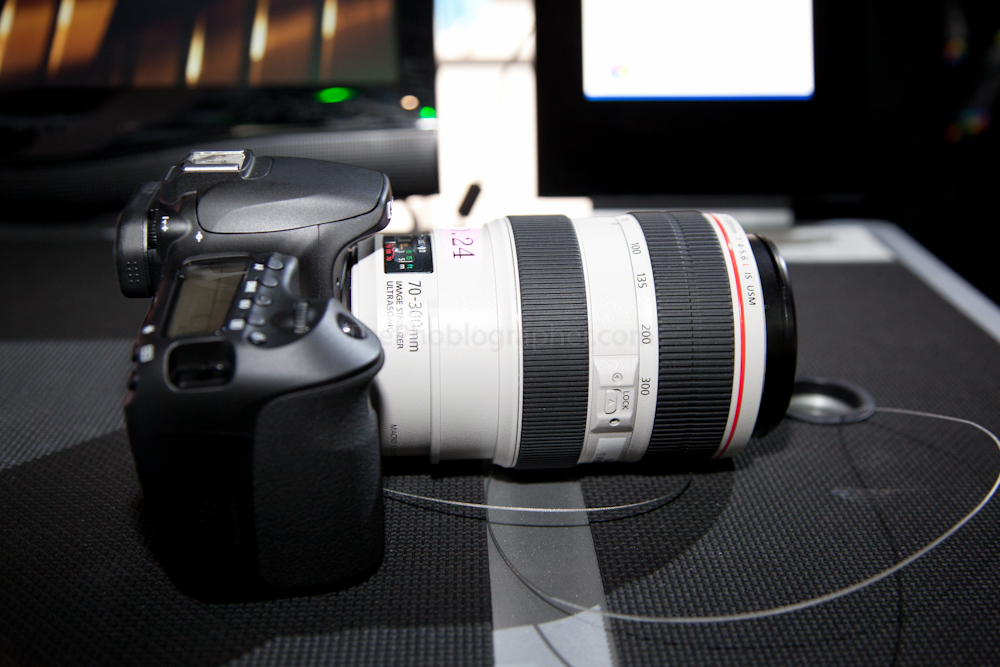
In this posting written a while back, I’m constantly asked about my opinions on lenses like an 18-135mm, 18-200mm
and others. And in general, I give the same response: I hate them. Before writing this posting, I envisioned marketing reps, PR reps and others saying something like, “No Chris, don’t write it because we sell thousands and thousands of them!” While this is true, it is because most consumers don’t have any idea of what they’re purchasing and are instead blinded by the marketing. Here is an attempt to clear through the fog.
Read the rest of this entry »
Field Review: Olympus EPL-2 (Day 2)
In Day 1, I got my hands dirty with the EPL-2. For the most part, it is so far living up to my expectations. The EPL-2 and I went along the street of NYC and into cafes with my friend Sal from Geek.com. And for once, I shot nothing else but JPEGs. Keep in mind that this review is being done in the viewpoint of a professional looking for a small, carry-around camera. So why JPEGs then? Less work in the end, that’s why!