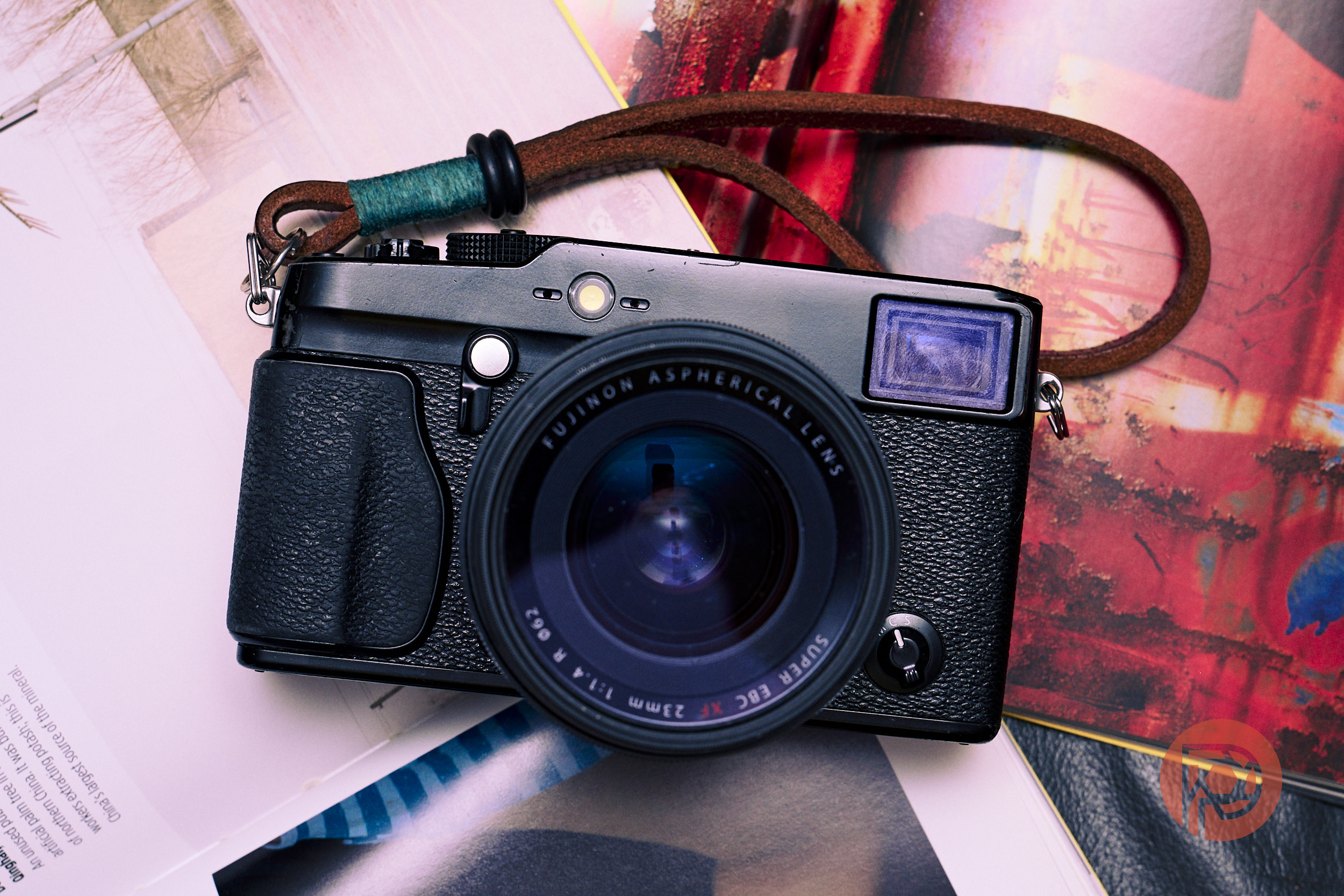
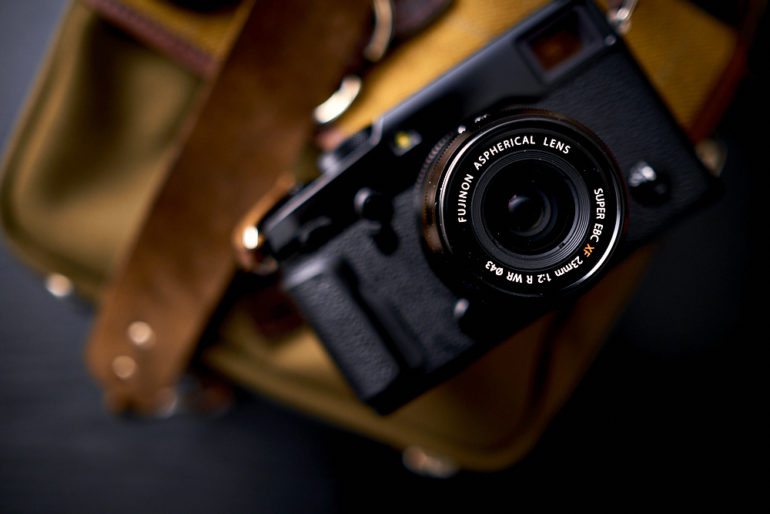
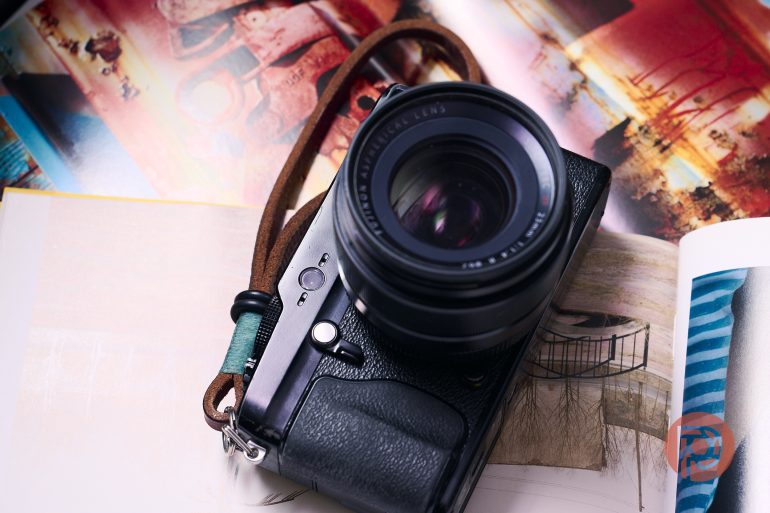
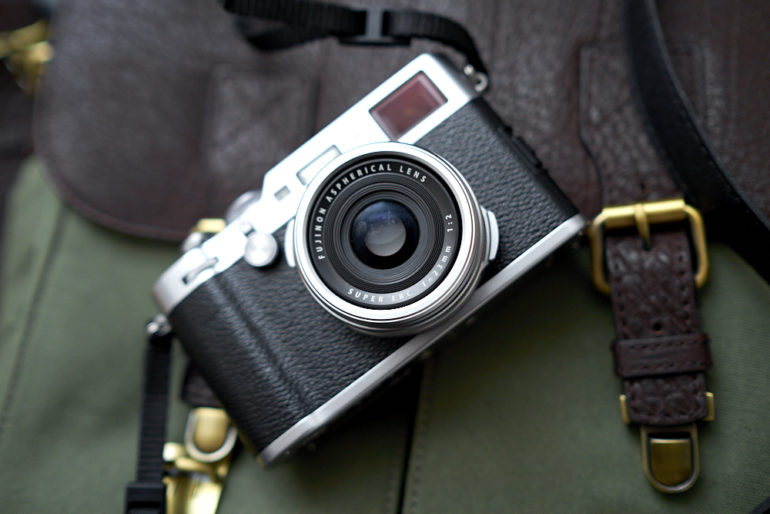
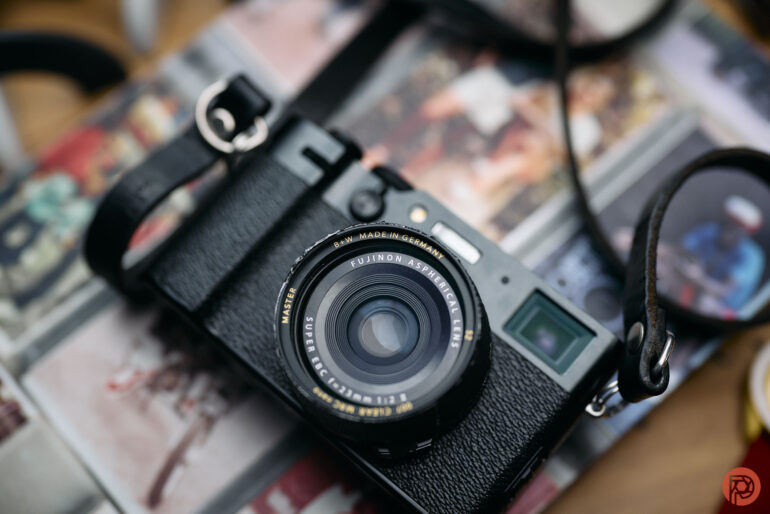
Dear Reader, allow me a moment to lose myself in the nostalgia that the Fujifilm X-Pro, the original, brings to me. When I first purchased my Fujifilm X-Pro 1 in late 2014, it was a used camera whose previous owner had lost interest in it. I bought it for around $800 with a 27mm F2.8 pancake lens – less than half of its original price without a lens. It was a price I couldn’t refuse, and little did I know, it would be the camera that made fall in love with Fujifilm cameras of that time. After over a decade of existence, multiple firmware updates, and long having been discontinued, does the X-Pro 1 still hold up in 2026?
The following text has been added to our Fujifilm X Pro 1 review. You can find the full text at this link.
How I Use the X-Pro 1 in 2026

When I first bought the X-Pro 1, I had tried to use it for semi-professional uses. At that time, I was working in a traditional 9-to-5 setting but still doing gigs on the weekends. Since then, the X-Pro 1 has largely been my “fun” camera, a camera body that I take out when I’m just walking around or meeting up with friends and family – not typically out on any kind of paid work – and almost always, saving images as JPEG only. There’s something special about the way the Fujifilm X-Pro is built that pulls a yearning in me to go out and photograph the world around. It’s something that to this day, very few cameras can inspire me to do consistently.
The Fujifilm X-Pro 1 was one of the first retro-styled cameras that truly found a balance between form and function. The dials, switches, and buttons all continue to feel like they were placed in their respective spots because an engineer put thought and consideration to how the camera was meant to be used. From the Shutter Speed and Exposure Compensation dials to the Focus Selection switch, this camera was thoughtfully designed for photographers in a way that we just don’t see any more. Even in 2026, this is one of my favorite cameras to pick up despite its angular and somewhat flat lines. At the time many fanboys tried to call this a “poor man’s Leica,” it was something far more special.

As I worked on this informal review, I used the X-Pro 1 as my main camera for anything that wasn’t exclusively work-related. In doing so, it once again sparked a joy in my heart and filled me with the desire to just get lost in my neighborhood and photograph it like the main character of an epic. Everything about the process fit like a glove, from the way it feels, lifting the camera to eye level to peer through the camera’s optical viewfinder/EVF combo to perfectly frame your next shot. Full disclosure: the optical viewfinder on the X-Pro is far from the most accurate – this isn’t a proper rangefinder and therefore falls short in terms of accuracy. But even with this shortcoming, I found myself using it over the EVF in much the same way I’d use the prism finder of a DSLR. This is especially helpful when shooting street photography, as you’re able to see the full scene unfold with your eye almost as if you didn’t have the camera to your face. It’s as close to a natural way of seeing with a camera as it gets and this is especially helpful for me as I work a scene.
What the Fujifilm X-Pro 1 Doesn’t Have

If you’re looking into purchasing a Fuji X-Pro 1 in 2026, there are several modern features that you will not find in this camera. The biggest is the lack of modern subject detection for autofocusing. This camera when paired with Fujifilm or third-party lenses, will achieve autofocus, but what you will not be getting is face or subject eye detection, never mind animal, bird, or any other kind of subject detection. Instead you can chose between Multi-Spot or Area AF focus modes. Much like the way I used the OVF, this too is a throwback to the DSLR days when you’d lock in focus (using the center point) and then compose your frame.


As you can probably tell, focusing speed was something that the X-Pro struggles with. This is a camera that will not necessarily do the technical aspects of photography for you, but will reward you for getting things right. I won’t ever say that a camera can’t do any specific type of photography – that largely will depend on the photographer’s skill level – but you won’t be shooting 100+ frames per second with subject tracking with the X-Pro 1. If these are the kinds of features that you’re looking for, look elsewhere.
Another major feature lacking in the X-Pro 1 is its lack of weather sealing. If you plan on taking this camera to the rainforests of Costa Rica or chasing waterfalls in Iceland, you will need to consider a different camera (or at least consider purchasing a rain jacket for this one). That’s not to say that the X-Pro 1 isn’t built well. Having used the X-Pro 1 for over a decade, and as I was reminded over the past week, is that this is a camera that was designed to take a beating and keep working. I’ve shot this camera in various conditions varying from the Arizona desert to happy hours at bars where I may or may not have spilled a drink or two. No matter the condition, the X-Pro has been a faithful companion.
While I enjoy using the X-Pro, even 12 years since I first purchased it, these missing modern features need to be seriously considered before making this purchase, but I don’t think they should deter you on their own.
The Pictures Keep Me Coming Back to the X-Pro 1

At the end of the day, the X-Pro’s superpower is the image quality you get straight from the camera. With the X-Pro 1, Fujifilm was able to change the way we spoke about JPEG images and what we considered “good.” The X-Pro 1 helped to usher in the idea of “Film Simulations” and JPEG recipes in ways that were far more substantial than slapping on a low-grade filter over camera phone image.
Below are some sample images all JPEGs straight out of the X-Pro 1:
When I look back on the images I made over the past week with the X-Pro, I’m blown away by just how visually pleasing these image are without ever having to sit at my computer spending hours editing to look just right. As someone who’s been using Sony professionally for almost as long as I’ve been using the X-Pro, I often wonder what my professional work would have looked like had Fujifilm developed a full-frame sensor camera like the X-Pro. While the X-Pro will help you make beautiful photographs, no matter what you’re shooting, to me, it feels like it was purpose built for street photography. And that’s the thing I missed most about Fujifilm of that time.
Get rid of the ads!
Did you enjoy reading this article as much as we enjoyed writing it? There's a way to support us and our reporting, getting ad-free navigation and more as a bonus. Subscribe to us for less than a coffee per month —just $3.99— or take advantage of our yearly subscription with a hefty discount for only $25.- An ad-free experience
- A free mystery box for Lightroom or Capture One
- All the books in our store
- 20% discount on Capture One
- 30% discount on Imalume Photo Theft Protection
- 20% off Herbs and Kettle Tea Company.