

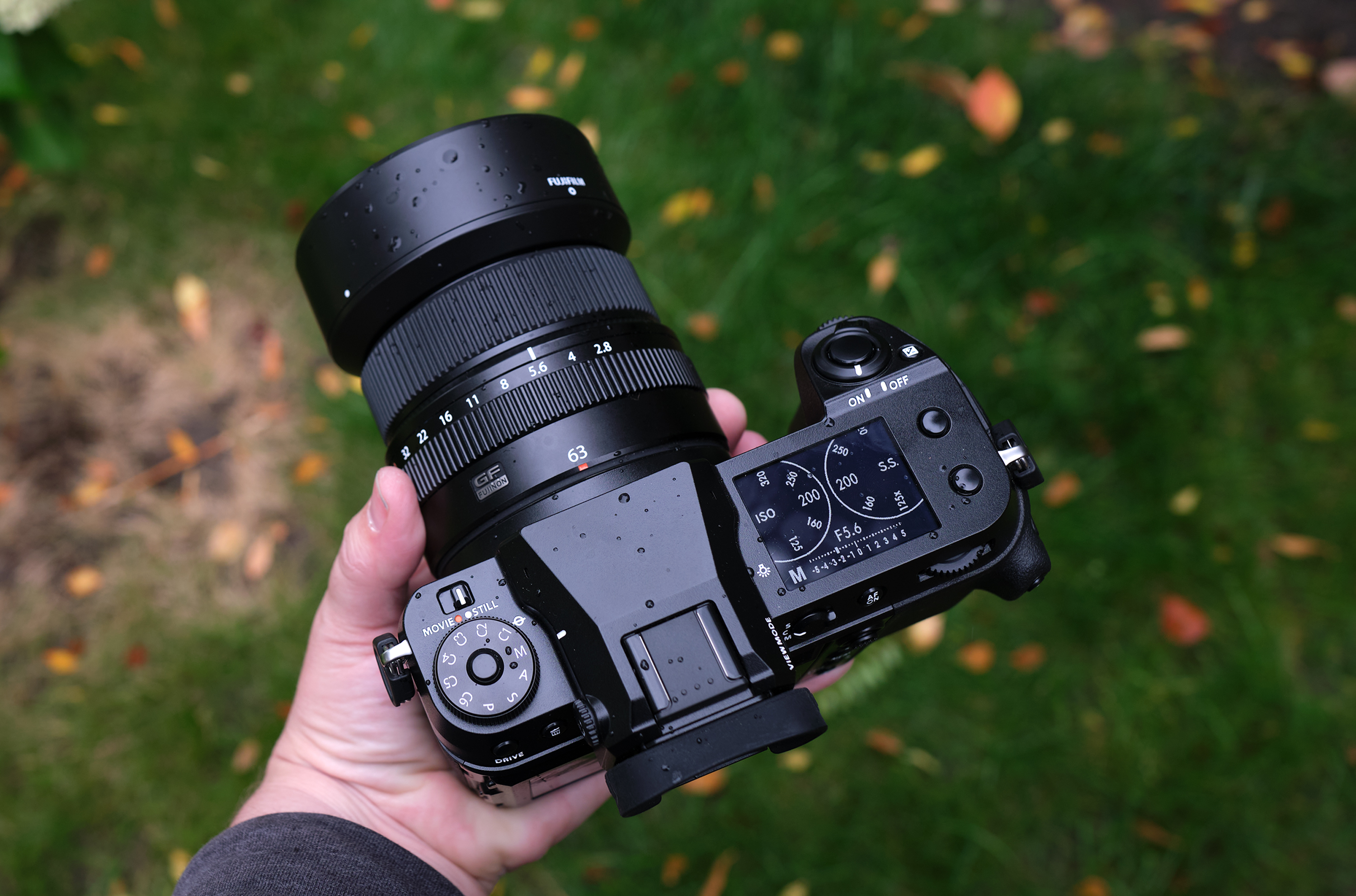
Fujifilm has pretty much always been playing in its own arena. I think a former Leica VP said it best by saying that sometimes competing with other brands is like swimming with sharks. While their APS-C cameras surely do something much different, not many other brands try to go into medium format territory. But Fujifilm has the potential to take users away from Canon, Sony, and Nikon much more so than you’d think. Considering the fact that the brand told retro lovers that they were going polyamorous and flirted with the DSLR form factor much more, they’d only have to do one thing that could majorly change the entire face of the photo industry.
For the sake of this piece, I’m going to call this camera that I’m dreaming of the Fujifilm GFX 50S III. It’s the successor to the Fujifilm GFX 50S II. Seeing how the company has realized how popular the rangefinder style of camera can be, it could even be the Fujifilm GFX 50R II, which would succeed the original. The 50S II can still be had for a good deal, though because it’s medium format, it’s also retaining its value.
But the important thing is this: Fujifilm could use the same old 50MP medium-format sensor and change the processor up to make it deliver really good high ISO image quality coupled with very fast autofocus that higher-resolution cameras can’t quite do. Cameras like the Nikon Zf did that with the 24MP full-frame sensor.
The catch here is the following:
- The GFX 50S III would have higher resolution than lots of the full-frame cameras available
- The high ISO output could be better than pretty much anything full-frame in the same way that full-frame blows away APS-C cameras
- The autofocus could be really great, though we’re not sure that this would ever happen because it’s Fujifilm. But it would be more than good enough for lots of users
- You’d have all the Fujifilm film simulations available right now
- This camera would be more designed for photographers than videographers. However, with a 50MP sensor, you could still shoot some really insanely high quality video in a similar fashion to what the Fujifilm XH2s does.
So why doesn’t Fujifilm do this at all?
Get rid of the ads!
Did you enjoy reading this article as much as we enjoyed writing it? There's a way to support us and our reporting, getting ad-free navigation and more as a bonus. Subscribe to us for less than a coffee per month —just $3.99— or take advantage of our yearly subscription with a hefty discount for only $25.- An ad-free experience
- A free mystery box for Lightroom or Capture One
- All the books in our store
- 20% discount on Capture One
- 30% discount on Imalume Photo Theft Protection
- 20% off Herbs and Kettle Tea Company.
- 20% off your order from MPIX printing services.