

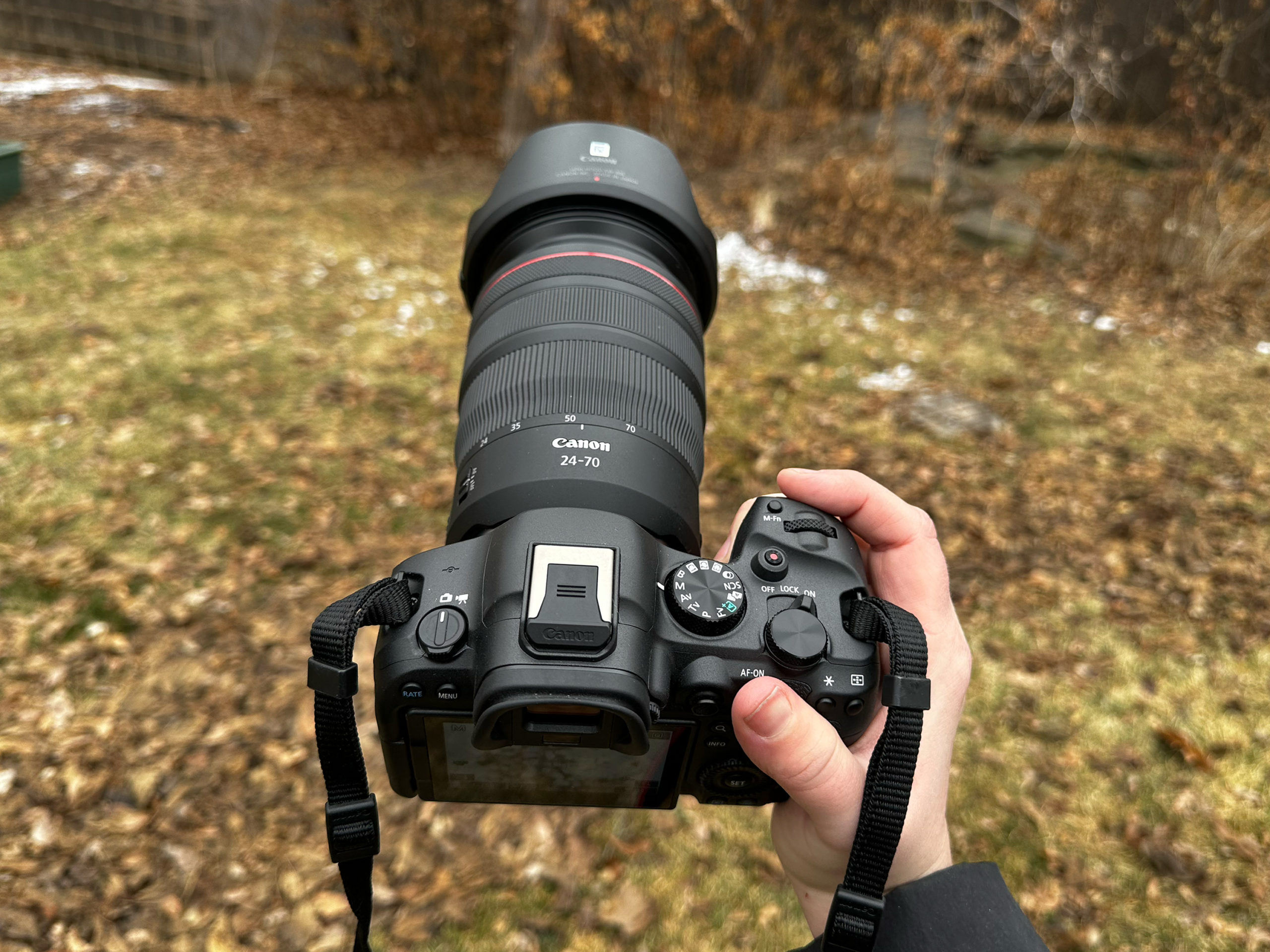
There are several cameras that people are anticipating seeing this year: Nikon Z7 III, Panasonic S1 II, Sony RX1R III, or Canon’s retro camera. Amidst this list is another device that we have been hearing about for a while, but it is only now that we have some reports on its specifications: The Canon R6 III. This is the next full-frame camera, after the R5 II and the R1. Here is what you can expect from it.
According to Canon Rumors, per reports on Weibo, a Chinese social media platform, a person with a mixed history of success has revealed new specifications of the Canon R6 III. Here is a quick look at it:
- Brand new 24MP sensor
- Stacked CMOS
- Readout speed between the EOS R1 and the EOS R5 Mark II.
- New Rear LCD “flippy” mechanism
- DIGIC X & DIGIC accelerator
- C-Log 2 & C-Log 3
- 6K RAW at 60fps
- 4K at 120fps
Canon R6 III is highly anticipated, since the R6 II is a pretty competent camera for its price point. As we had reported in another article, there are already reports of the R3 sensor being part of the new Canon R6 III. One of the reasons could be that the R3 offers great low-light capabilities, making it an ideal choice for anyone shooting in varying light. In addition, features of the R1 and the R5 II also make sense. However, we aren’t sure how different they can be from the original models. For instance, faster read-out speed can he helpful to shoot with more frame rates, which is ideal for action photography.
However, there is a chance that the specifications will not be the same when the device is launched. This is because only one source has spoken about it, and there is no further confirmation from other sources. In addition, there is also the report of the delay of the upcoming Canon R6 III, which makes it even more challenging to pinpoint what one can really expect.
Either way, what Canon needs to remember is that they do not launch a camera like the R5 II or the R1, both of which really did not hit the mark for photographers. For instance, we said that both the cameras could have had firmware updates, instead of new cameras or a successor. This is exactly why the R6 III has to be different, and not repeat the issues seen in the models. It also means the camera that does not retain most things, and just adds more features to benefit content creators.
In addition, if the Canon R6 III changes the cons of its predecessors, then it would be great. As stated in our review, they are as follows:
- Competing cameras have a higher resolution.
- The trade-off of innovation is that there’s more to learn compared to other Canon cameras. (It’s worth it, but still worth mentioning.)
- You should use a hot shoe adapter to maintain the weather-sealing with previously launched Canon flashes.
- Exposure preview assistance makes it challenging to get a perfect exposure in camera sometimes.
- Heavier and larger than the R5 and R6.
- Initial price tag of $6,000.
Canon has a lot of work to do if it wants professionals to opt for it again over Nikon, Leica, or Sony. However, it remains to be seen whether they pay heed to this again.
Get rid of the ads!
Did you enjoy reading this article as much as we enjoyed writing it? There's a way to support us and our reporting, getting ad-free navigation and more as a bonus. Subscribe to us for less than a coffee per month —just $3.99— or take advantage of our yearly subscription with a hefty discount for only $25.- An ad-free experience
- A free mystery box for Lightroom or Capture One
- All the books in our store
- 20% discount on Capture One
- 30% discount on Imalume Photo Theft Protection
- 20% off Herbs and Kettle Tea Company.
- 20% off your order from MPIX printing services.
- 5% off Viltrox Products via their eCommerce store.
- 10% off all film developing, printing and scanning services from Blue Moon Camera and Machine
- 15% off 7Artisans products: The lens and accessory maker is offering a sweet discount for Phoblographer's readers.