


Sony was the first company to pivot to full-frame mirrorless cameras in 2013 with alpha 7 and alpha 7R. It is amazing to see how they challenged the DSLR, which was already in full swing. Perhaps they saw the trend change before anyone (Panasonic technically became the first to use mirrorless but in the Micro Four Thirds segment), which is paying them so well. The original a7 was designed for serious enthusiasts, offering 24MP resolution. A year later, a 12MP version, a hybrid camera offering 4K video and low-light capabilities, was introduced. The a7s III, released in 2020, kept building on the legacy of its predecessor. However, we haven’t heard about the next-gen model, the a7s IV, for four years. And now, it seems that one has to wait longer.
Table of Contents
Is the Lineup Dead?
In a report by Sony Alpha Rumors, the author notes that nobody has heard about any reports regarding the a7s IV. In fact, the report remarks that the company may be phasing out the ‘S’ line-up.
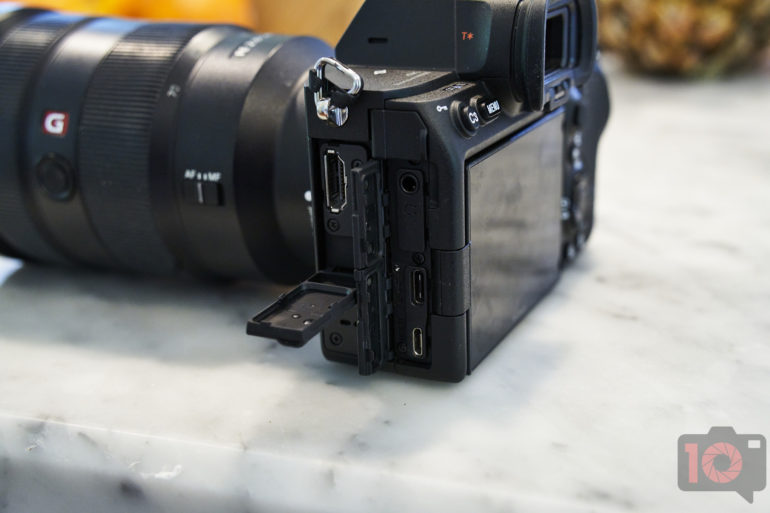
However, considering they created a capable camera (which needs improvements), the idea of killing the series seems odd. The author notes that while it may take another six to eight months, the chances of Sony a1 getting a successor appear higher than usual. In our review of the a1, we noticed that the price, $6,499, was a bit much, and the LCD wasn’t exactly the best considering the range. However, we did note that the a1 is a revolutionary camera at the time, offering the best of both worlds. So, if one were to upgrade something that was already so good, it would make one wonder what the next step in evolution could be.
The report noted that the a7 III could also possibly get an update. So, let’s assume that the a7 IV and a7s IV will be released sometime soon. What can be done to ensure that they compete with the other Sony series?
What Could the Sony a7s IV and a7 IV Do Better?
As we reported in our review of the a7 III, its 24MP pixel is insufficient for professionals. Today, camera makers have revolutionized the pixel count, so instead of 24MP, which made sense in 2016, the a7 IV has to push the count higher to 36MP. That’s the most basic thing an entry-level camera needs. In fact, Sony is better at this than the entry-level entries from Canon, Nikon, or Panasonic. Another thing they can do better is upgrade the 2.36 million dot EVF to at least 5.76 million dots. Again, this is the most basic demand. Other features include a fully articulating screen, a CFexpress card slot, and better real-time human and animal eye AF.
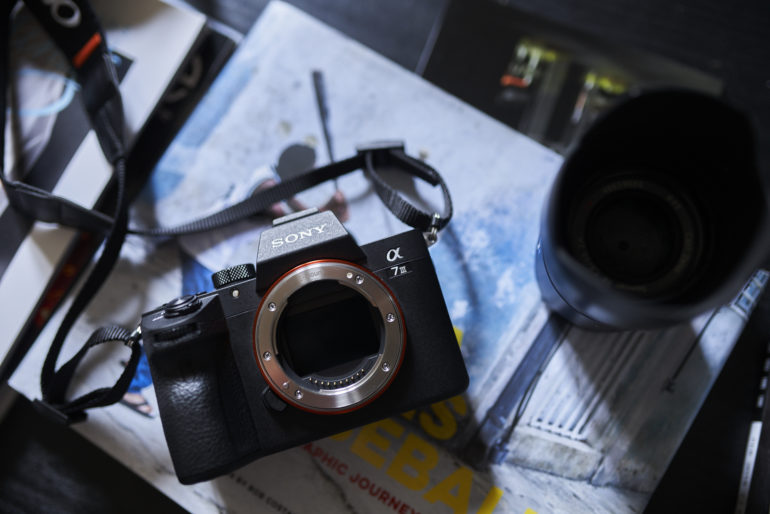
Now, with the a7s IV, a similar upgrade must come to make it competitive. From the humble 12MP sensor, it’s time the company adapts it to a higher pixel count. A 24MP sensor would then make sense. At the same time, it can be a lower sibling of the a9 III. For instance, it can include some features that can be helpful for photographers, such as better image color at higher ISO, faster EVF in low light, and the ability to use off-camera flash. Since it’s a hybrid camera, Son must also allow photographers to print larger images than those seen in newspapers. Striking a balance with the a7s IV is the best way to go.
While there is still time, Sony should take this opportunity to create a camera that offers the best of both worlds for serious enthusiasts and semi-professionals. We have come a very long way since the pandemic; however, camera makers are still struggling to give photographers something unique. Perhaps Sony should rethink its strategy for photographers.
Get rid of the ads!
Did you enjoy reading this article as much as we enjoyed writing it? There's a way to support us and our reporting, getting ad-free navigation and more as a bonus. Subscribe to us for less than a coffee per month —just $3.99— or take advantage of our yearly subscription with a hefty discount for only $25.- An ad-free experience
- A free mystery box for Lightroom or Capture One
- All the books in our store
- 20% discount on Capture One
- 30% discount on Imalume Photo Theft Protection
- 20% off Herbs and Kettle Tea Company.
- 20% off your order from MPIX printing services.
- 5% off Viltrox Products via their eCommerce store.
- 10% off all film developing, printing and scanning services from Blue Moon Camera and Machine
- 15% off 7Artisans products: The lens and accessory maker is offering a sweet discount for Phoblographer's readers.