


When it comes to photography, some lenses are preferred more so over others. For most photographers, a zoom lens is the most ideal solution, given the focal range. Fujifilm photographers will certainly be excited to learn that the company has some exciting lenses in their R&D department. Here’s what to expect.
According to Asobinet, Fujifilm has introduced a new patent, application P2026113169, which hints a lenses that deliver a compact size, a wide angle of view, and a high zoom ratio, simultaneously. The focal ranges and the designs include: 13-80mm f3.5 and 16-200mm f2.8-5.6. Here is a quick look at the examples:
Example 1
- Focal length: 13.56-84.08
- F-value: 3.60-3.65
- Angle of view: 96.66-17.78
- Back Focus: 26.19
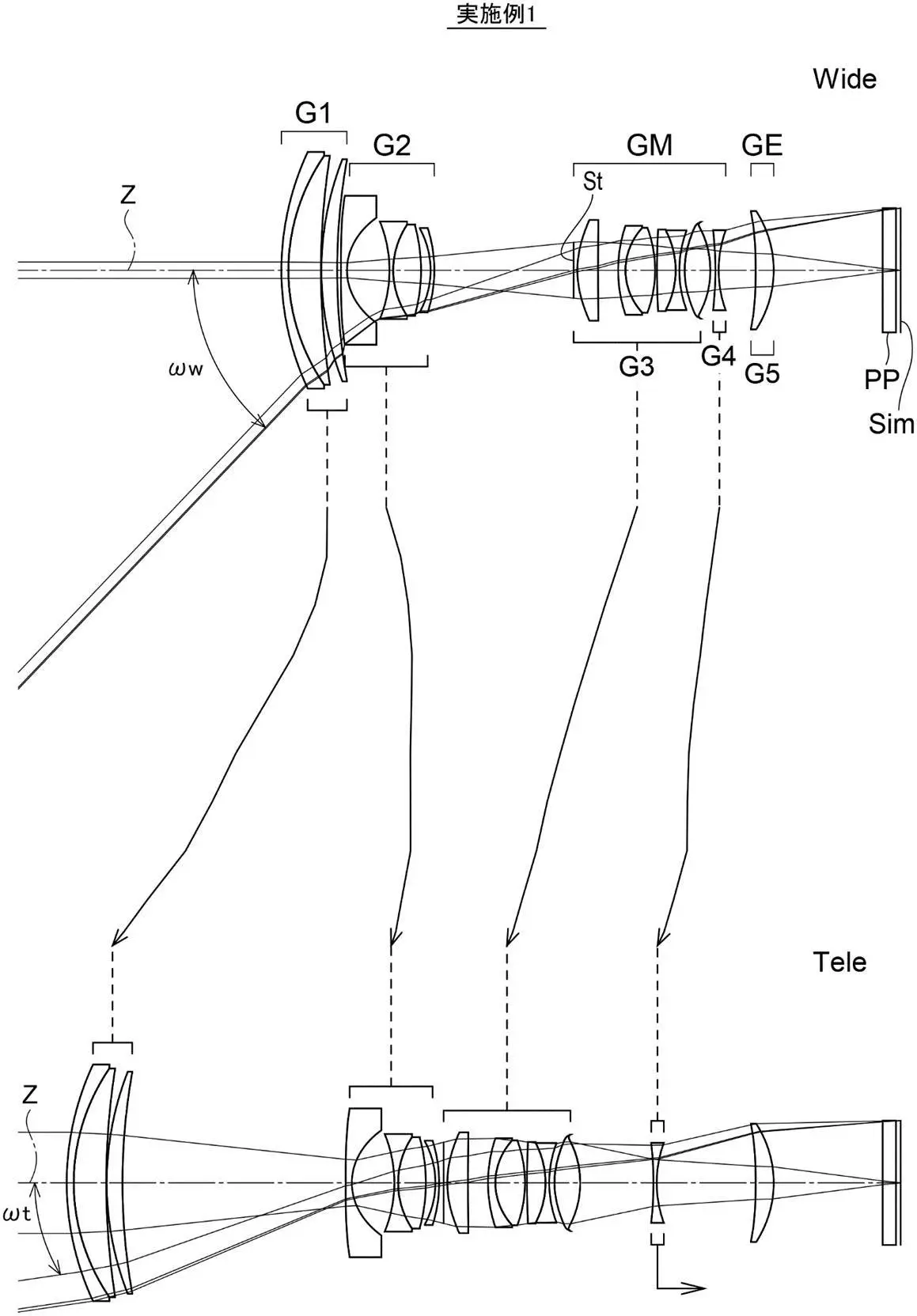
Example 2
- Focal length: 13.39-132.29
- F-number: 3.60-5.20
- Angle of view: 101.00-11.46
- Back Focus: 23.09
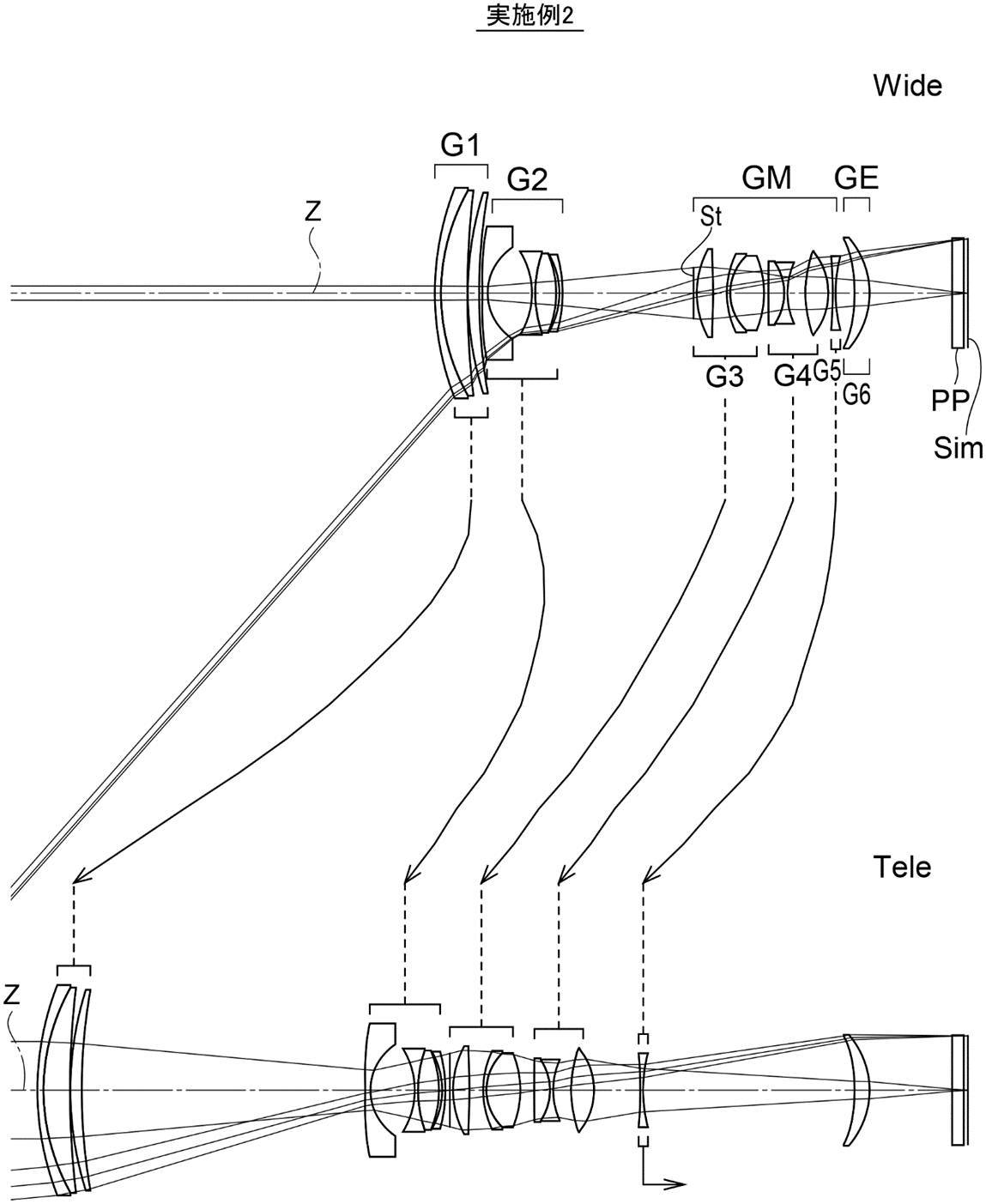
Example 3
- Focal length: 16.42-162.22
- F-number: 3.60-5.81
- Half-Angle of Traction: 88.54-9.32
- Back Focus: 18.86
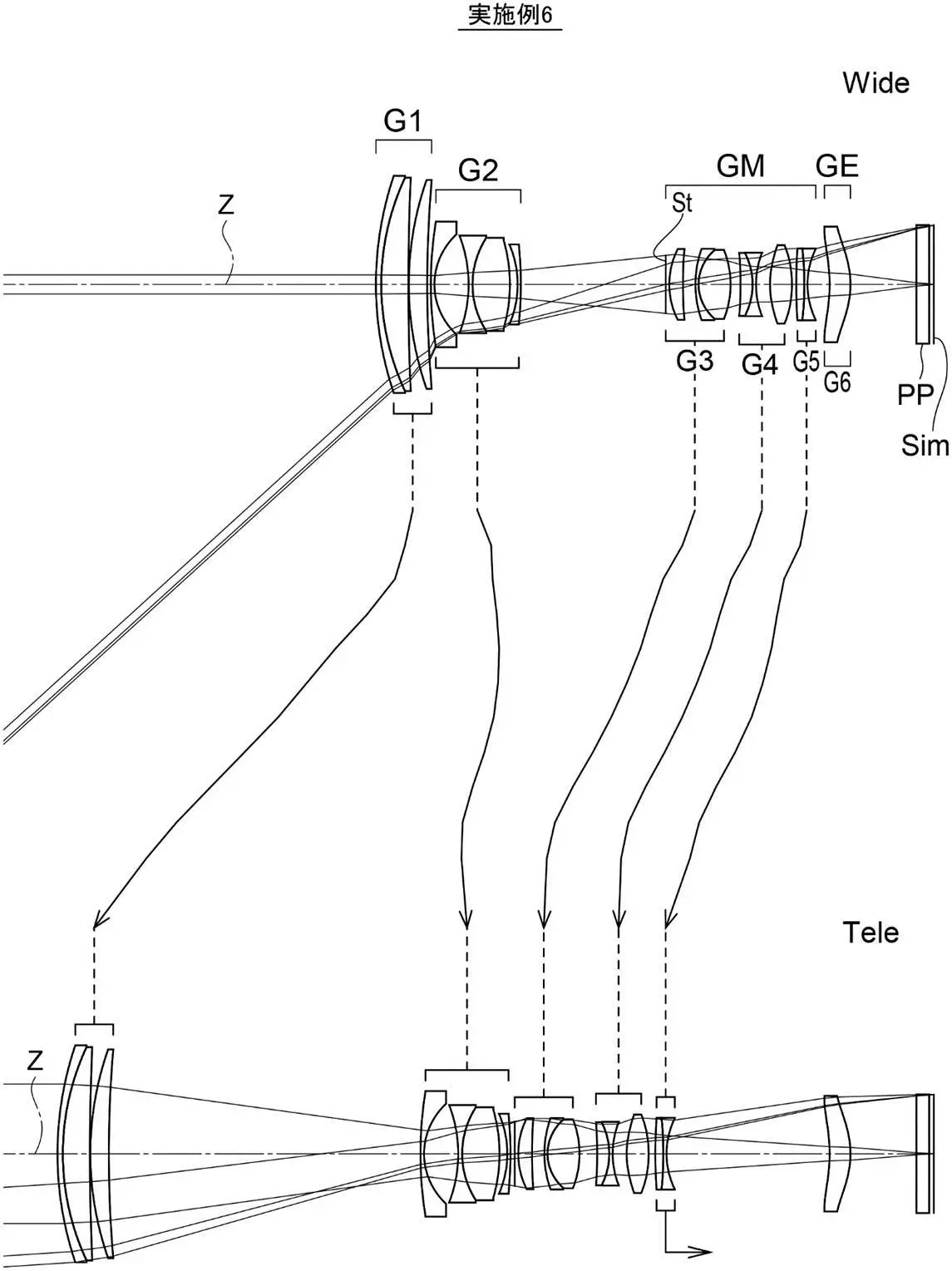
Example 4
- Focal length: 16.46-194.23
- F-number: 3.60-5.81
- Half-Field Angle: 88.32-7.96
- Back Focus: 17.73
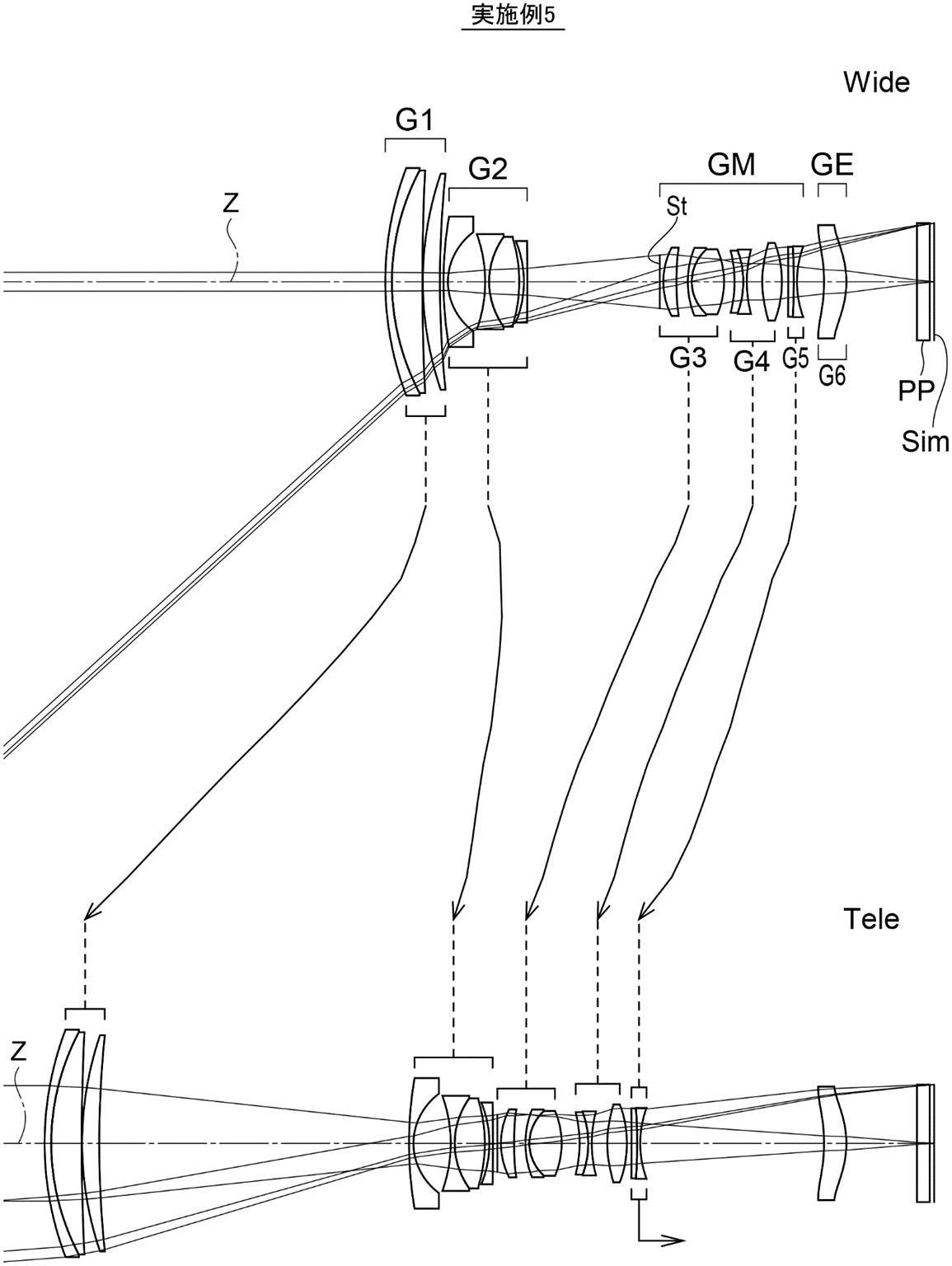
Example 5
- Focal length: 16.07-189.61
- F-number: 2.88-5.81
- Half-Field Angle: 87.58-8.24
- Back focus: 17.74
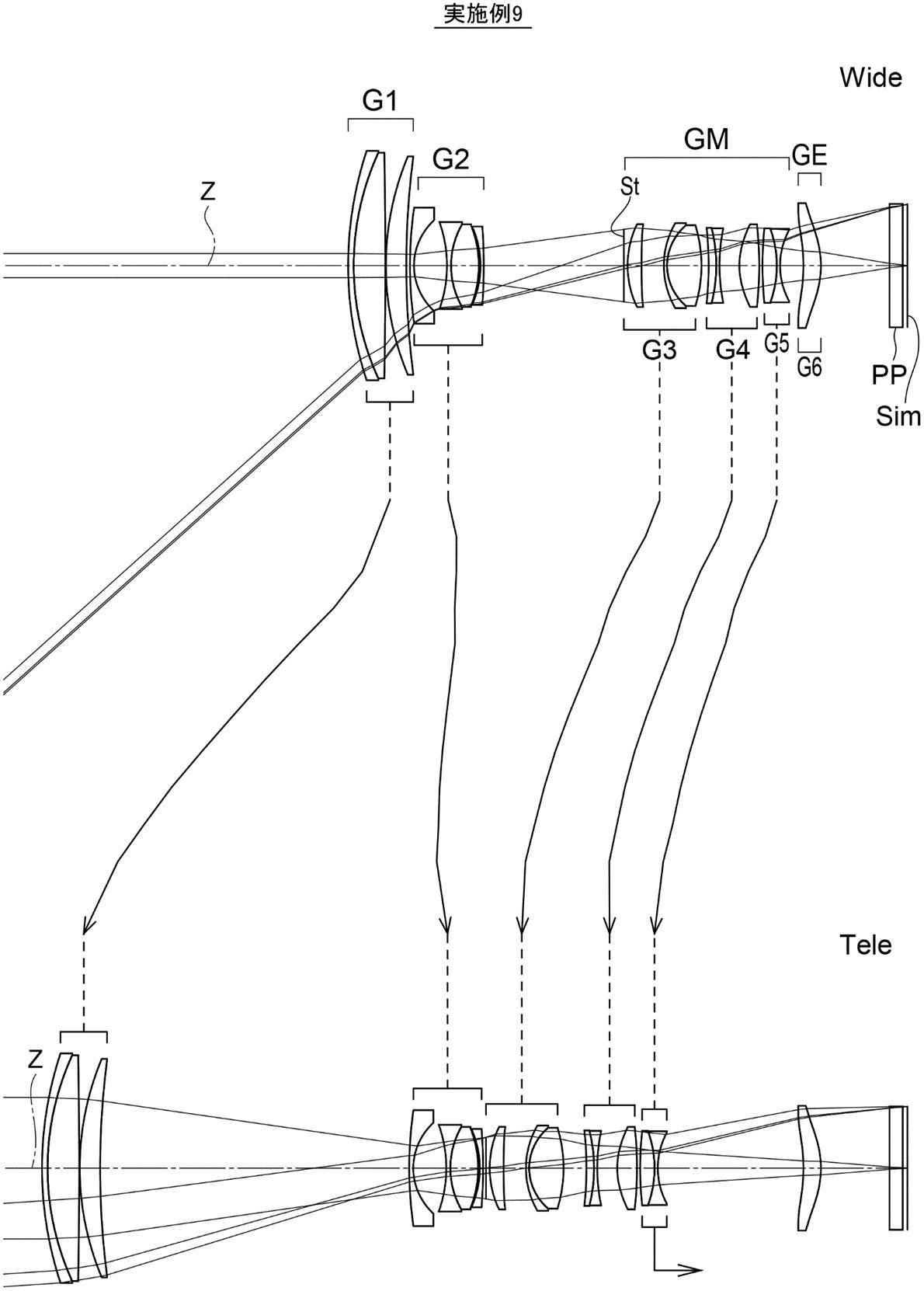
All the examples showcase very wide ranges to longer stretches. At the moment, we do not know which mount it is for. But, let’s assume it is for the X series, then they will likely be the following in full frame sense:
| 13-80mm f3.5 | 20-120mm |
| 13-130mm | 20-195mm |
| 16-150mm | 24-225mm |
| 16-200mm F2.8-5.6 | 24-300mm |
Fujifilm already has a 16-80mm f4, and so, the 13mm could offer a slightly wider variant, but also brighter f-stop. On the other hand, there is no 13-130mm, the closest focal ranges are 18-120mm and 18-135mm from Fujifilm. The only 20-200mm we can think of is Sigma’s 20-200mm f3.5-6.3, which did not score too well in our review because of its price and the aperture.
Now, the 16-150mm or 16-200mm is closer to Tamron’s lenses such as 35-150mm f2-2.8, 16-300mm f3.5-6.3 (for DSLR), or the newly launched 18-300mm f3.5-6.3, which are some great lenses. The 18-300mm covers a wide range, which is ideal for many APS-C users. Tamron also has a variety of 20-200mm options (25-200mm f2.8-5.6, 28-200mm f2.8-5.6, 28-300mm f4-7), which leaves little room for the desire of more. Unless Fujifilm introduces something that offers a wider aperture, people will not opt for newer lenses that cost slightly higher because they are first party.
Since Tamron and Sigma make super zoom lenses, there is little competition from Chinese third-parties. Fujifilm users already have some options, but they can be limiting for some. For instance, they have 70-300mm for long range and 16-55mm for wider range.
Whether the patent is actually launched or not depends on funds and Fujifilm’s willingness to explore more. Quite often, patents are just for research purposes, and not actual products with a launch date. Either way, the patent showcases the trajectory the company is willing to take. At the moment, Fujifilm is aiming to refine a compact super zoom for a better tomorrow.
Get rid of the ads!
Did you enjoy reading this article as much as we enjoyed writing it? There's a way to support us and our reporting, getting ad-free navigation and more as a bonus. Subscribe to us for less than a coffee per month —just $3.99— or take advantage of our yearly subscription with a hefty discount for only $25.- An ad-free experience
- A free mystery box for Lightroom or Capture One
- All the books in our store
- 20% discount on Capture One
- 30% discount on Imalume Photo Theft Protection
- 20% off Herbs and Kettle Tea Company.
- 20% off your order from MPIX printing services.
- 5% off Viltrox Products via their eCommerce store.
- 10% off all film developing, printing and scanning services from Blue Moon Camera and Machine
- 15% off 7Artisans products: The lens and accessory maker is offering a sweet discount for Phoblographer's readers.