Bird photography is an excellent genre that allows one to observe birds up close in their natural habitat. But the biggest challenge is getting a camera and lenses that can see far off, so you can see these creatures up close. If you are keen to photograph birds, these two APS-C cameras are the best. Why? Scroll down and see.
Canon EOS R7

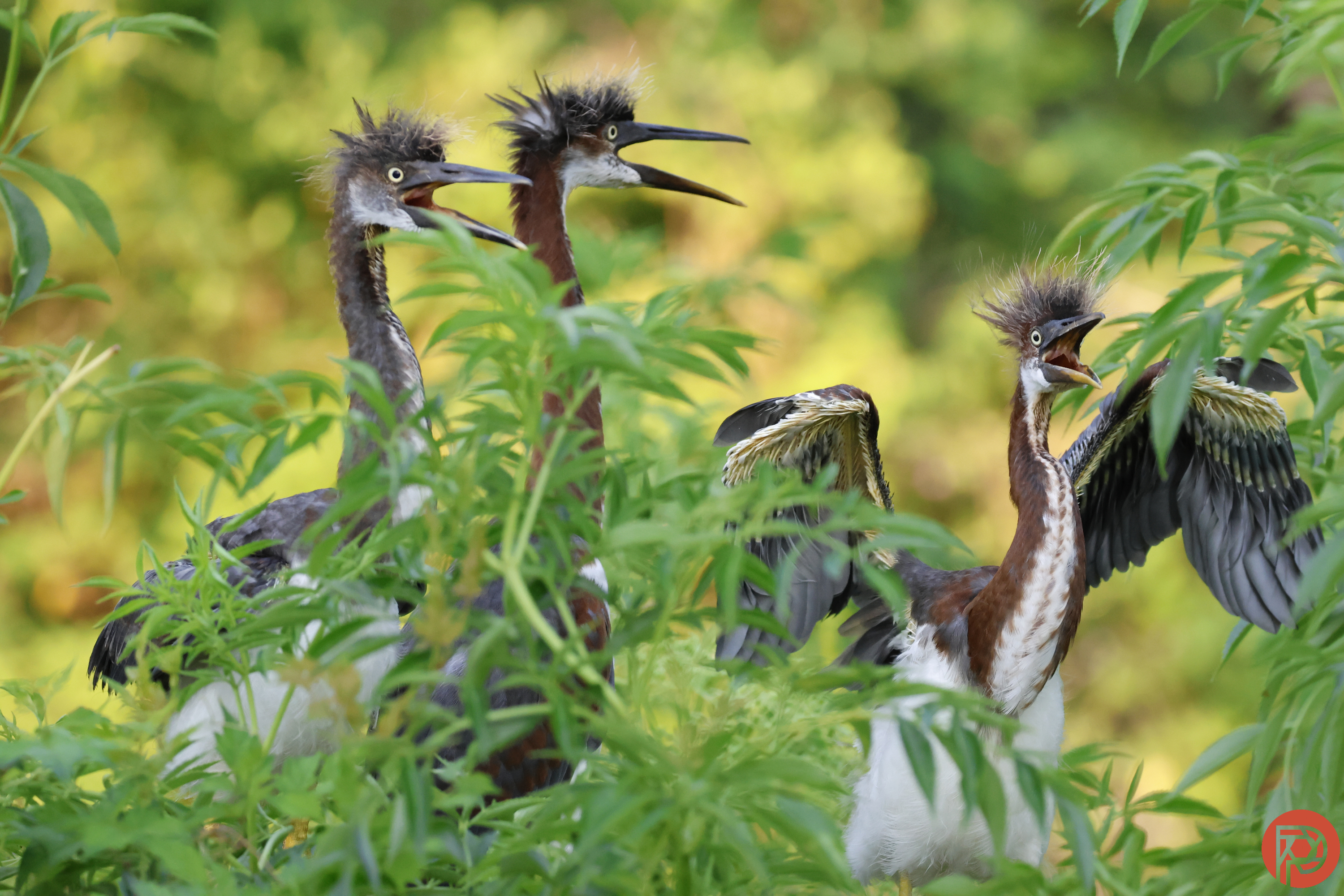
What makes it great? The Canon R7 is one of the few truly great APS-C cameras from the company. It offers quick autofocus, and with updates, the performance has only gotten better. We found that the camera works best with L-series lenses and can track subjects with accuracy, including animals and birds. In fact, the image stabilisation is quite exceptional, and we missed only 4 of the 19 shots in which a bird was obscured by leaves. It goes to prove why the R7 is so reliable.
Why is it so unique? The R7 is not as expensive as the full-frame offering; it provides a 32 MP camera and also offers a 30 fps burst rate. In addition, you also get surprisingly good image quality, and the JPEGs are great right out of the camera. Add a special camera profile, and voila, your images are good to go. The photos are also good at high ISO up to 12,800, making the APS-C camera ideal for low light shoots.
The Canon camera user that has a full-frame RF camera and wants to have better and more capable autofocus. Indeed, I’d gladly use this alongside my Canon EOS R. Wildlife and bird photographers: this has to be one of the most perfect cameras on the market for you at a budget.


Nikon D500

What makes it great? The Nikon D500 features a 20MP sensor and can shoot up to 10 fps. It is designed for some professionals, which means it offers a simpler design with multiple knobs and dials for day-to-day use. However, where it absolutely excels is the build quality. You get a nice grip and weather sealing that can withstand any outdoor challenge. The menu is also quite easy to navigate.
Why is it so unique? Where the Nikon D500 shines most is its autofocus, which is quite blazingly fast. We used it in low light, and it still shines. It is not just quick but also very consistent and accurate. The APS-C camera is also capable when it comes to images. The JPEGs are very good, but the RAW files are even more versatile. We were able to recover details with ease. The high ISO is also nice, and it reminds one of the X Pro 2. Overall, the camera won’t disappoint you.
The Nikon D500 is an incredibly capable camera–and I honestly recommend it for both pros and semi-pros. It’s a seriously great camera that I’d recommend to sports, photojournalist and wildlife shooters. They’re bound to make the most of it.


Get rid of the ads!
Did you enjoy reading this article as much as we enjoyed writing it? There's a way to support us and our reporting, getting ad-free navigation and more as a bonus. Subscribe to us for less than a coffee per month —just $3.99— or take advantage of our yearly subscription with a hefty discount for only $25.- An ad-free experience
- A free mystery box for Lightroom or Capture One
- All the books in our store
- 20% discount on Capture One
- 30% discount on Imalume Photo Theft Protection
- 20% off Herbs and Kettle Tea Company.
- 20% off your order from MPIX printing services.
- 5% off Viltrox Products via their eCommerce store.
- 10% off all film developing, printing and scanning services from Blue Moon Camera and Machine
- 15% off 7Artisans products: The lens and accessory maker is offering a sweet discount for Phoblographer's readers.