Last Updated on 03/16/2026 by Chris Gampat
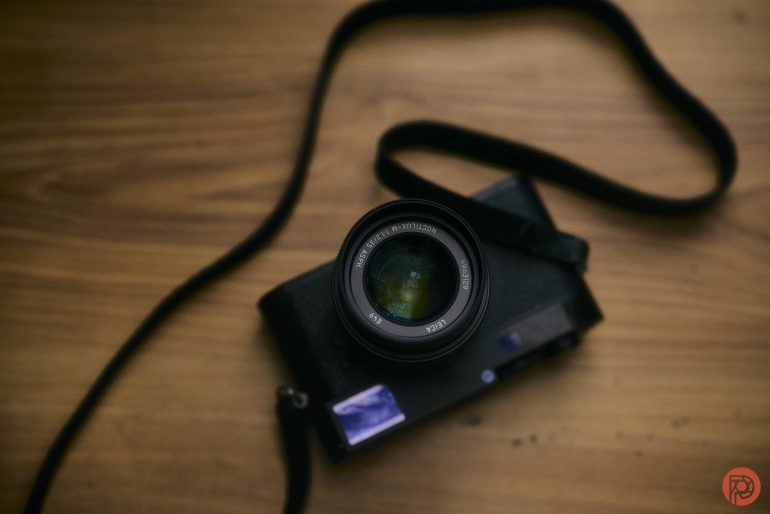
I’m going to be frank here: I don’t know how to start this review. And that’s because all that I’d end up saying is that I love this lens. The Leica 35mm f1.2 that I had in for review felt like some of the most fun I’ve had with photography in a while. The big Japanese manufacturers never really seem to give me what I want, but Leica does for a higher cost. And during this review process, I really got to thinking on why I don’t just sell all my camera gear and just move right on over to the Leica M system fully.
This is something that I’ve debated for a really long time. The Phoblographer just turned 16 years at the end of 2025. And I keep cameras from every camera system around for review purposes. There are times that I thought that I’d get more into bird photography than I already am. But at the heart of things, I prefer the presence of humans than I do birds. And with that said, I like zone focusing and standard to semi-wide focal lengths.
A part of my mind wanted to make a joke about how long focal lengths often were teased as being able to spy on your neighbor’s attractive femme household member. But the truth is that we live in a world of Instagram and social media where feminism has rightfully made strides. Long focal lengths, instead, are used in the bushes and the forests where they can spot wildlife.
Yet still, I prefer to get up close to things. And the Leica 35mm f1.2 M lets me do exactly that in various ways.
Table of Contents
The Big Picture: Leica 35mm f1.2 M Review Conclusions
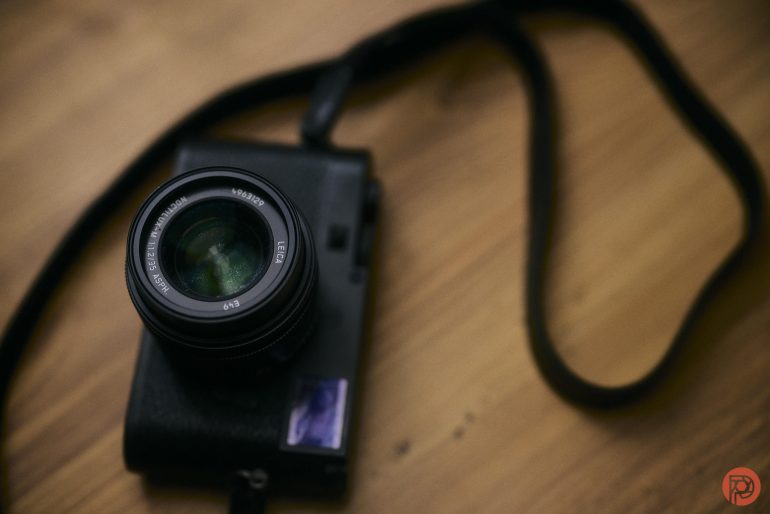
There is so much that I’m absolutely shocked by with this lens. First off, I’m amazed that the Leica 35mm f1.2 isn’t absolutely ginormous. For years, the Japanese manufacturers have told journalists like me that for a lens to be this fast, it needs to be massive. But Leica, over and over again, shows us that this isn’t really true. Sure, you lose autofocus — but you gain back a part of you that’s been disappearing due to automations and brainrot. Manually focusing a lens designed for that focusing style is much different from manually focusing a lens designed for autofocus because the focus throw is often designed for speed with the latter. This is evident with brands taking away the zone focusing distance scale from many of their lenses. With that said, my zone focusing abilities have never been faster.

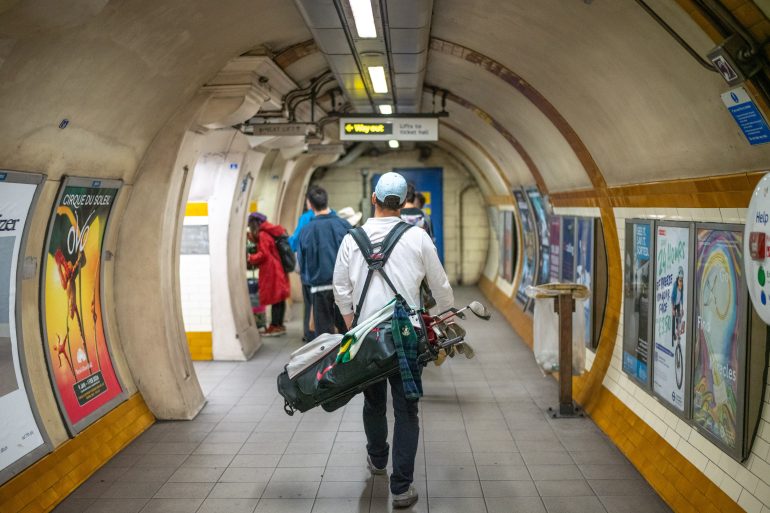
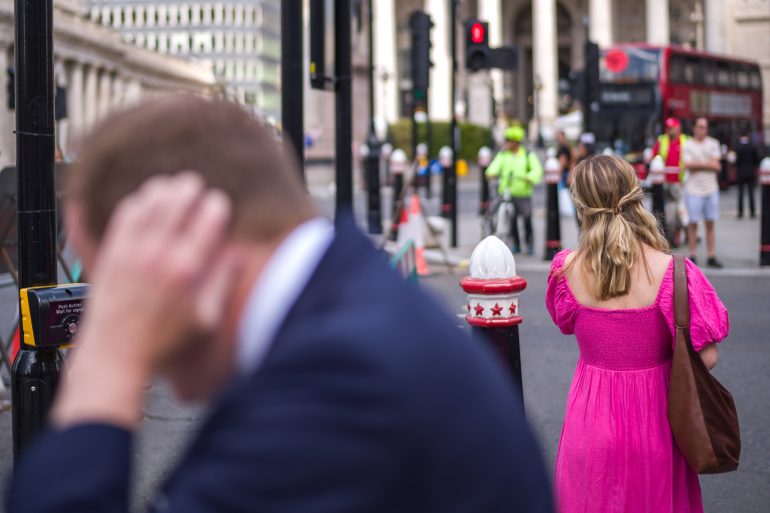
The Leica 35mm f1.2 has a sweet spot when you focus at between 6 and 8 feet away and stopped down to anywhere between f5.6 and f8. It’s hard to not get something in focus then when you’re doing street photography. Truthfully, it makes photography so much easier. With an autofocus camera, I’d need to confirm which face is in focus and then take a photograph if I didn’t need to choose the face manually. But with zone focusing, everything is in focus, and the images look like real, authentic documentary-style photographs.
I’m thoroughly impressed with this lens. It boasts solid build quality, ease of use, closer focusing abilities than standard rangefinder lenses, stunning image quality, sharpness and pop, etc. I could go on and on. Frankly, the Leica 35mm f1.2 is one of the most perfect lenses the company has ever made.
My only gripe with it is the lens hood and how Leica’s lens hoods that are built into the lens never seem to consistently align correctly. I shouldn’t have to circumnavigate this, but I can easily do so by putting a filter on the lens’s front element instead for protection.
Of course, this is a Leica product — and so the price will be high.
- Pricey
- The lens hood is prone to misalignments
- Stunning image quality
- Closer focusing abilities than most rangefinder lenses
- Nice bokeh
- Sharp throughout the frame
- Good color
- I wish that it had a focusing tab
- Zone focusing has never been simpler
- Not formally weather-resistant, but it survived a heck of a lot

The Leica 35mm f1.2 receives five out of five stars and our Editor’s Choice award. Want one? Check it out on Amazon.
Experience
One of the reasons why I left the Fujifilm X system years ago was that their lenses stopped feeling like classics. That chunkier and shorter build that was so present in the 16mm f1.4 and the original 23mm f1.4 just wasn’t going to come back because the company was and still is so focused on shooting video instead of making nicer still images. With that in mind, the Leica 35mm f1.2 M is the answer to what my younger self has wanted for so long. This lens is short, chubby in the right places, has a satisfying organic aperture click, feels nice when focusing, and is overall very small. I swear, every time I pick up a Leica M, I wonder why I haven’t just switched over to the damn camera system to begin with. And considering everything that has happened to me after two eye surgeries and how my brain is actively rewiring itself to adapt despite being almost 40 years old, this lens is really starting to make me think that if I lead the Phoblographer’s team into some real success this year, I might just buy in finally.

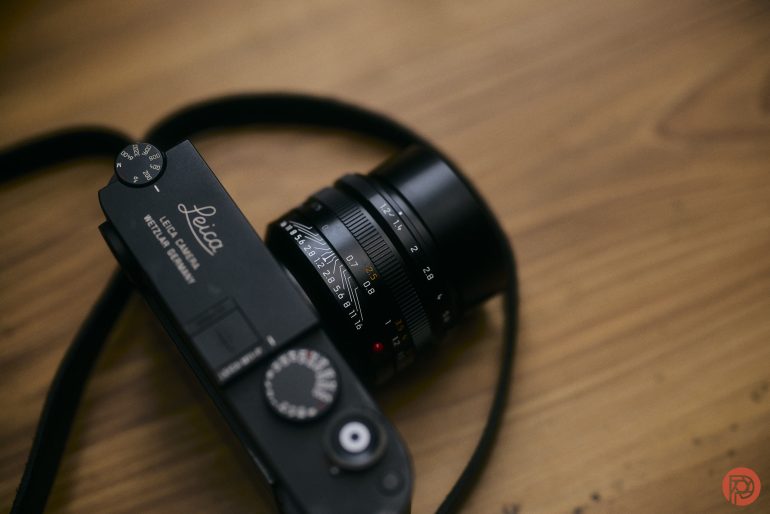
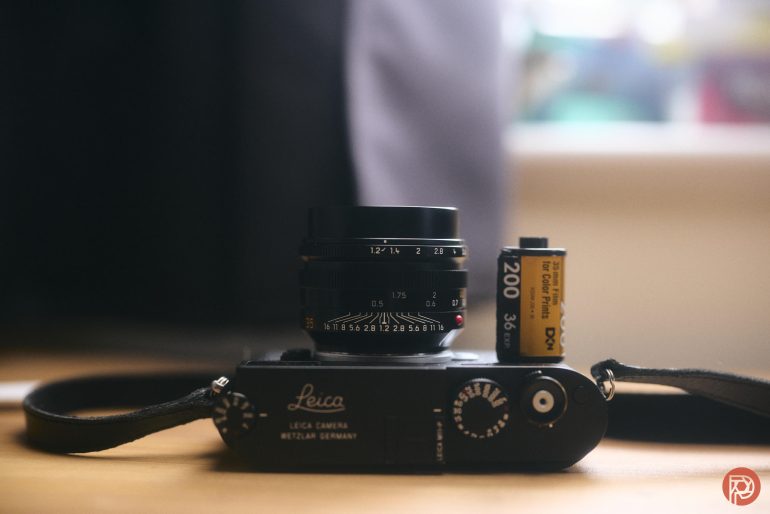
I start this review by saying this: the Leica 35mm f1.2 M is around the size of a roll of 35mm film — but it feels more like a piece of nice, sweet, stone fruit than a plastic-fantastic can.
What I really love about the Leica 35mm f1.2 M is the fact that it’s a manual focus experience. If you’re struggling to understand why I’d want that, then I truly hope that you’re not too far down the rabbit hole of letting the machines and AI do everything for you that you’ve forgotten how to be human. And more importantly, I hope that you’re not suffering from aphantasia.
When you manually focus, you have to pre-think. Obviously, that means that you’re zone focusing or sometimes looking through the viewfinder and manually focusing the lens. Then you’ll end up sliding the camera around to recompose the scene. This is FAR more intentional and human than letting the cameras do the work for you. It requires presence that you’re not getting with autofocus because you’re relying on the gear to do the job.
I left the Fujifilm X system years ago was that their lenses stopped feeling like classics.
The clarify this some more, I bought a Nikon D850 last year and went back to using DSLRs because I got sick of all the AI, scene detection, and the work that’s done for me by most mirrorless digital cameras.
I’m aware that this isn’t always the best thing for professional work, where you feel you need autofocus. And that’s fine – just because I know how to zone focus and I’m so in tune with my artistic side shouldn’t take away from the joy of your own experience shooting with machines that do the work for you. And just because I exercise those muscles instead of relying on the camera’s equivalent of a car with AI just means that we’ve adapted to our surroundings in a way similar to someone who walks compared to someone who doesn’t walk.
With that said, I’m proud of the former version of myself that decided to be even more intentional about my work and putting the work into myself instead of searching so hard for external validation that will never come. The truth about the internet, after all, is that you can throw gold and silver into a wishing well and it might never return the favors.


Keeping this in mind, the results I’m getting feel a lot more human, with few frames, and an experience that feels so much more rewarding to know that I got the shot and pushed myself to get the right moment.
During my testing of this lens, I went out into the snowfall here in NYC. It was more like sleet, though. And while I got some really beautiful images that I’m very proud of, I also took a tumble and fell backwards on a slippery surface. The Billingham messenger bag that I had around my back contained my Leica M6 in there along with a notebook, some beard oil, and other things. I think that bag broke my fall, along with the extra layers of clothing I had on. I saw the Leica M11P and the 35mm f1.2 go down right next to me. But to my surprise, they were absolutely fine.

This, genuinely, is one of the reasons why I love Leica products. It’s like buying insurance that will actually pay for the accident that you got into. I’ve taken similar falls in my career with Fujifilm gear in my hands and it hasn’t survived this. Sony and Canon gear are similar. The only gear that’s really survived brutal falls with me has been Olympus and Leica. Oh yeah, and Bronica medium format stuff.
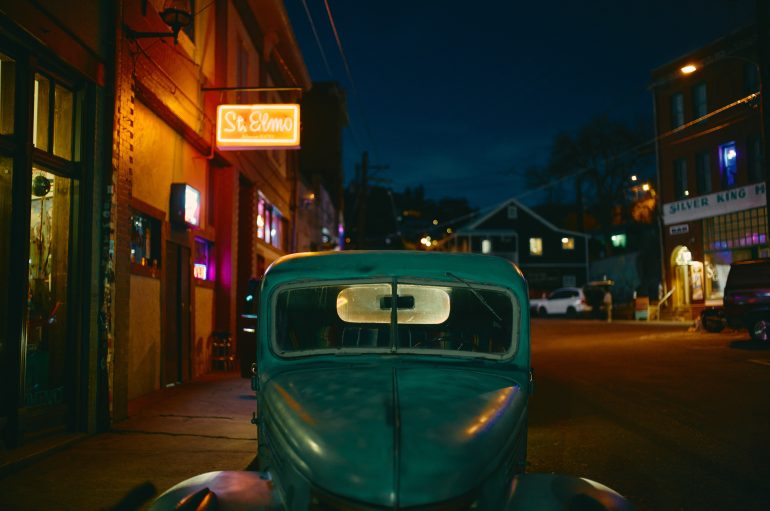

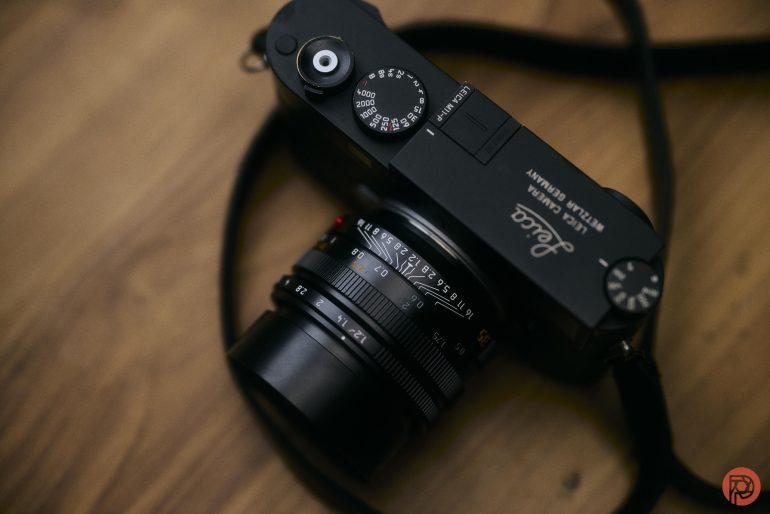
With that said, the Leica 35mm f1.2 is insanely well built. My only issue has to be how the lens hood, which is built in, is deployed. Sometimes it never gets on perfectly straight – but that’s been the issue since I got the lens in for review.
Image Quality
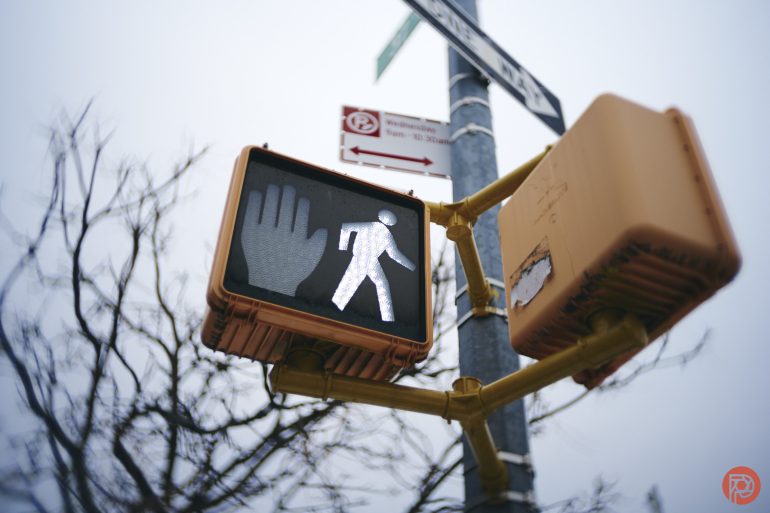
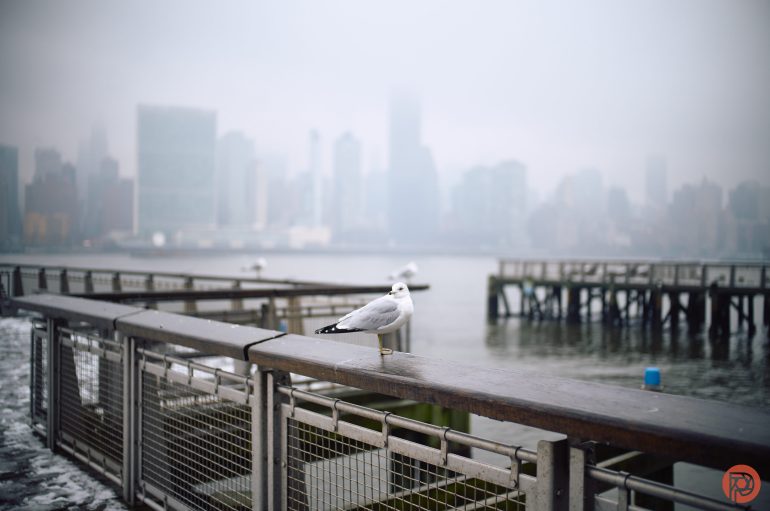
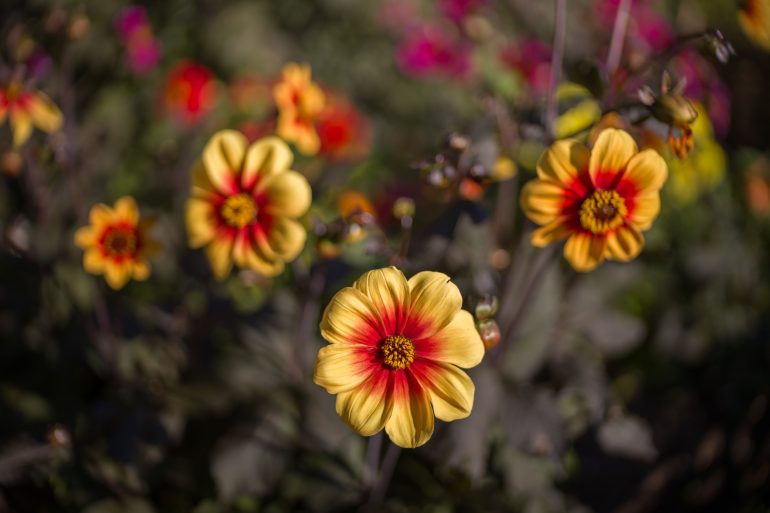
There’s so much to talk about here. The bokeh? It’s beautiful for sure, but what’s truly worth talking about and discussing is how the micro-contrast pops even more than anything I’ve seen before. This is perhaps because of how the 60MP sensor in the Leica M11-P works and Leica’s color rendering. Anyone who’s been a Leica fan knows that the M11 and its variants invoked Leica’s past with the M9 color render. And through and through, the Leica M11 is the truest successor to the Leica M9.
With that said, there’s nice sharpness, and the versatility of even allowing the lens to focus closer than normal rangefinder lenses is an extremely nice touch. Just make sure that when you’re focusing the lens that the rangefinder window and the viewfinder are clean.
I know that I’m going to get ripped apart on social media for this. And before I go on, you should know something: I don’t care. I’m far beyond the point of external validation for a blip of fame on the internet and I make images for me first and foremost. I hope that many of you get to that point.
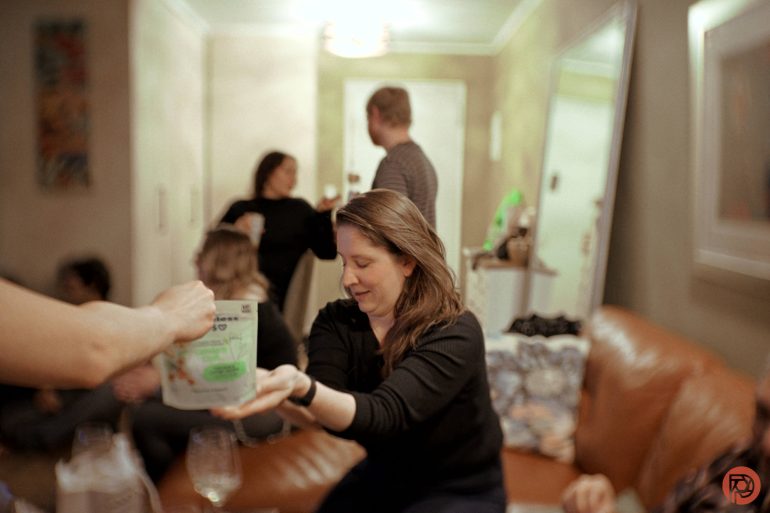
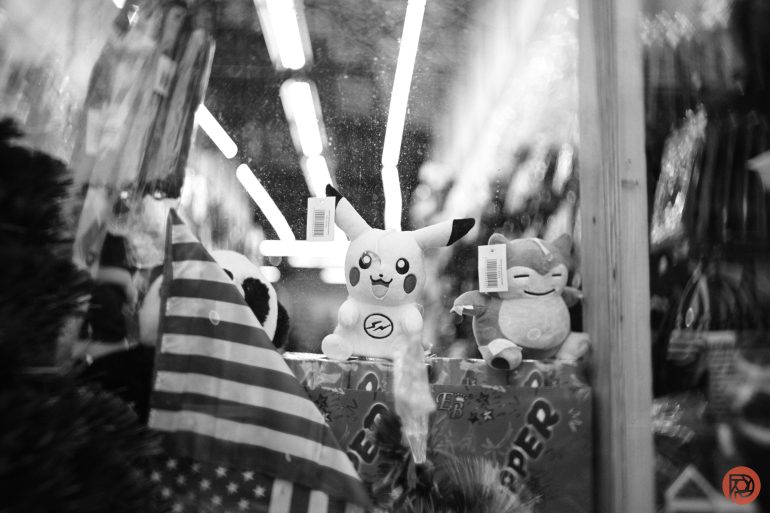
With that said, I’ve got to say, even when I get moments out of focus and blurry, this lens and camera combination can still make moments of really beautiful and expressive art.
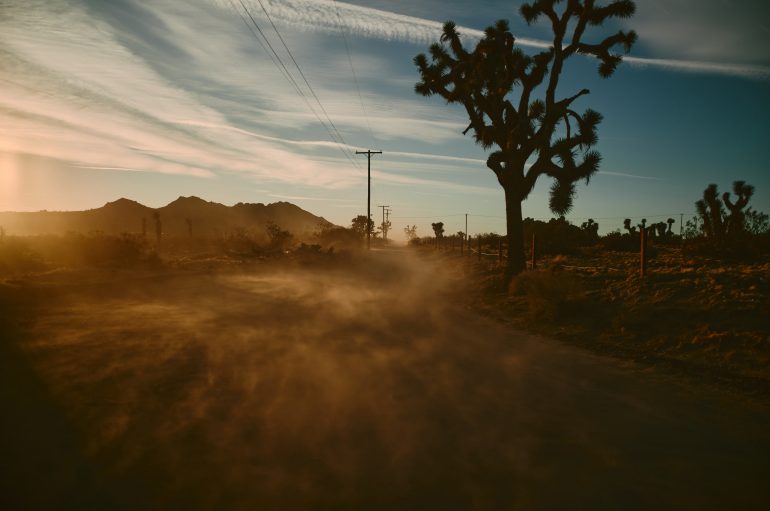
The following images have been edited.


The following images are straight out of camera with a conversion from RAW to JPEG.


Update March 2026

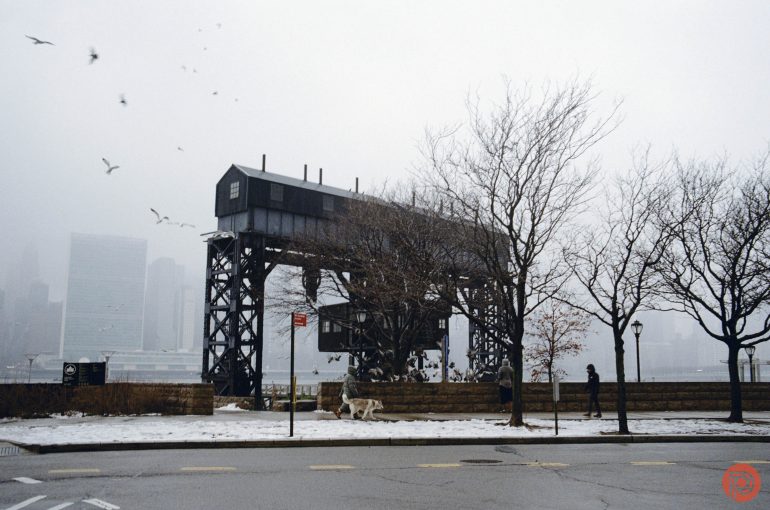
I remember walking along the Long Island City waterfront on the sold, semi-snowy day in NYC when I was reviewing the Leica 35mm f1.2 lens. I also remember loading Kodak Kodacolor 100 into the camera and saying to myself that the images are bound to look really classic. And believe it or not, I was right.
Making photos on film with this new lens isn’t the same as making those same images on digital. With digital, there’s a pop to the images that’s pretty unmistakable. But with film, there’s a vibe and color that doesn’t come with the otherwise sterile digital format.
Where digital is designed to feel like a blank canvas for you to make a painting, film is designed to be an exterior wall with character for you to make a mural. And with that, I’ve got to say that I really, really, majorly enjoyed making those images on film. Pointing the camera through the 7 train window and slowing the shutter speed down while stopping the lens down made me think that yes, I would get blurry images. And yes, they’ll be softened by the window in front of me.
But who cares? It’s all about a look.
Compared to the digital photos I made, I can’t help but really adore the film photographs that much more. And ultimately, this is something that I truly love about the Leica M-series of cameras moreso than I do with the L-series. I can switch between film and digital. That can’t be done as easily anymore except if you’re still using DSLRs. And even then, you’ll lose some sort of support for the lenses after a while.
When I really think about it, I don’t think that I could’ve made these images as easily on digital. To get this look and feel, I’d have to use presets of some sort and even then, I still don’t think that I could get matching tones, the specific colors, etc. Blue Moon Camera did such a wonderful job with the development and scanning of my film.
This is yet another part I love about it: with digital, you have to do your own processing. But with a film lab, you get the images processed for you and you’ve got to live with the look. And 99% of the time, I really do adore that look.
I’m sure there will be some tech-bro with an AI that claims that he can get this same look with digital. But that’s removing the humanity from it. Digital isn’t meant to be used the same way that film is.
Tech Specs
Taken from Leica’s website:
| Lens | Leica Noctilux-M 35 f/1.2 ASPH. |
| Order Number | 11 635 |
| View angle | |
| Diagonal/Horizontal/Vertical (24×36 mm) | 63.3° / 54.3° / 37.7° |
| Lens system | |
| Number of lenses/assemblies | 10/5 |
| Number of aspherical surfaces | 3 |
| Position of entrance pupil before bayonet | 24.5 mm |
| Focus range | 0.5 m to ∞ |
| Focusing | |
| Scale | Combined scale meter (m)/foot (ft) |
| Smallest object field | Full-frame: 277 × 416 mm |
| Largest scale | 1:11.6 |
| Aperture | |
| Setting/Function | Click-stop diaphragm with half-increment lock settings |
| Smallest aperture | 16 |
| Number of diaphragm blades | 11 |
| Bayonet | Leica M bayonet with 6-bit encoding |
| Filter thread | E49 |
| Lens hood | Extendable |
| Dimensions | |
| Length | Approx. 50.2 mm |
| Diameter | Approx. 64.6 mm |
| Weight | Approx. 416 g |
Declaration of Journalistic Intent
The Phoblographer is one of the last standing dedicated photography publications that speaks to both art and tech in our articles. We put declarations up front in our reviews to adhere to journalistic standards that several publications abide by. These help you understand a lot more about what we do:
- At the time of publishing this review, Leica is not an advertiser with the Phoblographer. Either way, that wouldn’t affect our reviews.
- Note that our reviews are constantly works in progress. This review will be updated later on.
- None of our reviews on the Phoblographer are sponsored. That’s against FTC laws and we adhere to them just the same way that newspapers, magazines, and corporate publications do.
- Leica loaned the Leica M11-p, Leica 35mm f1.2 M, and accessories to the Phoblographer for review. There was no money exchange between Leica and the Phoblographer for this to happen.
- Leica knows that they cannot influence the site’s reviews. If we don’t like something or if we have issues with it, we’ll let folks know. We were the first publication to inform about the issue with the Leica M10R and how it renders the color orange.
- Leica sent the product to Phoblographer in NYC to loan the camera to us. Our home office is based in New York.
- At the time of publishing, the Phoblographer is the only photography publication that is a member of Adobe’s Content Authenticity Initiative. We champion human-made art and are frank with our audience. We are also the only photography publication that labels when an image is edited or not.
More can be found on our Disclaimers page.