

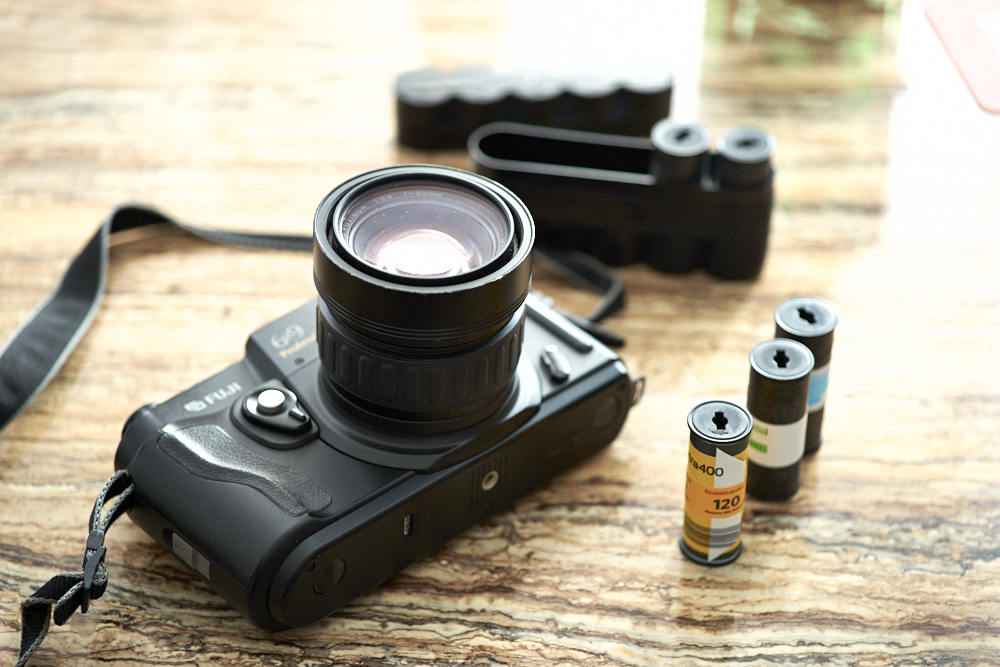
Fujifilm cameras are important for many users. The X series is important for serious enthusiasts, while the medium format ups the game for professional photographers. However, the story began a while ago, and today we are looking at the few offerings that changed the way we look at cameras. Have a look.
Fujifilm TX-1

The TX-1 was created around the time of Hasselblad XPan, which helped redefine the panoramic aesthetic. Launched in 1998, the camera could switch between 24 x 36mm and 24 x 65mm super-wide panorama formats. The TX-1 used the full height of 35mm film and nearly doubled its width, producing a cinematic 2.7:1 aspect ratio. The camera also came with a motorized film advance that adjusted the spacing between frames automatically when the format was switched. The titanium body and bright, parallax-corrected viewfinder made it a favorite for travel and landscape photographers. Even today, the TX-1 is a cult classic.
Fujifilm GW690 III
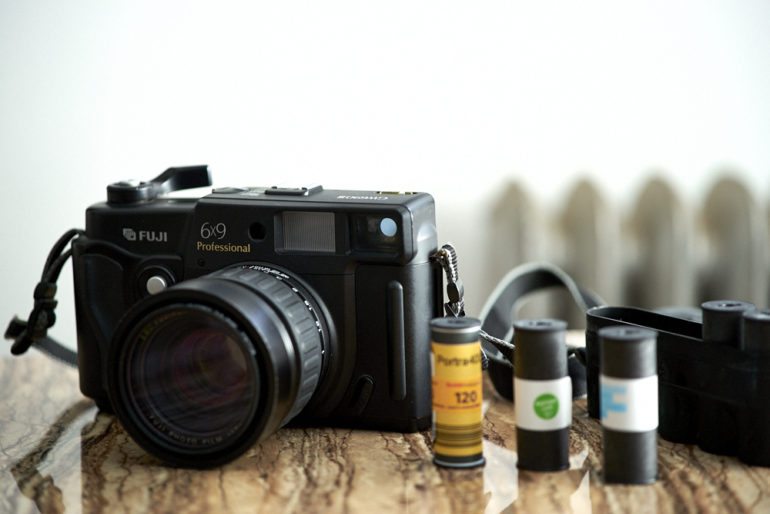
The GW690 III was introduced in 1992 and was called the Texas Leica. The device is a medium-format rangefinder, which also showcases how far Fujifilm’s fixed-lens 6×9 series can go. It worked with a 6 x 9cm negative, and is roughly 5x the size of 35mm film. The device also works with a 90mm f3.5 lens. There is also a No. 0 interlens leaf shutter, and the flash can be synchronized up to 1/500s. We tested the camera, and we loved it. “I not only see this as a fantastic camera for landscape photographers, but also for portrait photographers,” we said. “When used with an off-camera flash, you’re going to get so much out of that lens. Combine this with using new film, and you’re getting beautiful photos every time.” With only 8 shots per roll, the camera is a tool that helps you slow down.
Fujifilm X100 Original
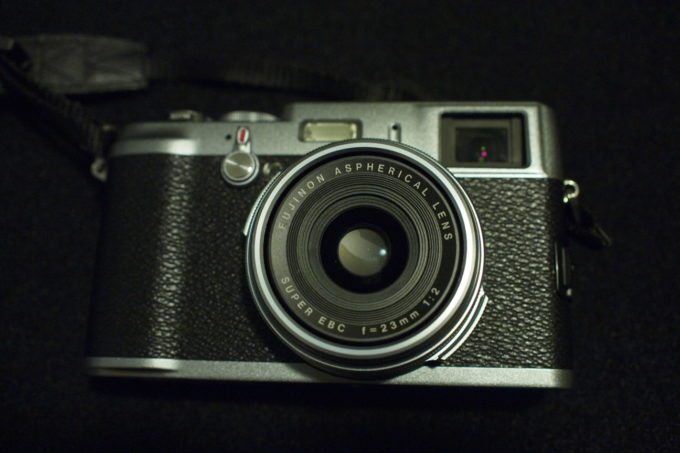
The X100 was the first camera in the series to revolutionize modern retro-digital movement. The camera came with a 12.3MP APS-C sensor, a 23mm lens, and a hybrid viewfinder with 1.44-million-dot resolution. Another innovation is a built-in 3-stop ND filter and a leaf shutter, which offer near-silent operation and high-speed flash sync at speeds impossible with DSLRs. We tested the camera and found the autofocus to be fantastic in good lighting, including modeling light. But it struggles in low light. As for the images, we said, “Their dynamic range and color depth are both very good and that can help you to create better images in the digital darkroom: especially if you need to correct the white balance which yields very true to life results.”
Fujifilm X Pro 1

A year after the X100, the X-Pro 1 was a technical achievement as it was the first mirrorless camera that featured a 16MP X-Trans sensor. It features Bayer patter, which uses a unique 6×6-pixel array inspired by the random grain of film. As a result, the camera captures extreme detail while naturally resisting moiré and false colors. It was also the world’s first digital rangefinder-style camera to offer such versatility with interchangeable lenses. The device also features a slower autofocus, but the camera makes up in the image department. As we said, “Something else that I’m also very smitten about with the Fujifilm X Pro 1 is just how wonderful the skin tones are. Not only do they really mimic the look of film (and that even goes for the Velvia mode. The tones almost beat my 5D Mk II but aren’t close.”
Fujifilm GFX 50S
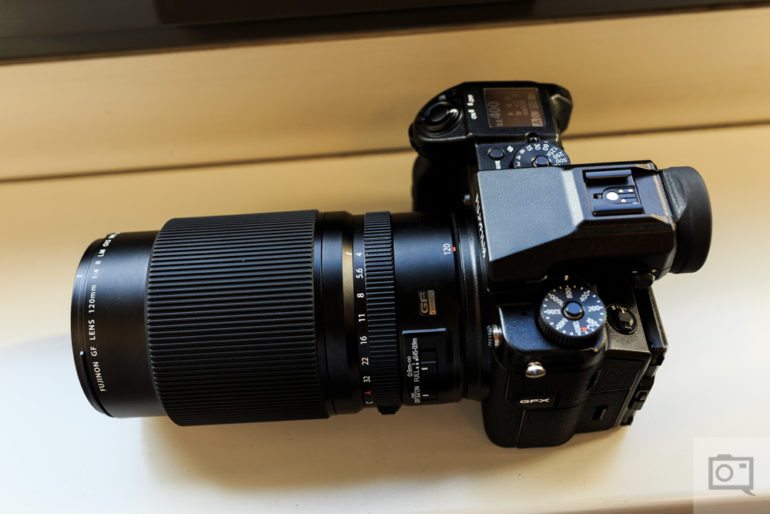
Another disruptive camera is the GFX 50S, which was launched in 2017. The device was the first medium format mirrorless camera, which was also undercut by price. It features a 43.8 x 32.9 51.4MP CMOS sensor, which is also 1.7 times larger than a full frame. It also led to the innovative G-mount lenses, with a short 26.7mm flange distance. It also means there is a removable and tiltable electronic viewfinder (EVF), allowing photographers to customize the camera for studio work or waist-level street shooting. In our test, we found the camera lightweight, had versatile RAW files, and had very fast and accurate autofocus. As we added, “The Fujifilm GFX 50s can output some fantastic RAW files; let’s get that out of the way. They are very, very good with great color depth, great dynamic range capabilities, and pretty amazing high ISO output. Indeed, this sensor can be a great workhorse for so many photographers who need it.”
Get rid of the ads!
Did you enjoy reading this article as much as we enjoyed writing it? There's a way to support us and our reporting, getting ad-free navigation and more as a bonus. Subscribe to us for less than a coffee per month —just $3.99— or take advantage of our yearly subscription with a hefty discount for only $25.- An ad-free experience
- A free mystery box for Lightroom or Capture One
- All the books in our store
- 20% discount on Capture One
- 30% discount on Imalume Photo Theft Protection
- 20% off Herbs and Kettle Tea Company.
- 20% off your order from MPIX printing services.