

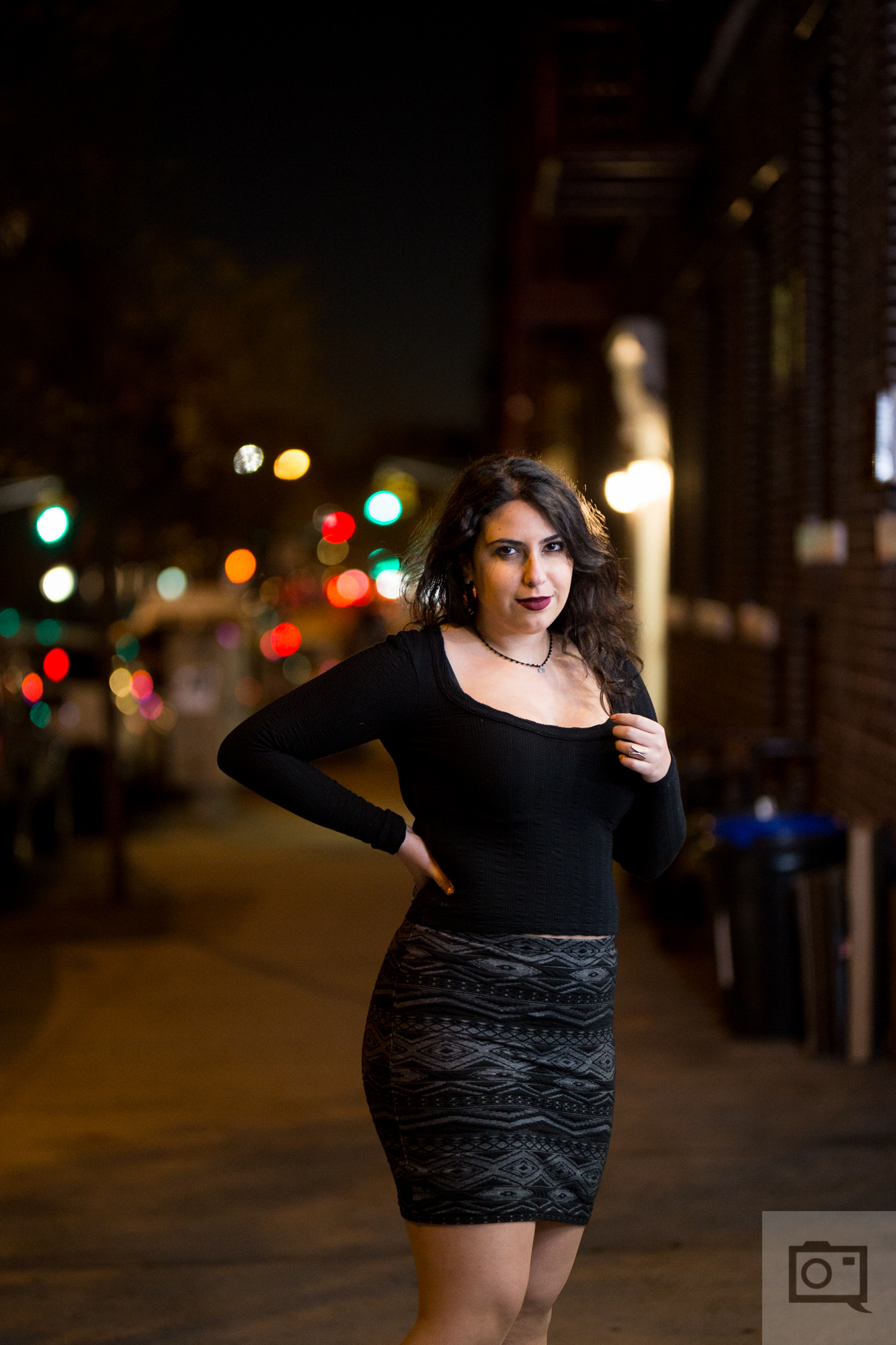
I’ve been a working photographer in some capacity or another for 21 years now. I think that it’s incredibly important to gauge yourself as a photographer. And by that, I don’t mean that you should compare yourself to others — comparison is the theft of joy. But instead, I think that we should see how we’ve progressed from who we were as photographers. It’s important, when doing this, to know that we never go back. We only go forward even though sometimes that looks like we’re moving backward. It’s all really about how we talk to ourselves. So, from a place of unconditional positivity for myself, I’ll be talking about how I changed as a photographer over the past 10 years.
For this article, I’m going to be showcasing images that I shot a decade ago, back in 2016. So if you’ve been a reader of Phoblographer for a long time, you’re probably going to experience a bit of nostalgia.
I Edit My Photos Even Less
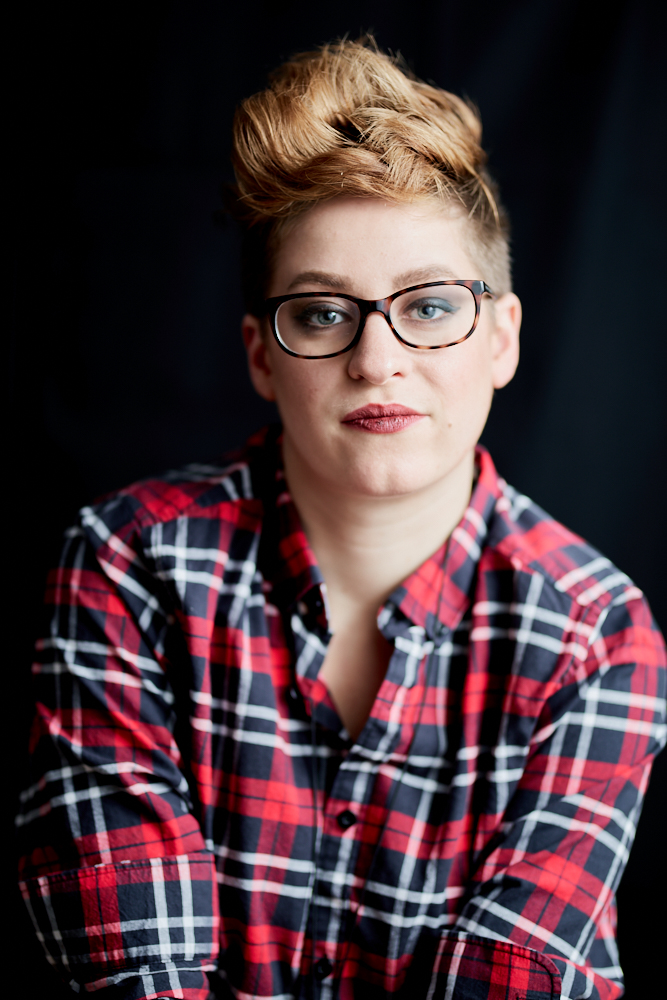
The image in this section was shot with the older Sigma 85mm f1.4 for the Canon EF mount. I was testing it on the Canon 6D and the Canon 5D Mk IV. And back then, I remember that I used to do pretty minimal editing. In fact, it was so deceptively minimal that I remember getting emails almost weekly asking people to release the secrets about how I edit. Folks wanted to pay for presets, personal editing tutorials, etc. Looking back now, I could’ve totally cashed in on it. But that would’ve ultimately meant that I would’ve evolved into something I never wanted to be. I always wanted to be both a photographer and a journalist. If I started selling presets and tutorials and all that, I would’ve probably turned more into an influencer selling my standards to the highest bidders. But I’ve always been a person who stays true to myself.
And part of that means that I wanted to perfect my craft to the point where what I do isn’t easily duplicated. So the truth is that in 2026, I’m editing my images probably even less than I did back then. 2016 is around the time that I switched the Phoblographer staff over to Capture One from Lightroom because we saw just how the software was degrading back then.
I think that the post-production process is surely an important part of making photographs. But I don’t think that it is at all the most important part. You have to get the moment right and make an effective frame. If anything, I see post-production these days as a garnish.
I Stopped Trying to Force Creativity (Especially with Portraits)
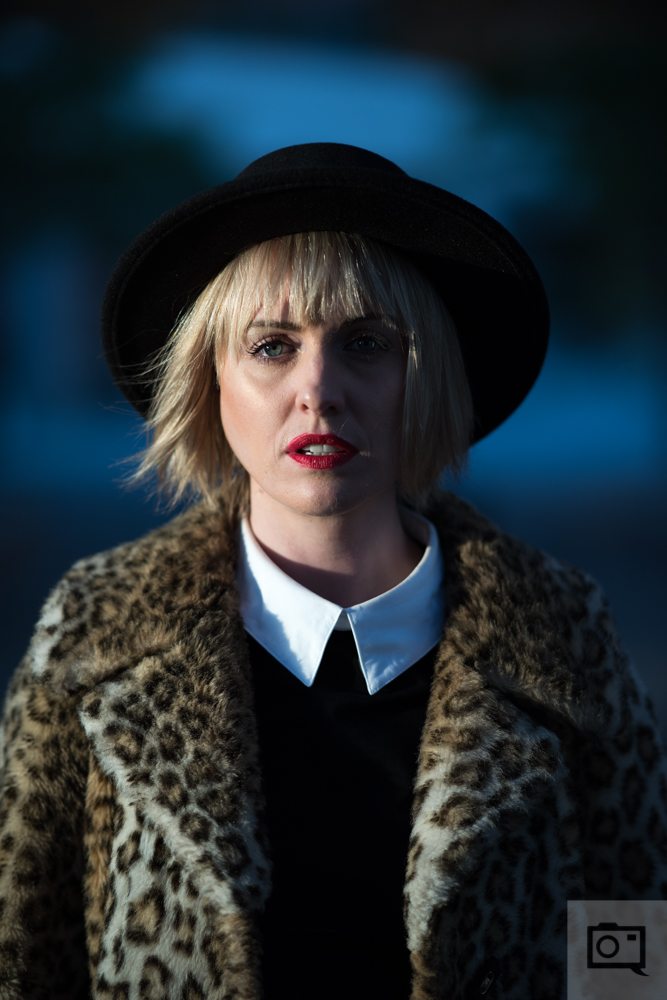
Often as a journalist, I end up inundated with cameras and lenses to test. This is a problem that happens with so many of us, and I end up even being more choosy about what both I and the staff here at the Phoblographer review.
The biggest part of this is that my creativity suffered in order to fuel capitalism. Good creativity can’t be rushed, it needs to just happen. Folks have told me over and over again that I’m at my best when I’m channeling my emotions. And I can’t always channel my emotions in a meaningful way in every single image. So these days, I stop trying to force creativity. Instead, I let it come to me. It also means that I’m not trying to copy everyone else on social media or keep up with trends. After a while, your entire image portfolio ends up looking dated.
I Stopped Trying to Capture Moments, I Create Them Instead
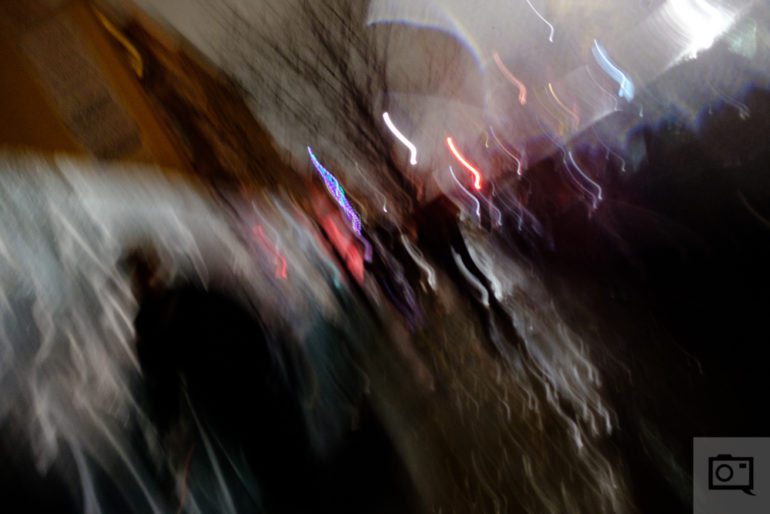
Something that I got really sick of doing was just capturing a moment. Granted, in many of my reviews, I still do it because I have to find a way to test camera gear in a way that many others do. At my core though, I work to create moments more than anything else. Sometimes it means that I’m working with experimental processes or I’m using special lens filters. This is a natural evolution of what was already becoming as I tended to be one of the only journalists that typically tests cameras and lenses with strobes and flashes.
I believe in pre-visualizing a moment instead of making the camera create all the magic and simply just agreeing to what it does.
Even back then, I turned off the exposure preview mode on all my cameras. I still do this today.
The image above was from my Fujifilm 23mm f2 R WR review. And I think that it is one of the earliest predecessors to my in-camera movement work that I do now.
I Stopped Caring About What Does Well on Instagram
Around a decade ago, the Sony 85mm f1.4 G Master launched. And I remember sharing some of these images on social media. They did pretty well, but not as good as some of my documentary work and my conceptual/surreal images. I mean, Chelsea Northrup’s smile can cast a hex on anyone.
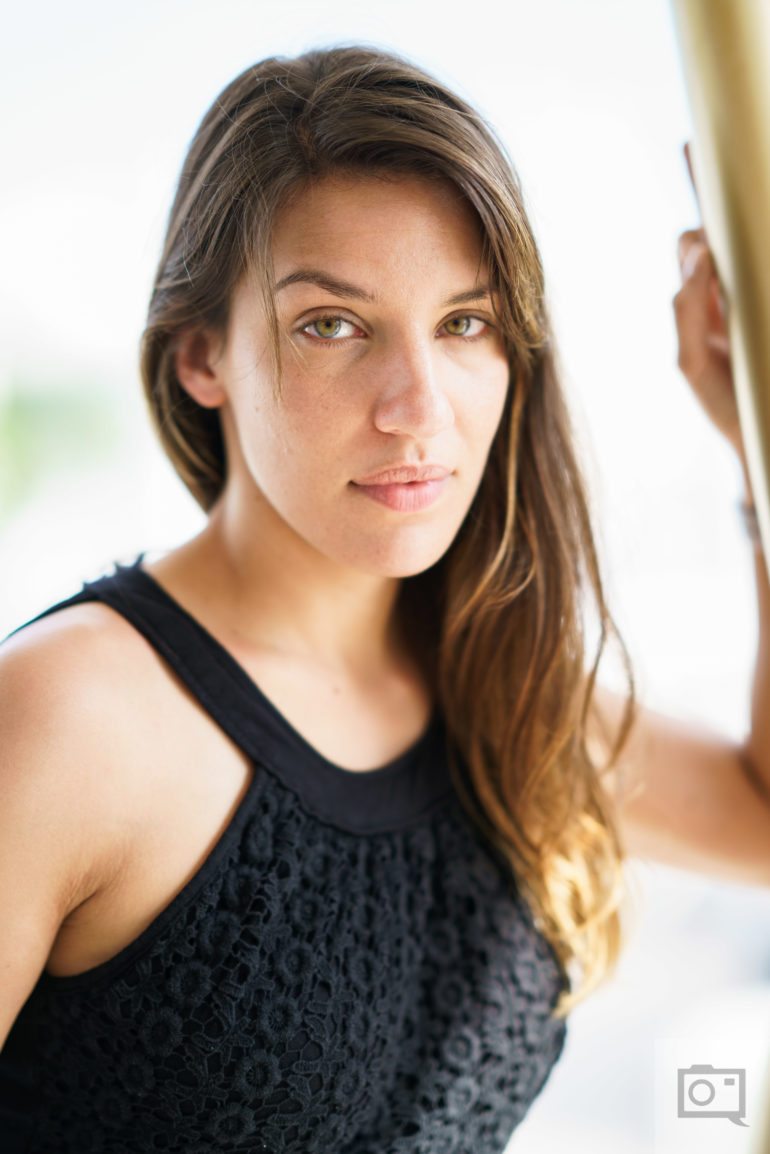
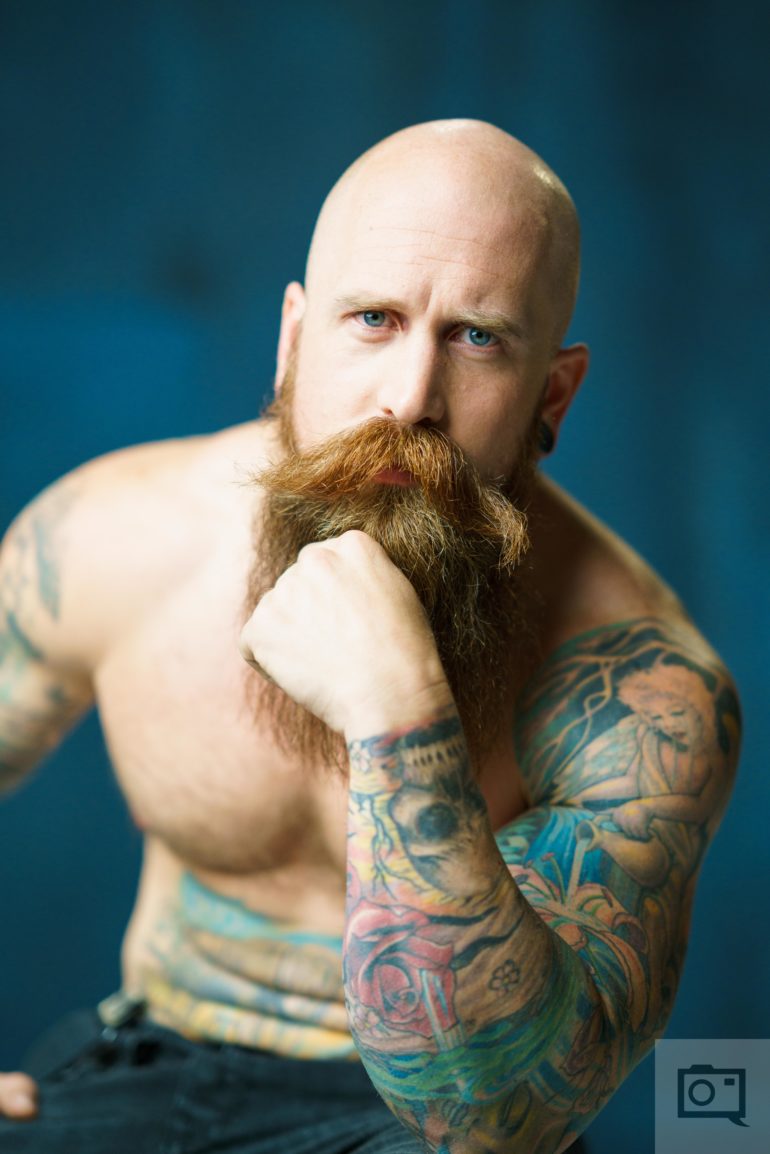
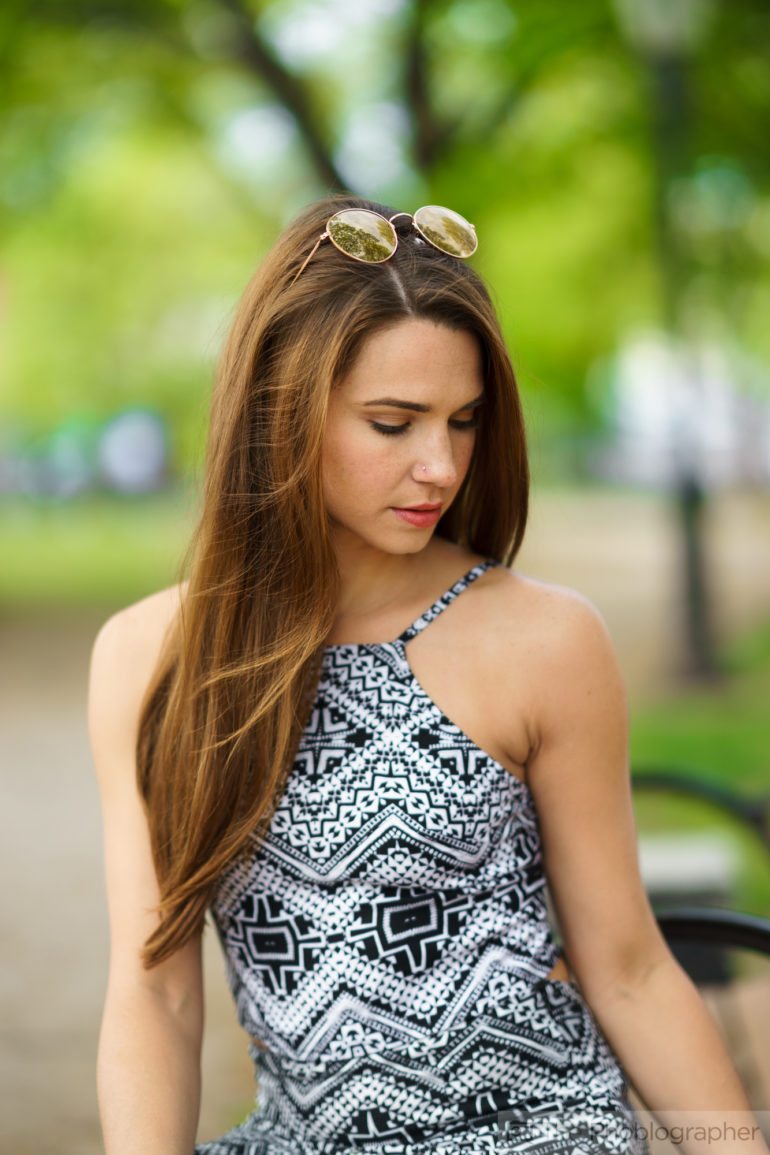
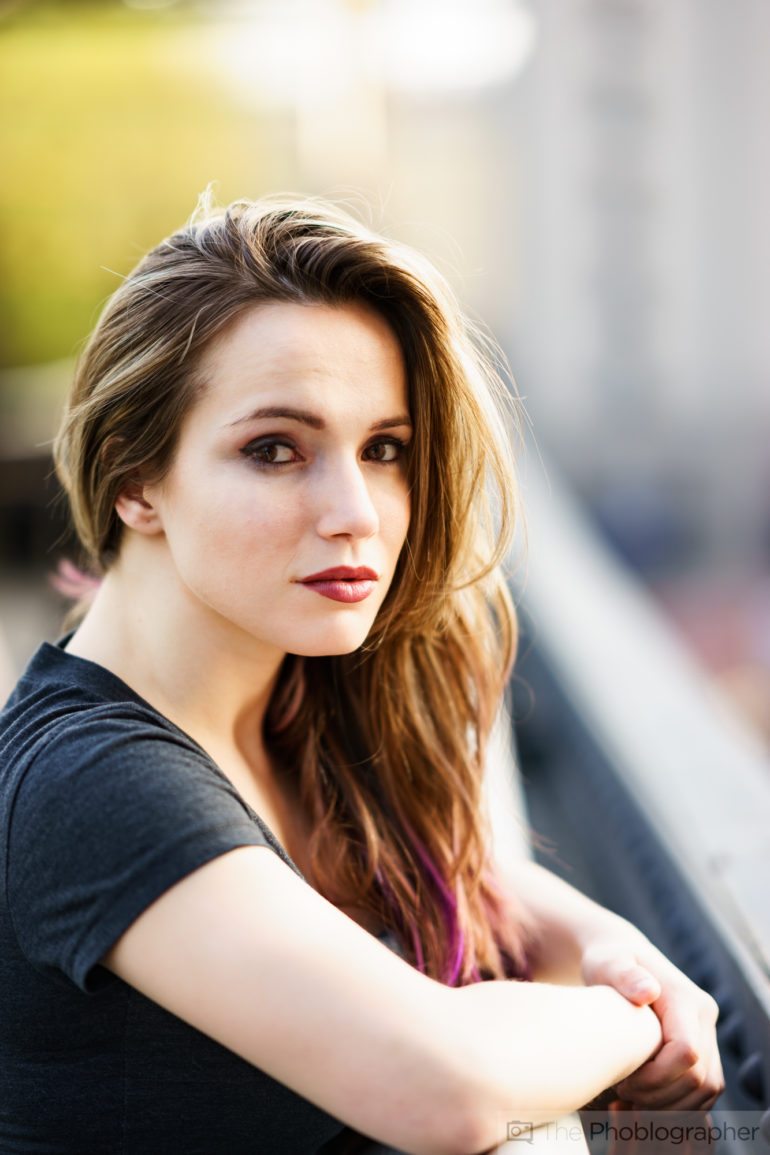
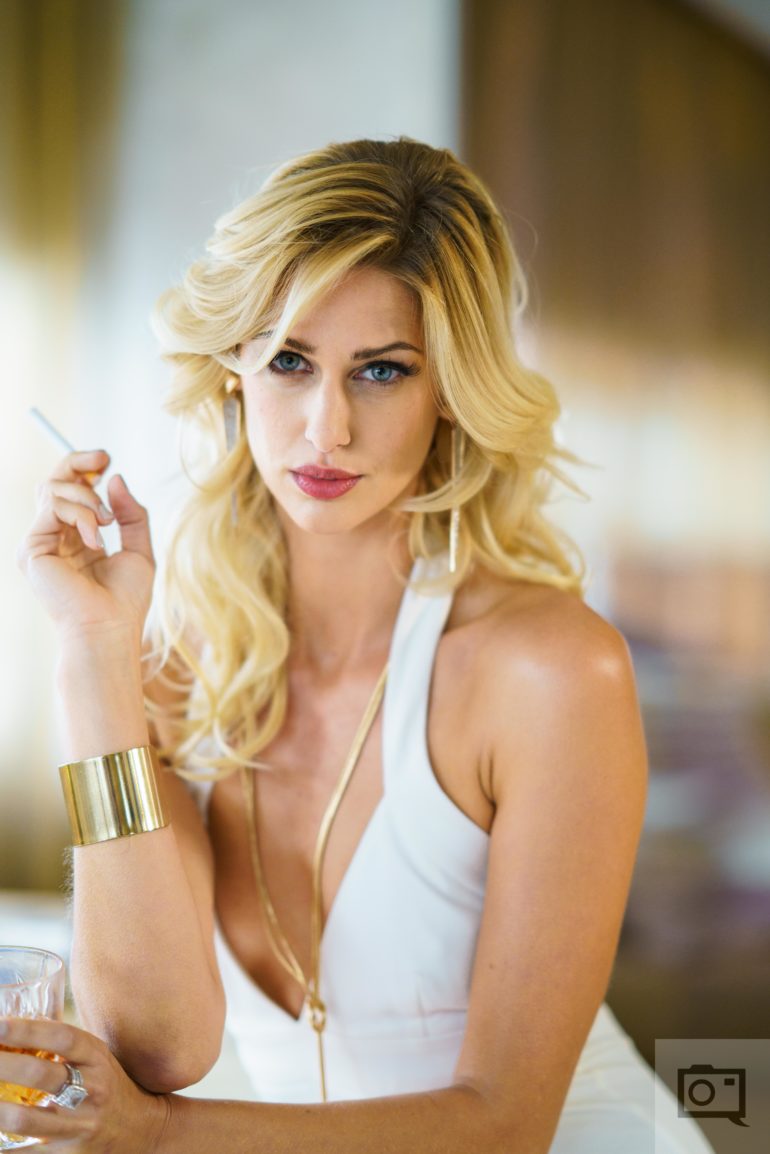
Even today, I can look back on the images I made and admire the good work that I did. Lots of photographers I know often end up looking back at their old work and end up not proud of it. But even friends of mine that I’ve had for a while end up praising the work that past Chris made. And that’s important because I feel like many photographers will judge the quality of the work that they make on the external validation that Instagram gives us.
That’s the biggest problem: I don’t think that any of us should ever shoot for external validation. Instagram and social media is a dopamine casino of trying to get external validation.
I Let Myself Have Fun (Especially With Point and Shoot Cameras)
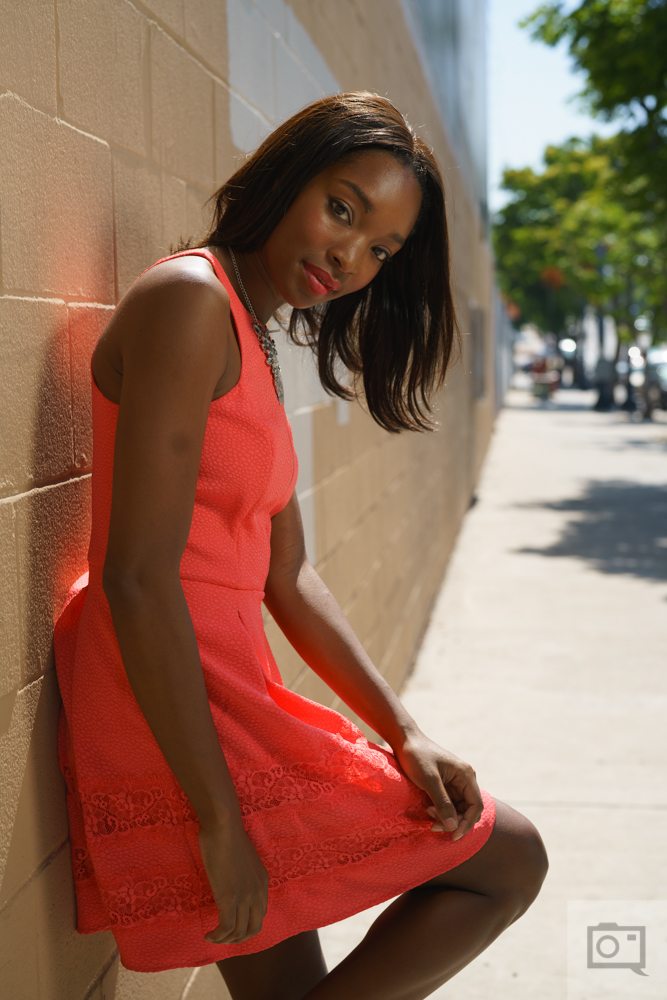
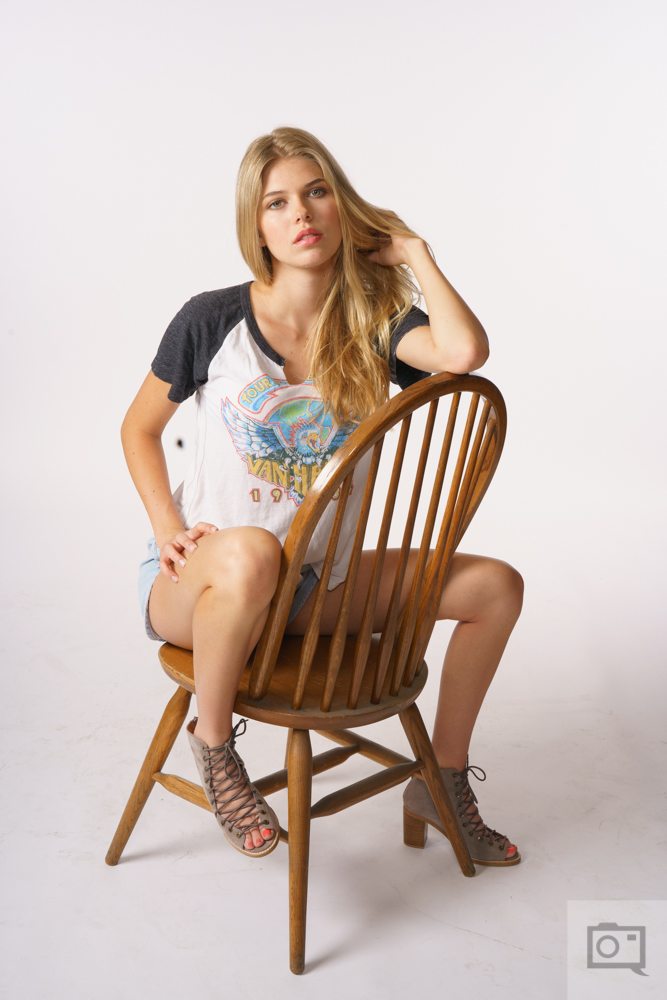
When I could shoot by myself without other journalists, YouTubers, or influencers over my shoulder, I could really let myself have fun because I felt like my creativity wasn’t going to be copied. And today, I’ve evolved into a man who doesn’t want to have a camera in his hand unless he’s excited and about to have a lot of fun. Sometimes it means the camera goes away at times. But at other times, it just means that I don’t bring one with me.
Making images should feel liberating: not forced, not algorithmic, etc. It taught me a lot about relationships with those I’m photographing, with myself, and with my own artistic side.
I don’t shoot content, I make photographs. I don’t write content either, I write articles and poetry.
Get rid of the ads!
Did you enjoy reading this article as much as we enjoyed writing it? There's a way to support us and our reporting, getting ad-free navigation and more as a bonus. Subscribe to us for less than a coffee per month —just $3.99— or take advantage of our yearly subscription with a hefty discount for only $25.- An ad-free experience
- A free mystery box for Lightroom or Capture One
- All the books in our store
- 20% discount on Capture One
- 30% discount on Imalume Photo Theft Protection
- 20% off Herbs and Kettle Tea Company.
- 20% off your order from MPIX printing services.
- 5% off Viltrox Products via their eCommerce store.
- 10% off all film developing, printing and scanning services from Blue Moon Camera and Machine
- 15% off 7Artisans products: The lens and accessory maker is offering a sweet discount for Phoblographer's readers.