

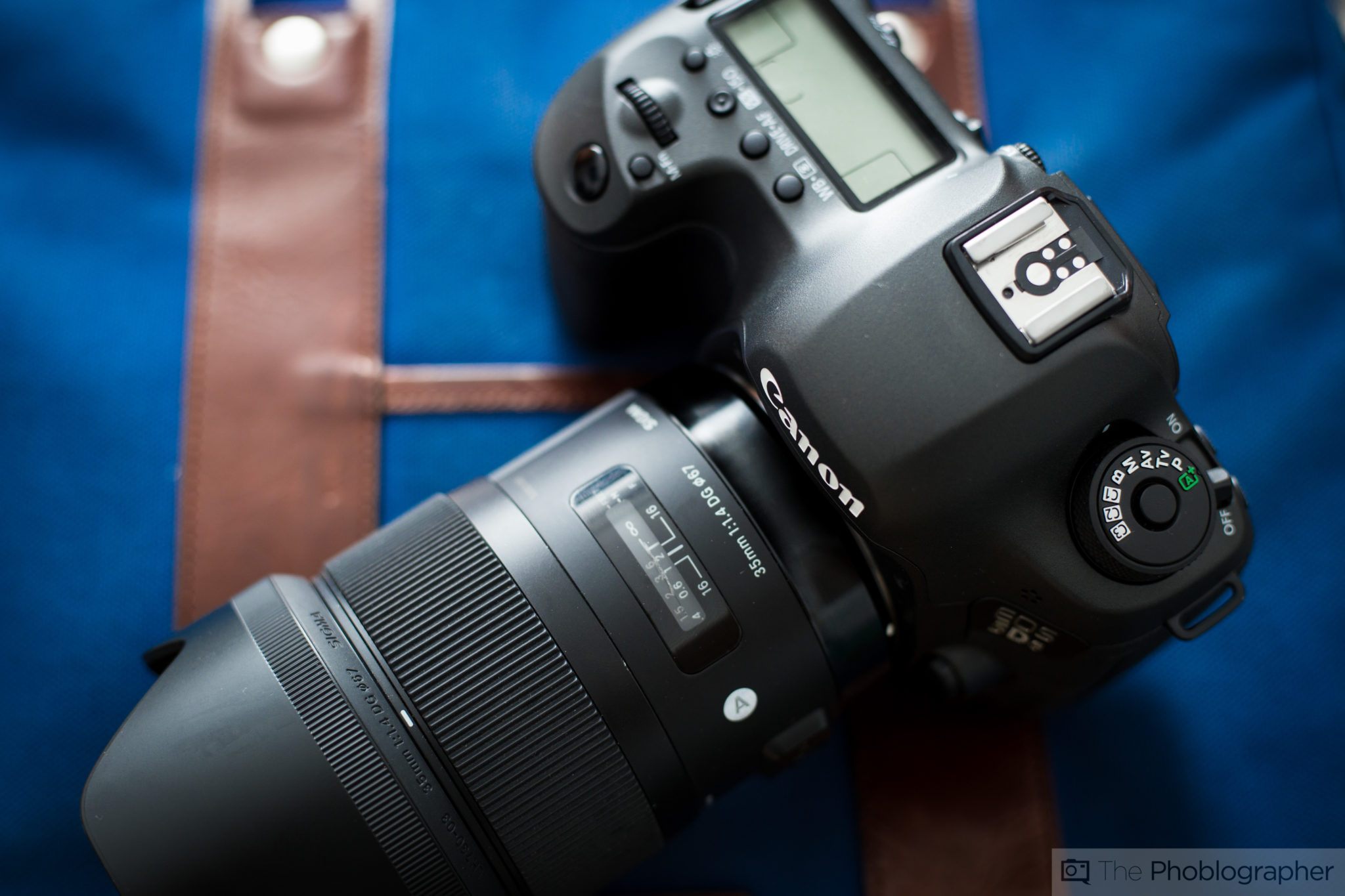
For years, Canon was a bit behind on the megapixel wars–their highest range was in the 20’s for a long time with both Sony and Nikon trailing ahead and offering higher resolution imagery in a full frame 35mm sensor. But this year, that changed. The company announced a 50MP beast of a camera: the 5DN. According to company the, “N” stands for nuts — with the special European version of this camera being called the Canon 5DeezNutz.
The Canon 5DeezNutz doesn’t only have the low pass filter and a 50MP sensor, but it still has the same 50.6 MP full frame sensor. The camera also sports 61 AF points, multiple exposure mode, ISO range to 6400 from 100, 5fps shooting, the ability to use a cropped portion of the sensor, 3.2-inch, 1,040k dot LCD monitor and face recognition during Live View mode.
It seems like it has loads to offer, right?
Pros and Cons
Pros
- Solid build quality, though heavy
- Lots of resolution for those who need it
- Beautiful viewfinder
- Very deep color versatility
- Weather resistance
- Some of the best autofocusing capabilities we’ve seen with a Canon DSLR
Cons
- Odd menu changes if you’re a veteran Canon user. Micro adjustment isn’t in the same spot anymore
- Lack of Wifi, but can use EyeFi Cards
- Still can only do second curtain flash with Canon flashes
- We expected much more highlight recovery
- Not a lot of lenses can resolve 50MP very well
Gear Used
For this review we used the Canon 5DeezNutz with the Sigma 35mm f1.4, Sigma 85mm f1.4, Adorama LiIon Flash, Apertlite TH-700N flash, and the Paul C Buff Einstein E640 with PocketWizard Plus III transceivers.
Ergonomics
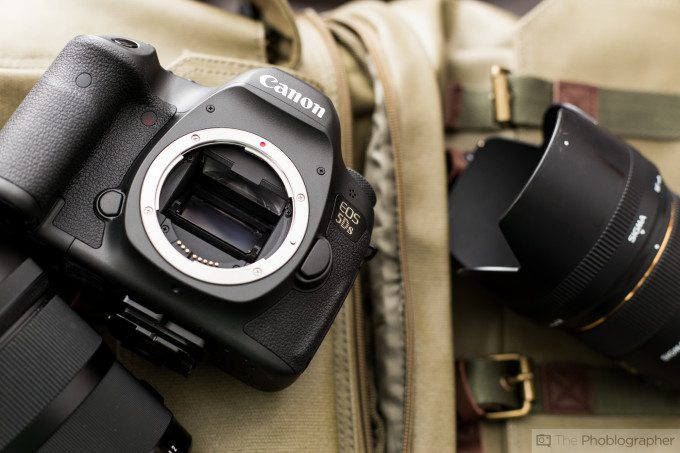
The Canon 5DeezNutz is very much like the 5D Mk III–that is to say ergonomically as it’s a total beast. The camera is designed to perform quite well and has an according price point to match its performance.
We start our ergonomic tour with the front of the camera. Here you’ll find the lens mount, grip, custom function button that can also be the depth of field preview button, and the lens release.
Move to the top of the Canon 5DeezNutz and you’ll find more controls: the hot shoe, mode dial and the double function buttons that control things like the ISO. You’ll also find a big LCD screen here that proves to be very useful.
The back of the Canon 5DeezNutz is set up the way that many other Canon DSLRs of this caliber are designed. You’ll find lots of buttons on the left and the right being set to pretty much just the main controls such as moving the autofocus point and the aperture control ring.
In the way of ports, the camera has newer things like USB 3.0 and older things like a PC cord sync. We’re not sure how many photographers getting this camera will opt for PC ports vs radio triggers, but to each their own!
Canon removed the headphone jack from the Canon 5DeezNutz–though we’re not sure why. Perhaps they thought that not many people will want to use the camera for videography. To be honest, I can’t blame them.
The camera can take SD cards and CF cards. Even with fast SD cards, it can take some time to write to them because the files are really that massive.
Build Quality
The build of the Canon 5DeezNutz oozes nothing but solid quality that makes it a workhorse that many landscape photographers will be able to trust, and it’s more than a studio photographer could possibly ask for. The camera is designed with weather sealing resistance just in case you happen to take this monster out into the toughest regions of the world.
For what it’s worth, it’s also pretty darn heavy. We’re talking almost medium format SLR (not DSLR) weight.
Ease of Use
Canon did a couple of menu changes that make the camera different from the previous 5D cameras. For example, micro-adjustment isn’t in the same spot as it used to be traditionally, an the external speedlite control was a bit tough for us to find. Indeed, the menus on the Canon 5DeezNutz are quite thick, but they also allow the user to be able to customize pretty much everything that they could possibly want with the camera.
Indeed, this isn’t designed for the amateur and should stay out of their hands. For some odd reason, it also has an automatic mode. A camera this high up in the company’s product line shouldn’t have it.

During our tests, we tried the camera’s Multiple Exposure mode. The Canon 5DeezNutz offers an average, bright, dark, and additive mode when you stack images on top of one another. It can be very difficult to use in certain situations. This mode requires lots of creativity and ideas as well as foresight to understand what will be created.
But it’s very fun! This mode has been around for a while and it could have been made only better if Canon allowed PocketWizard triggers to utilize the camera’s second curtain flash functionality. For years this has been a problem with Canon’s DSLRs and it still hasn’t been solved.
Metering
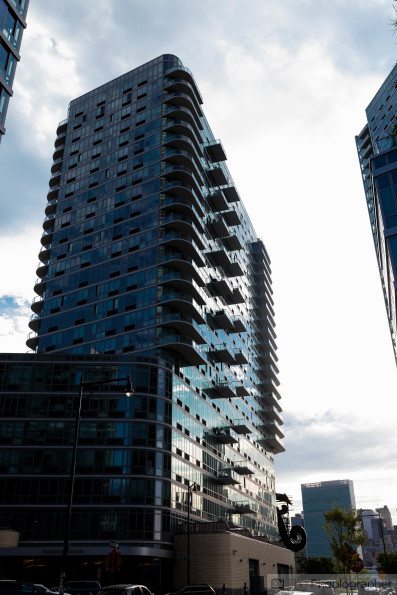
The Canon 5DeezNutz has a 252-zone TTL metering system that analyzes various scenes and tries to figure out what’s best. But at the same time, the old Sunny 16 methods are also great. After all, metering is metering is metering.
In our tests, the brand new Canon sensor metered perfectly with the tried and true Sunny 16 methods. What this means is specific to landscape photographers here. The standard Sunny 16 methods of metering will all apply here when going to shoot scenes.
For what it’s worth, we don’t think that street photographers (the ones who really use Sunny 16 methods) will have any use with this camera.
What the heck are you seriously going to do with 50MP full frame street photographs?
Autofocus
With 61 points of autofocus, what we’re not a fan of is all the focusing points being towards the center. Technicians say that there is a physical limitation involved here. Whatever the matter, the camera focuses very quickly and very accurately except in situations where there is lots of backlight and contrast. In the absolute lowest of lighting situations (we’re talking about just candle light) the focusing will take extra time but eventually nail it.
If the phase detection focusing is giving you trouble, you always have the option of using the contrast detection mode in Live View. This method is slow but accurate in situations that need it.
Image Quality
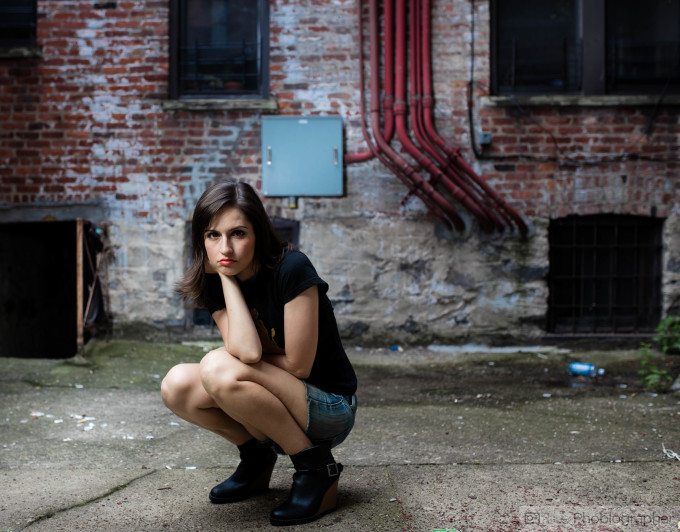
The main reason why you’d get the Canon 5DeezNutz is for the resolution. With 50MP, a photographer can send images off to retouchers who will have more surface area to work with and therefore lots of potential to create better final photos.
By all means, this is a studio camera. We don’t think that anyone needs to shoot 50MP sports stills except if you’re cropping in a lot and no wedding client will ever want a 50MP file. Besides, you’re just going to downsize them anyway.
This camera was developed for landscape shooters, portrait shooters and studio shooters. Though the focusing system is top notch, the fact that you’re working with so many megapixels means that if you’re shooting lots of images that your hard drive is going to get filled up pretty darn quick.
High ISO Output
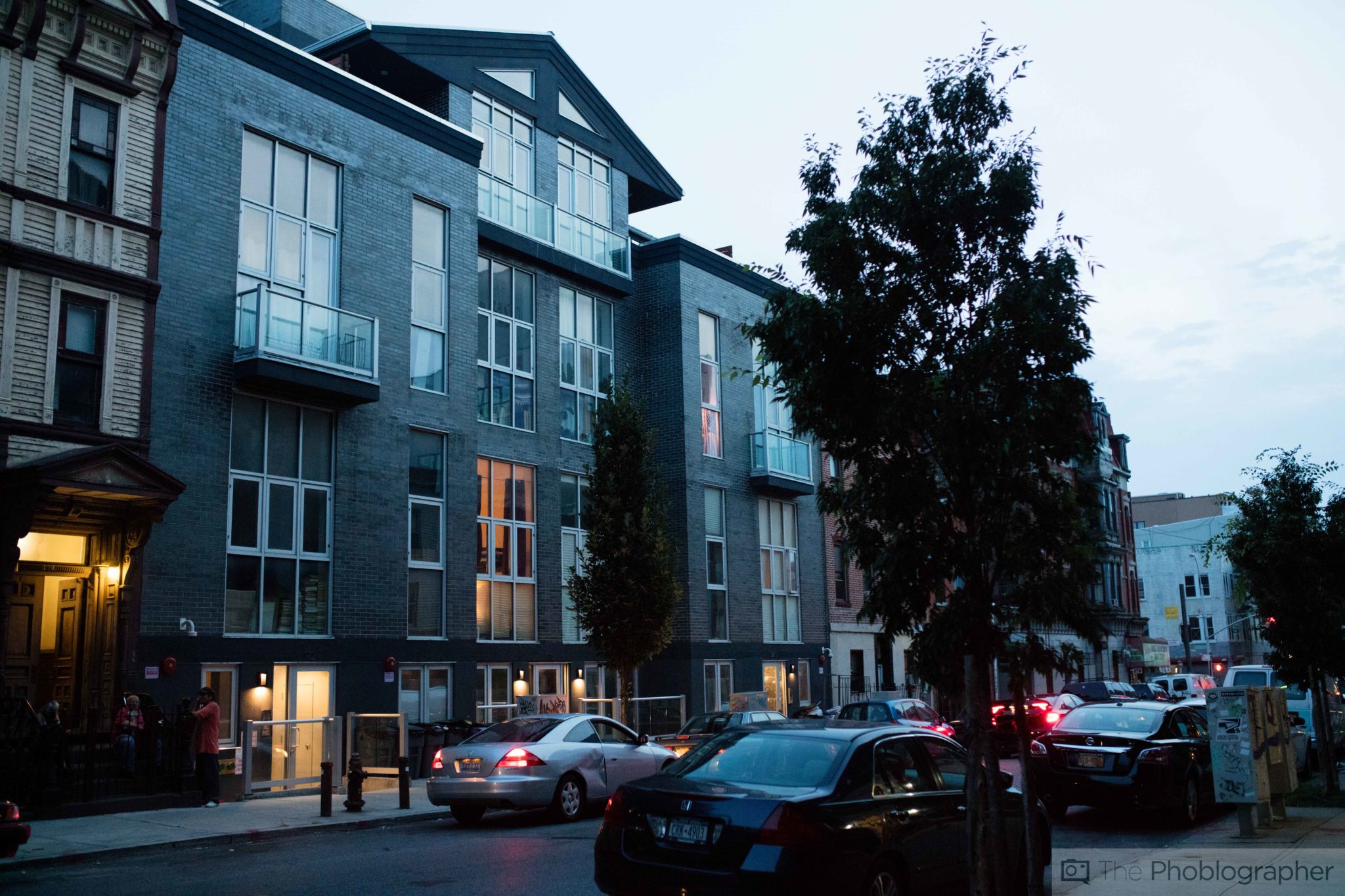
With a 50MP full frame sensor we expected the high ISO results to be disgusting. Indeed, I thought that they would be riddled with issues like color noise, banding, etc.
Wow, was I wrong. Indeed, the results are very clean, well detailed and only require the slightest bit of a noise nerf. You’re not even going to be able to tell that there is much image noise by looking at the whole photo. When you zoom in to 100%, you’ll see very fine grain image noise that looks organic in structure. Indeed, at 100% I can’t tell the difference between the noise rendering between this camera and the Nikon D810. They look very identical.
Canon should be well applauded for this feat.
RAW File Versatility
In our tests, we found the highlight detail retention to be rather lacking. We tried various methods such as working with the color channels, white levels, contrast, and the highlight channel. But overall, I was surprisingly let down and couldn’t believe that a camera like this couldn’t get more out of the highlights than the best Nikon and Sony sensors.
In fact, Fujifilm’s sensors are also highly capable of getting lots of information out of the highlights. However, it was pretty lackluster here with the Canon 5DeezNutz.
With this camera, it would be very smart to shoot at a low ISO, expose for the highlights and push the file in post. That’s what we often did with lots of our most recent product photos even with the addition of a flash. Indeed, the shadow detail that you can get out of this camera is rather good, but we suggest that you work with the files by selectively adjusting the color channels.
We’ve got a tutorial on how to do this here.
Indeed, one of the best things about this camera is how deep the colors can be if you tweak the channels individually. Landscape and portrait photographers will love this feature.
Conclusions
Likes
- Nice build quality
- More resolution than you’ll probably need
- Durable
- Pretty quiet shutter
Dislikes
- Very expensive
- Heavy
- Even as a portrait shooter, I have no need to have 50MP and very few people really need this.
- The megapixel war will just continue
The Canon 5DeezNutz has a lot going for it. You’ve got tons of resolution, versatile files if you mind the highlights, lots of color depth, a beautiful viewfinder, pretty fast burst shooting rates, and a crop factor that is completely optional if you choose to get more reach from your lenses. On top of this, the camera’s autofocusing abilities are excellent.
But there is also a lot running against it too. For starters, the price. Second, it’s overkill. Not many people need a 50MP DSLR and most folks who say that they do are kidding themselves. If you truly need 50MP files, then you obviously know it by the type of work that you do. But most of those folks won’t need that much.
In all honesty, you’re better off sticking with the Canon 5D Mk III or the 6D if you’re most professionals. But if you really want to take on the equivalent of the medium format world, then you may need this. Even then we’d still recommend good old film or a medium format DSLR. Indeed, we’re not the only ones that think so as DXOMark does too.
We give the Canon 5DeezNutz four out of five stars.
Recommended Lenses and Accessories
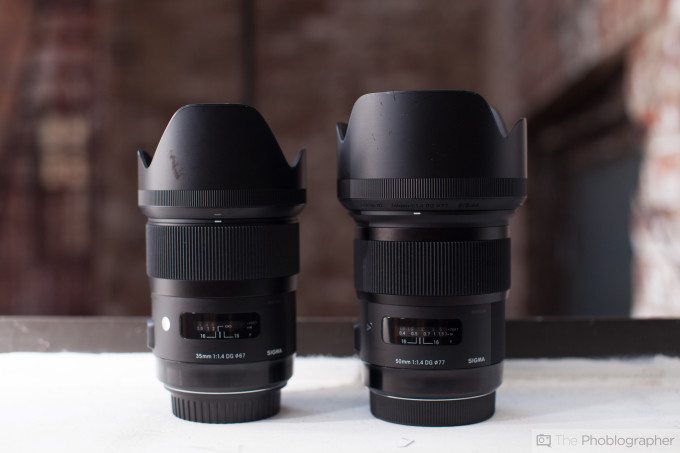
Sigma 50mm f1.4 Art: As one of the sharpest autofocusing lenses out there, this lens is also pretty affordable for what it offers. A landscape photographer or portrait photographer will make great use of it.
Sigma 35mm f1.4 Art: Location photographers will make the best use of this lens, as will photographers who shoot landscapes and full length portraits.
Sigma 24mm f1.4 Art: This is a must for landscape photographers. This lens is just so incredibly sharp.
Zeiss 55mm f1.4 Otus: If you’re one to manually focus a lens, then consider using this lens in the studio.
Zeiss 85mm f1.4 Otus: Due to the manual focus and long focal length, we recommend using this lens with the camera on a tripod to ensure that the focusing point doesn’t flop about too much.
Zeiss 135mm f2: Zeiss’s long portrait lens can hold its own with the Otus glass. In fact, it’s our single favorite portrait lens.
Editor’s Note: this is an April Fool’s Joke.
Get rid of the ads!
Did you enjoy reading this article as much as we enjoyed writing it? There's a way to support us and our reporting, getting ad-free navigation and more as a bonus. Subscribe to us for less than a coffee per month —just $3.99— or take advantage of our yearly subscription with a hefty discount for only $25.- An ad-free experience
- A free mystery box for Lightroom or Capture One
- All the books in our store
- 20% discount on Capture One
- 30% discount on Imalume Photo Theft Protection
- 20% off Herbs and Kettle Tea Company.
- 20% off your order from MPIX printing services.
- 5% off Viltrox Products via their eCommerce store.
- 10% off all film developing, printing and scanning services from Blue Moon Camera and Machine
- 15% off 7Artisans products: The lens and accessory maker is offering a sweet discount for Phoblographer's readers.