

Last Updated on 11/24/2025 by Chris Gampat
Last year, Sigma achieved the impossible. They managed to get Canon on board with them to create new lenses for their RF mount. This was a huge relief to many since no third-party lenses provide autofocus due to Canon’s restriction. Those who used such a lens had to rely entirely on manual focus to get results. This, of course, was a challenge when you think of shooting in high-paced environments. But, we are not going to delve into this today, but rather something that many photographers have been asking: why were Sigma lenses humungous at one point? If you have used their lenses with Sony or Nikon DSLRs, you will be aware of their weight and size. But today, we can give you a clear answer.
Before we get into that, we want to talk about how Sigma cut us off their press list. It all started when Sigma believed we were being biased in our reviews and highlighting the flaws of their lenses, which includes its slow autofocus. However, our reviews are tested in real-world scenarios, and we have been very transparent in our review and editorial policies. Despite making things clear, Sigma wanted to get in touch with us on a call but wanted the conversation to be strictly by email. This was when things took a terrible turn, and the NDAs or press releases we would get stopped from coming by.
So, when we are writing about this, we are not doing so out of spite but to highlight that Sigma had a different philosophy back then. Not only that, but it also highlights what Sigma representatives told us when we were still in contact. According to a rep, the reason Sigma lenses were larger in size was that the optics were created to help medium-format cameras, but they ended up being housed for full-frame sensors.
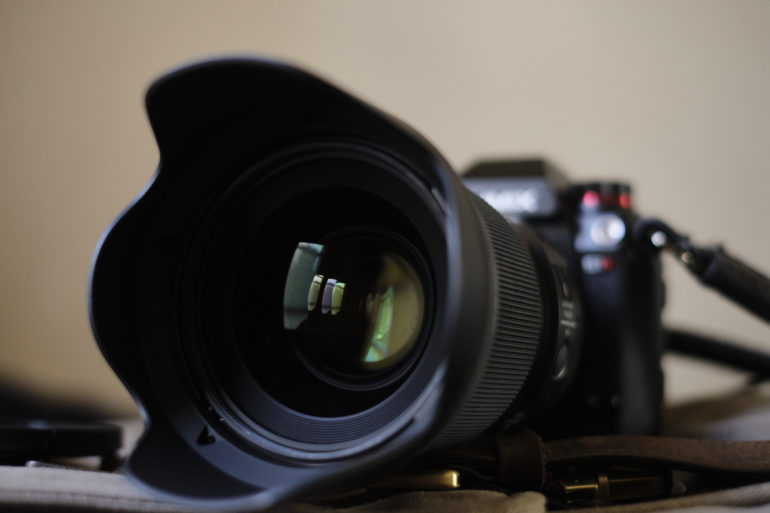
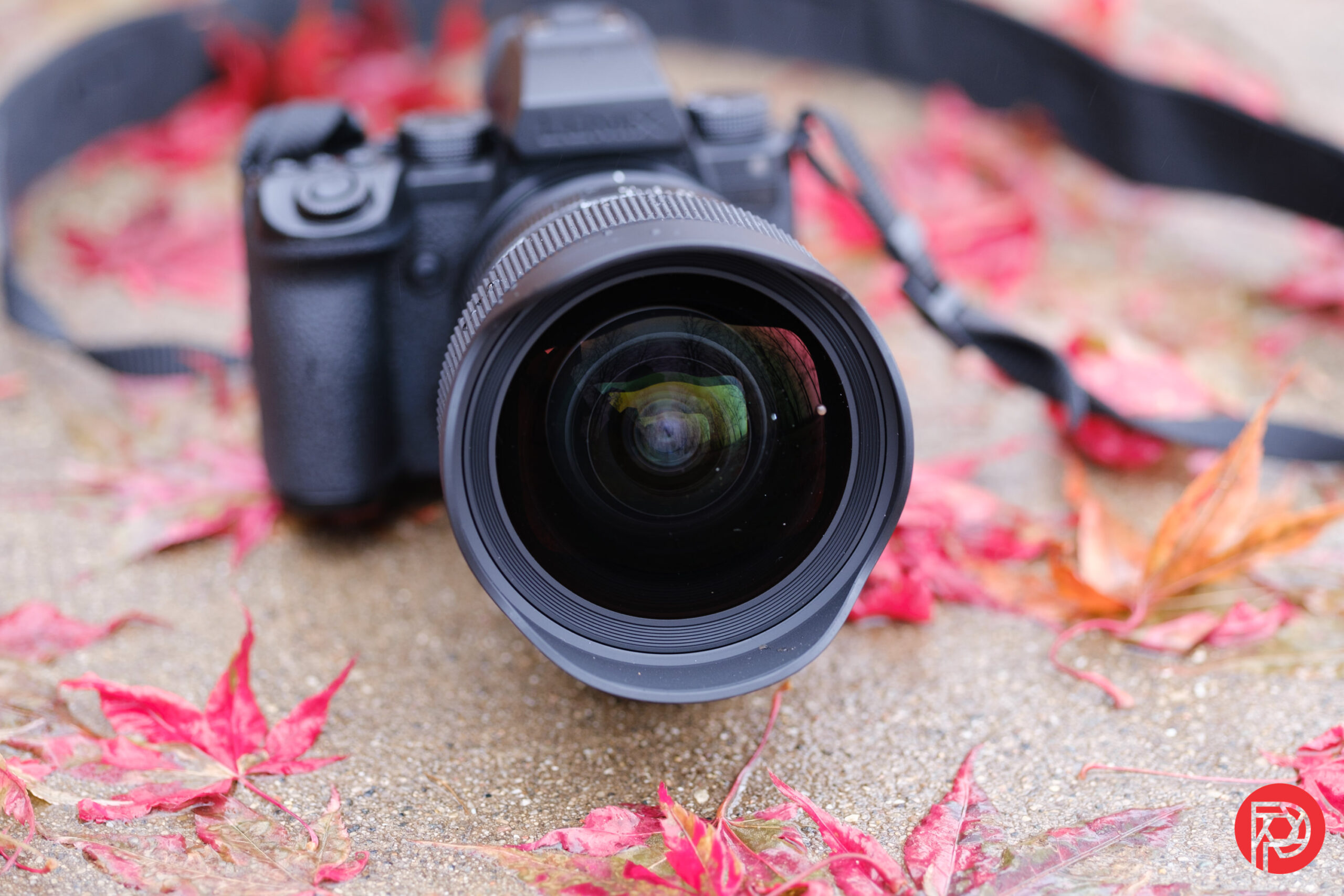
This is obvious when you compare Sigma lenses to GFX lenses. A medium format sensor requires glass elements that can project a larger image circle to cover the bigger sensor area, resulting in bigger optics and, consequently, bulkier lenses. For instance, the Sigma 14mm f1.4 Art is massive, as is the 35mm f1.2 Art DG DN, as well as the Sigma 40mm f1.4 DG HSM Art. These are just a few examples, but a quick look at our review will help you notice how often we have mentioned that on a mirrorless, the lenses look humongous, thus beating the purpose of the camera itself.
However, now, with the Fujifilm GFX series lenses already launched, you can see how the size and weight are somewhat apparent. This is because both lenses are created to work on a bigger sensor area. In fact, the lens’ size also ends up making the autofocus slower since there are so many lens elements that the lens has to move. In addition, a Sigma lens for medium format would make more sense since medium format is all about slowing down. If you look at our Fujifilm GFX 100s II’s review, you will notice that the lenses were slower, and so was the camera itself. “Realistically, I don’t think that Fujifilm needed scene detection because their lens lineup doesn’t totally allow for it to be used to its fullest potential. If anything, it needed better autofocus performance with people,” as we stated in the review.

At the same time, Sigma does not seem to want to change. While some of their lenses are lightweight, the Sigma 14mm f1.4 Art was an exception. It was large and also weighed about 1170g, making it heavier than the original lens launched for DSLRs. While it is understood that Sigma wants to provide excellent image quality for bigger sensors, they ultimately forget that mirrorless is all about compactness.
If Sigma does pivot to medium format, they may finally be there where they belong. However, if they wish to continue to help Canon, then the company has to step up, not just in terms of size but also weather sealing and autofocus performance. 2025 is a year of newer lenses, so we hope we are not disappointed.
Get rid of the ads!
Did you enjoy reading this article as much as we enjoyed writing it? There's a way to support us and our reporting, getting ad-free navigation and more as a bonus. Subscribe to us for less than a coffee per month —just $3.99— or take advantage of our yearly subscription with a hefty discount for only $25.- An ad-free experience
- A free mystery box for Lightroom or Capture One
- All the books in our store
- 20% discount on Capture One
- 30% discount on Imalume Photo Theft Protection
- 20% off Herbs and Kettle Tea Company.
- 20% off your order from MPIX printing services.
- 5% off Viltrox Products via their eCommerce store.
- 10% off all film developing, printing and scanning services from Blue Moon Camera and Machine
- 15% off 7Artisans products: The lens and accessory maker is offering a sweet discount for Phoblographer's readers.