

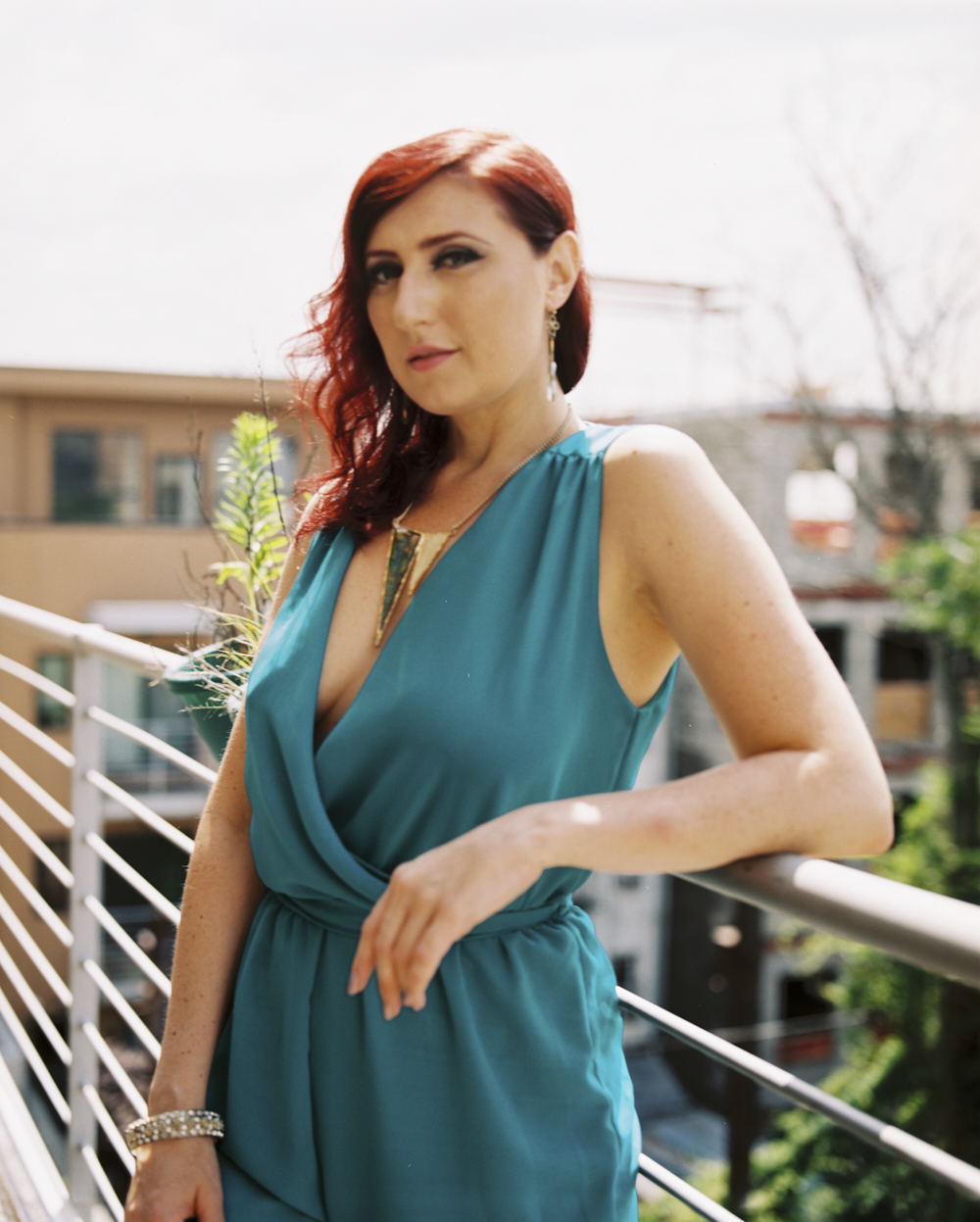
If you haven’t noticed, the portrait is the new landscape. Well, actually, it’s been that way for a while now. Most photographers shoot their cameras in landscape format. That means that their photos are shot horizontally. But social media has made vertical photographs much more impactful. What’s more, photo books tend to make vertical images look better because of how we have always made paper and books. So maybe it’s time for new aspect ratios to come into cameras — and some new ergonomics.
New Aspect Ratios Based on the History of Photography
Throughout the history of photography, we’ve used different aspect ratios for portraiture. I’m not talking about shooting with 35mm film. Instead, we’re harkening back to 120 film. This film format allowed photographers to shoot with several different formats. Referencing a previous article that we’ve written on medium format, here’s a brief bit of enlightenment:
- 645: often joked about and poked fun at by many photographers though I personally do see how it can easily be respected.
- 6×6: Square format, a favorite of mine.
- 6×7: Fantastic for portraits
- 6×9: Even better for portraits, though very difficult to use
Here’s what those look like in practice along with a few notes.
645


The 645 format is currently the largest commercially available digital sensor made for interchangeable lens cameras. But most medium-format cameras today use a format that’s smaller than this.
These images were shot with a Bronica ETRS.
Square Format


The square format makes everything pretty equal. This aspect ratio is incredible for both social media and print. However, it’s pretty difficult to use effectively. These were shot with the Mamiya 6 and the Lomography LCA 120.
6×7





For years, headshot photographers have used the 6×7 format because it looks good and prints without excessive cropping to the paper format. These photos were shot with the Pentax 67 and the Mamiya RB 67. Vertical portraits is where these cameras excel and it’s an aspect ratio that’s very appealing.
6×9


6×9 portraits are a thing of beauty that I will always be in love with. These were shot with the Fujifilm GW690 III.
As you can tell though, this format is great for vertical portraits.
6
New Ergonomics and Designs
Camera manufacturers could simply put this aspect ratio into their cameras. But there’s probably something else that could be done, too. Inspired by the fact that half-frame cameras have come back, why can’t they make a camera with a vertical sensor? With that said, why can’t they also make a camera with ergonomics that make the camera better for holding vertically? Of course, those exist in the form of cameras like the Nikon Z9 and the Canon EOS R3.
It’s true, these things actually do exist already. So why aren’t there more of them if photographers need to shoot more landscape format? You could attach a grip to a camera, but why make it larger than it really need to be?
Vertical is the New Landscape
All of this adds up to something very important here: camera manufacturers need new ideas. They’re a niche company in a niche market, and they need to start becoming more experimental. Why can’t they take a risk on something like this when they know that it’s what photographers want? We can’t expect Canon to do something like this — but what about the rest?
Get rid of the ads!
Did you enjoy reading this article as much as we enjoyed writing it? There's a way to support us and our reporting, getting ad-free navigation and more as a bonus. Subscribe to us for less than a coffee per month —just $3.99— or take advantage of our yearly subscription with a hefty discount for only $25.- An ad-free experience
- A free mystery box for Lightroom or Capture One
- All the books in our store
- 20% discount on Capture One
- 30% discount on Imalume Photo Theft Protection
- 20% off Herbs and Kettle Tea Company.
- 20% off your order from MPIX printing services.
- 5% off Viltrox Products via their eCommerce store.
- 10% off all film developing, printing and scanning services from Blue Moon Camera and Machine
- 15% off 7Artisans products: The lens and accessory maker is offering a sweet discount for Phoblographer's readers.