

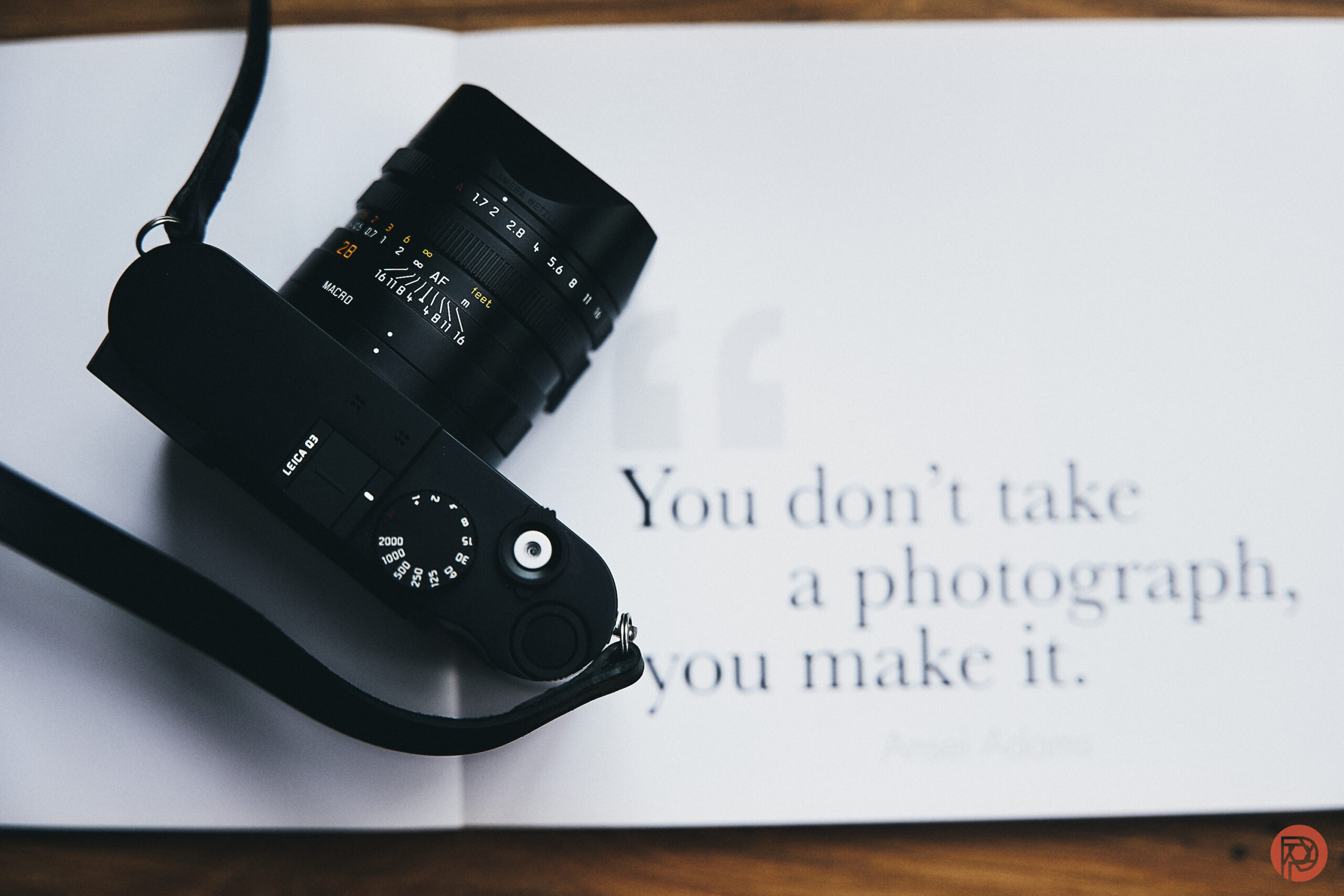
Fact: there aren’t many compact cameras on the market. More importantly, having large sensors inside is even more rare. But of any brand out there, Leica has been filling this category up the most. And there’s good reason too: there’s a demand for it that the big Japanese manufacturers are refusing to cater to. Fujifilm and Ricoh serve it a bit — but lots of folks eventually stop fighting themselves and just buy the damn Leica camera. So to help you figure out which one to get, we’ve got a brief but honest guide for you.
Table of Contents
Declaration of Journalistic Intent
The Phoblographer is one of the last standing dedicated photography publications that speaks to both art and tech in our articles. We put declarations up front in our reviews to adhere to journalistic standards that several publications abide by. These help you understand a lot more about what we do:
- At the time of publishing this review, Leica is an advertiser with the Phoblographer. However, our campaign focuses on showcasing art that photographers make with their products first and foremost. It has nothing to do with our reviews. This article is done purely from an editorial standpoint.
- We’ve done full reviews of these cameras in the real-world.
- Note that these aren’t our final reviews of the cameras. They will be updated, and it’s more of an in-progress review than anything. In fact, almost all our reviews are like this.
- Nothing here is sponsored at all. That’s against FTC laws and we adhere to them just the same way that newspapers, magazines, and corporate publications do.
- Leica loaned the cameras and accessories to the Phoblographer for review. There was no money exchange between Leica and the Phoblographer for this to happen. Leica and several other manufacturers trust the Phoblographer’s reviews, as they are incredibly blunt.
- Leica knows that they cannot influence the site’s reviews. If we don’t like something or if we have issues with it, we’ll let folks know. We were the first publication to inform about the issue with the Leica M10R and how it renders the color orange.
- The Phoblographer’s standards for reviewing products have become much stricter. After having the world’s largest database of real-world lens reviews, we choose not to review anything we don’t find innovative or unique, and in many cases, products that lack weather resistance. We’ve also steered away from Micro Four Thirds and APS-C as they’re dying formats. This is a conclusion that even the other members of TIPA agree on. Unless something is very unique, we probably won’t touch it.
- Not many brands have large sensor compact cameras these days. We wish there were more. Honestly, we don’t even consider Four Thirds to be all that large. But it’s better than nothing.
- In recent years, brands have withheld NDA information from us or stopped working with us because they feel they cannot control our coverage. These days, many brands will not give products to the press unless they get favorable coverage. In other situations, we’ve stopped working with several brands for ethical issues. Either way, we report as honestly and rawly as humanity allows.
- At the time of publishing, the Phoblographer is the only photography publication that is a member of Adobe’s Content Authenticity Initiative. We champion human-made art and are frank with our audience. We are also the only photography publication that labels when an image is edited or not.
More can be found on our Disclaimers page.
Leica D-LUX 8: The Fun Leica Camera

- Small Sensor (Four Thirds)
- No weather resistance
- Nice image quality
- A very useful zoom lens
- Battery life could be a concern
- It’s a camera where Leica doesn’t really feel like they’re trying very hard, but still can show a taste of what they’re capable of.
- It’s small, and really designed to be taken with you everywhere.
There are some wonderful things about the Leica D-LUX 8. It’s got a small sensor that’s still far larger than your phone. But in all honesty, it’s designed more for someone that just wants to step into photography seriously and can’t spend Q3 levels of money. And for that, it’s really a brilliant item. Lots of folks say that they want interchangeable lenses, but they never end up changing the lenses out or they do a terrible job that gets their sensors dirty. Other folks just like the aesthetics of point and shoot cameras. For all of those folks, the D-LUX 8 s fantastic.
To be very frank with you, this is not a camera that I would get. I’m a semi-professional photographer — which means that I make taxable income on my photography services with invoices and all. My full-time job is being the Editor in Chief of this online magazine. So no matter what, I’m immersed in photography.
Read our full review of the D-LUX 8 at this link.


Leica Q3: The Serious Photojournalist Tool
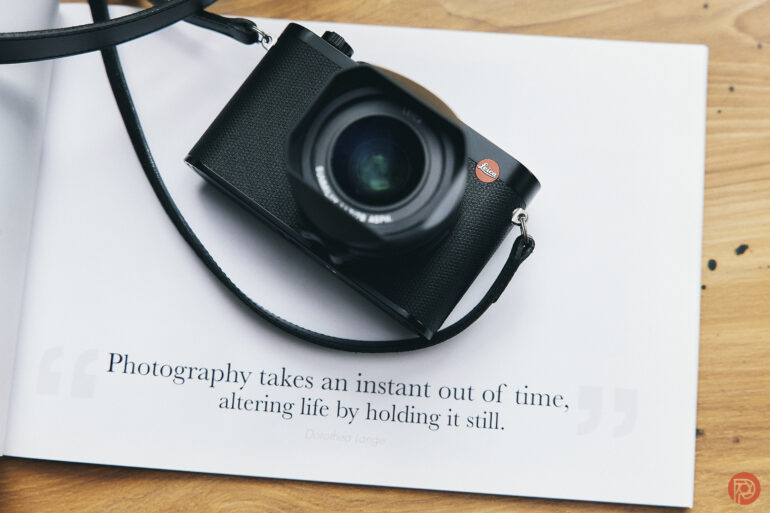
- One of the most durable cameras on the market. The predecessor famously saved the life of a photojournalist.
- A very high-resolution 60MP full-frame sensor
- Fixed 28mm f1.7 lens
- Autofocus and manual focus are easily accessible via the lens
- Great battery life
- Small enough to want to carry mostly anywhere
- Feels great in the hand.
The Leica Q3 is majorly in demand by wedding photographers. The reason why is that it’s small has great image quality and has an autofocus system that works. When you don’t want to autofocus, you can zone focus or manually focus using the lens. We haven’t even begun to mention the durability and other aspects. The biggest reason why you’d want this camera is because you want something that’s versatile to bring with yuo for fun that can also be used for work if needed. And truly, it doesn’t get much better than this. Just note that you can’t zoom with this lens at all, but you get great image quality as a result.
I would definitely get the Leica Q3 for what I do. In fact, it’s kind of nuts that I don’t own one already. But I personally yearn more for a Leica M11-D. What the heart wants is often far more important.
You can read our full Leica Q3 review at this link here.


Leica Q3 43: When You Need Distance

- It’s literally the Leica Q3 with a different lens
- One of the most durable cameras on the market. The predecessor famously saved the life of a photojournalist.
- A very high-resolution 60MP full-frame sensor
- Fixed 43mm f2 lens
- Autofocus and manual focus are easily accessible via the lens
- Great battery life
- Small enough to want to carry mostly anywhere
This camera is pretty much just the Leica Q3 but with a longer lens. Why 43mm? Well, that’s true normal. I’m not going to lie, buying a camera like this will take some time to get used to because of how the focal length works. It’s a tad odd if you’ve rarely worked with it. But eventually, you start to realize how great it is. You can be a bit more distant from subjects when taking photographs. That means that if you act more like a fly-on-the-wall, this could be the camera for you.
You can read our full Leica Q3 43 review here at this link.


Get rid of the ads!
Did you enjoy reading this article as much as we enjoyed writing it? There's a way to support us and our reporting, getting ad-free navigation and more as a bonus. Subscribe to us for less than a coffee per month —just $3.99— or take advantage of our yearly subscription with a hefty discount for only $25.- An ad-free experience
- A free mystery box for Lightroom or Capture One
- All the books in our store
- 20% discount on Capture One
- 30% discount on Imalume Photo Theft Protection
- 20% off Herbs and Kettle Tea Company.
- 20% off your order from MPIX printing services.
- 5% off Viltrox Products via their eCommerce store.
- 10% off all film developing, printing and scanning services from Blue Moon Camera and Machine
- 15% off 7Artisans products: The lens and accessory maker is offering a sweet discount for Phoblographer's readers.
- 15% off a VSCO One subscription: Get a bunch of great tools with their all-in-one package.