

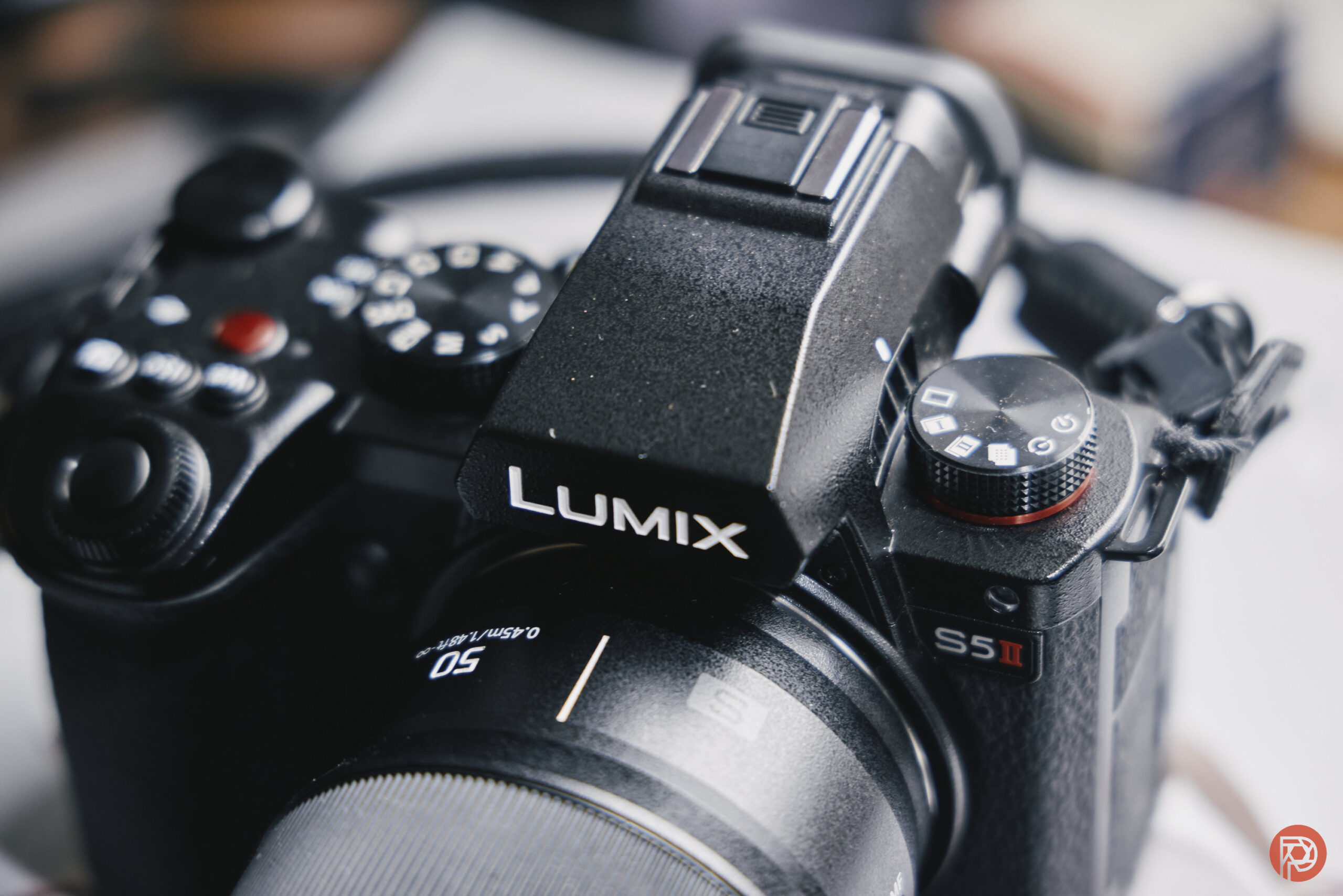
Let’s be very honest: every camera these days has good autofocus. They can all more or less do the job — and instead, the race has become all about scene detection types. On top of that, it’s also more about understanding how the autofocus on each camera system works. The majority of working photographers spend their time photographing people. With that in mind, we’re going to talk about what makes LUMIX different and tell you why it’s so darn special when it comes to autofocus.
This article is presented by LUMIX. Consider the LUMIX S9 or S5II at the fantastic prices they’re available at.
Tap the Screen
First off, this tutorial is targeted to more experienced photographers. And many of us forget about how good tapping the screen is to get autofocus. With cameras like the LUMIX S9 and LUMIX S5II, photographers can simply tap the screen and shoot. Lots of us use the joystick to select an autofocus point, but you don’t have to. LUMIX cameras have a screen that lets you set it to tap, autofocus, and expose the scene.
On the screen, you can also get a render of the superpower these cameras have: Real Time LUT. So if you’ve got a LUT loaded in the camera that looks like your favorite movie, you can see that in real time.
AF-C Vs AF-S
LUMIX cameras have something unique about how their autofocus works. Their cameras use both phase detection and contrast detection. Most photographers think that phase detection is always better. But in our tests, it isn’t always the case. Photographers think that using AF-S is always best for photographing people. However, this isn’t always the truth. It works very well in very good lighting and when the subject isn’t moving. But when movement or low-light happens, it’s truly best to switch to AF-C mode.
LUMIX cameras also have an AF-pinpoint setting. That’s nice if you really want to focus in on an eye. But to be very forthright with you, you probably never need to use it. Your clients aren’t pixel peeping your images!
Combine this with one of the various autofocus methods that LUMIX cameras have.
To make the autofocus performance even better, turn off constant preview. If the display gets too dark, it can affect how the autofocus works.
One other big thing to note: not all focusing modes and customizations are available with every aspect ratio. So for the most versatility, consider shooting in 3:2. Of course, that means that you’ll need to shoot vertically at times. However, if you’re primarily shooting for social media, why not just use a square format?
Human Detection: The Different Types
It’s a great idea to be intentional about what type of human detection you’re using when shooting with LUMIX cameras. If you’re shooting an event, it’s probably better to use the body detection — which LUMIX makes really easy to enable. If you’re photographing proper portraits, then consider the eye detection setting.
Get rid of the ads!
Did you enjoy reading this article as much as we enjoyed writing it? There's a way to support us and our reporting, getting ad-free navigation and more as a bonus. Subscribe to us for less than a coffee per month —just $3.99— or take advantage of our yearly subscription with a hefty discount for only $25.- An ad-free experience
- A free mystery box for Lightroom or Capture One
- All the books in our store
- 20% discount on Capture One
- 30% discount on Imalume Photo Theft Protection
- 20% off Herbs and Kettle Tea Company.
- 20% off your order from MPIX printing services.
- 5% off Viltrox Products via their eCommerce store.
- 10% off all film developing, printing and scanning services from Blue Moon Camera and Machine
- 15% off 7Artisans products: The lens and accessory maker is offering a sweet discount for Phoblographer's readers.