Mirrorless cameras are constantly one-upping each other. As technology continually plays a game of leapfrog, choosing a camera isn’t an easy decision. But, our team has reviewed a majority of the mirrorless cameras available from the biggest brands — and, despite, the pace of innovation, there are a few clear winners when it comes to choosing the best mirrorless camera.
The best mirrorless cameras blend a large sensor with advanced performance. But speed and image quality aren’t something that’s easily gleaned from glancing at a list of technical specifications. We’ve compiled our years of hands-on testing to recommend the best mirrorless cameras, from entry-level to professional.
Why not go with a DSLR? With major brands like Canon and Nikon no longer producing DSLRs, the mirrorless genre is where photographers will find the latest technology. Mirrorless cameras retain the versatility of interchangeable lenses but allow for features like eye-detection autofocus and exposure preview. The only thing DSLRs win at today is a lower price point (and that’s not even true 100 percent of the time).
Here are the best interchangeable lens cameras available now.
Table of Contents
Why You Should Trust Us
The Phoblographer has been doing real-world photography gear tests longer than any other photography publication currently run. We also have the largest database of real-world lens reviews, amongst other things like straps, camera bags, lights, accessories, and more. Here’s why that matters:
- AI Can’t Do This Job: These days, other publications do roundups, sometimes using generative AI. That’s the same as a person researching products and then making a decision without actually trying it. All of our reviews and guides are written not just by humans but by working photographers — not AI. Computers don’t use cameras, so why would you trust AI to recommend cameras for you?
- Research and Practical Experience: Here at the Phoblographer, humans consult on what roundups to do with guidance from an editor. Then, a human goes through our database of reviews and selects the best products based on our own internal research. The human creating the roundup has practical experience with photography gear and will apply their knowledge of what’s best to the already human-based experience provided in our reviews.
- We Block AI Bots: The Phoblographer blocks indexing bots from reading our site, so what’s here can only be read here.
How We Test and Choose the Best Mirrorless Cameras

- The Phoblographer’s various product round-up features are done in-house. Our philosophy is simple: you wouldn’t get a Wagyu beef steak review from a lifelong vegetarian. And you wouldn’t get photography advice from someone who doesn’t touch the product. We only recommend gear we’ve fully reviewed in these roundups.
- If you’re wondering why your favorite product didn’t make the cut, there’s a chance it’s on another list. If we haven’t reviewed it, we won’t recommend it. This method keeps our lists packed with industry-leading knowledge. Some of our stories include affiliate links. If you buy something through one of these links, we may earn an affiliate commission.
- When we test lenses, we’ve got various things in mind. First off, we consider who might want to buy the lens and what they might do with it. With that in mind, we try to tackle at least three genres of photography with that lens in a variety of situations. If the lens has weather resistance, then we’ll test it accordingly with a weather-resistant camera. We also test the autofocus of the lens in continuous mode, single mode, with exposure preview effects, without those effects, and then with all the major image quality parameters. These days, no one really makes a bad lens — but some are far better than others. The same applies to working with cameras.
- In this specific roundup, we’re basing our findings on the reviews that we’ve done. We’re choosing a favorite, but we’re also giving photographers a bunch of others that they might like, depending on how they shoot.
Our Choice Among the Best Mirrorless Cameras: Sony a9 III

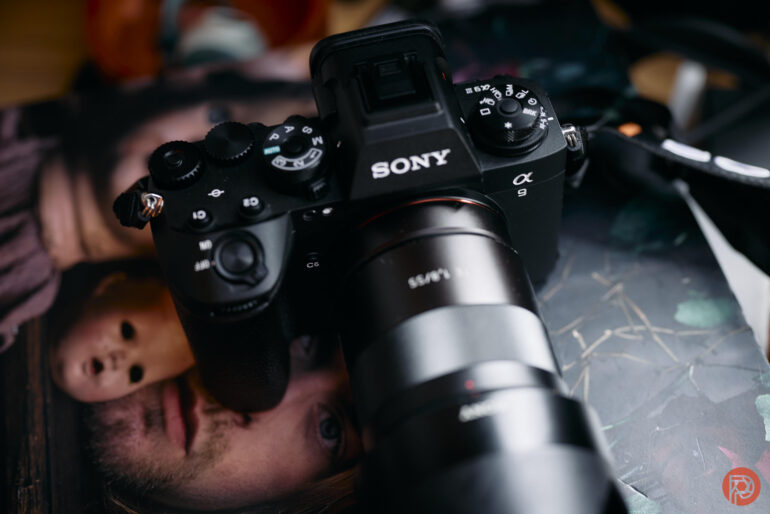
If we had to pick the most innovative mirrorless camera on the market right now, we’d pick the Sony a9 III. The camera’s global shutter opens up possibilities not previously possible — and chief among them is no shutter speed limit for off-camera flash. Indeed, the Sony a9 III is the camera for photographers who love flash. But the mirrorless is well-rounded, with solid autofocus, stabilization, weather resistance, and image quality too.
In our Sony a9 III review, we state:
“This is a pretty fascinating camera. It has applications for wildlife photography, sports photography, photojournalism, and weddings. That’s all dealing with capturing moments. But for more artistic photographers, the fast flash sync option opens up possibilities that haven’t been available in photography before. If you shoot portraits, this is a camera to surely consider — especially because the skin tones are much better than previous iterations of this camera.”
PROS
- Innovation for strobists; the LED is not taking over.
- Good image stabilization
- Good skin tones
- Sony’s best weather resistance
- Great autofocus
- Good high ISO output, but we’ve seen better from the competition
CONS
- Autofocus on people of color with melanin in their skin in low-light situations really needs to be worked on.
- Flash sync oddities that need to be worked out
- I’d really, really like some sort of tactile feedback that tells me that I’ve taken a photograph.


For Some Photographers, these Might be the Best Mirrorless Cameras
The Sony a9 III, may be an excellent camera, but it’s a high-end, expensive option that’s overkill for many photographers. The best mirrorless camera is a subjective choice that depends largely on both what and how you shoot. Whether you’re on a budget or want a true retro look, here are some of our other mirrorless favorites.
Nikon Zf

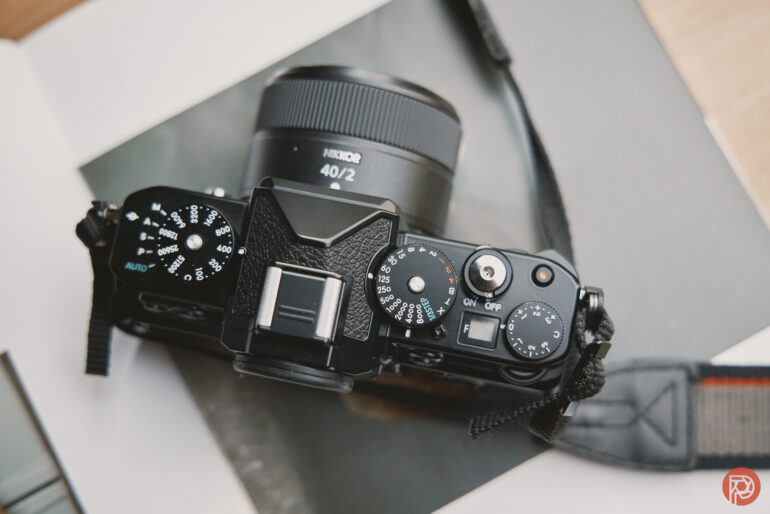
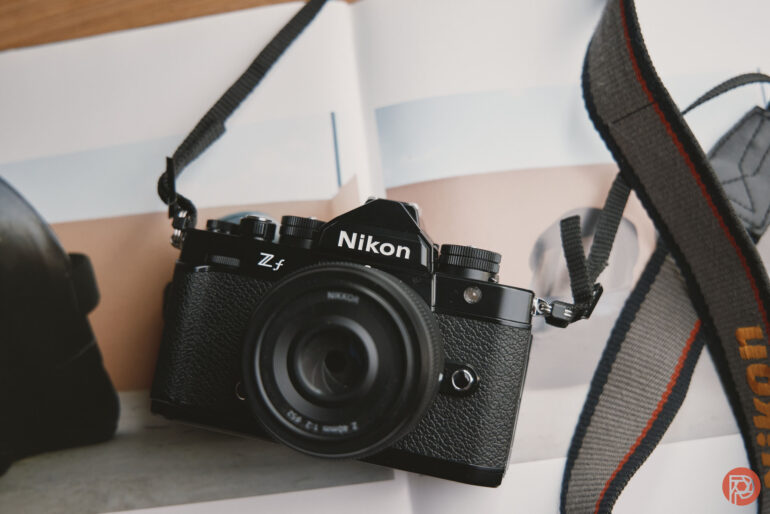
The Nikon Zf may not be the brand’s most expensive flagship, but in our opinion, it’s the best camera Nikon has made yet. The Nikon Zf uses a retro design that not only feels great in the hands but lets you fall in love with photography every time you pick it up. Besides the ergonomics, the full-frame sensor produces beautiful colors and very low grain even at high ISOs.
In our Nikon Zf review, we state:
“There’s a lot to love about the Nikon Zf. We can talk about the image quality, then go into the retro ergonomics, and we can wax poetically for a long time about how the camera feels in your hand. It’s also very reliable to be able to do most of what you want. Of any Nikon camera you get, this might be the one that you adapt lenses onto the most. It’s a pleasurable experience that has to be experienced to be understood and that leaves you speechless because you’re in love with the camera each and every time you pick it up.”


Sony a7c II

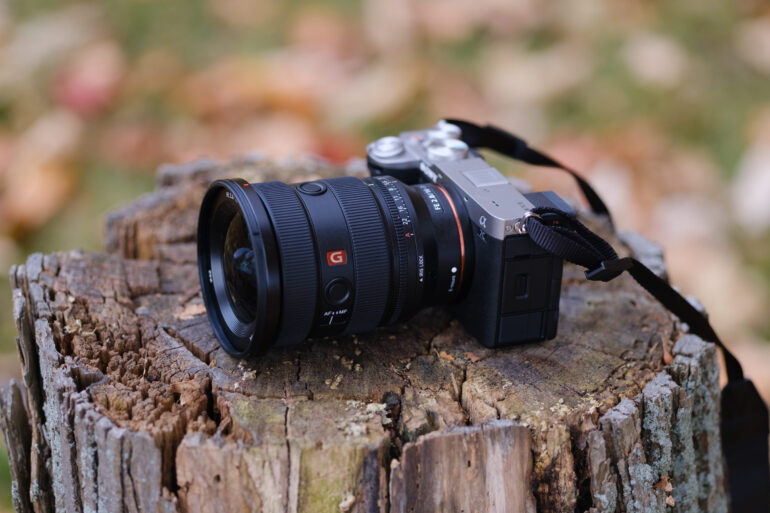
The Sony a7C II is a more affordable entry-level full-frame camera, but it deserves a spot on this list because the photographs it captures don’t look basic. If you’re on a budget, you’ll love the full frame images this compact mirrorless can capture. The stabilization, and in particular the human and animal eye AF, is going to be a big boost for beginners, as well as the stabilization.
In our Sony a7c review, we said:
“Any entry-level camera is bound to make a few sacrifices. But, sitting pretty at $2,200 for the body, the Sony a7c II delivers images that don’t look like they were shot on an entry-level camera. The image quality and ease of use are high points with this camera, as well as the rangefinder design and weather-sealing. And while the a7c II doesn’t deliver the near-perfect hit rate of Sony’s priciest sports models, it’s a pretty versatile camera to go from stationary portraits to action.”


Fujifilm GFX100 II

If you’re craving the best possible image quality straight from the camera and have a healthy budget, consider skipping the full-frame and going straight to medium format. The Fujifilm GFX100 II is a 102-megapixel beast with Fujifilm’s excellent color and ergonomics. The autofocus on a medium format can’t yet keep up with anything much faster than a walk, but the trade-off is dreamy bokeh, color, and detail.
In our Fujifilm GFX100 II review, we said:
“Feast your eyeballs on 102 megapixels of colorful medium format goodness—at least, that’s how I thought I should introduce the unedited JPEGs captured on the Fujifilm GFX100 II. I’ve never seen a set of images look so perfect straight from the camera without editing. Get the exposure and white balance right in the camera, and the large sensor and Fujifilm color science will do the rest. The images from the Fujifilm GFX100 II lived up to my exceptions with excellent detail, low noise, and when I didn’t get it right in camera, lots of dynamic range flexibility in post. The new film simulation, Reala Ace, is bound to be a Fujifilm fan favorite. While I’m a huge fan of Fujifilm’s retro-styled top dials, I thought the ergonomics on the GFX100 II were at least significantly better than the XH2 series.”


Canon EOS R6 Mark II

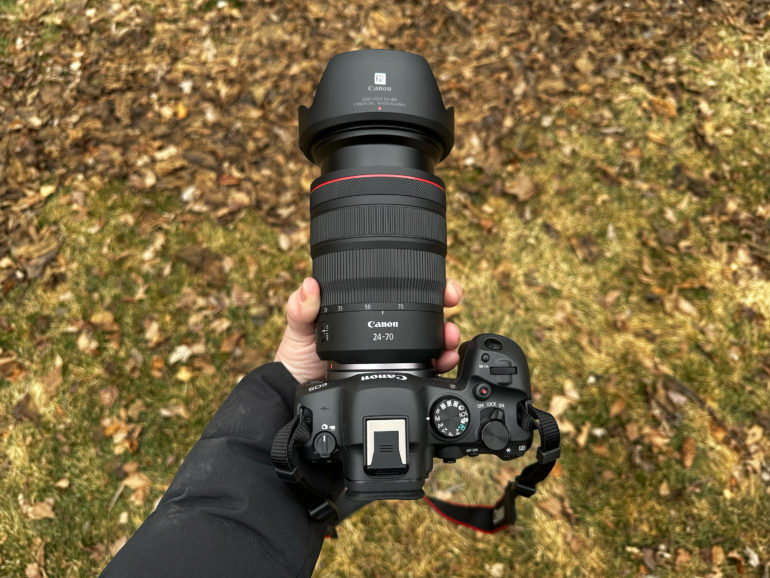
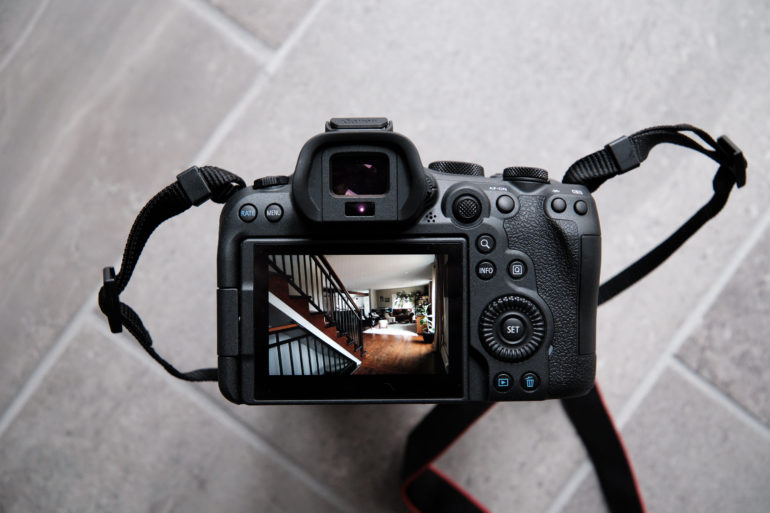
The Canon EOS R6 Mark II is a versatile workhorse camera. The full-frame mirrorless has the flex to snap portraits one minute, sports the next — and just as easily switch from stills to video. That’s thanks to an excellent autofocus system paired with the 24.2-megapixel full-frame image sensor, which also does an excellent job in low light.
In our Canon EOS R6 Mark II review, we said:
“The Canon EOS R6 Mk II is a competent little camera. It’s built to withstand nature’s elements and feels good in your hands. The camera boasts new bells and whistles enthusiasts will appreciate while rarely missing a frame. Even seasoned pros will have fun with new panning and intelligent autofocus features.”


Leica SL3

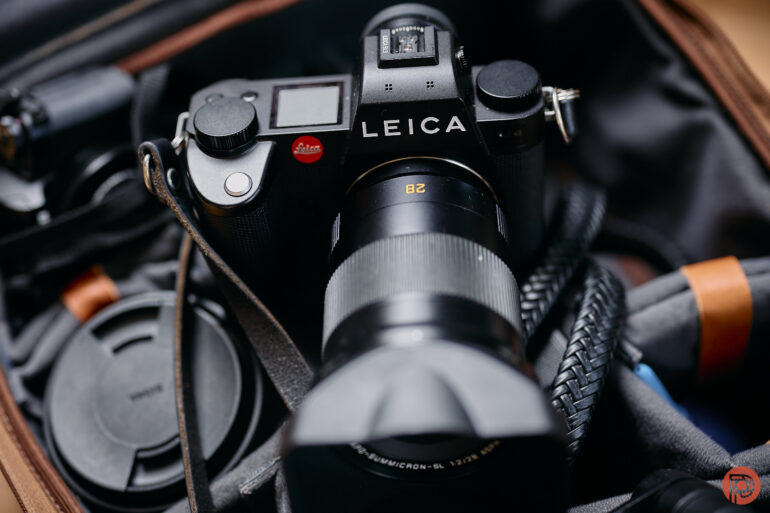
The Leica SL3 offers a mix of high resolution and performance that’s hard to come by. It packs a 60-megapixel full-frame sensor, yet locks focus even faster than Sony’s high-resolution options. Yes, as a Leica, the SL3 doesn’t come cheap. But besides the image quality and performance, it has both excellent ergonomics and a rugged IP54 durability rating. The battery life is also a key feature that’s hard to beat elsewhere.
In our Leica SL3 review, we said:
“It’s packed away in a box right now heading back to Leica — and it’s honestly hard to imagine the rest of the year without the Leica SL3 in my hands. There’s a lot to really like about it. Leica has truly been listening to their customers and the market while incorporating feedback into the camera’s design. It’s smaller and lighter than the previous version — yet they also packed an extra dial onto the top of the camera. This makes it feel a bit more retro while also keeping the very modern and sleek look. Additionally, they gave the camera a tilting touchscreen. Yes, the menu is now touch-capable. Plus, they improved the grip, gave it an incredible imaging sensor that rivals the Sony a7r V, majorly improved the autofocus, and built in some of the best battery life I’ve ever experienced. It’s hard to say no to the Leica SL3.”


Using this Guide to the Best Mirrorless Cameras
If you’re considering purchasing anything from this list, consider the following:
- All the product images and sample photos in these roundups are shot by our staff. In fact, we don’t talk about products at length in roundups like this unless we’ve done full reviews of them. But you can surely know that we’ve done all the research ourselves.
- We’d never recommend a product to you that we haven’t tested or that we really didn’t like. You can reference our linked reviews, for more information on this.
Tips on Choosing the Best Mirrorless Cameras

The key to choosing a mirrorless camera — or really any camera — is to first identify what matters most to your shooting style, and then finding the camera that offers the best fit for those features. As you narrow down the list of potential choices, consider these features.
- Mirrorless cameras tend to prioritize either resolution or speed. The best cameras do a bit of both, but the best one in your budget may not. Genres like sports and pets will need a faster camera, while photographers who mostly shoot portraits can save a lot of cash if they don’t pick the fastest camera.
- Full-frame and medium format sensors offer the most image quality, plus greater flexibility in cropping in post. That’s why the cameras on this list all have at least a full-frame sensor.
- Megapixels aren’t everything. The cameras with a lower resolution tend to have faster performance, not to mention less grain at high ISOs.
- Mirrorless cameras come in a range of sizes. If you travel frequently, one specification that you’ll want to look at is the weight and dimensions.
- Lens choice matters. While most mirrorless bodies have an excellent range of lens options, some of the more obscure focal lengths are still hard to find. Before you make your final decision, be sure to take a look at the different lens options compatible with your pick.
Picking the Right Mirrorless Cameras for You
- What’s your budget?
- How will you use the product?
- What lighting situations are you in, and how will that affect what you’re doing? Our reviews hyperlinked in this article can help with that.
- Are you traveling a lot with it?
- Will you be using it in a situation that’s a bit rougher?
- Who else uses this product? How are they using it?
- What’s so appealing about this product that I can’t get from what I have already or something else?
- When will I really have time to use this product?
- Where will I bring this product?
- How will this product help bring me joy and joy in my photography?