

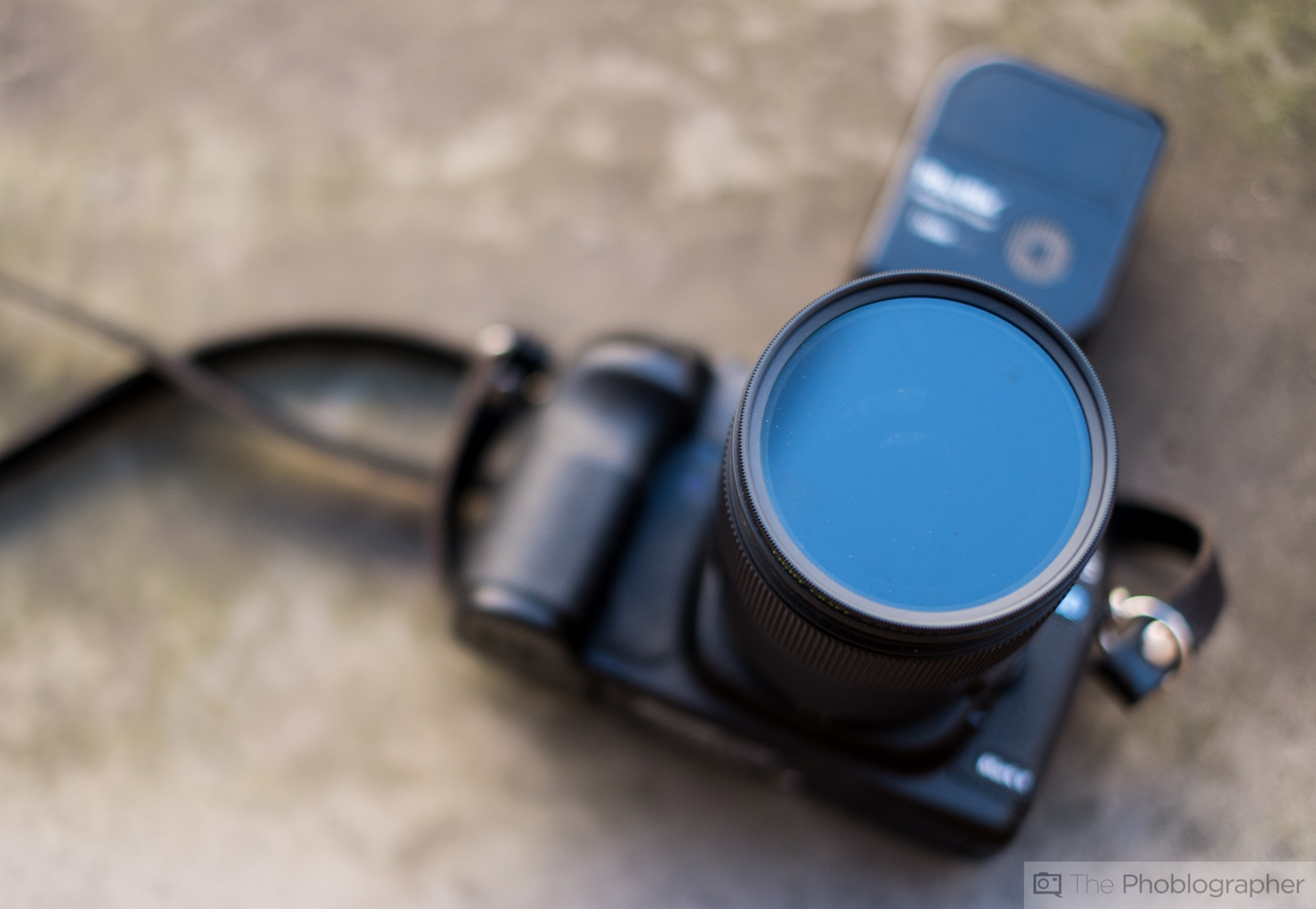
A Polarizing filter is best used by landscape photographers. They’re designed to darken skies, negate reflections on water, and cut down on glare. If you happen to be out in melting snow where there are random puddles everywhere that create lots of reflections, a Polarizer can cut them out. They can also be of use to studio photographers who are photographing on sheen surfaces that otherwise reflect lots of light.
This kind of stuff can’t necessarily be removed in Adobe Lightroom by nerfing the Highlights slider or killing the luminance of that specific color channel. It’s something that needs to be done in-camera in order to capture the details to begin with.
After the jump, we share a video on the effects of a Polarizing filter on a scene.
Get rid of the ads!
Did you enjoy reading this article as much as we enjoyed writing it? There's a way to support us and our reporting, getting ad-free navigation and more as a bonus. Subscribe to us for less than a coffee per month —just $3.99— or take advantage of our yearly subscription with a hefty discount for only $25.- An ad-free experience
- A free mystery box for Lightroom or Capture One
- All the books in our store
- 20% discount on Capture One
- 30% discount on Imalume Photo Theft Protection
- 20% off Herbs and Kettle Tea Company.
- 20% off your order from MPIX printing services.
- 5% off Viltrox Products via their eCommerce store.
- 10% off all film developing, printing and scanning services from Blue Moon Camera and Machine
- 15% off 7Artisans products: The lens and accessory maker is offering a sweet discount for Phoblographer's readers.