

Last Updated on 04/06/2026 by Chris Gampat
Humanity has come a long way, but it still has a long way to go. While we have unearthed lost civilizations, we have so much more to learn. As Artemis II, the first crewed deep space flight since Apollo 17 in 1972, inches forward to uncover the hidden secrets, we are waiting to see what they find. But as that happens, here is a quick look at which companies are now forging new ways to mark history.
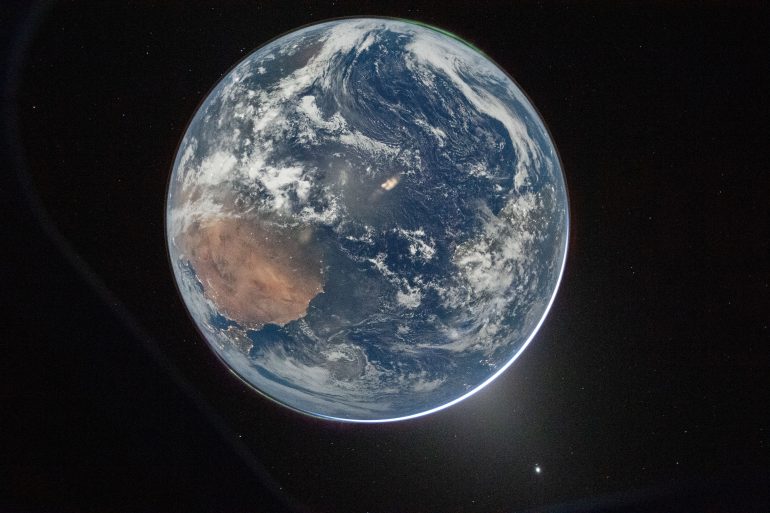
Artemis II took its flight on April 1, with the mission stated to end 10 days later. The first photograph of Earth since Apollo 17 has also been released, but the question that poses—which cameras are aboard the ship? Well, the answer includes some models, including Nikon and GoPro’s offerings.
According to NASA, Orion, the spacecraft, includes cameras on the exterior of the spaceship and over 10 handheld devices:
Orion is carrying 32 cameras and devices, including any instrument with a lens capable of capturing photos or video, inside or on the exterior of the vehicle. The systems support engineering, navigation, crew monitoring, and a range of lunar science and outreach activities. 15 cameras are mounted directly to the spacecraft, and 17 are handheld cameras operated by the crew.
A 10-Year-Old DSLR
The Nikon D5 is one of the main choices for the Artemis II mission. The device was launched in 2016, and is known for its high ISO performance, dynamic range and high megapixel count of 20MP. You also get a 2.36m-dot touchscreen LCD and the camera can record 4K videos. Moreover, it has an ISO range extending up to 3,280,000, which is quite immense. It is known to show strong resistance to radiation effects, which ensures reliable results beyond Earth’s orbit.
The First Mirrorless to the Moon
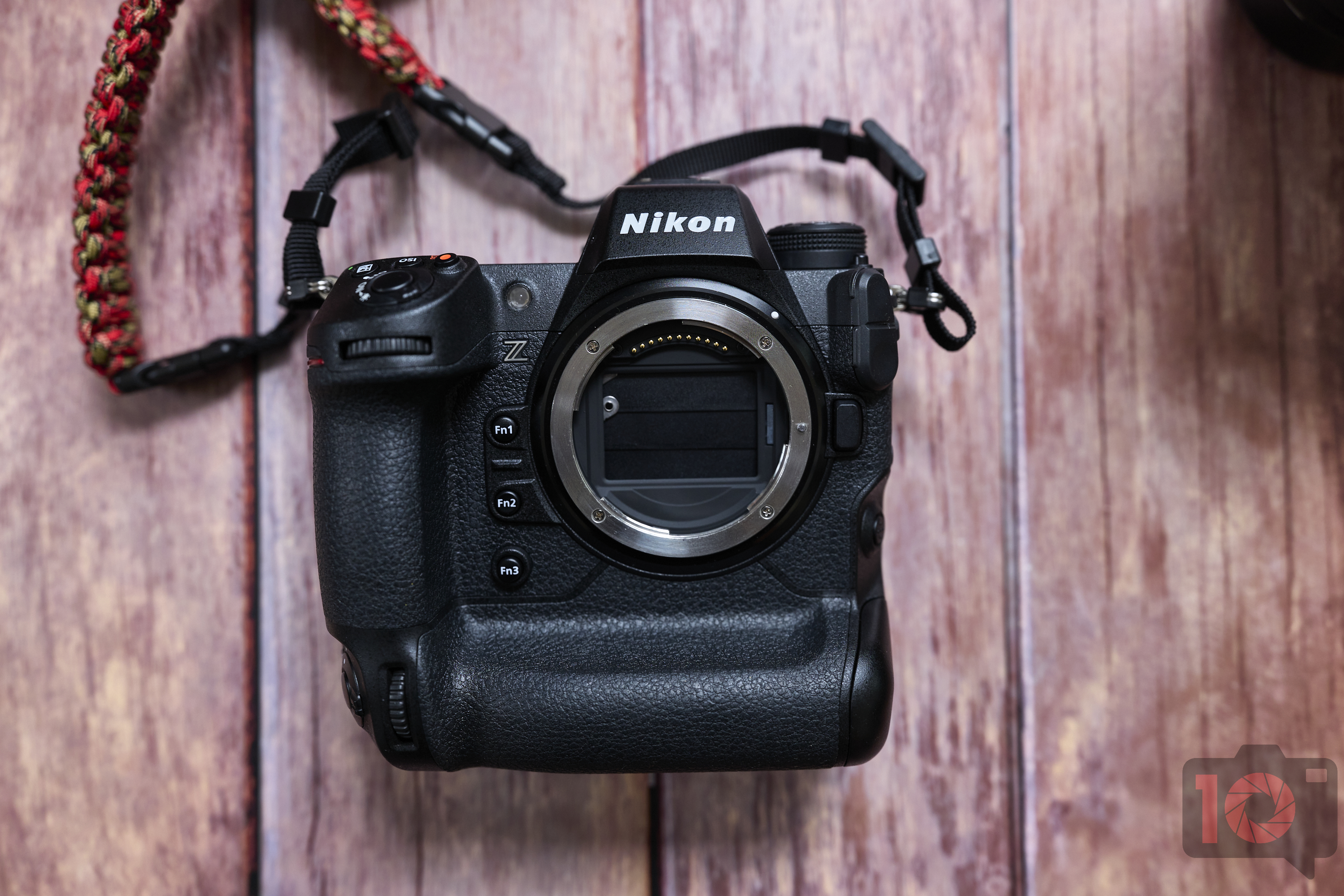
The Nikon Z9, upon its launch, was loved by millions of photographers. It appears that the same emotions are echoed by astronauts, too. The Nikon Z9 was earlier reported to be developed specifically the Artemis III mission, which will take place in 2027. However, per reports, Jeremy Hansen wanted the device to be a part of this mission as well. As Hansen told reporters:
We fought pretty hard to have that specific camera on the mission.
The Z9 was specifically added to study how the deep-space radiation environment affects its sensors. Moreover, the Z9 was also reportedly said to be developed to withstand lunar dust, extreme weather and resist cosmic radiation.
Since the Z9 was unveiled at CES 2025, it is unclear whether the developed version was sent on the Artemis II or some other variant. However, if it was one of the last-minute decisions (via Nikon Rumors), it is possible that some modifications may have been made. Especially since Nikon and NASA have been developing the Handheld Universal Lunar Camera (HULC) under a Space Act Agreement signed in 2024.
GoPros and Smartphones
Alongside Nikon, GoPro has also been a part of the journey. The company has about 28 cameras, which include some outside the spacecraft and some within to help the crew document their life. The New York Times also reported that the astronauts were allowed to take their smartphones on board, even if they couldn’t connect to the internet. One could say this makes Apple’s iPhones the first phones to travel to space.
Since Artemis II is the first unique mission to see the other side of the Moon, it also seems to be one of the most widely documented missions of its time. It means one will now see the full Orientale basin and Ohm crater, alongside a solar eclipse as well.
On Reddit, photographers are asking why Hasselblad was not considered again, given its historic inclusion in previous Apollo mission such as the iconic Earthrise photo Apollo 8 astronaut William Anders captured in 1968.
It remains to be seen what the photos will look like. But these cameras certainly have a significant input in one of humanity’s most extraordinary voyages.
Get rid of the ads!
Did you enjoy reading this article as much as we enjoyed writing it? There's a way to support us and our reporting, getting ad-free navigation and more as a bonus. Subscribe to us for less than a coffee per month —just $3.99— or take advantage of our yearly subscription with a hefty discount for only $25.- An ad-free experience
- A free mystery box for Lightroom or Capture One
- All the books in our store
- 20% discount on Capture One
- 30% discount on Imalume Photo Theft Protection
- 20% off Herbs and Kettle Tea Company.
- 20% off your order from MPIX printing services.