

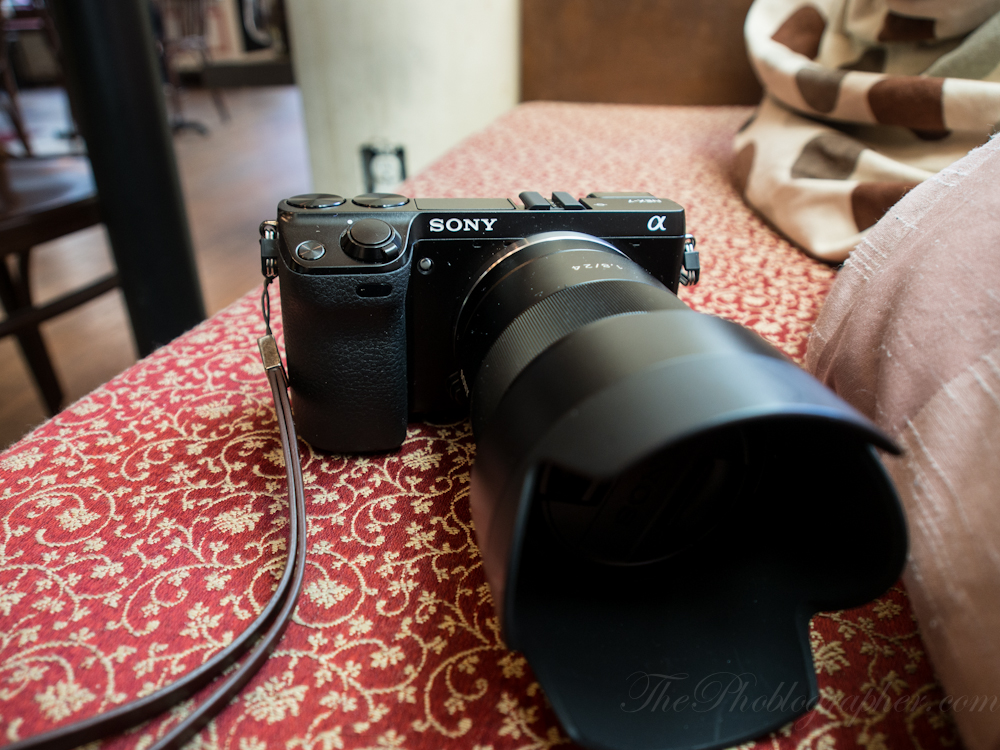
Sony’s evolution in cameras is nothing short of exceptional. The company took a gamble early on and launched mirrorless cameras when no one was sure it would work. This not only gave the company a serious advantage but also an edge: they are not afraid to call the tough shots. Today, we take a look at the cameras that have impacted the industry.
Sony A99
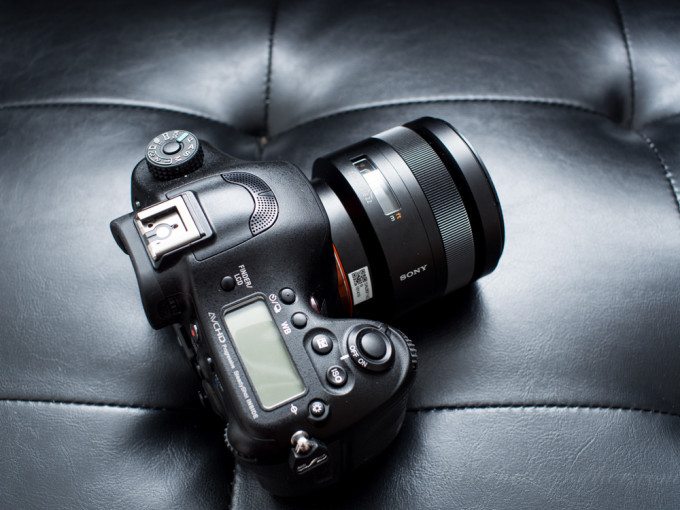
The Sony a99 was the most innovative model the company ever produced. One reason was that it was the first device to feature a translucent mirror without a pentaprism. This DSLT (digital single-lens translucent) device thus offered an EVF, allowing you to see exactly what the camera was seeing. This was huge, given that DSLRs at the time had an optical viewfinder. In addition, the A99 could track subjects really well in the autofocus mode. People who relied on the focus-and-recompose method can now achieve great images with wider lenses. The images, too, could outdo the 5D Mk III and D800 in some ways.
Sony A900
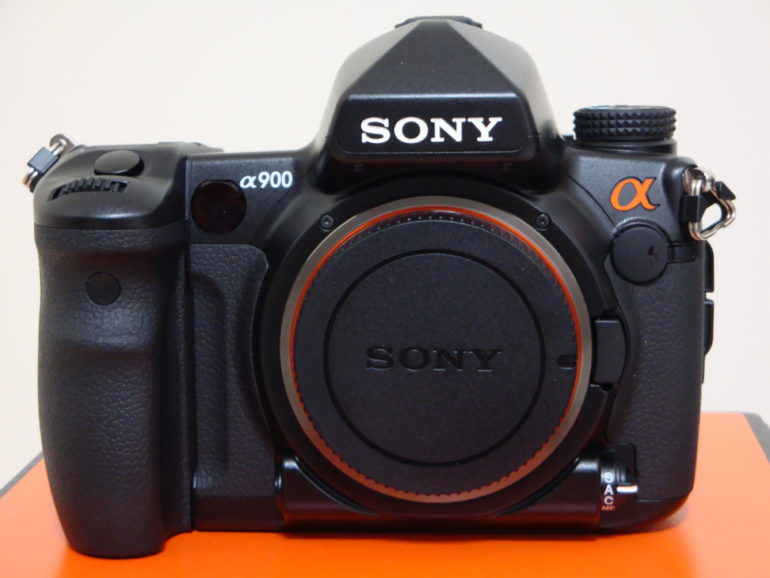
The Sony a900 was the company’s first full-frame DSLR introduced for professional photographers. It was the camera that put Sony on par with Canon, thanks to the high-resolution sensor for its time. Sony, which had acquired Minolta, also offered some fabulous lenses. At a time when Sony was known for its TV and PlayStation, the camera pushed the company as a serious brand for photographers. And with time, the company launched more innovations, which proves that Sony has been ahead of its time.
Sony NEX 7
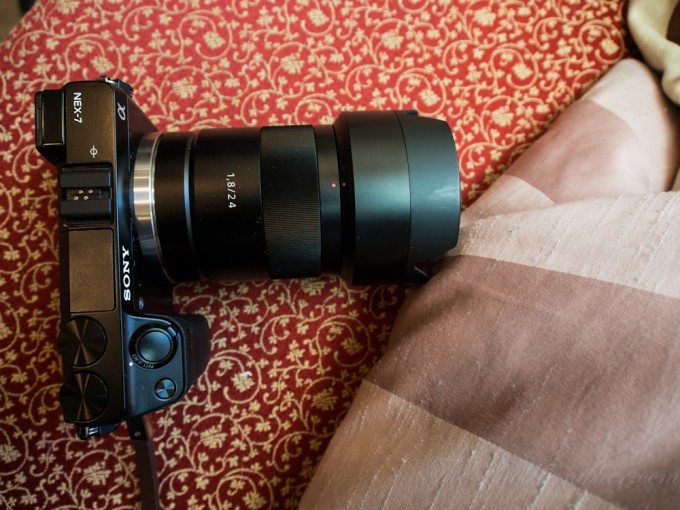
The NEX 7 packed a mirrorless sensor into a compact body, a first for its time. The camera was small, easy to carry around, and reminded photographers of the Mamiya 7. This was also introduced at a time when APS-C was just gaining popularity, and the NEX 7 became a serious competitor for serious enthusiasts. We reviewed the camera, and we were in awe of it. It had the smartest autofocus on the market, and could produce images that one adored. As we added in our review, “While an absolutely easy argument can be made for a company putting way too many megapixels on an APS-C-sized sensor, note that the NEX 7 still produces RAW files with a great dynamic range and with hands down the best color quality I’ve ever seen from many mirrorless cameras.”
Sony RX1
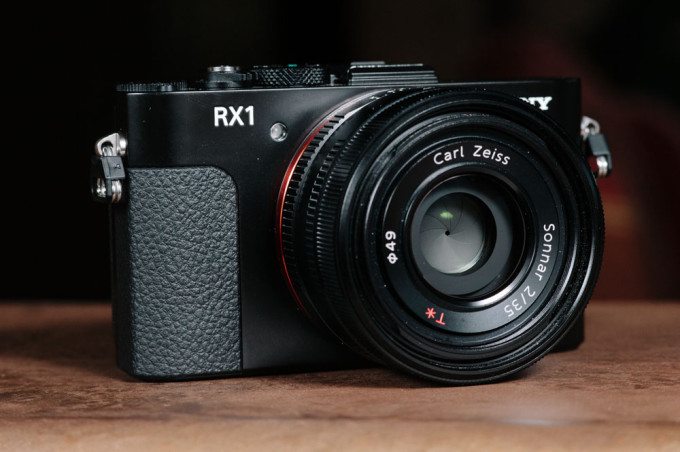
The RX1 started the trend of compact cameras made for serious photographers. It offered a full-frame sensor, a 35mm Carl Zeiss Sonnar T lens, and an EVF. It was built well, and that’s one of the reasons why it cost a lot. The camera offered exceptional autofocus, which was accurate and easy to use. The images are nice, and one can retrieve a lot of details from the shadows. Today, a third variation is available, too.
Sony A1

The Sony a1 is one of the best full frame cameras of all time. The device offers a 50MP high-speed RAM-stacked sensor with virtually no rolling shutter. The device also offers 9.44M-dot EVF with 240fps. The device is sturdy, and focusing is quite accurate and fast under different lighting conditions. As we said, “The camera had no problem finding the faces of my subjects, even when they had a mask on.” Like the focus, the images are detail-rich, and you can crop the photos as much as you like. The high ISO files are just as exceptional, delivering clean results up to ISO 12,800.
Get rid of the ads!
Did you enjoy reading this article as much as we enjoyed writing it? There's a way to support us and our reporting, getting ad-free navigation and more as a bonus. Subscribe to us for less than a coffee per month —just $3.99— or take advantage of our yearly subscription with a hefty discount for only $25.- An ad-free experience
- A free mystery box for Lightroom or Capture One
- All the books in our store
- 20% discount on Capture One
- 30% discount on Imalume Photo Theft Protection
- 20% off Herbs and Kettle Tea Company.
- 20% off your order from MPIX printing services.
- 5% off Viltrox Products via their eCommerce store.
- 10% off all film developing, printing and scanning services from Blue Moon Camera and Machine
- 15% off 7Artisans products: The lens and accessory maker is offering a sweet discount for Phoblographer's readers.