


The OM System cameras are known for their smaller but capable sensors that are perfect for wildlife and bird photographers. Cameras such as the OM-5, OMD EM1 III, and the newly launched OM3 are options that have been popular amongst a variety of users. While smaller sensors are quite exciting, anyone who wants more power will look at other companies such as Nikon, Canon, or Fujifilm. But it now appears that OM System is thinking of changing that, and they are looking to introduce a new medium format camera.
First reported by 43Rumors, OM System is internally discussing testing a new line of cameras for itself. Two sources close to the publication said that the company will resume its “medium format project,” which was initially started in 2018. The camera has a large stacked sensor in 4:3 ratio format,” said the source. It looks like a medium-format sensor.” However, it was shelved back then. The body of the 2019-launched OM-D E-M1X was actually designed for a medium-format camera. But alas, it was dedicated to Micro Four Thirds. Either way, the new format “could” gradually become a part of OM Systems’ new lineup.
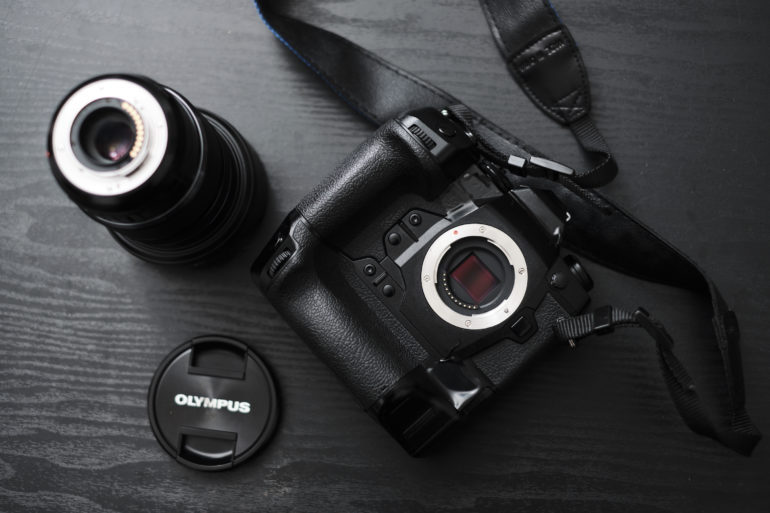
Details on what the sensor is like are scarce. However, it does not seem odd for the company to consider this, since Fujifilm announced its GFX series back in 2016 at Photokina. Today, a medium format is just the right option for anyone who wants a larger sensor and a device that costs less than a Hasselblad. In that sensor, the balance between APS-C and medium format has worked perfectly well for Fujifilm, especially since the full-frame market has three giant competitors with a much larger R&D team and finances to push the order out on time.

Olympus (and therefore OM System) has been fighting its own battle. In 2011, the company accepted that there had been a 20-year-long billion-dollar fraud, which led to a massive investigation. Then, in 2021, after more troubles, Olympus sold its imaging division to Japan Industrial Partners (JIP). After that, the new owners changed the division’s name to OM Digital Solutions, and the cameras became OM System. Seeing these changes, it is safe to say that the company needs to innovate if it wishes to continue to thrive. This brings us to what our Editor-in-Chief, Chris Gampat, said in an article back in 2013, when reports of Olympus going full frame came to the fore: ” In the end, though, their heritage is as a photo company. And as fast as Olympus can develop excellent technology, like with their FAST AF system, other systems are only bound to catch up. Olympus’s strength, though, lies in its glass–but only the most savvy amongst photographers totally understand that lenses are where it all matters. Sadly, though, not many companies market their lenses as strongly as their cameras, and even Olympus is guilty of this.”
So, a medium-format portfolio can only work if the company finds a niche, like Fujifilm. However, this also means they will have to put in extra effort to build up new lenses, which can take decades in themselves. All of this will thus boil down to how much OM System is ready to invest since their last camera, the OM3, was a lot like the EM5. If they are unable to meet the needs of photographers now, how will they invest in R&D for a medium format?
Whether this becomes true or not entirely depends on what the company is planning for its future. Perhaps they will stop their research again and focus on the MFT formats instead. A Pen F successor, for instance, is what many photographers want today. If digicams are back, then the company has just the opportunity to bring older users back. There is a fine line between risk and revolution. We have to wait and see which one OM System picks.
Get rid of the ads!
Did you enjoy reading this article as much as we enjoyed writing it? There's a way to support us and our reporting, getting ad-free navigation and more as a bonus. Subscribe to us for less than a coffee per month —just $3.99— or take advantage of our yearly subscription with a hefty discount for only $25.- An ad-free experience
- A free mystery box for Lightroom or Capture One
- All the books in our store
- 20% discount on Capture One
- 30% discount on Imalume Photo Theft Protection
- 20% off Herbs and Kettle Tea Company.
- 20% off your order from MPIX printing services.