


Camera lens technology is getting so good, that it’s not hard to find glass that’s near perfect. The problem is, those perfect lenses feel a bit clinical, a bit too sterile. And it’s not technical perfection that creates a good photograph, but rather the emotion that the image evokes. Ironically, photography is at a technical peak and yet some photographers are “hacking” lenses with a pair of nylons to get an old-school, filmy look. Photographers are Photoshopping in lens flare and using presets to add film-like colors and grain. Clearly, as the TikTok nylon trend indicates, not every photographer wants a sterile, technically perfect lens. The answer to this odd conundrum in the industry? Lens filters. The best camera lens filters give photographers creative control over the final image and, in many cases, seriously cut back the time needed in post-processing.
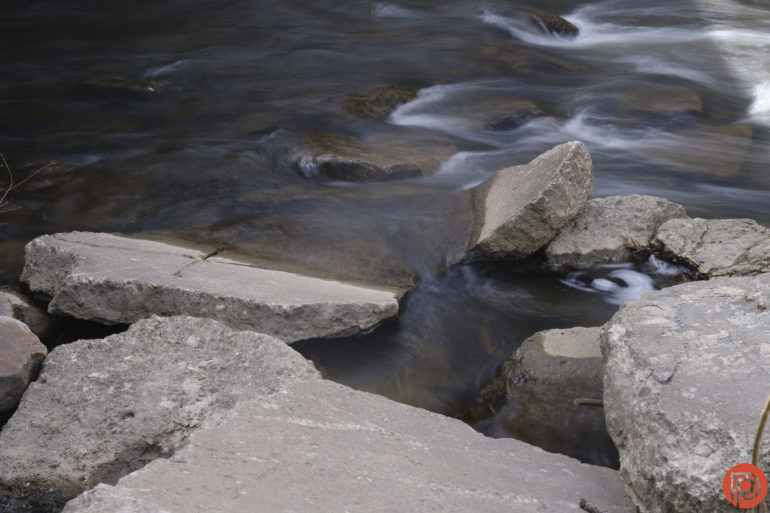
There are a lot of things that post-processing software can do that used to require a physical filter. However, there are a number of effects that still can’t be replicated on a computer, including graduated neutral density filters to keep the colors of the sky intact and neutral density filters to create long exposures. But filters can also fight back against the sterility of modern lenses, adding flare, soft blooms of light, or unique prism effects. And the best part of working with filters is that you can choose when to use the filter and when to screw it off for a more standard image.
In this guide, we’re sharing our favorite camera lens filters that we’ve tested over the years. These filters offer perks for a wide variety of genres (though portrait photographers will want to note our separate guide to the best lens filters for portraits here.) First, we’re sharing full filter systems that offer multiple options in a single kit, from magnetic filters to options that fit a wide variety of lenses. Second, we’re sharing our favorite VND and GND filters for a more perfect image with less post-processing. Finally, we’re sharing our favorite filters for creative effects.
Join us in banning boring photography with the best camera lens filters.
Table of Contents
Why You Should Trust Us
The Phoblographer has been doing real-world photography gear tests longer than any other photography publication currently run. We also have the largest database of real-world lens reviews, amongst other things like straps, camera bags, lights, accessories, and more. Here’s why that matters:
- AI Can’t Do This Job: These days, other publications do roundups, sometimes using generative AI. That’s the same as a person researching products and then making a decision without actually trying it. All of our reviews and guides are written not just by humans but by working photographers — not AI. Computers don’t use cameras, so why would you trust AI to recommend cameras for you?
- Research and Practical Experience: Here at the Phoblographer, humans consult on what roundups to do with guidance from an editor. Then, a human goes through our database of reviews and selects the best products based on our own internal research. The human creating the roundup has practical experience with photography gear and will apply their knowledge of what’s best to the already human-based experience provided in our reviews.
- We Block AI Bots: The Phoblographer blocks indexing bots from reading our site, so what’s here can only be read here.
How we Test and Choose the Best Camera Lens Filters
- The Phoblographer’s various product round-up features are done in-house. Our philosophy is simple: you wouldn’t get a Wagyu beef steak review from a lifelong vegetarian. And you wouldn’t get photography advice from someone who doesn’t touch the product. We only recommend gear we’ve fully reviewed in these roundups.
- If you’re wondering why your favorite product didn’t make the cut, there’s a chance it’s on another list. If we haven’t reviewed it, we won’t recommend it. This method keeps our lists packed with industry-leading knowledge. Some of our stories include affiliate links. If you buy something through one of these links, we may earn an affiliate commission.
- When we test lenses, we’ve got various things in mind. First off, we consider who might want to buy the lens and what they might do with it. With that in mind, we try to tackle at least three genres of photography with that lens in a variety of situations. If the lens has weather resistance, then we’ll test it accordingly with a weather-resistant camera. We also test the autofocus of the lens in continuous mode, single mode, with exposure preview effects, without those effects, and then with all the major image quality parameters. These days, no one really makes a bad lens — but some are far better than others.
- In this specific roundup, we’re basing our findings on the reviews that we’ve done. We’re choosing a favorite, but we’re also giving photographers a bunch of others that they might like, depending on how they shoot.
The Best Camera Lens Filter Systems
Lens filter systems offer more versatility and flexibility than a single filter alone. Some filter systems allow for faster filter swaps with magnetic attachments, while others are made to fit multiple lens sizes. Out of all the filter systems that we’ve tested, these are some of our favorites.
Maven Magnetic filter system
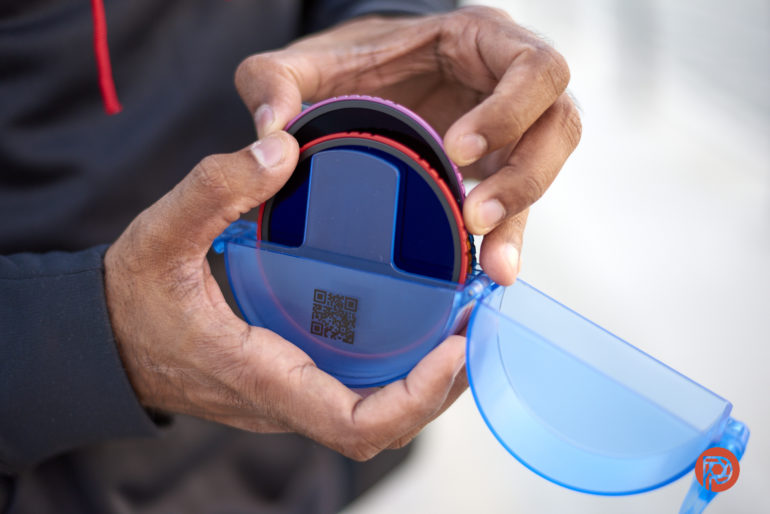
This colorful system uses a magnetized base ring to easily swap between neutral density and circular polarizing filters quickly. We loved the color-coded system for easily grabbing the desired effect, the durable build, and the color-neutral effect of the NDs. Along with the ND and circular polarizer kit, we also loved the glow filter option as well.
In our Maven Magnetic Filter System review, we said:
“After having used so many filter brands over the years, I think I’ve found the perfect match for my lenses. The Maven Magnetic Filters are well-constructed and color-coded for easy selection. Most importantly, they come with strong magnets that facilitate easy attachment to your lens. Their ND filters also didn’t demonstrate any visible color casts during my tests.”

Haida M10 II Filter System
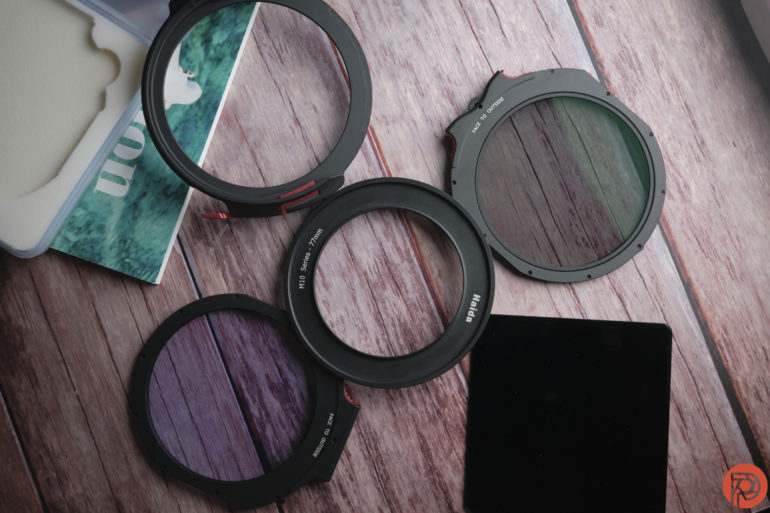
The Haida M10 II is a filter system that allows photographers to use both circular and square filters in one kit. While Haida isn’t the only one offering this sort of versatility, we really loved the variety of filter options, the coatings, and the durability of this set.
In our Haida M10 II Filter System review, we said:
“The Haida M10 II system filters are an incredible way of doing a whole lot of things at once with a lens and a camera. We think that they’re going to be best used by landscape photographers and cityscape photographers, but there are tons of applications for these filters. They allow for both special circular filters as well as square filters. And they’re adaptable to so many different lenses. However, to get the most from the system, you’ll need to buy in and probably replace a bunch of filters you may already have.”

H&Y Revoring Swift
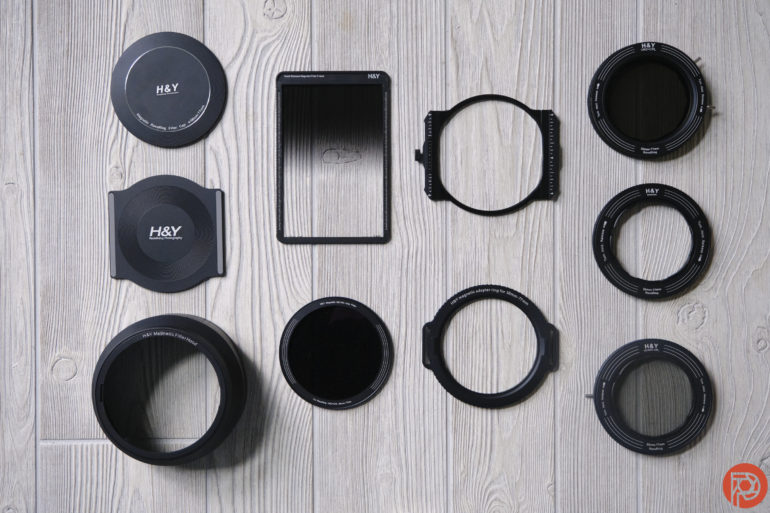
One of the factors that make investing in filters so expensive is that you typically need to buy multiple sizes if you have more than one lens in your kit (that, or use step-down rings to adapt them to a smaller size). The H&Y Revoring Switch is a unique system that allows the filter to adapt to different size lenses. Once the Revoring is on the lens, then it’s just a matter of swapping out different filters with the magnetic system. The filters linked below fit 67-82mm thread sizes.
In our H&Y Revoring review, we said:
“With adaptable thread sizes, the H&Y Revoring CPL is a great alternative to buying separate filters for each lens. Using a system that works much like the iris blades of a lens, the filter adapts to a range of thread sizes. That brings the reflection control to multiple lenses in your kit, all from a filter that doesn’t wreak havoc on colors or create vignetting.”
K&F Concept Square Filters
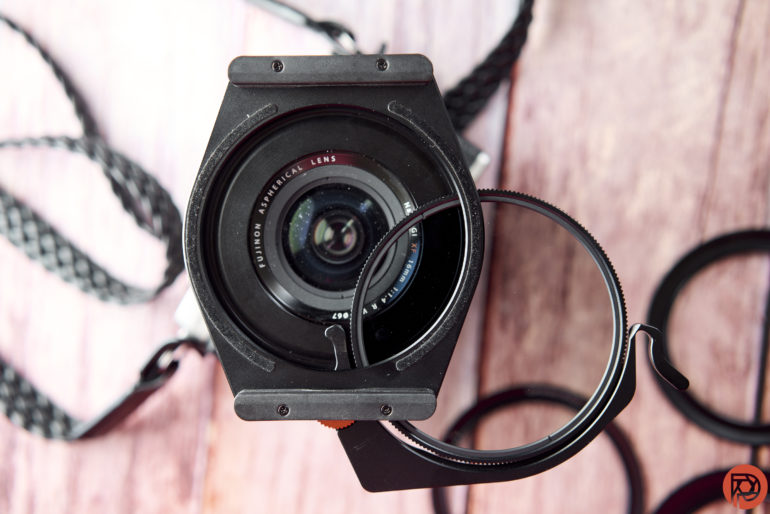
The K&F Concept is a filter holder that allows you to use both circular and square filters all within one system. While we liked the Haida M10 II’s durable and coatings a bit better, K&F’s system is far more affordable, including more filters in the base $300 kit. It’s an excellent system for landscape photographers that don’t want to spend too much on filters but don’t want to deal with serious color casts from cheap filters either.
In our K&F Concept Square Filters review, we said:
“Are the K+F Concept Square Filters worth the price of nearly $300 for landscape photography? I surely think so if you’re looking for convenience and never want to deal with another filter system ever again. The quality is unlike anything I’ve ever experienced, and I’ve tested a ton of filters.”

The Best ND, VND and GND Lens Filters
Experienced landscape photographers know the dramatic impact the right filter can have. An ND or neutral density filter allows for long exposures during the day, while graduated neutral density filters or GNDs darken the sky to prevent overblown highlights. Variable neutral density filters or VNDs are simply adjustable neutral density filters that offer a range of darkening powers without carrying multiple filters. Most of the kits above have VNDs, NDs, and GDNS as well as circular polarizing filters, but if you need just want one filter, check out our favorites below.
Lee Elements Variable Neutral Density Filters
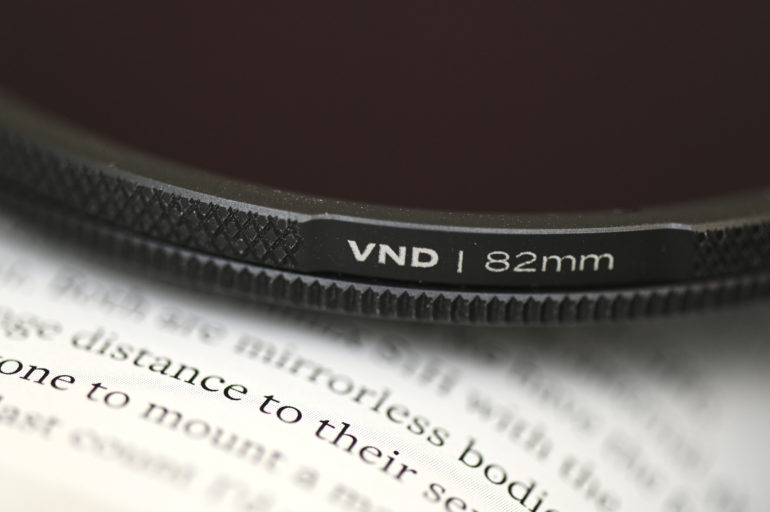
Cheap VNDs tend to deliver mixed results, darkening an X shape into the image or wreaking havoc on colors. The Lee Elements VNDs, however, we loved because there wasn’t a noticeable decline in image quality or colors — just a noticeable lengthening of the long exposure time. We’ve tested both the 2-5 stop version and the 6-9 stop version with excellent results.
In our Lee Elements VND review, we said:
“The Lee Elements VND 6-9 stop filter is so good it’s hard to tell the images were even shot with a filter — without looking at the shutter speed, of course. The filter is well built, easy to use, and smothers vignettes and color casts. If there’s anything to complain about, it’s the included case that’s a bit of pain to open.”
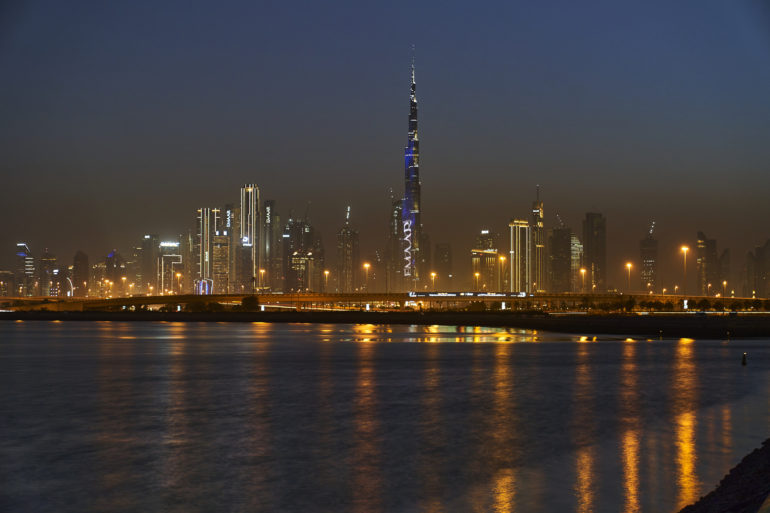
Irix Edge Soft GND
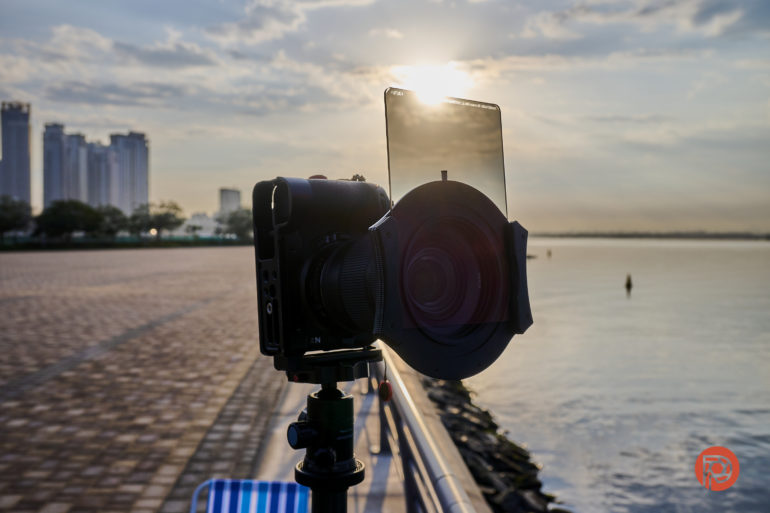
A good graduated neutral density filter is a must for retaining all the details in the sky in-camera. Sure, you can mask out the sky and darken it later in post, but in many cases the sky is too blown out to even recover. This filter darkens the sky in your landscape photos in-camera, plus it’s durable and doesn’t add any color casts.
In our Irix Edge 100 SR Soft Nano filter review, we said:
“The Irix Edge 100 SR Soft Nano filter is probably something every landscape photographer should have in their bag. I loved seeing how the skies popped when I slid this filter into the holder while previewing the scene in front of me on the camera’s LCD. It’s almost like watching a photo being edited in real time. Recovering highlights in blown-out skies when you’ve exposed for the foreground is challenging. This graduated ND filter helps you fix the exposure in camera as much as possible without having to take bracketed shots for blending later on.”

The Best Camera Lens Filters for Special Effects
As camera and lens technology continues to improve, the resulting images sometimes look a little too perfect and clinical. There’s a reason why TikTokers go viral for putting nylons over their lenses. Because in reality, emotion is a better gauge of how “good” a photo is than pixel peeping. The beauty of filters is that you can choose when you want a technically perfect image and when you want an unusual effect. (Plus, you don’t look nearly as weird doing it as you do with a pair of pantyhose on your lens). Here are some of our favorite camera lens filters for creative effects.
Tiffen Pro Mist
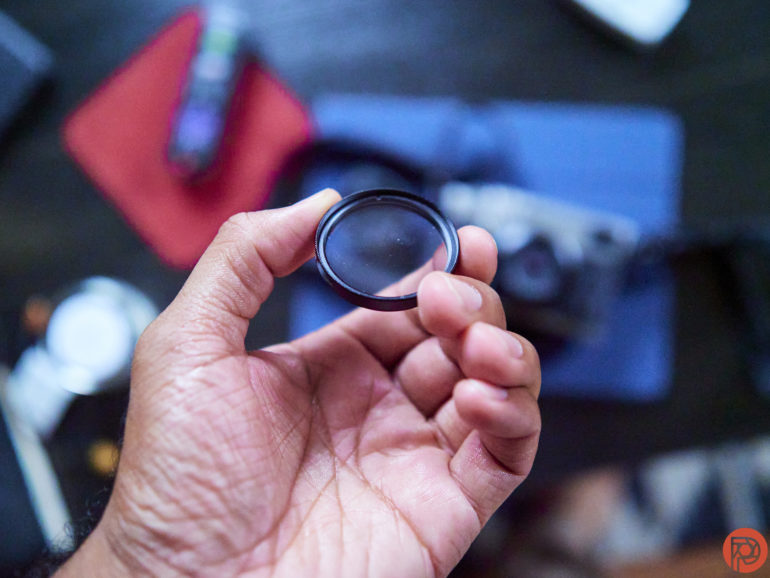
Tiffen Pro Mist filters add a bit of haze to images, which can be an incredible tool for genres from both creating blooms of light in street photography to capturing portraits without having to edit out pores. The effect also helps create a more filmic look to your images. We’d recommend going with the 1/4th effect option, as the 1/8 is much softer and harder to pick up on.
In our Tiffen Pro Mist review, we said:
“When walking around with the Pro Mist filters, we found it really hard to not like what we shot. Sometimes we wished the effect was even stronger than what it was. But with the 1/4 filter, you’re going to really like shooting into direct lighting. Practically speaking, I thought it was going to affect autofocus performance. Afterall, you’re basically making the image softer. But thankfully, that wasn’t the case.”
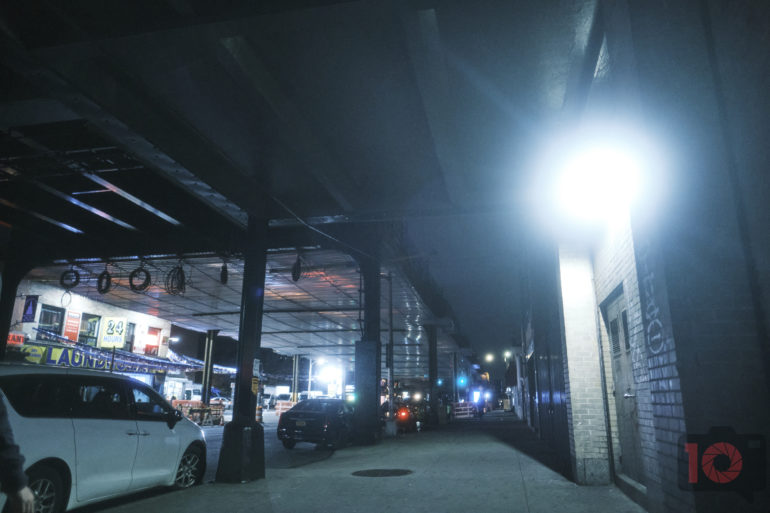
Prism FX Radiant
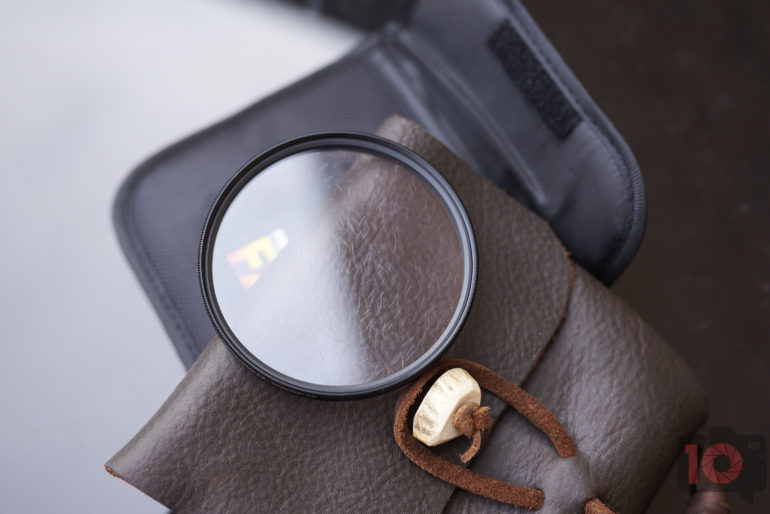
The PrismFX Radiant filter combines the effect of a mist or soft glow filter with randomized lens flare. The effect can be really quiet stunning, especially when shooting into the light. It also means less work in post trying to soften skin. That’s a great combo for portraits, as well as other genres.
In our PrismFX Radiant review, we said:
“The PrismFX Radiant filter combines a soft glow that you’d see in a Pro-Mist filter with randomized lens flare. Before I wrote this review, I showed the images to the staff. They loved it. And I’ve actively used the images in social media and dating profiles. The flare is a welcome effect that’s long been missing from modern lenses.”

Lensbaby Omni
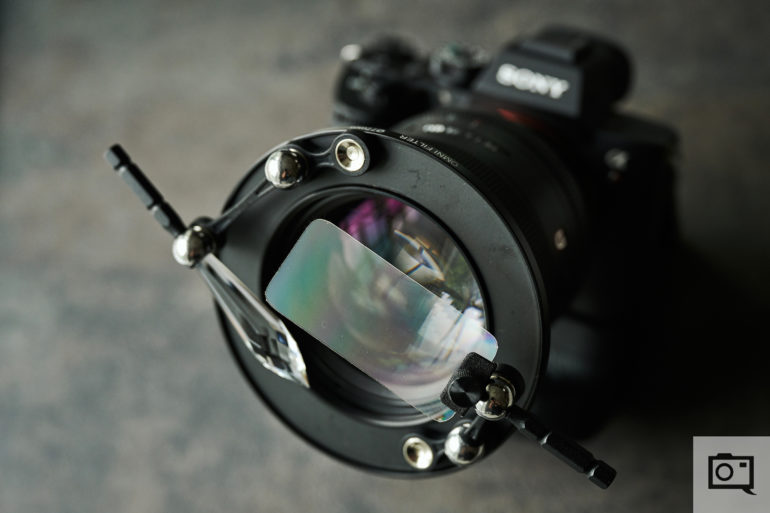
The Lensbaby Omni isn’t really a filter in the traditional sense. What it is is a set of prisms, glass, and color films that you can place over the lens for some unique effects. The base kit comes with a magnetic ring that allows you to connect the prisms and keep them in place, or for fast shots, you can just hold them in front of the lens too. It’s one of my favorite ways to add special effects to portraits and wedding photos.
In our Lensbaby Omni review, we said:
“Modern cameras and lenses can sometimes be too sharp and clinical. They lack the imperfections that sometimes give images unique optical characteristics. As a photographer who occasionally likes to introduce distortions and other lighting effects into my photos for added visual impact, the Lensbaby OMNI Creative Filter System allows it with ease, and without having to juggle between different crystals and prisms in one hand while holding a camera in the other. The magnetic Effect Wands stay put securely onto the Filter Ring thanks to powerful, rare earth magnets and can easily be re-positioned and adjusted to generate a near infinite amount of interesting in-camera effects without having to resort to adding them in post-production via Photoshop (cheating). My only wish is that Lensbaby will offer custom Effect Wands in the future so I can affix my own collection of crystals and prisms to them that I’ve amassed over the years.”

Irix Light Pollution Filter
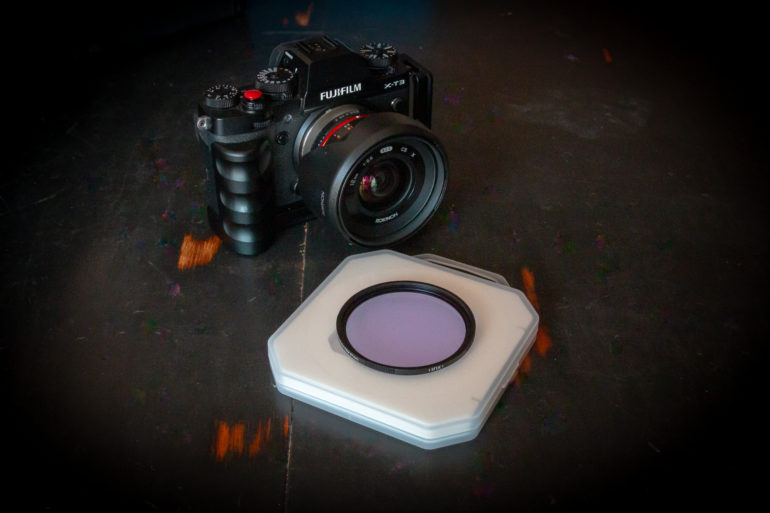
You can’t photograph the stars in the city with all that light pollution — or can you? The Irix Light Pollution Filter blocks out the sodium lamp spectrum, increasing the odds that you’ll be able to get some stars in your photographs even near the city. Even for more remote locations, the filter removes the yellow color casts from artificial lighting at night. If you’re an astrophotographer, this filter is a must.
In our Irix Light Pollution filter review, we said:
“There is absolutely no doubt in my mind that this light pollution filter from Irix does exactly what it is supposed to do. Once you have this screwed onto the front of your lens, any yellow color cast that is caused by sodium lamps is eliminated, and your image quality will actually improve because of this. While I did not get to try the filter out for astrophotography because of the current phase of the moon, I would recommend this filter to anyone who practices that genre of photography. If you cannot get far enough away from city lights, there is no doubt that this filter will help eliminate the yellow cast caused by bustling cities from your shots. The Milky Way will positively sing.”

Tiffen Blue Streak

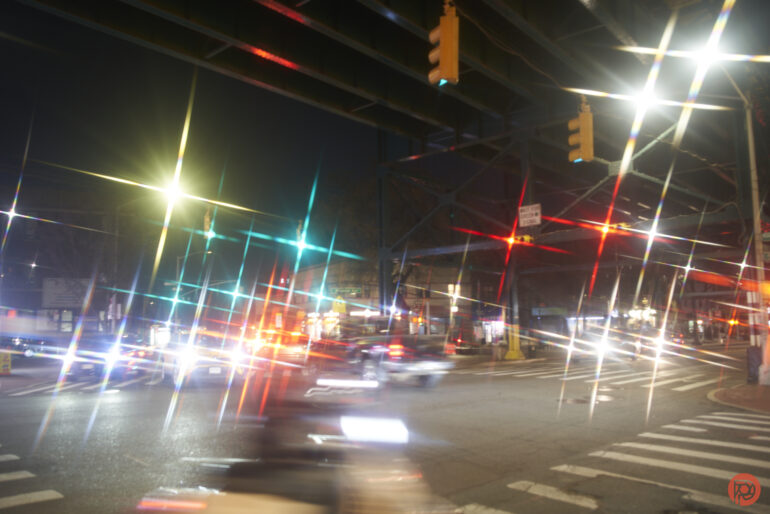
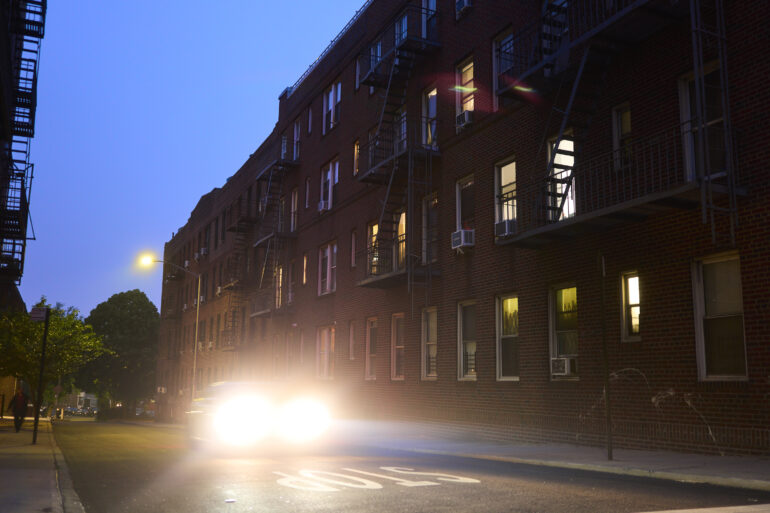
If you love those cinematic vertical flares, this filter is for you. The Tiffen Blue Streak creates those long linear flares. It’s a more delicate filter, but we think it’s worth it for many photographers.
In our Tiffen Blue Streak review, we said:
“With all this said, I’d recommend the Tiffen Blue Streak filters for anyone who does a lot of static work. But if you want to move around a lot, then I’d wait for Tiffen to make a variant with a ring that attaches to your lens. Just know that you’ll get some really beautiful effects with these filters that you can’t get quite the same with others. Tiffen’s quality is far better than that of PrismFX’s FlareFX filter, but they’re also far more pricey too.”

Tiffen Cross Screen
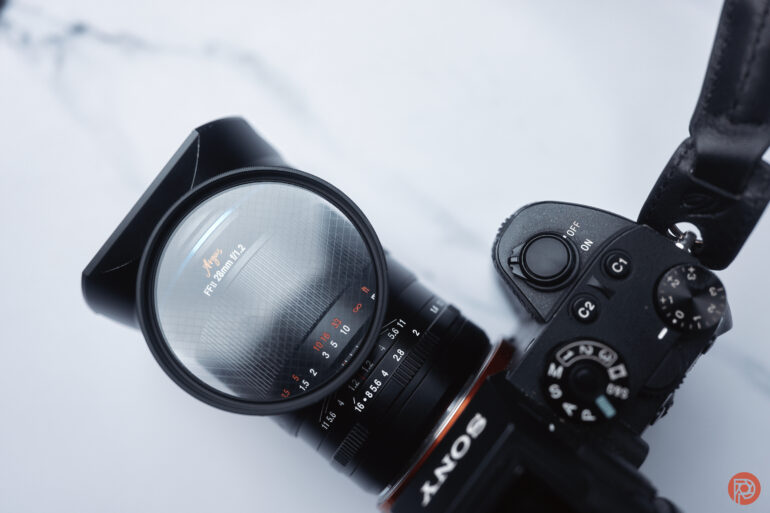
Tiffen’s Cross Screen filter turns points of light into starbursts — a fun creative effect for anything from portraits to night landscapes. The filter also adds some haze and bloom to light sources.
In our Tiffen Cross Screen filter review, we said:
“This is a fun enough filter to keep on your lens at all times just to see and experience the cool effects that it offers. I caught a candid photo of my buddies at a bar I was hanging out at. And behind them is light. The Tiffen Cross Screen filter made the light render in a completely different way, and depending on where you’re focusing, the lights might play out or look totally unique each time. That’s something I really like about the Tiffen Cross Screen filter, you can’t always predict to know what it’s going to look like.”
Tiffen Glimmer Glass

Looking at the Tiffen Glimmer Glass, you’ll see literal sparkles embedded in the glass. The result is like taking the softening and light blooming effects of a mist filter, then adding more specular highlights. This adds extra detail, without adding extra sharpness. The effect is a great tool for photographers who love the film-like look.
In our Tiffen Glimmer Glass review, we said:
“The point of Tiffen Glimmer Glass filters is twofold. Primarily, they add diffusion, though not with the same effect as Tiffen’s Pro Mist Black filters or Pro Mist filters (the latter adds diffusion and halation through the smoothness of the filter). But Tiffen Glimmer Glass does it by adding a lessened effect and a bit of sparkle. Quite literally, if you look at the filter, it will look like there are sparkles.”
Spektrum Effects Motion
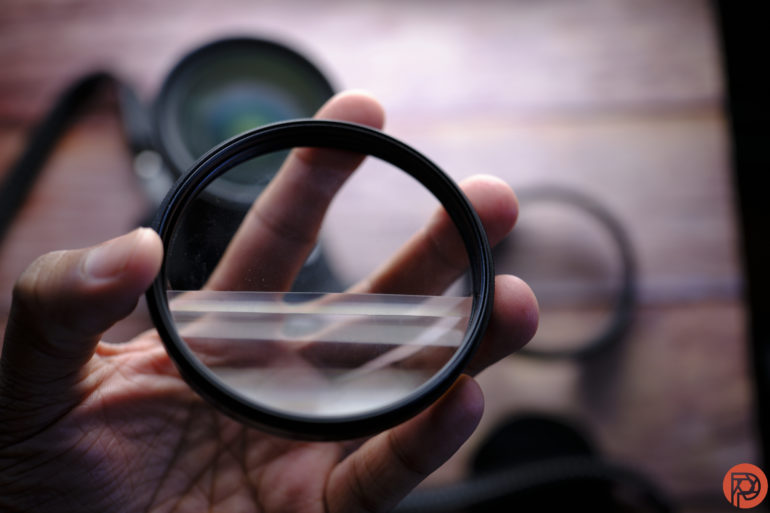
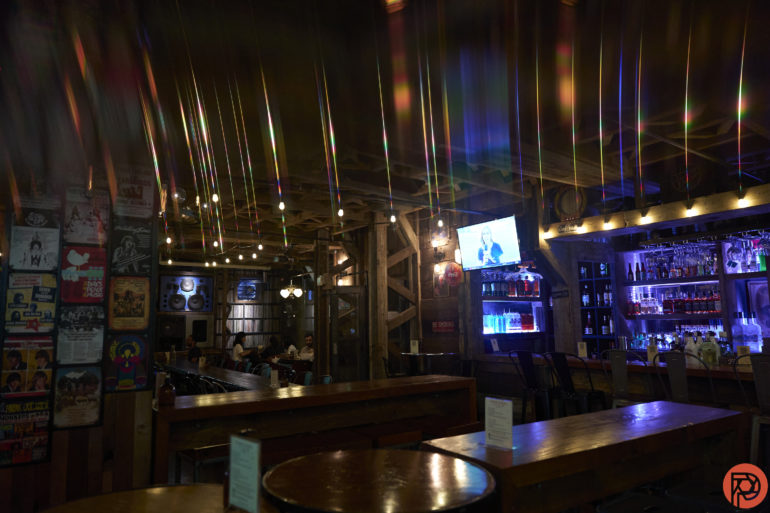
This unique filter adds an effect that looks a bit like motion blur to your images. Yes, you could just add motion blur with a slow shutter speed, except that, with this filter, you can add that blur to only part of the image. The filter also creates some beautiful flare streaks when directed towards lights.
In our Spektrum Effections Motion review, we said:
“The Spektrem Effects motion filter is simple to use. Screw it onto a lens, twist it around to get the effect, and take a photo. But where it becomes fascinating is in all the ways it can be applied. In one scene, I made it look like people were coming out of a different universe. In another scene, I used reflections to single out my buddy in a scene. And in yet another scene, I used the filter to make a building stand out more with careful composition. But more than that, my buddy took a photo of my favorite Korean Fried Chicken spot and made the lighting look so lit (pun intended).”
Using this Guide to the Best Camera Lens Filters
If you’re considering purchasing anything from this list, consider the following:
- All the product images and sample photos in these roundups are shot by our staff. In fact, we don’t talk about products at length in roundups like this unless we’ve done full reviews of them. But you can surely know that we’ve done all the research ourselves.
- We’d never recommend a product to you that we haven’t tested or that we really didn’t like. You can reference our linked reviews, for more information on this.
Picking the right Camera Lens Filters for you
- What’s your budget?
- How will you use the product?
- What lighting situations are you in, and how will that affect what you’re doing? Our reviews hyperlinked in this article can help with that.
- Are you traveling a lot with it?
- Will you be using it in a situation that’s a bit rougher?
- Who else uses this product? How are they using it?
- What’s so appealing about this product that I can’t get from what I have already or something else?
- When will I really have time to use this product?
- Where will I bring this product?
- How will this product help bring me joy and joy in my photography?
Get rid of the ads!
Did you enjoy reading this article as much as we enjoyed writing it? There's a way to support us and our reporting, getting ad-free navigation and more as a bonus. Subscribe to us for less than a coffee per month —just $3.99— or take advantage of our yearly subscription with a hefty discount for only $25.- An ad-free experience
- A free mystery box for Lightroom or Capture One
- All the books in our store
- 20% discount on Capture One
- 30% discount on Imalume Photo Theft Protection
- 20% off Herbs and Kettle Tea Company.
- 20% off your order from MPIX printing services.
- 5% off Viltrox Products via their eCommerce store.
- 10% off all film developing, printing and scanning services from Blue Moon Camera and Machine
- 15% off 7Artisans products: The lens and accessory maker is offering a sweet discount for Phoblographer's readers.