


Last Updated on 09/03/2024 by Chris Gampat
Great landscape photography arguably began when Ansel Adams photographed vistas before him and then developed the glass plates he’s known for. The magic came out in the darkroom, for sure. This spirit was reawakened when photographers like Trey Ratcliff made HDR imagery in post-production. Indeed, most of the best landscape photographers have probably used post-production of some sort. But it’s important that the final isn’t isn’t mostly about the edit. Indeed, some photographers like Babette de Jong think post-production is heresy. These days, they’re combining in-camera techniques with ways to process their images in ways that Generative AI can’t mimic. So here are the 5 best landscape photographers making work that AI can’t mimic along with our interviews with them.
All images used with permission from the photographers in our interviews. Lead image by Reuben Wu. For more check out our roundup of 25 Best Landscape Photographers.
Table of Contents
Nathan Wirth: Nearsightedness With Landscape Photography

Nathan Wirth is one of the best landscape photographers who captivates lots of people. He shoots all in black-and-white, which he attributes to the visual inspiration he got when he was younger while watching black-and-white TV. Combine this with low-vision, and we can understand how Nathan makes his images that are positively entracing.
Here’s a quote from our interview:
Nathan is very, very nearsighted — he must wear glasses. Without specs, the world is a fuzzy blur of colors and shapes. His left eye is worse than his right and it cannot be fully corrected. When Nathan shoots, he can see close up and glasses make it difficult to see the viewfinder. Because of this, he has to pull his glasses down.
Reuben Wu: One of the Best Landscape Photographers, Period
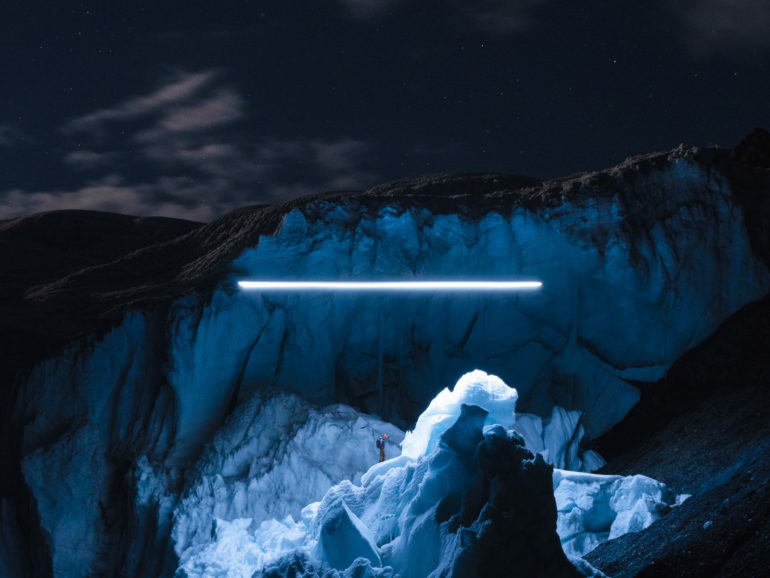
We’ve talked to Reuben Wu several times over the years. His work ages like a fine wine — and the newer work he produces outdoes what he’s done previously. What he’s known for these days is making landscapes while using drones. In fact, he’s been hired by major brands for this style of work.
Here’s a quote from our interview:
Wu’s artist statement makes Terminus an even more meaningful and pressing project. “This glacier is receding at a shocking rate due to climate change and as a result there has been a huge drop in tourism and an impact on the local community,” he spoke with urgency on the state of the Pastoturi Glacier in Cordillera Blanca. “However, with this series, I felt like this was an attempt to document and preserve the memory of a landscape in peril which may not exist in a decade.”
Gustav Willeit: Making Painterly Landscapes
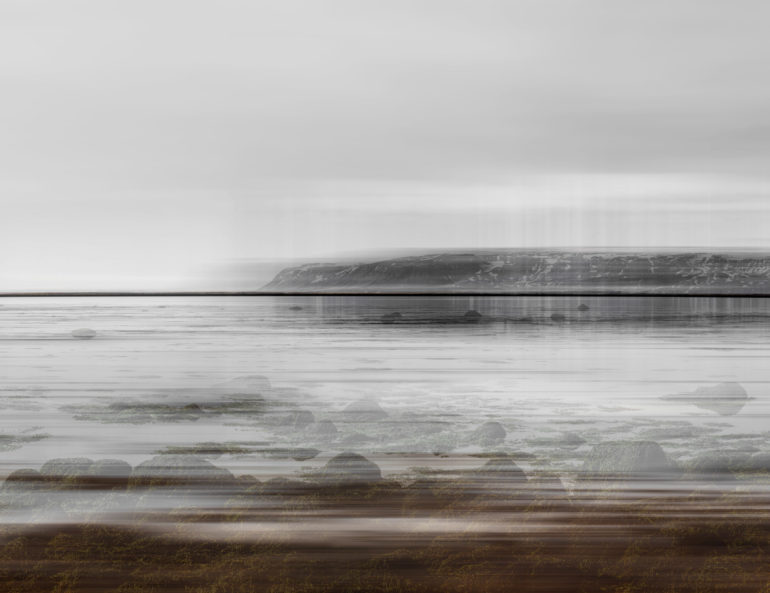
Gustav Willeit is one of the best landscape photographers making images that involve in-camera movement. This method helps photographers make landscape photography that appears to be like a painting.
Here’s a quote from our interview:
This resulted in a surreal, painterly two-part series he called Revid.T, which challenges our attention to the reality of the places captured. The series, he also said, is “a re-evaluation of our blue and colored, idyllic world… How is it going to look like someday? Will we be able to recognize it? Will we still be part of it?” By combining multiple exposures, creative blurring, and muted colors, Willeit was able to create a body of work that is “a mixture of invention and reality,” “almost like a memory of a place that has an existing point of reference.“
Caitlin Fullam: Creativity Through Double Exposures
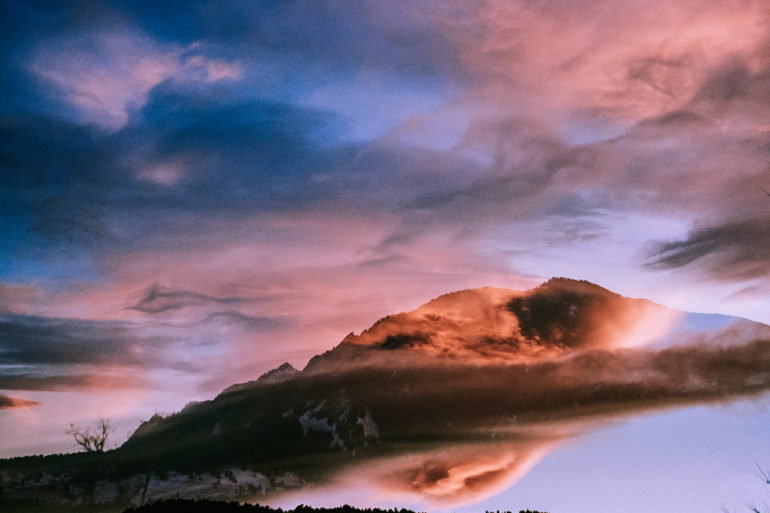
Photographer Caitlin Fullam does most of her work using post-production — at least her commercial work. But when she decided to play with film, she did most of the work in-camera. Double Exposure landscape photography is something that’s bound to take on more importance in the years to come.
Here’s a quote from our interview:
…double exposures feel so playful and interesting to me! I love the idea of creating a story by intentionally combining two separate images. The process itself is fun because I creatively construct the scene in my head prior and then try to bring it to life, which is much easier said than done.
Tara Workman: Abstract Magic

Tara Workman does some pretty trippy and abstract work that makes us think the world is a totally different place than what it is. She’s often hyperfocused on very small, key details. That’s part of how she makes the images she presents in her portfolio.
Here’s a quote from our interview:
“I find I’m most productive when I simply show up and allow the light and landscape to guide me. Fortunately, the photographers I tend to go out with have their own ideas, so I happily tag along. I think the beauty and majesty of a location are more of a muse for my creativity than a distraction.”
Get rid of the ads!
Did you enjoy reading this article as much as we enjoyed writing it? There's a way to support us and our reporting, getting ad-free navigation and more as a bonus. Subscribe to us for less than a coffee per month —just $3.99— or take advantage of our yearly subscription with a hefty discount for only $25.- An ad-free experience
- A free mystery box for Lightroom or Capture One
- All the books in our store
- 20% discount on Capture One
- 30% discount on Imalume Photo Theft Protection
- 20% off Herbs and Kettle Tea Company.
- 20% off your order from MPIX printing services.
- 5% off Viltrox Products via their eCommerce store.
- 10% off all film developing, printing and scanning services from Blue Moon Camera and Machine
- 15% off 7Artisans products: The lens and accessory maker is offering a sweet discount for Phoblographer's readers.
- 15% off a VSCO One subscription: Get a bunch of great tools with their all-in-one package.