


The genre of wildlife photography has seen a number of key technical advancements over the last few years. Chief among these is animal eye detection autofocus, an AI-based feature that automatically finds and detects not just the animal, but the animal’s eyes. It’s a feature that not only makes the genre easier to enter, but helps even pros capture fleeting moments faster. Animal eye detection autofocus is key to the best cameras for wildlife, but it’s not the only feature to look for.
Beyond a fast, accurate autofocus, wildlife photographers need a higher resolution camera to allow for more cropping, as most wildlife isn’t up close to the camera. Other key features to look for are fast burst speeds, quiet performance, stellar low light quality, and a durable design. The best wildlife cameras also have a solid selection of telephoto lenses to pair it with. After testing a majority of the mirrorless cameras on the market, including some serious animal eye-AF testing, these are the cameras we recommend.
Table of Contents
How we Test and Choose the Best Cameras for Wildlife Photography
- The Phoblographer’s various product round-up features are done in-house. Our philosophy is simple: you wouldn’t get a Wagyu beef steak review from a lifelong vegetarian. And you wouldn’t get photography advice from someone who doesn’t touch the product. We only recommend gear we’ve fully reviewed in these roundups.
- If you’re wondering why your favorite product didn’t make the cut, there’s a chance it’s on another list. If we haven’t reviewed it, we won’t recommend it. This method keeps our lists packed with industry-leading knowledge. Some of our stories include affiliate links. If you buy something through one of these links, we may earn an affiliate commission.
- When we test lenses, we’ve got various things in mind. First off, we consider who might want to buy the lens and what they might do with it. With that in mind, we try to tackle at least three genres of photography with that lens in a variety of situations. If the lens has weather resistance, then we’ll test it accordingly with a weather-resistant camera. We also test the autofocus of the lens in continuous mode, single mode, with exposure preview effects, without those effects, and then with all the major image quality parameters. These days, no one really makes a bad lens — but some are far better than others.
- In this specific roundup, we’re basing our findings on the reviews that we’ve done. We’re choosing a favorite, but we’re also giving photographers a bunch of others that they might like, depending on how they shoot.
Our Choice Among the Best Cameras for Wildlife Photography: Canon EOS R6 II
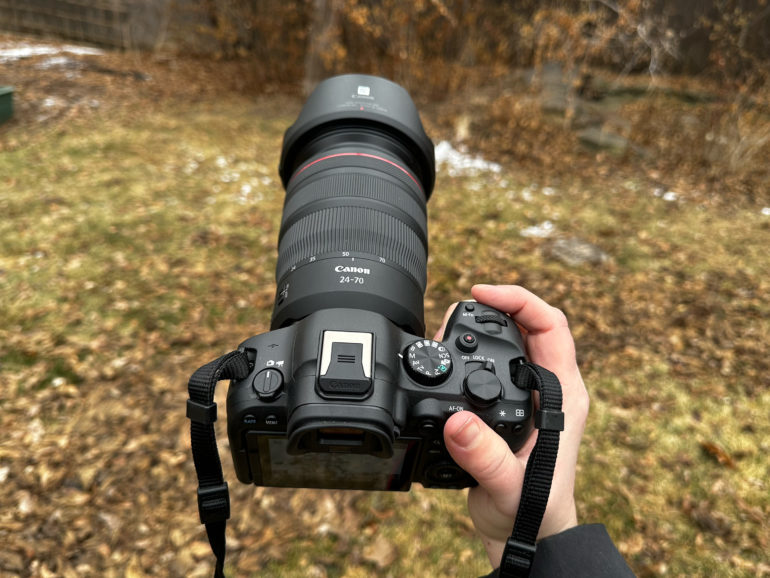
If there’s one camera that offers superb autofocus and speed at a reasonable price point, it’s the Canon EOS R6 II. The animal eye detection autofocus is excellent, keeping track of animals even through bushes and as they move. That’s paired with a 12 fps mechanical shutter or 40 fps quiet electronic shutter. The weather-sealed build is also comfortable to hold for long stretches. If there’s a downside, it’s that the 25.6-megapixel sensor doesn’t have as much flexibility for cropping in post.
In our review, we state:
“The R6 Mk II does an excellent job tracking people, animals, birds, and vehicles. Its wide tracking, eye AF, and single focus points are great. I had a lot of fun watching the camera work its magic while tracking vehicles at a busy intersection as well as ducks in a quaint park, which was a lot of fun.”


TECH SPECS
Tech specs are from the Lensrentals listing.
- Brand: Canon
- Camera Type: Mirrorless
- Shutter Type: Electronic Shutter, Mechanical Focal Plane Shutter
- Mechanical Shutter Speed: 1/8000 to 30 Seconds
- Electronic Shutter Speed: 1/16000 to 30 Seconds
- Bulb/Time Mode: Bulb Mode
- ISO Sensitivity: 00 to 102,400 in Manual, Auto Mode (Extended: 50 to 204,800)
- Metering Method: Center-Weighted Average, Evaluative, Partial, Spot
- Exposure Modes: Aperture Priority, Manual, Program, Shutter Priority
- Exposure Compensation: -3 to +3 EV (1/3, 1/2 EV Steps)
- Metering Range: -3 to 20 EV
- White Balance Presets: Auto, Cloudy, Color Temperature, Custom, Daylight, Flash, Fluorescent (White), Shade, Tungsten
- Continuous Shooting (Mechanical Shutter): Up to 12 fps at 24 MP for up to 1000 Frames (JPEG) / 110 Frames (RAW)
- Continuous Shooting (Electronic Shutter): Up to 40 fps at 24 MP for up to 190 Frames (JPEG) / 75 Frames (RAW)
- Interval Recording: Yes
- Self-Timer: 2/10-Second Delay
- Built-in Flash: No
- Maximum Sync Speed: 1/250 Second
- Flash Compensation: -3 to +3 EV (1/3, 1/2 EV Steps)
- Dedicated Flash System: eTTL
- External Flash Connection: Intelligent Hot Shoe
- Focus Type: Auto and Manual Focus
- Focus Modes: Continuous-Servo AF, Manual Focus, Single-Servo AF
- Autofocus Points (Photo, Video): Contrast Detection, Phase Detection: 1053
- Autofocus Sensitivity: -6.5 to +21 EV
- Battery Type: 1x LP-E6NH Rechargeable Lithium-Ion, 7.2 VDC, 2130 mAh (Approx. 760 Shots)
- Tripod Mounting Thread: 1x 1/4 “-20 Female (Bottom)
- Dimensions (W x H x D): 5.4 × 3.9 × 3.5″
- Weight: 1.3 lbs. (With Battery, Recording Media)
- Sensor Resolution: Actual: 25.6 Megapixel, Effective: 24.2 Megapixel (6000 × 4000)
- Sensor Type: 35.9 × 23.9mm (Full-Frame) CMOS
- Image Stabilization: Sensor-Shift, 5-Axis
- Built-In ND Filter: None
- Capture Type: Stills & Video
- Media/Memory Card Slot: Dual Slot: SD/SDHC/SDXC (UHS-II)
- Video I/O: 1x Micro-HDMI Output
- Audio I/O: 1x 1/8” / 3.5mm TRSStereo Microphone Input on Camera Body, 1x 1/8” / 3.5mm TRSStereo Headphone Output on Camera Body
- Power I/O: 1x USB-C Input
- Other I/O: 1x USB-C (USB 3.2 / 3.1 Gen 2) Data/Tether Input/Output (Shared with Power Input)
- Wireless: 2.4 / 5 GHz Wi-Fi 5 (802.11ac) Control, Bluetooth
- Global Positioning (GPS, GLONASS, etc.): None
For Some Photographers, these Might be the Best Cameras for Wildlife Photography
While the Canon EOS R6 Mark II is an excellent camera for wildlife photography, if you are willing to spend a little more, you can find even more features. That includes a higher resolution sensor, or even the ability to use flash at any shutter speed. Here are a few more excellent options for wildlife photography.
Sony a9 III: The Splurge Camera for Wildlife Photography
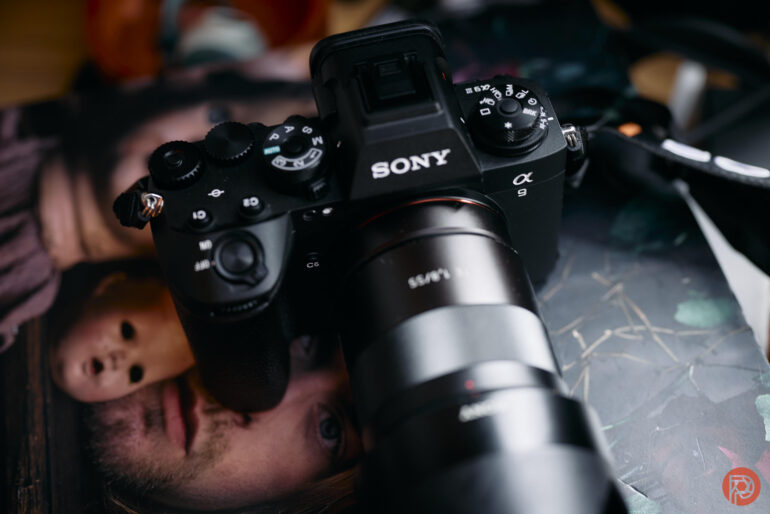
With its global shutter, the Sony a9 III is arguably the most innovative camera on the market — and it has a few tricks for wildlife photography too. The animal eye AF is excellent, though for camouflaged animals you’ll need to get off the automatic wide setting. The 24.6-megapixel full-frame stacked sensor offers excellent image quality, while 120 fps burst speeds are another big perk. But, the Sony a9 III is ideal for using flash to block out the ambient light and get a photo of birds or animals on a black background. That’s because the global shutter means there’s no flash sync speed limit. Of course, you’ll need to set up an off-camera flash near where the wildlife might be, such as a bird feeder, but this creates some really incredible images. The downside is that there are better cameras for high-ISO shooting, and the Sony a9 III is pretty pricey.
In our review, we state:
“Still needs user assistance to find little birds in a scene that are camouflaged. So with that said, you’ll need to use a specific autofocusing spot and give the camera that little bit of aid instead of using the automatic wide setting. This also goes for street photography — which I consider to be the ultimate test for cameras like this. Photographer Paul Kessel uses the Sony a9 II for street photography. He’s now considered one of the best in NYC. Where the camera suffers though is with people of color with deeper amounts of melanin in their skin in low-light situations. Nikon and Leica are still far ahead of Sony in this case.”


Nikon Z9: Best Wildlife Photography Camera for Low Light
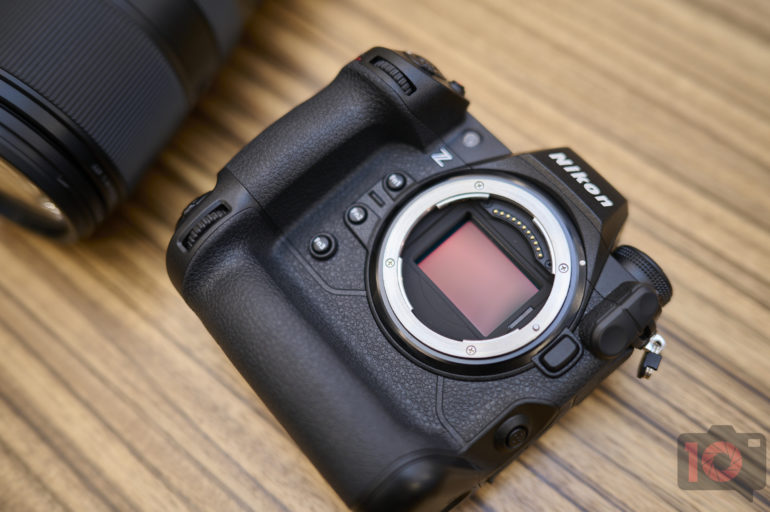
Wildlife photographers need to get in close — but with the 45-megapixel sensor on the Nikon Z9, you can crop it likes its Micro Four Thirds and get twice the reach and still have a decent resolution. But the real reason to opt for the Z9 is the camera’s autofocus, particularly in low light. While the Z9 wasn’t quite as good at picking up a bird through a mess of branches as Canon and Sony, the autofocus performance in low light was better. That’s a key feature for photographing animals in forests dense enough to block out much of the sun.
In our review, we said:
“With exposure preview turned off, photographing birds was super fun! I used a combination of AF-C, 3D tracking, automatic point selection, and auto-scene or animal-scene detection. It worked really well. Combine this with Nikon’s in-sensor cropping features, and you get more from your lenses. A 45MP sensor cropped to an APS-C sensor size still gives you a lot of details. That’s what I did, as those were the only lenses available to me.”


Panasonic S5 II: Best Hybrid Camera for Wildlife Photography
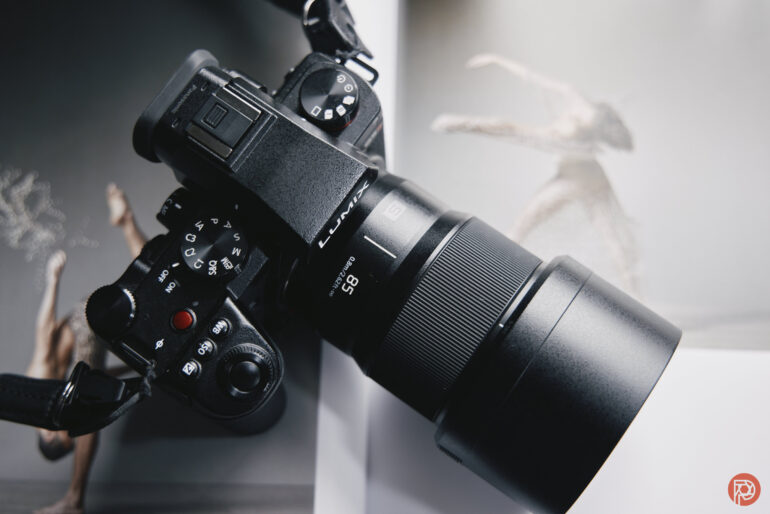
While the Panasonic S5 II didn’t initially have animal eye AF, a firmware update has made the full-frame mirrorless a serious competitor for wildlife photography. The autofocus is solid, but Panasonic also offers a pre-burst feature that captures a few photos before you actually press the shutter, decreasing the odds that you’ll miss the action. Another key feature is the Real Time LUTs, which essentially allows you to customize the color or add a film-like look in camera. The S5 II’s list of video features makes it an excellent choice for artists looking to shoot both stills and video.
In our review, we said:
“Now, there are some incredible things here. First off, the eye and body detection for animals is incredible. When photographing my friend’s dog, the camera was able to keep track of the dog’s eyes and find it really fast in mid-afternoon lighting here in NYC. To get the dog to pay some extra attention to us, we used treats. This made the dog come up to us to get the food. When this happened, we made the S5 II focus and shoot the image. Even with the camera’s focusing mode set to the full-area, it nailed the focusing.”


Using this Guide to the Best Cameras for Wildlife Photography

If you’re considering purchasing anything from this list, consider the following:
- All the product images and sample photos in these roundups are shot by our staff. In fact, we don’t talk about products at length in roundups like this unless we’ve done full reviews of them. But you can surely know that we’ve done all the research ourselves.
- We’d never recommend a product to you that we haven’t tested or that we really didn’t like. You can reference our linked reviews, for more information on this.
Tips on Choosing the Best Cameras for Wildlife Photography
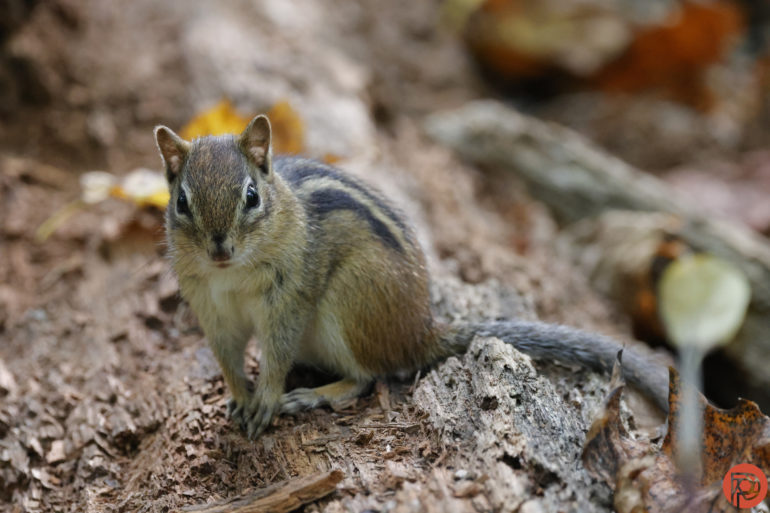
There are a few key features wildlife photographers need to look for, including:
- Autofocus capability: The best cameras for wildlife photography have fast autofocus systems that are also equipped with animal detection. The very best can even pick up a bird in a mess of branches.
- Burst speed: A fast burst speed will help get the shot where the bird’s wings are in just the perfect position. Pre-burst is another feature that will help prevent missing the moment.
- Sensor: A full frame sensor offers the most light-gathering capability and background blur. While Micro Four Thirds makes it easier to bring the animals closer with the 2x crop factor, many full frame cameras have the resolution to crop later and sit around the same price point as the Micro Four Thirds models with decent animal detection autofocus.
- Size and durability: If you plan on hiking to find wildlife, the size and weight of the camera plays a big role in keeping it comfortable. Look for a camera with weather-sealing so you can still take photos in the rain and wind too.
Picking the Right Wildlife Camera for You
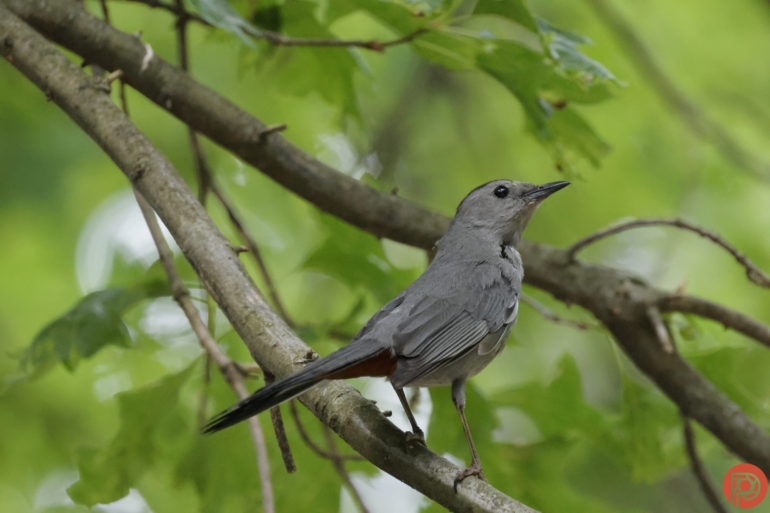
- What’s your budget?
- How will you use the product?
- What lighting situations are you in, and how will that affect what you’re doing? Our reviews hyperlinked in this article can help with that.
- Are you traveling a lot with it?
- Will you be using it in a situation that’s a bit rougher?
- Who else uses this product? How are they using it?
- What’s so appealing about this product that I can’t get from what I have already or something else?
- When will I really have time to use this product?
- Where will I bring this product?
- How will this product help bring me joy and joy in my photography?
Get rid of the ads!
Did you enjoy reading this article as much as we enjoyed writing it? There's a way to support us and our reporting, getting ad-free navigation and more as a bonus. Subscribe to us for less than a coffee per month —just $3.99— or take advantage of our yearly subscription with a hefty discount for only $25.- An ad-free experience
- A free mystery box for Lightroom or Capture One
- All the books in our store
- 20% discount on Capture One
- 30% discount on Imalume Photo Theft Protection
- 20% off Herbs and Kettle Tea Company.
- 20% off your order from MPIX printing services.
- 5% off Viltrox Products via their eCommerce store.
- 10% off all film developing, printing and scanning services from Blue Moon Camera and Machine
- 15% off 7Artisans products: The lens and accessory maker is offering a sweet discount for Phoblographer's readers.
- 15% off a VSCO One subscription: Get a bunch of great tools with their all-in-one package.