

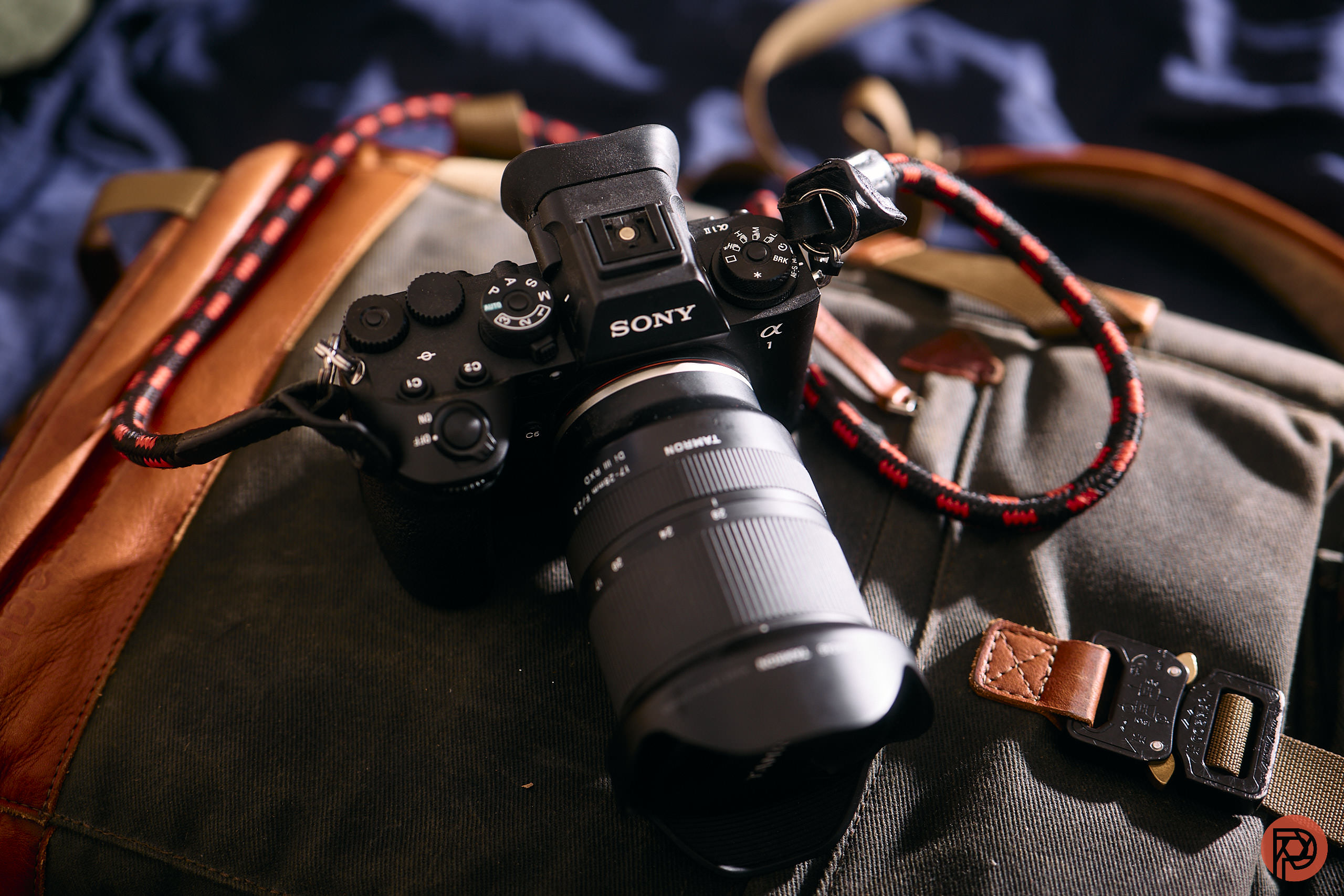
Here on the Phoblographer, I’ve interviewed many photographers who own some of the highest-end Sony cameras and buy them for the super-fast frame rate capabilities. And recently on Reddit, I saw a post from a user who upgraded from the Sony a7r V to the Sony a1 II to photograph their dog. One of the biggest changes was that they immediately went up to 300 photos a session. So I’m writing this article to remind everyone of a really hard, honest, truth.
Photographers many years ago got award-winning images and great moments shooting at 5 frames a second. Even at 10 frames a second, we all got great moments.
120 frames a second on the higher-end cameras is a great feature to have, but it will mean that you’re culling images more than anything else. You don’t need it to get great images.
Listen: as people use technology, they become the technology. It’s a statement made in communications studies that’s drilled into you in college. So if you rely too much on a device, you become nothing without it. The same goes for phones.
Features like this are innovative in some ways, but they’re more of a piece of tech that’s created without any infrastructure to support it. That’s much like moving to a neighborhood for a nice home but there’s nothing else around it that you’d want to have that’s supportive to your lifestyle.
If you can’t get the shot at 7 frames a second, you probably won’t get it.
What I really do think is a wonderful piece of technology, however, is pre-capture. With modern EVFs, it’s still possible to miss split-second moments. And even with everyone’s failing eyes from staring at screens all day, it’s still a great feature to have. In this case and situation, I really do recommend a high burst-rate. But 99% of the time, I promise you that you’ll be shooting 120 frames a second to get that 1 good frame. You’re going from trying to find a needle amongst a pile of small needles to looking for a needle in a haystack.
Now here’s the bigger thing: everyone is making similar images to one another because they’re all relying on the AI focusing detection in the cameras. So why not work instead on making images that people don’t see often or trying to photograph more rare moments? This takes a time investment from you, but good portfolios aren’t built overnight. They take work and a lot of really human connections to get those documented. By connection here, I mean the connection between the technical and emotional side of your mind’s eye.
Ultimately, what I’m saying is that you were sold a lie because you didn’t believe in your own power. But if you develop your own skill and power to be able to make good images, you can do them with any camera. They may not always be the images that you want, but you should never question your ability to still make good images unless your skillset isn’t there.
Get rid of the ads!
Did you enjoy reading this article as much as we enjoyed writing it? There's a way to support us and our reporting, getting ad-free navigation and more as a bonus. Subscribe to us for less than a coffee per month —just $3.99— or take advantage of our yearly subscription with a hefty discount for only $25.- An ad-free experience
- A free mystery box for Lightroom or Capture One
- All the books in our store
- 20% discount on Capture One
- 30% discount on Imalume Photo Theft Protection
- 20% off Herbs and Kettle Tea Company.
- 20% off your order from MPIX printing services.
- 5% off Viltrox Products via their eCommerce store.
- 10% off all film developing, printing and scanning services from Blue Moon Camera and Machine
- 15% off 7Artisans products: The lens and accessory maker is offering a sweet discount for Phoblographer's readers.