

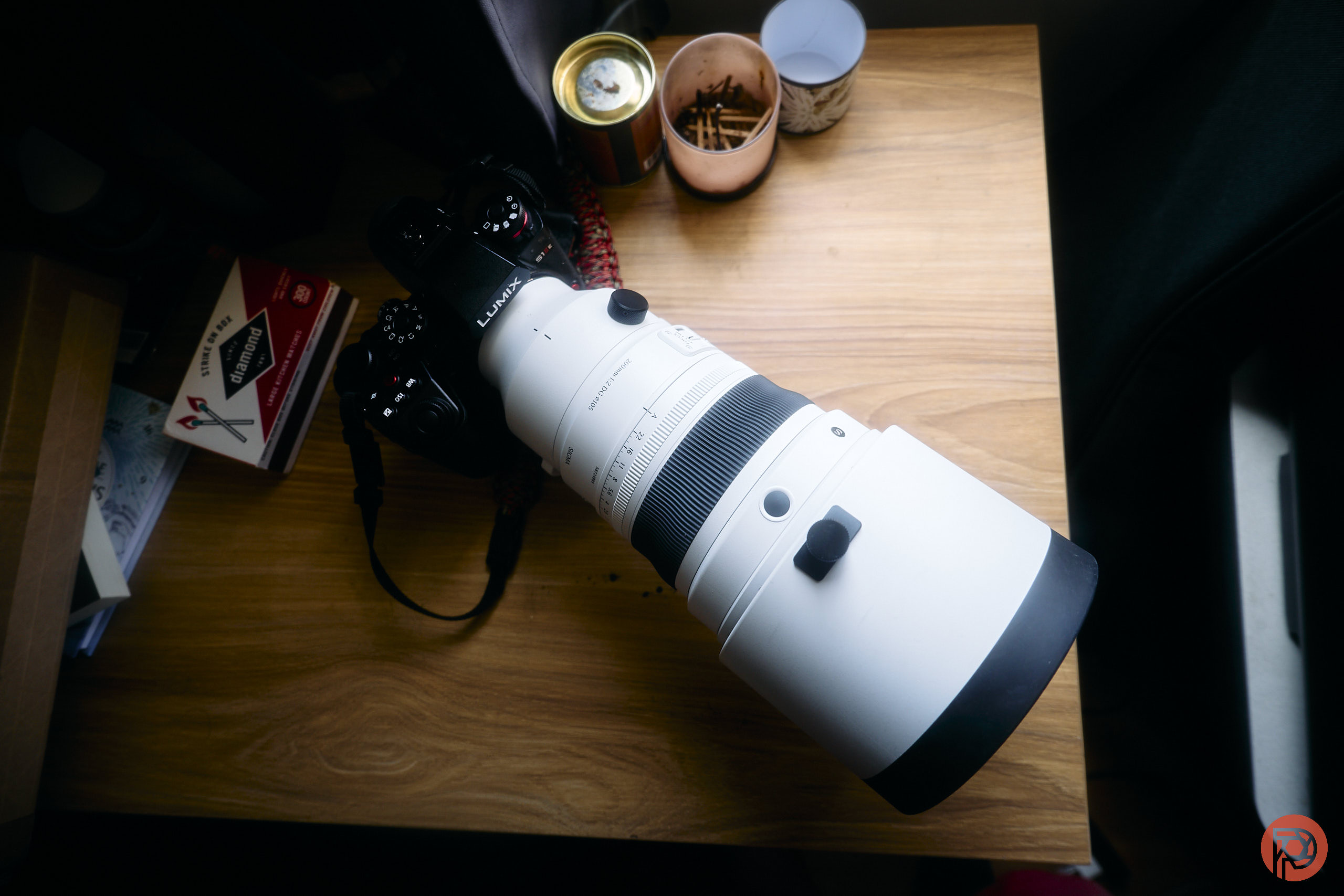
Sigma has already introduced some great lenses in the past. With their latest global series lineup, Sigma has been trying to offer new lenses for the mirror less range. In addition, it is also one of the brands that is working closely with Canon to deliver newer lenses. It now appears the list is growing, with a patent showcasing newer telephotos. Have a look.
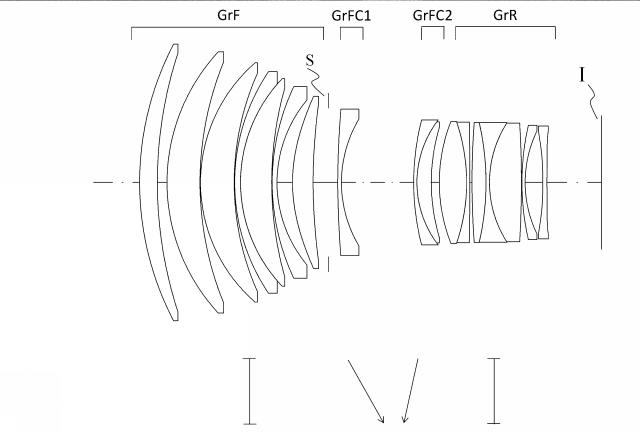
According to Asobinet, Sigma has announced patent number, P2026056718, which showcases three designs: the already launched 135mm f1.4 DG, the 180mm f1.4 and a 100mm f1.2. Here is a lool at the other two designs:
Example 1
- Focal length: 101.18
- F-number: 1.24
- Angle of view: 23.59
- Height: 21.63
- Length: 144.45
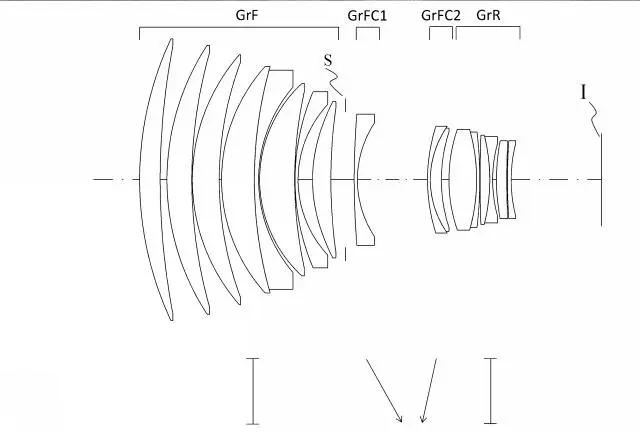
Example 2
- Focal length: 180.00
- F-number: 1.45
- Angle of view: 13.46
- Height: 21.63
- Length: 209.50
Example 3
- Focal length: 149.94
- F-number: 1.67
- Angle of view: 15.89
- Height: 21.63
- Length: 152.70
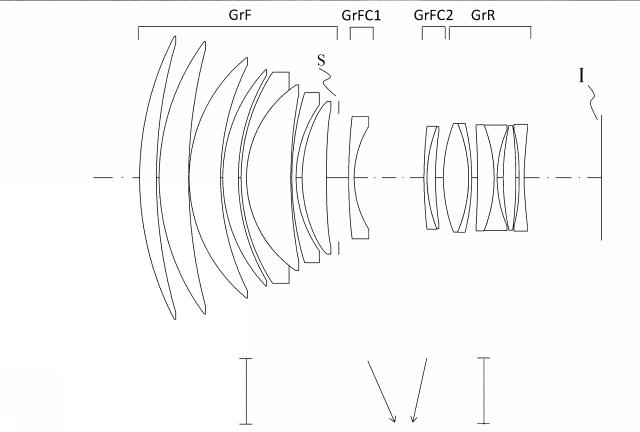
The patent showcases that Sigma is working to solve the weight issue while providing large aperture lenses. As autofocus and video shooting demand lighter, faster-moving focus groups, this is no small feat, particularly at these apertures and focal lengths.
A 100mm is a common focal length, with Mitakon Speedmaster offering the same with f1. However, it is a manual focus lens. Similarly, there is also Canon’s own 100mm f2.8 Macro and Sony has Sony 100mm f2.8 STF, too. At f1.2, Sigma can get the best result when it comes to razor-thin depth of field, and would further help refine one’s portraits as well.
Sigma already has a 85mm f1.4 and 135mm f1.4, so a 100 f1.2 seems pretty challenging. What could be ideal if they offered 100mm f1.4, instead, as it may lead to a smaller front thread, and lighter weight. And, you also complete the trinity. On the other hand, a 180mm is definitely an odd lens to begin with, since Sigma already offers a 200mm f2.
If you look at Sigma’s own lineup, they did produce a 50-100mm f1.8 DC HSM Art, which was designed for DSLR cameras. It costs about $1,200 now if you buy new. There is also the 180mm, which is a f2.8 Macro lens for DSLRs as well. The latter has been discontinued, so it makes sense that the company is keen to revive the lenses again.
It remains to be seen what Sigma has in store. A macro lens could be ideal, but again, these work mostly for Sony and Leica full frame and Canon APS-C cameras. In fact, given the Sigma 200mm’s performance, we believe that a 100mm and a 180mm can do so much for portrait, macro, wedding and event photographs. As we said in our review of the Sigma 200mm:
The images are also insanely sharp. In fact, it’s so sharp that I think that it needs to be shot with natural light to ensure that there’s softness in a person’s skin. If you use a flash, you’ll be introducing specular highlights that will make them look way too sharp.
With that said: I should also state the obvious here — it’s nearly impossible to take a bad photo of anyone with this lens.
The future looks great, and if the patents turn out to be real, Sigma users will have something exciting for everyone.
Get rid of the ads!
Did you enjoy reading this article as much as we enjoyed writing it? There's a way to support us and our reporting, getting ad-free navigation and more as a bonus. Subscribe to us for less than a coffee per month —just $3.99— or take advantage of our yearly subscription with a hefty discount for only $25.- An ad-free experience
- A free mystery box for Lightroom or Capture One
- All the books in our store
- 20% discount on Capture One
- 30% discount on Imalume Photo Theft Protection
- 20% off Herbs and Kettle Tea Company.
- 20% off your order from MPIX printing services.
- 5% off Viltrox Products via their eCommerce store.
- 10% off all film developing, printing and scanning services from Blue Moon Camera and Machine
- 15% off 7Artisans products: The lens and accessory maker is offering a sweet discount for Phoblographer's readers.