


Nikon’s Z-mount cameras and lenses have proven important to many users. Not only do they offer a nice form factor, but they also help with color rendition and sharpness. While the company’s mirrorless system is relatively new, they are finding newer ways to perfect their portfolio. A new patent unveils that the company is working on f1.2 lenses, which will certainly benefit photographers.
According to Asobinet, Nikon has published patent 2026035920 on March 4, which showcases two lens designs: 35mm f1.2, and 50mm f1.4. The lenses are designed to be small and bright, but this combination often comes at a higher price point.
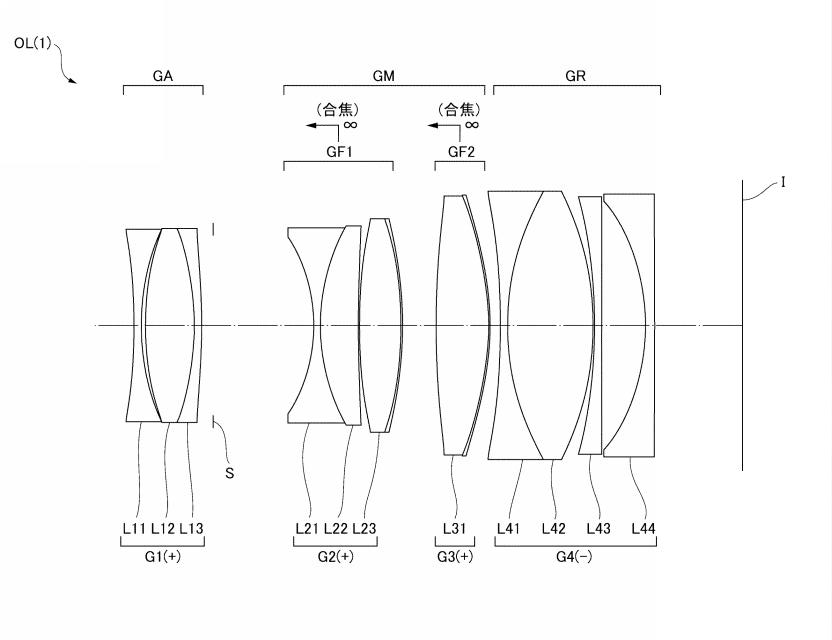
Example 1
- Focal length: 36.050
- F-number: 1.442
- Half angle of view: 31.814
- Image height: 20.374
- Total length: 83.685
- Back focal length: 12.113
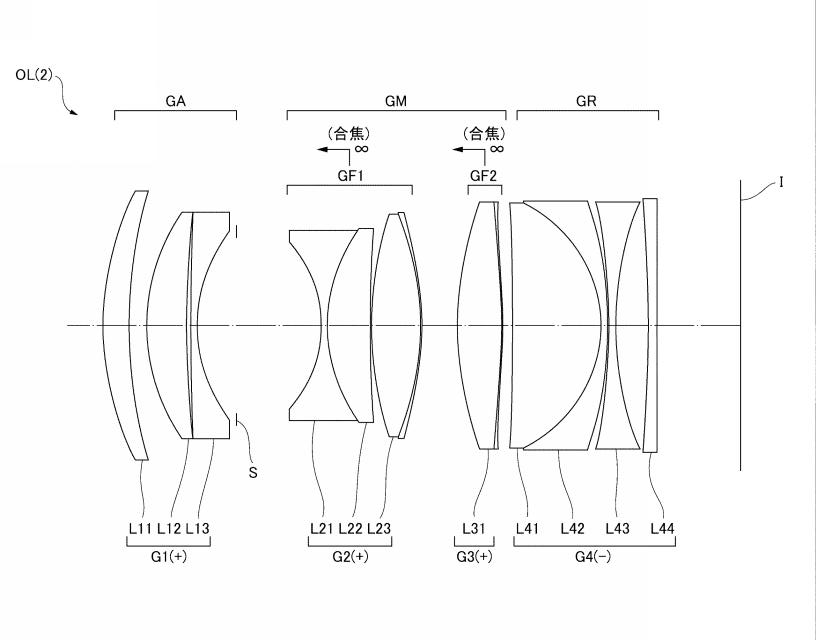
Example 2
- Focal length: 48.500
- F-number: 1.442
- Half angle of view: 24.256
- Image height: 21.413
- Total length: 92.309
- Back focal length: 12.113
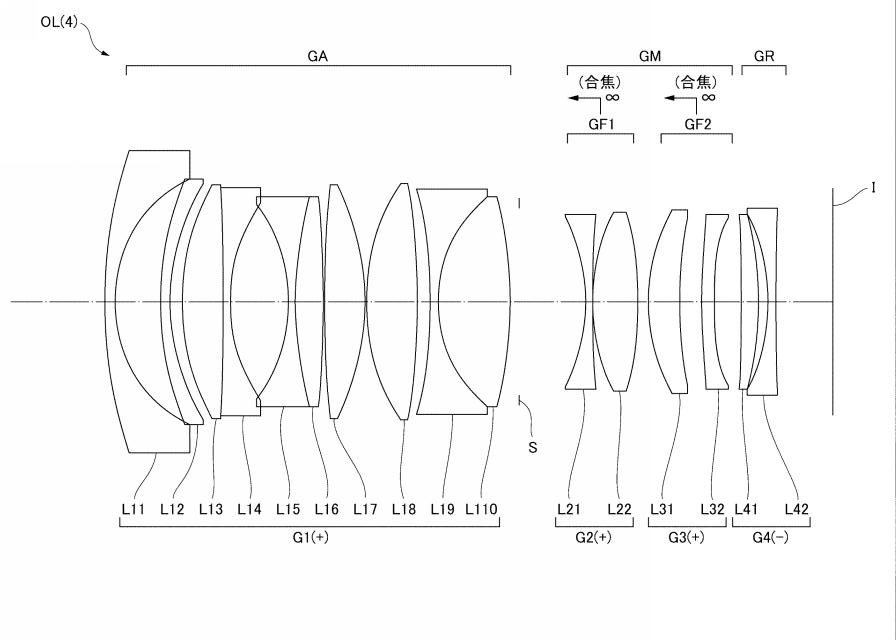
Example 3
- Focal length: 34.301
- F-number: 1.230
- Half angle of view: 32.681
- Image height: 21.600
- Total length: 145.455
- Back focal length: 11.456
The f1.2 lenses are quite competitive. Nikon already has a 50mm f1.2 lens, which is a part of the S series lineup. This means that while it delivers some exciting image quality, it also costs about $2000. They also already have 50mm f1.4 Z, which is just as great at just $500. This means Nikon has already given two very distinct options for people to choose from.
Similarly, also offers the 35mm f1.2 S and 35mm f1.4 Z, both priced at about $2600 and $600, respectively. In either scenario, then, a new f1.2 or f1.4 prime lens can only work if Nikon is introducing a pancake lens. Given how popular pancake lenses are, there are very few companies that are helping full-frame photographers carry less load.
The other side of the argument is that 35mm and 50mm are both common focal ranges, which means third-party lenses offer a wide variety to choose from. For instance, Sigma has a 35mm f1.2, and so does Voigtländer’s Nokton 35mm f1.2. The same goes for 50mm f1.4. With so many choices, Nikon has to do something different for people to care more about these focal ranges.
Either way, a patent also does not translate into an actual product. And so, it is possible that the company never launches these variants, or if it does, they will be a second iteration of existing models with improvements. It remains to be seen what Nikon has in store, and how they can surpass themselves in the near future.
\
Get rid of the ads!
Did you enjoy reading this article as much as we enjoyed writing it? There's a way to support us and our reporting, getting ad-free navigation and more as a bonus. Subscribe to us for less than a coffee per month —just $3.99— or take advantage of our yearly subscription with a hefty discount for only $25.- An ad-free experience
- A free mystery box for Lightroom or Capture One
- All the books in our store
- 20% discount on Capture One
- 30% discount on Imalume Photo Theft Protection
- 20% off Herbs and Kettle Tea Company.
- 20% off your order from MPIX printing services.
- 5% off Viltrox Products via their eCommerce store.
- 10% off all film developing, printing and scanning services from Blue Moon Camera and Machine
- 15% off 7Artisans products: The lens and accessory maker is offering a sweet discount for Phoblographer's readers.