


Nikon cameras have had the hearts of many professional photographers. For instance, the FM2 was popular amongst photographers such as Steve McCurry, and the Nikon F was used by Don McCullin and Larry Burrows. In the digital era, things began to change, with many serious photographers opting for the Nikon D3 or the D850 as their best options. But while the SLR era sees its end, it raises the question of what one can rely on if they are looking for something similar in the mirrorless era. Here are the two options you must consider.
Nikon Z9
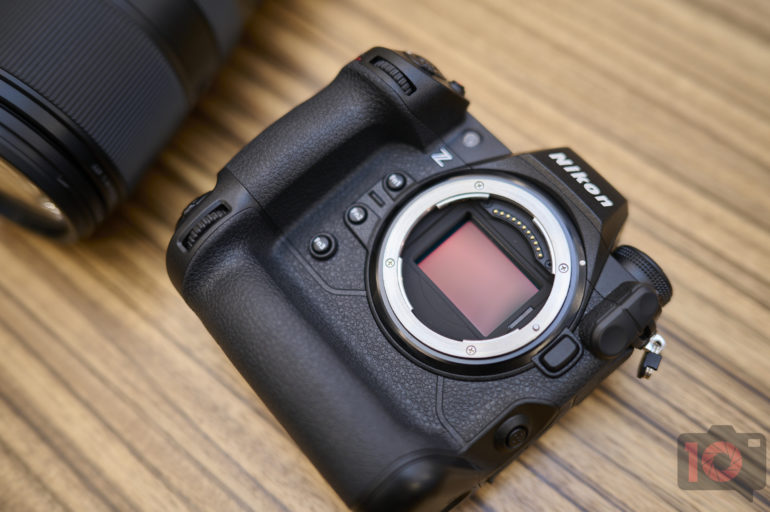
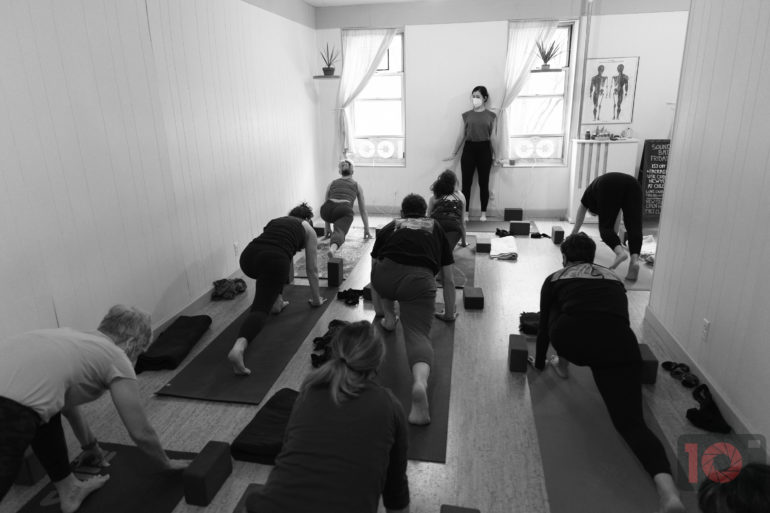
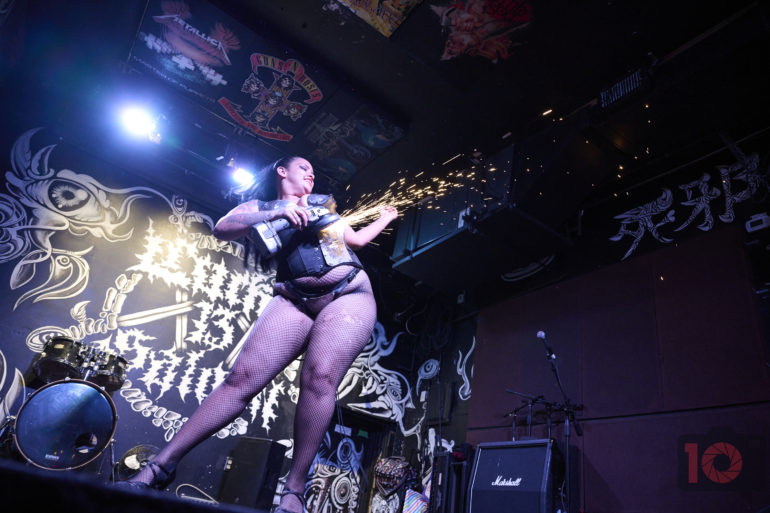
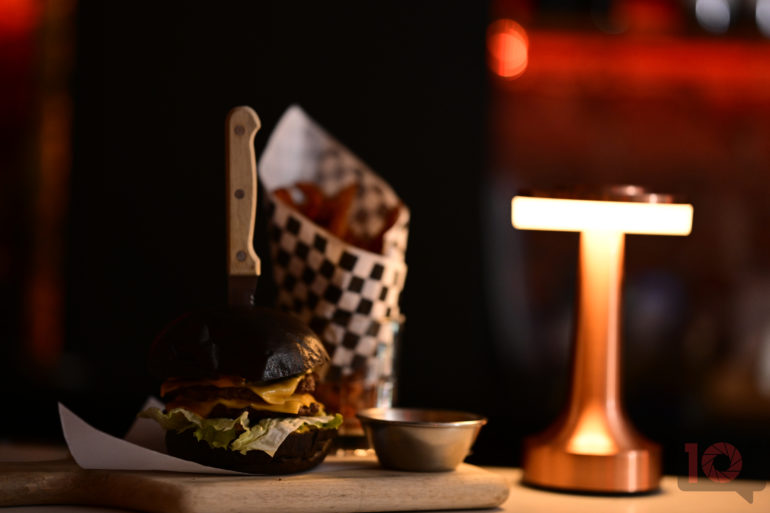
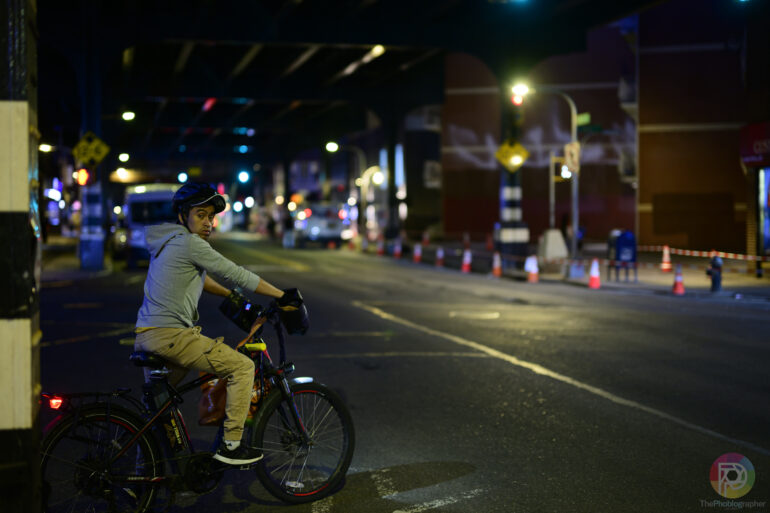
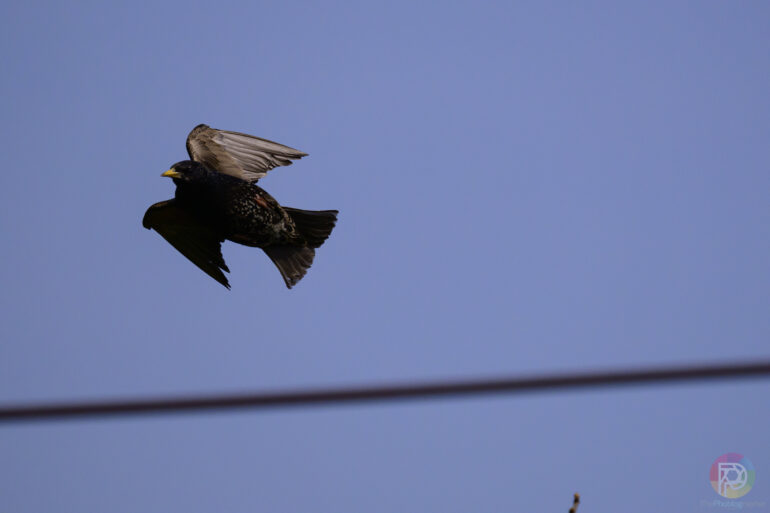
Why is it so great? The camera is sturdy, and it has very minimal jello effect due to rolling shutter. It can still acquire focus in low light, and with updates, it can also focus on people of color in low light. As for animals and birds, it can track them as well. The Nikon Z9’s JPEG output is great, and overall, good RAW file versatility. Images at ISO 6400 are very clean, and the colors are interesting as well.
Who is it for? Professionals in sports photography, birding, photojournalists, and more. It is ideal for outdoor photographers who want a sturdy camera that can do it all.
What makes it so unique? The Z9 is the first camera for photography that does not have a physical shutter, and it is the first camera from the company to feature a silent shutter. It features vehicle, animal, and human autofocus detection, 3D tracking, and illuminated buttons. There is a starlight mode that helps focus down to -8.5 EV. Also, the first to have an electronic shutter with flash sync at any shutter speed.
In our review, we said:
The best thing about this camera, practically speaking, is the autofocus. It’s the best attempt at sorting through the mishegas of making things easier. Sony separates animal and bird autofocus, which causes a host of problems. Canon makes you select human, animal/bird, or vehicle. Nikon lets you autoselect with varying degrees of success and what you’re looking for.

Nikon Z8

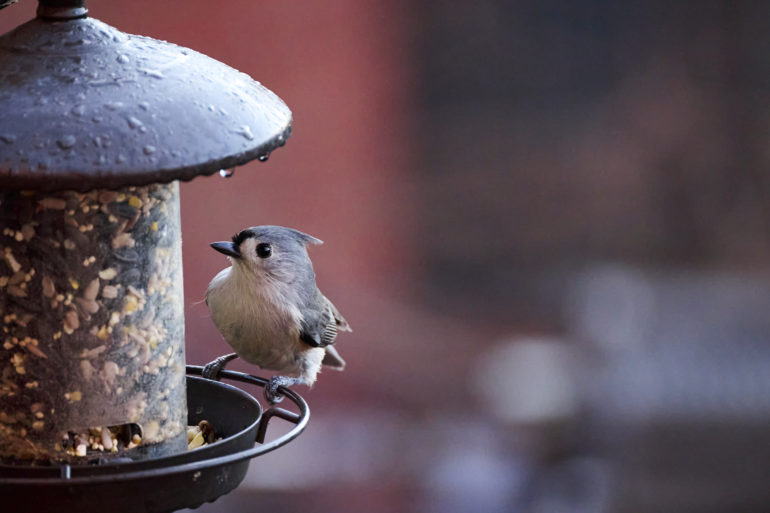
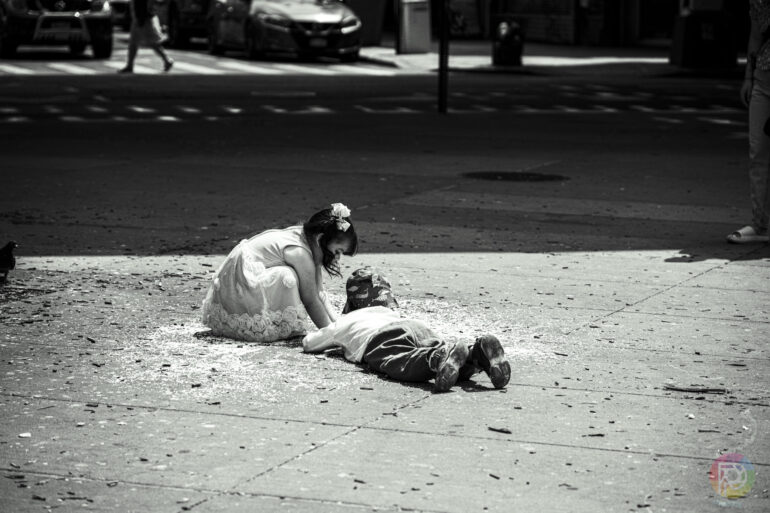
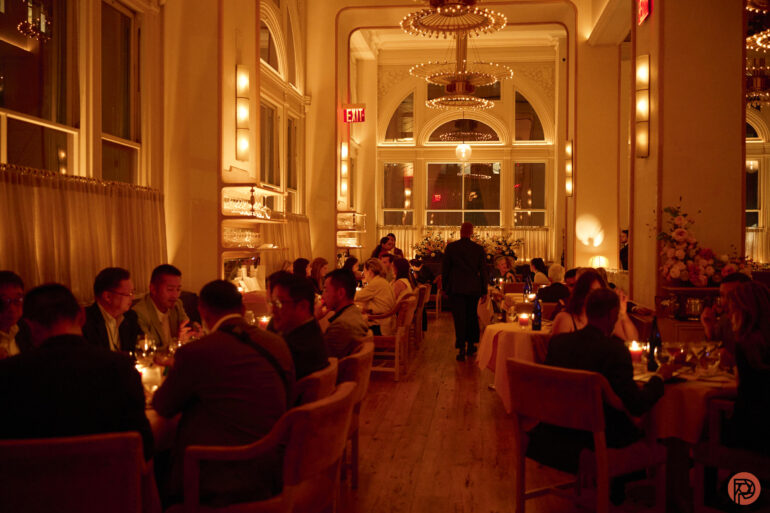
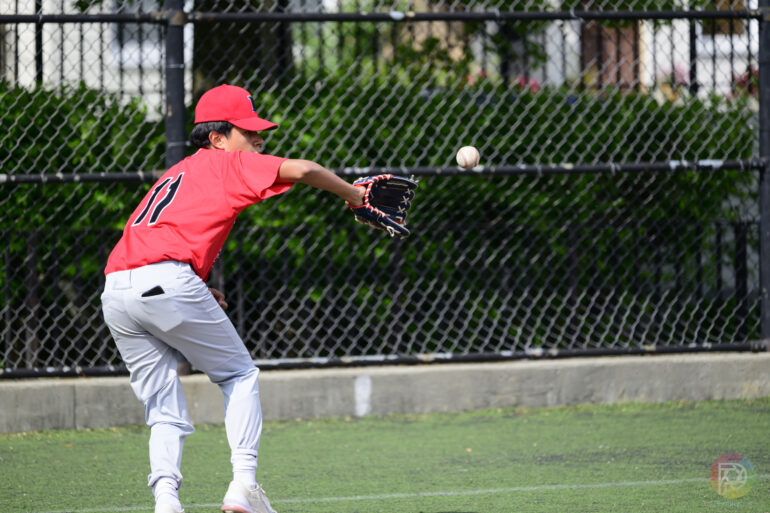
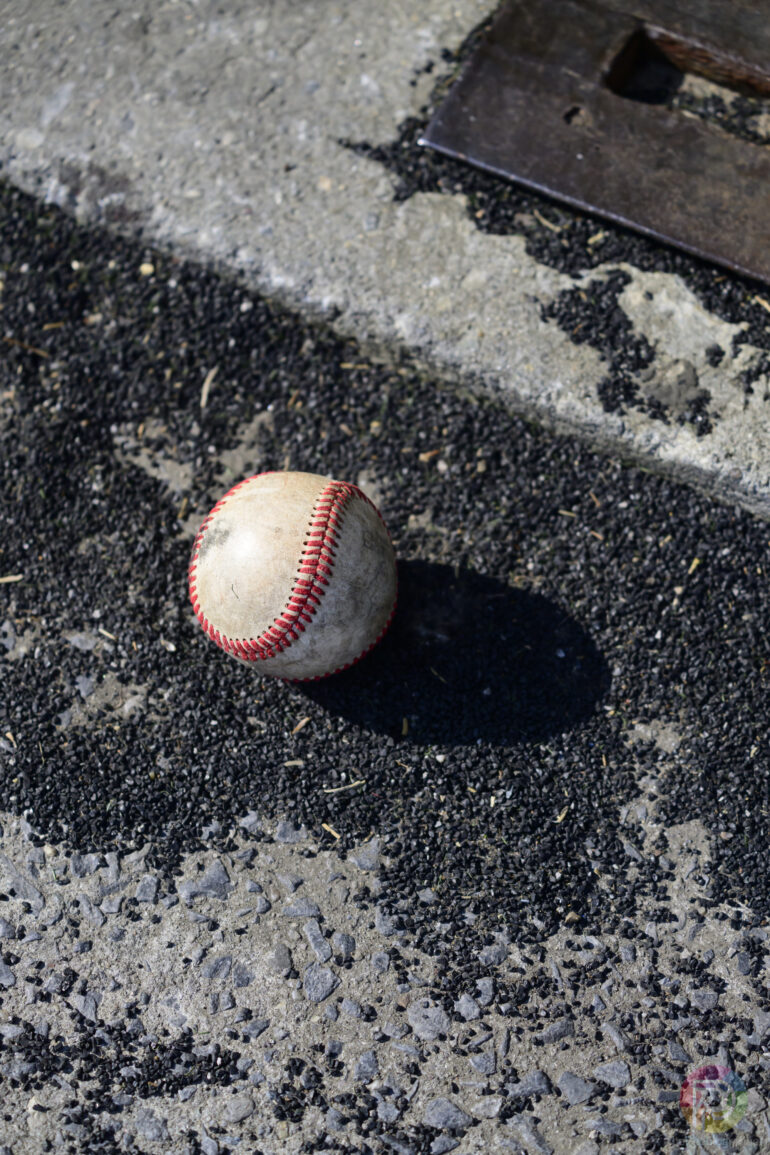
Why is it so great? The camera excels in autofocus tracking, particularly in very low light. In good light, it performed fantastically overall, tracking subjects effectively at a baseball game. The same principle applies when photographing birds. Similarly, since it shares the same sensor as the Z9, you can expect exceptional image quality. The JEPGs are sufficient to be used on their own, and the RAW files are versatile, as with the Sony a7R III.
Who is it for? Photographers in Photojournalism, portraits, weddings, sports, wildlife, and more can benefit from this one.
What makes it so unique? The Z8 is a version of the Z9, featuring a vertical grip. It is weather-resistant, lightweight, and features a shutter shield when the camera is turned off. You can also set the function button to be the top item in my menu if you want something to work easily with fast focus. It also features a more user-friendly interface than the Z9. With the Rich Tone Portraiture control and skin smoothing, the images look great.
In our review, we said:
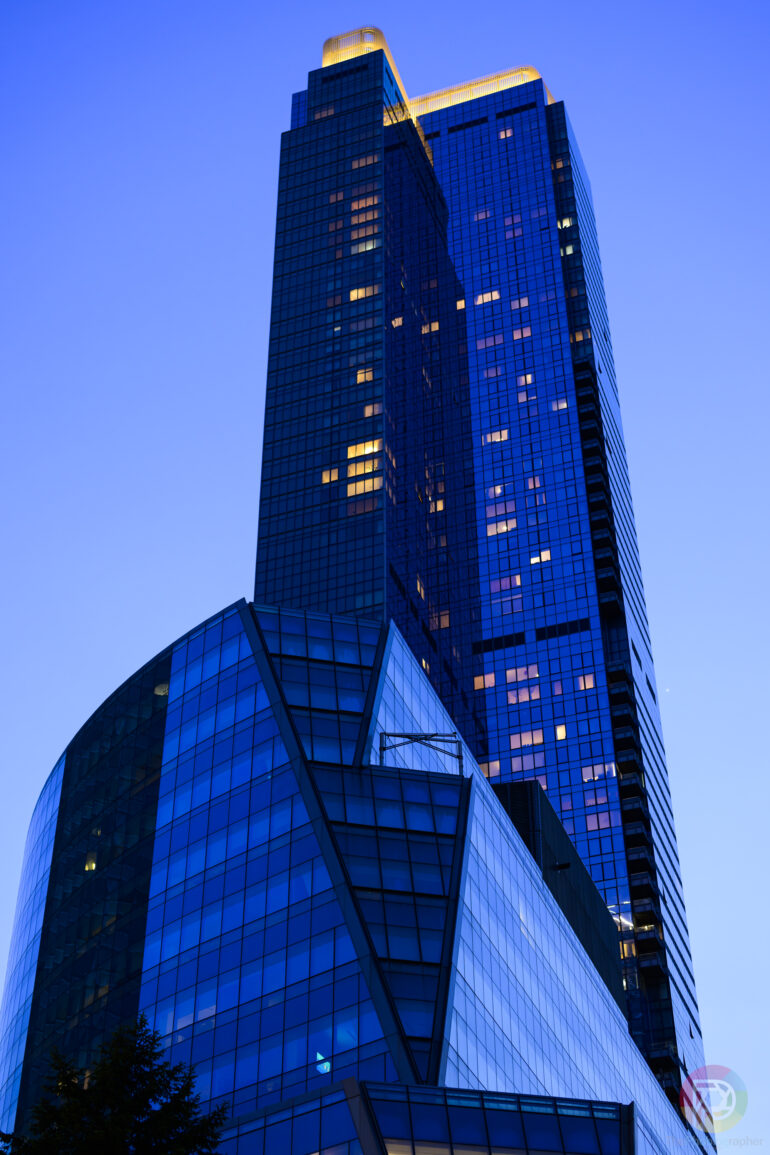
We printed an unedited ISO 6400 photo from the Canon Prograf 1000 printer using Canson paper at 17×22 inches. It resulted in one of the cleanest high-ISO photos I’ve seen from a sensor in the 45-megapixel range. Considering that the photo was unedited, this means you’ll get a much better image once you edit it.
Get rid of the ads!
Did you enjoy reading this article as much as we enjoyed writing it? There's a way to support us and our reporting, getting ad-free navigation and more as a bonus. Subscribe to us for less than a coffee per month —just $3.99— or take advantage of our yearly subscription with a hefty discount for only $25.- An ad-free experience
- A free mystery box for Lightroom or Capture One
- All the books in our store
- 20% discount on Capture One
- 30% discount on Imalume Photo Theft Protection
- 20% off Herbs and Kettle Tea Company.
- 20% off your order from MPIX printing services.