

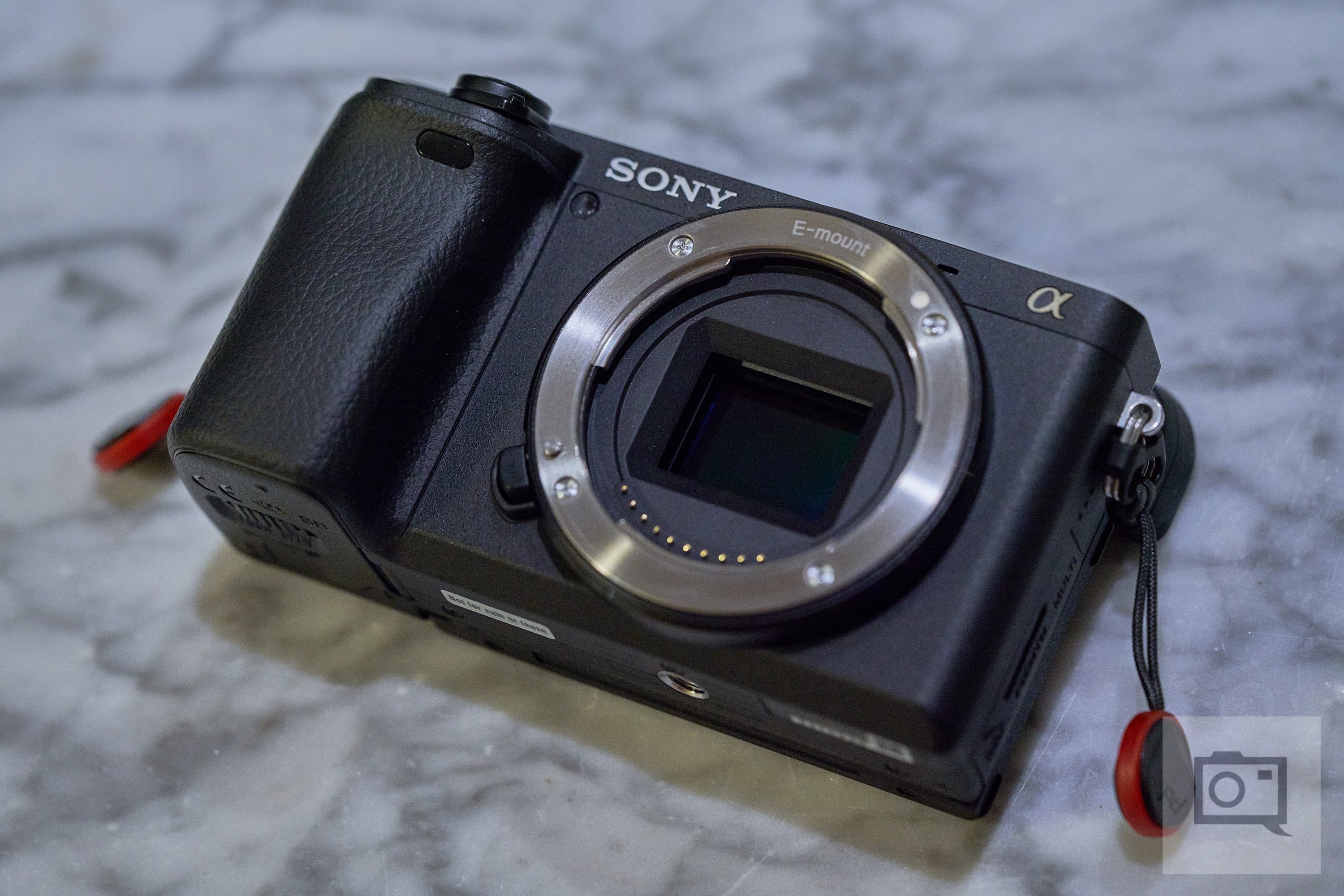
Not too long ago, it was reported that Sony is set to launch a 180MP medium-format sensor, marking a leap in resolution and sensor technology. While the sensor is supposed to be part of a new generation of partially stacked sensor architecture, reports indicate that Sony is likely to introduce multiple sensor sizes of the same sensor. Here’s how it can help Micro Four Thirds (MFT) users.
First reported by 4/3rd Rumors, the platform states there is a chance Sony will develop a new Micro Four Thirds (MFT) sensor using this technology. However, the report is currently unconfirmed, leaving much to the company.
Why a 28MP MFT Sony Sensor Makes Sense
If Sony applies the same pixel pitch from the 180MP medium format sensor to a smaller Four Thirds sensor, the result would be a 28MP MFT sensor. While the number doesn’t sound huge, it is important given that brands like OM System and Panasonic continue to have a hold over MFT sensors.
Most current MFT cameras, including the OM-1 series, have a maximum resolution of 20MP. The Panasonic GH6 has a 26MP sensor. By offering something higher, Sony gets a chance to offer more detail in its images, while avoiding the pitfall of grain at high ISO.
A partially stacked sensor will also enable the following:
- Much faster sensor readout
- Improved dynamic range, particularly at low to mid ISOs
- Better performance when using the mechanical shutter
These improvements will also address challenges such as high-contrast scenes and professional stills work.
What Could This Mean?
Since Sony helps many brands with their sensor, this kind of sensor will help improve future cameras. Both of the Micro Four Thirds camera manufacturers are pretty great when it comes to speed and computational photography. So, pairing those strengths with a higher-resolution, partially stacked sensor could significantly broaden their appeal to landscape, wildlife, and commercial photographers. Moreover, with the boom in small-sensor cameras in recent years, it has been proven that smaller sensors are best for many casual shooters and serious enthusiasts.
Sony has been a dominant sensor supplier, so this will further solidify its place in the market. If the company manages to produce the sensor across formats, it could set a new standard for high resolution without sacrificing speed. This has been a balance that many struggled for years to achieve. For now, both sensors remain unconfirmed, which suggests Sony may not launch them. However, if they do, they stand a chance to push the industry to do better, including brands that have forgotten how cameras are designed for still photographers first.
Get rid of the ads!
Did you enjoy reading this article as much as we enjoyed writing it? There's a way to support us and our reporting, getting ad-free navigation and more as a bonus. Subscribe to us for less than a coffee per month —just $3.99— or take advantage of our yearly subscription with a hefty discount for only $25.- An ad-free experience
- A free mystery box for Lightroom or Capture One
- All the books in our store
- 20% discount on Capture One
- 30% discount on Imalume Photo Theft Protection
- 20% off Herbs and Kettle Tea Company.
- 20% off your order from MPIX printing services.
- 5% off Viltrox Products via their eCommerce store.
- 10% off all film developing, printing and scanning services from Blue Moon Camera and Machine
- 15% off 7Artisans products: The lens and accessory maker is offering a sweet discount for Phoblographer's readers.
- 15% off a VSCO One subscription: Get a bunch of great tools with their all-in-one package.