

Last Updated on 12/01/2025 by Chris Gampat
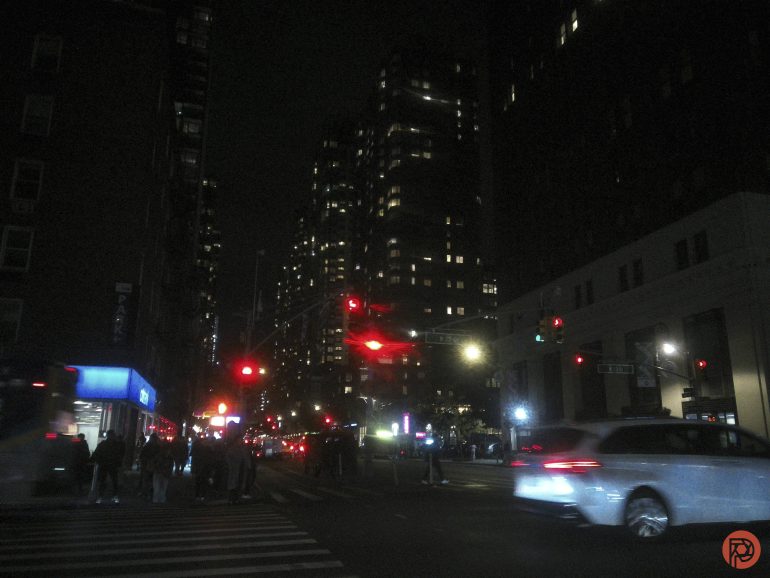
“Oh my god,” I stated out loud when looking at images from the Camp Snap Pro. “The return of red eye in flash!” Yes, I got excited about red eye. If you’re reading this, then you may be a photographer who knows nothing about this. It’s when you look at an image that was shot with a flash, and someone literally had red eyes. This is because the eyes were adjusted for the dark, and so you’d actually see some of the inner areas of the eyes. It’s something that has been missing from the retro digital camera craze. But the Camp Snap Pro has brought it back in such a great way. Camp Snap has been doing awesome work with the release of their original camera, the Camp Snap 8, If you’ve complained about the price of the Fujifilm X Half, then you’ll probably really like this. If you’re an experienced photographer, then the Camp Snap Pro takes the idea of what the industry has called “Pro” and then pours cold water on your face to wake you up and remind you to always put the moment over anything else. However, if you’re new to the hobby, you’ll be pleasantly surprised by what this device can do.
By all means, the Camp Snap Pro won’t win anything on the technology front. But this isn’t about the tech inside the camera. If you’re obsessed over that stuff, though, here are the specs of the camera according to their website:
- Sensor: 16MP 1/3.06″ CMOS
- Lens: f/2.2, 2.56mm (22.5mm equivalent in 35mm terms)
- Shutter Speed: 1/1000s – 1/30s
- Filter Thread: 37mm standard
- Shutter Sound: Can be muted in settings
- Date/Time: Saved as metadata only (no visible timestamp)
- Dimensions :5’x3’x1′ inches
- $99 as of the publishing of this article
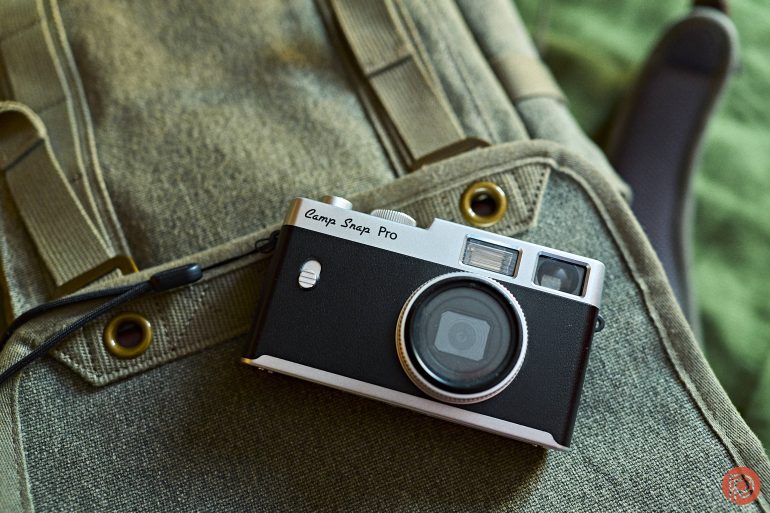
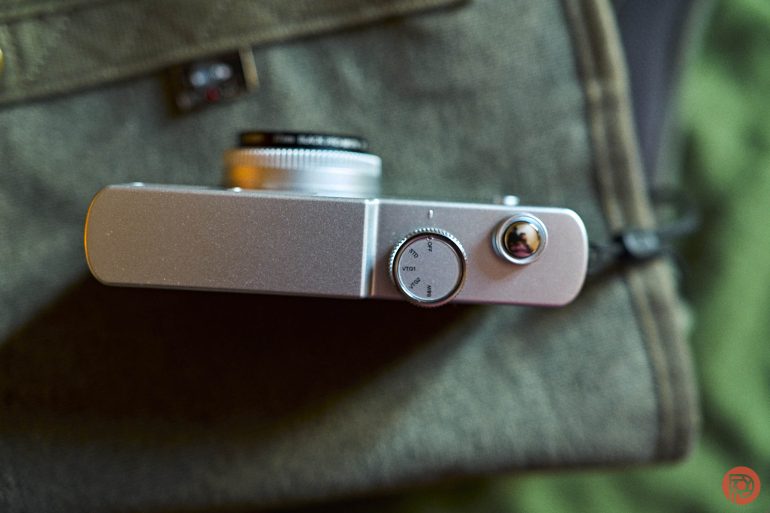
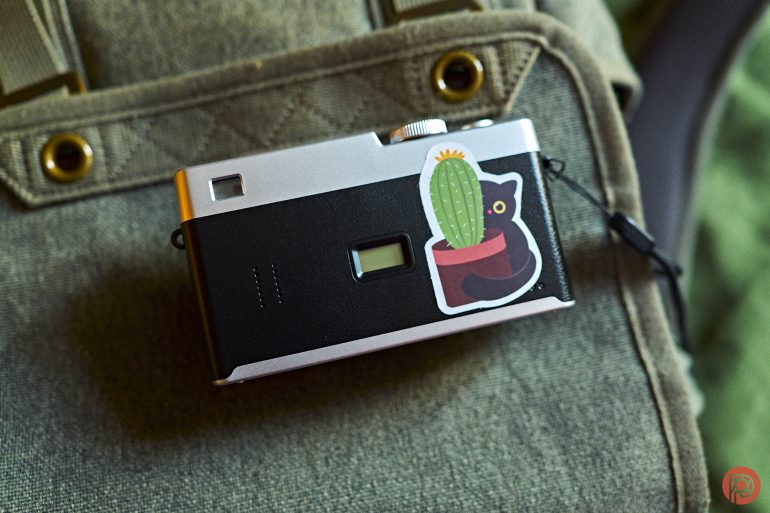
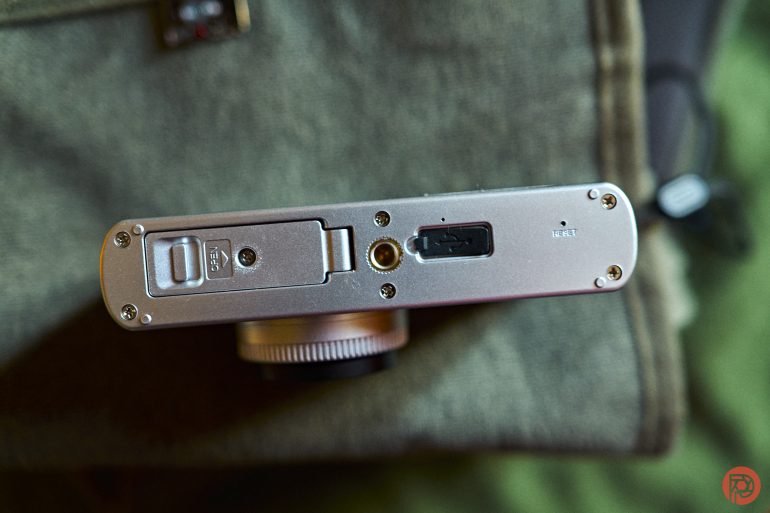

The Camp Snap Pro is a very simple camera. On the front, there’s the lens with a 37mm filter thread — and yes, there are Mist filters for that size. Next to the lens is a switch for controlling the xenon flash. The bottom setting is for it to be turned off, the middle setting is for a moderate amount of power, and the top setting is for maximum power. Then there’s a viewfinder.
On top of the Camp Snap Pro is a switch to change modes and power the camera on or off. Next to that is a shutter button.
On the back is a counter to indicate the number of shots taken and power gauge lights. You can use the USB-C port on the bottom to access the images or charge the camera.
You’re probably wondering about things like autofocus — and you don’t really need to. Everything in the scene will more or less be in focus. That means that you’re not using bokeh to make your images beautiful; you instead just need to rely on good composition.
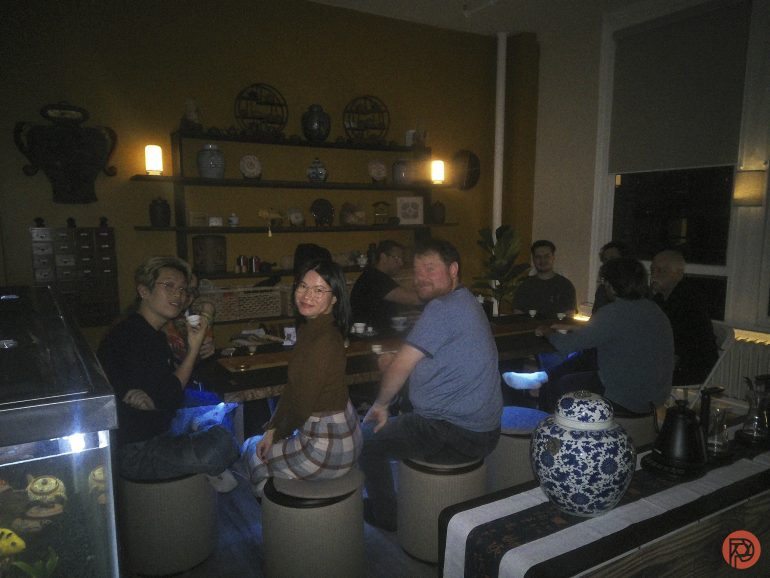
One of the best features of this camera is that it’s screenless. Essentially, you have to get to know it in the same way you would with film. This is similar to the digital simulations available with the right settings on many Japanese-made cameras. Instead, it’s the Fujifilm X Pro 3 if you really, really, really stripped it down. You may look at a scene and say to yourself, “Oh well, I’ll wonder how this will look in black and white or in something like Kodak Ektachrome.” With digital simulations, you’d just point your camera at the scene, enable the preview, and then shoot. However, this doesn’t require you to use your imagination. With the Camp Snap Pro, you’re shooting JPEG files and learning how it will render a scene by using your imagination and pre-visualizing what’s in front of you.
This, folks, is how we shot film for years. In the long run, photographers who lack imagination simply end up copying one another and creating very dated work. But those of us who can previsualize something end up with work that’s far more satisfying. It’s none of this, “Let’s fix it in post-production,’ mentality.
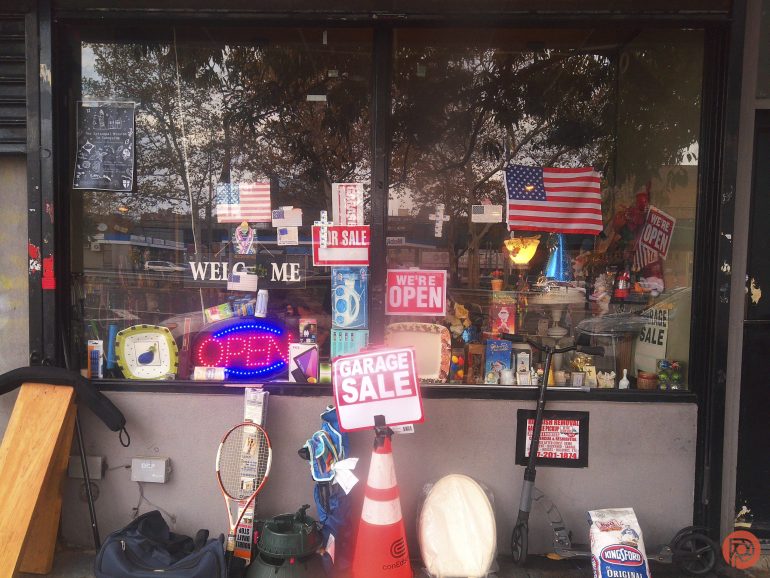
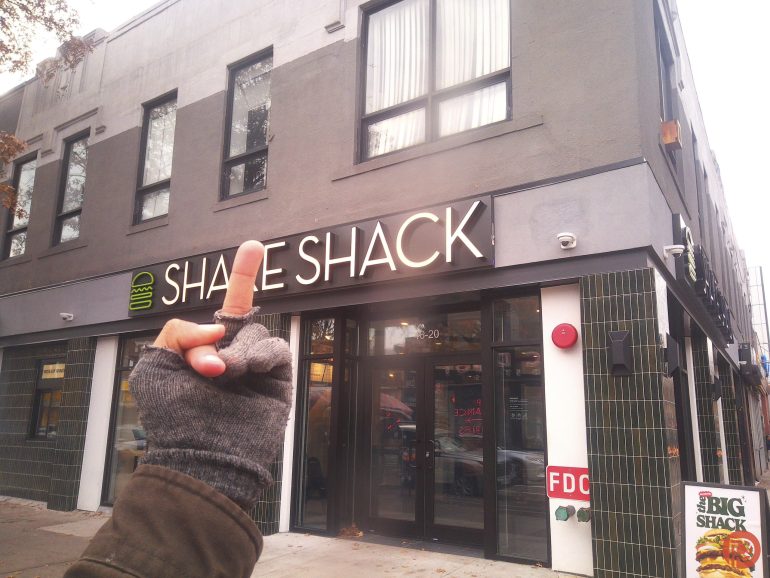
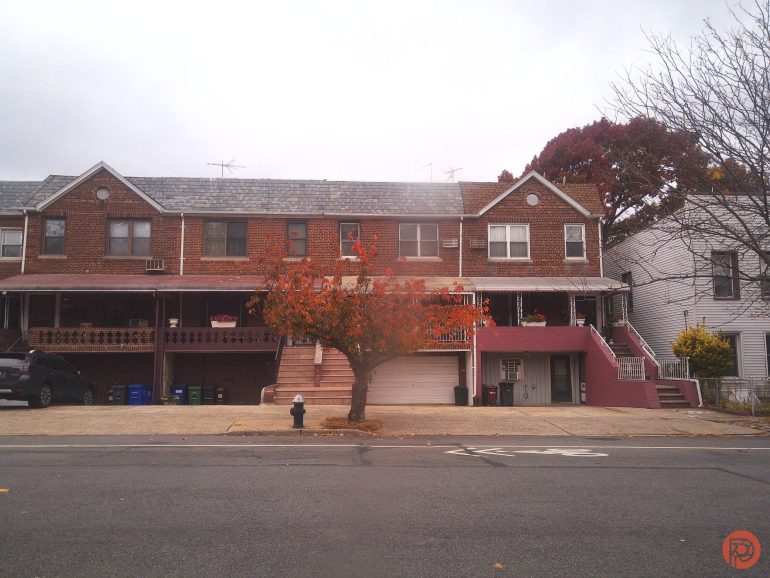
Here’s a preview of what those look like:
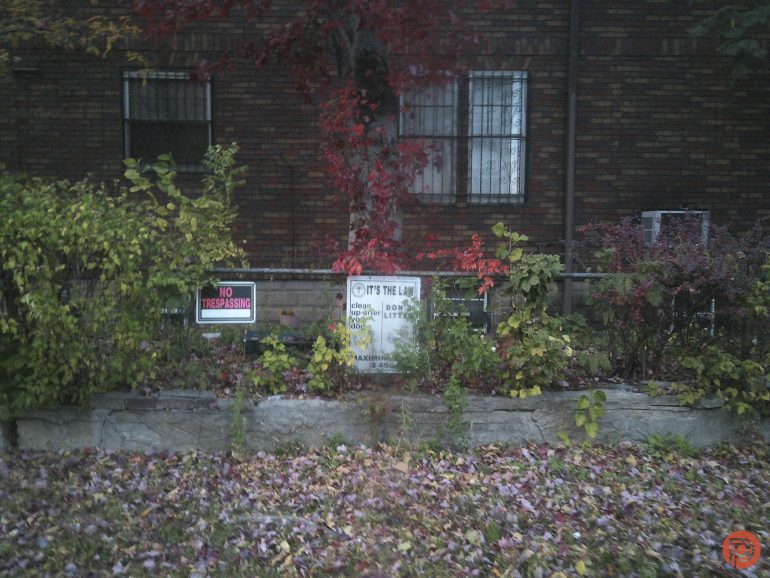
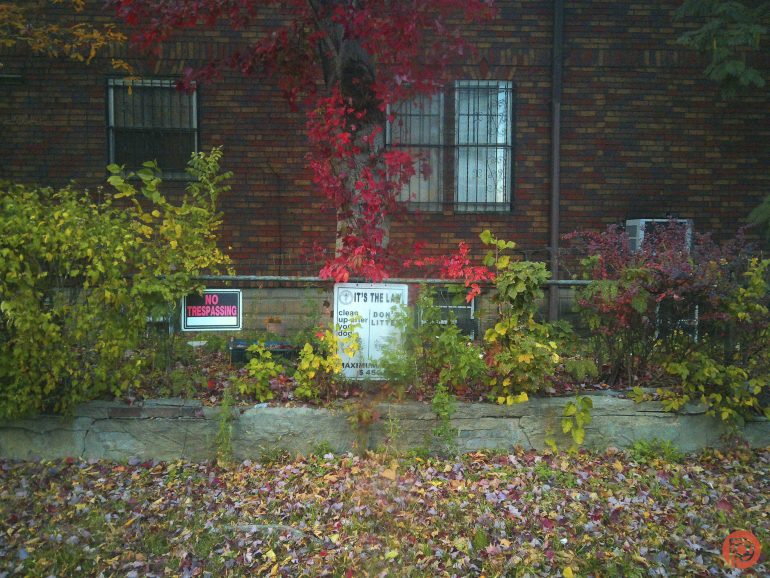
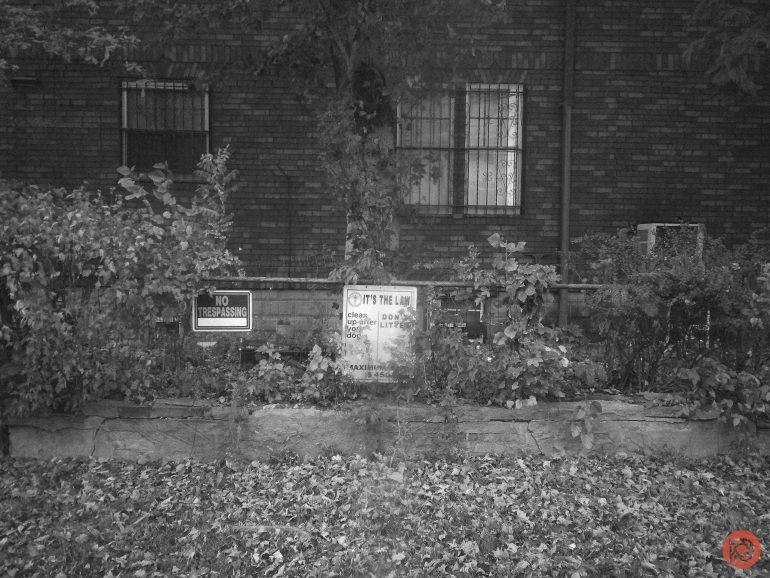
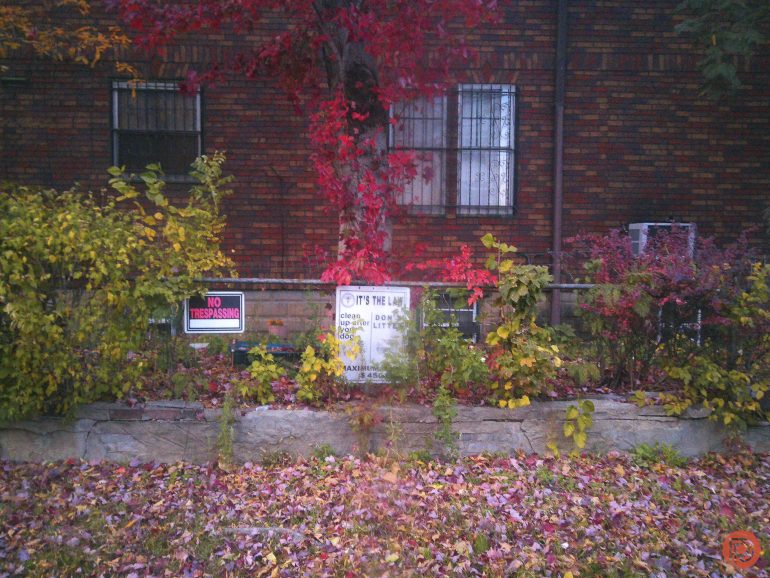
And for this, I truly love the Camp Snap Pro.
Of course, there are caveats. I still think that everything under the sun should be weather-resistant. Just yesterday, while I was using the camera, my friend and I went to explore a graveyard, and then it started raining. Neither of us knew that it would rain. So I had to put the camera away and then take cover. My friend, who had a Nikon Z7II, didn’t need to do that. Weather resistance should be in every single camera product because we do not know what the weather will be, given how global warming is currently affecting us. Heck, I can’t remember the last time we had real snow in NYC.
Realistically, it’s so cheap that if it breaks, I’d just buy another without question or problem. It’s far less of a dent in my bank account than using a Ricoh GR IV. And I wouldn’t throw the camera out for it to end up in a landfill, I’d take it apart and experiment with it. The Paper Shoot camera taught me to do exactly that.
So why use this instead of your phone? For that, I’d refer back to the idea of using your imagination. You can’t do this with a modern mirrorless camera with the exception of Leica M cameras. You’d instead need to do it in automatic mode with a DSLR of some sort.
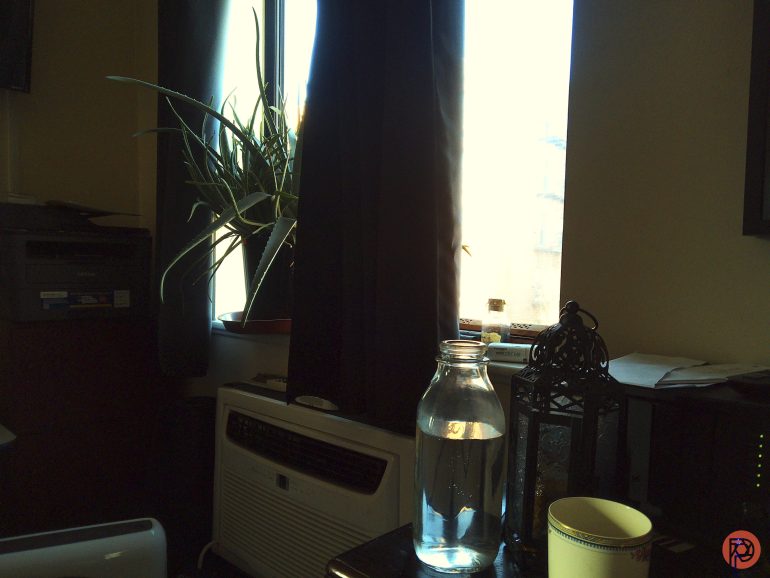
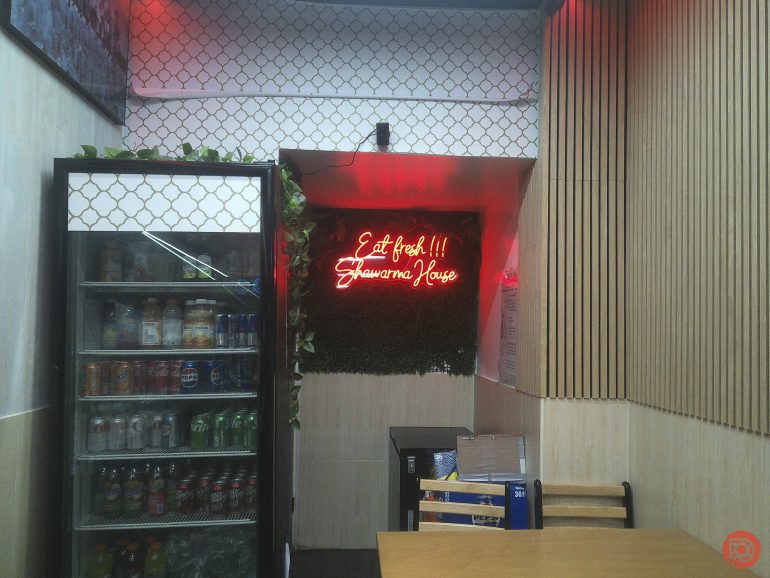
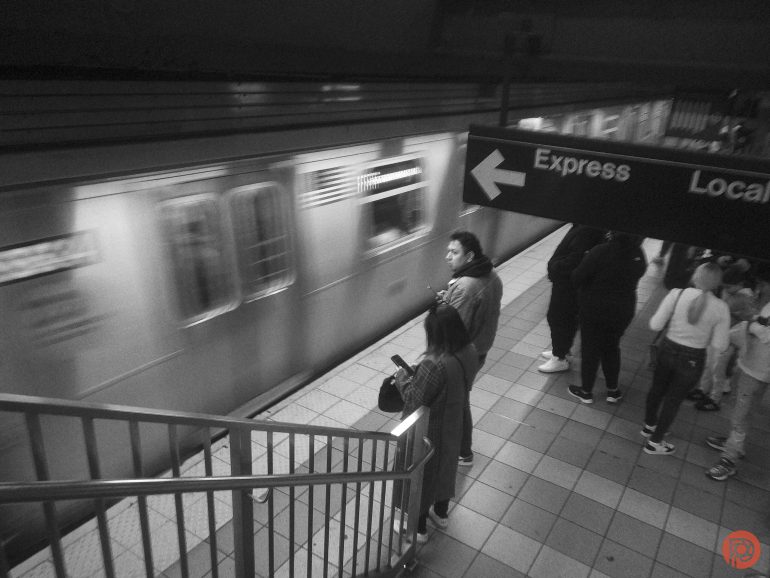
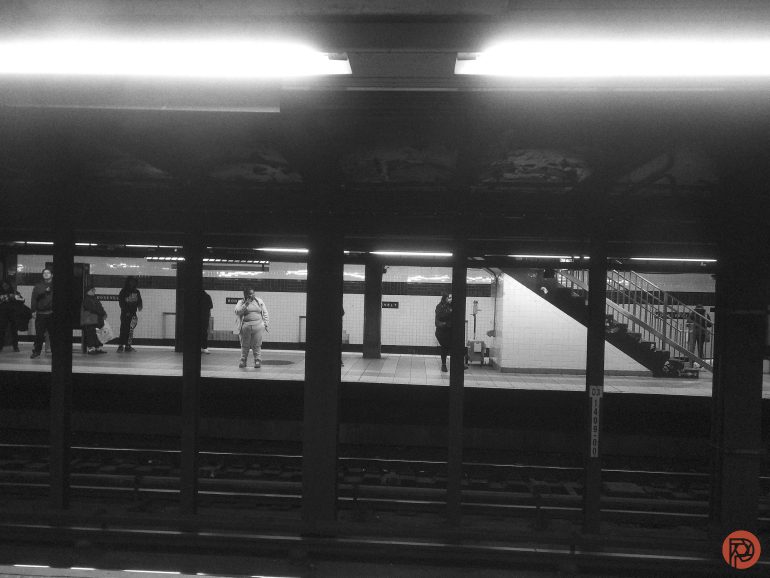
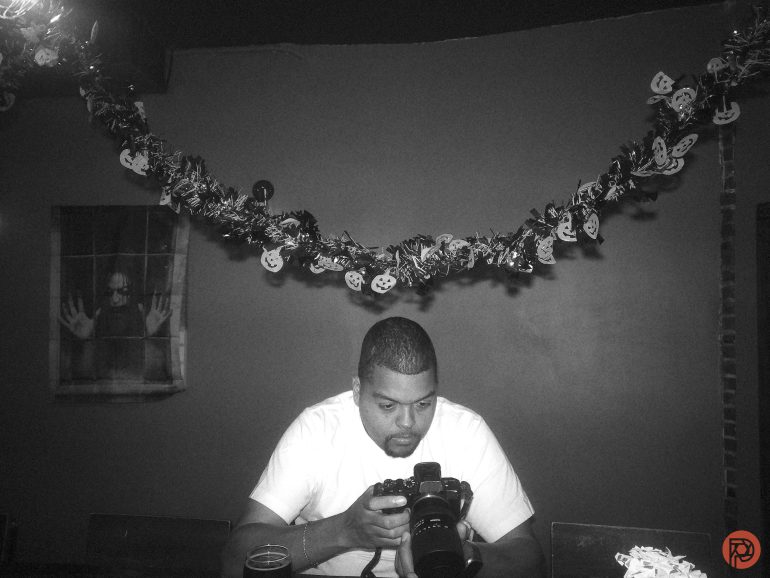

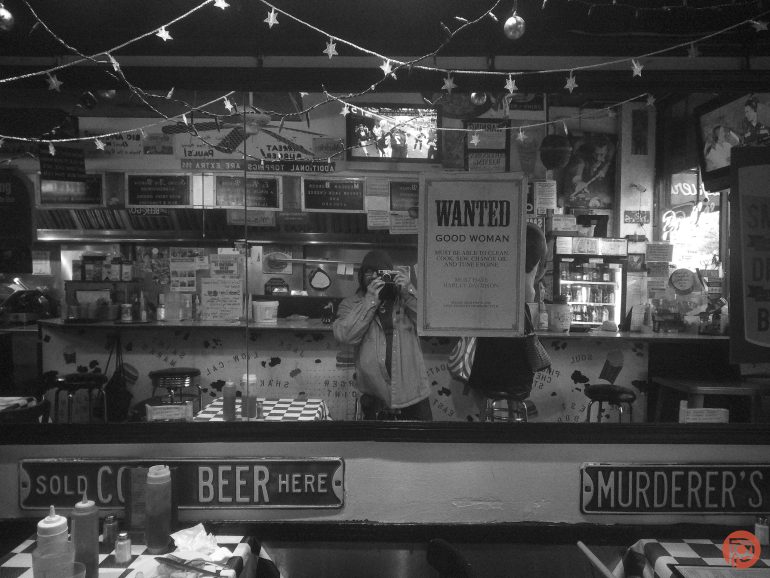
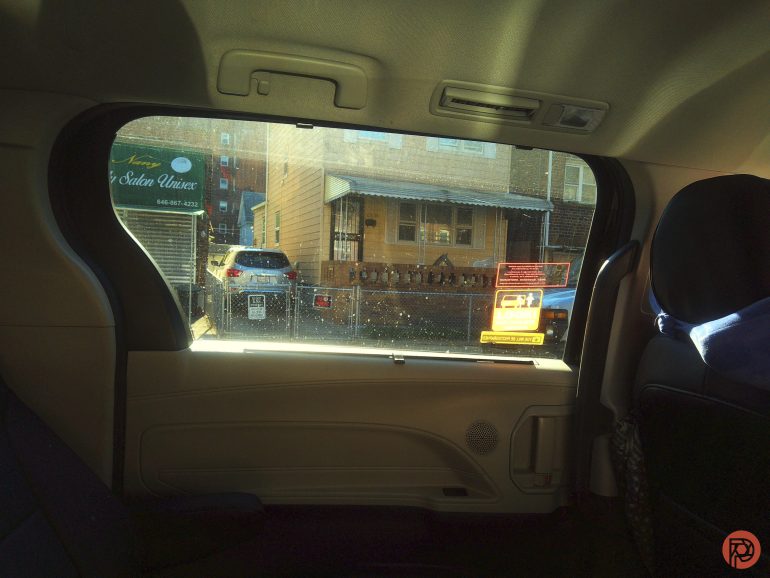

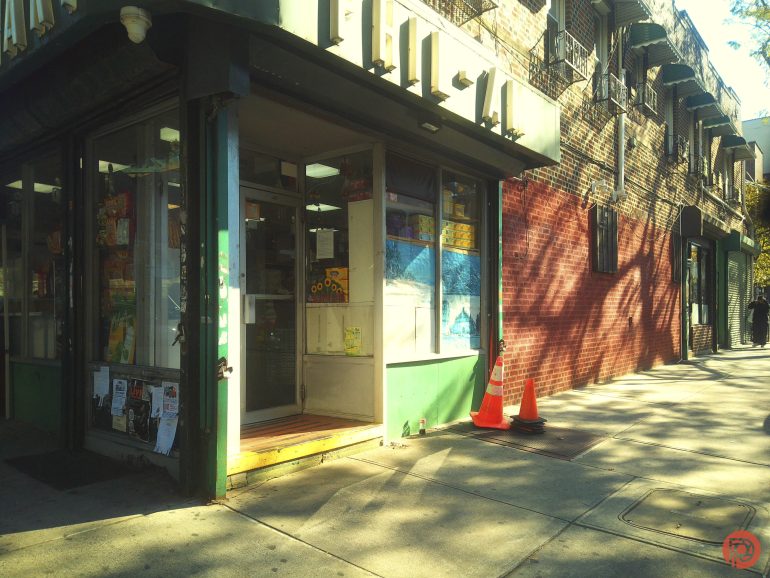


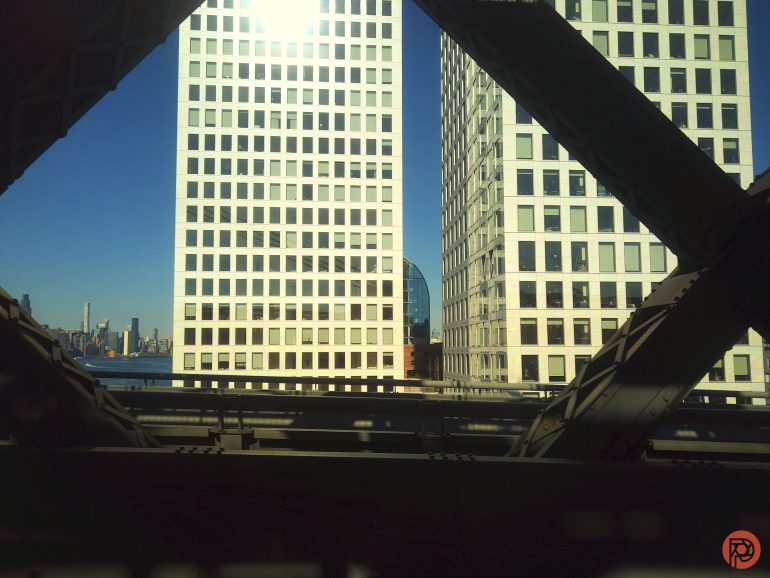
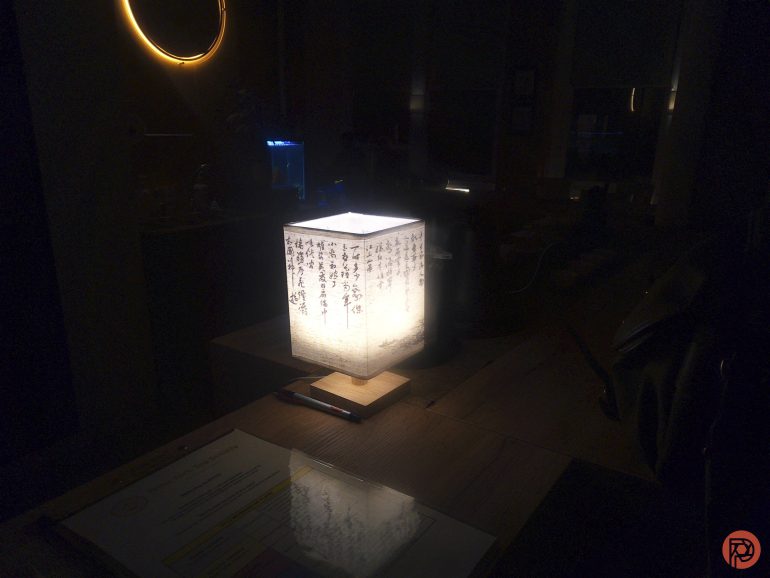
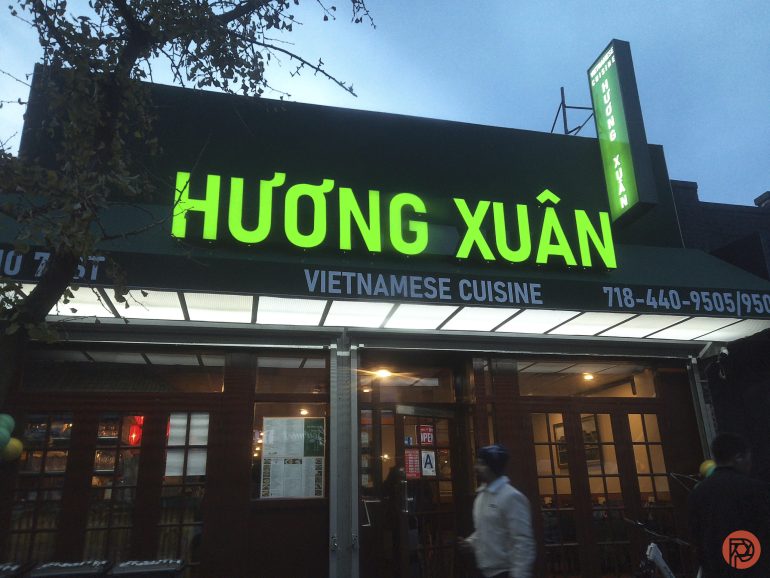


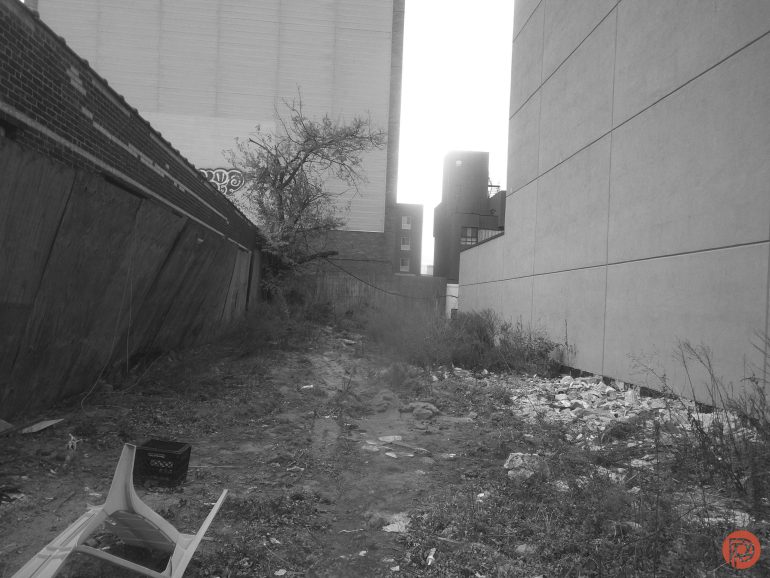
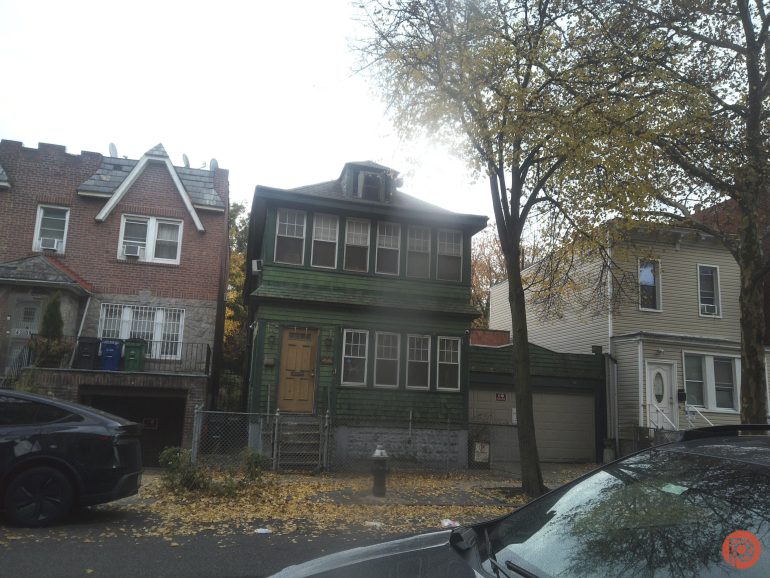
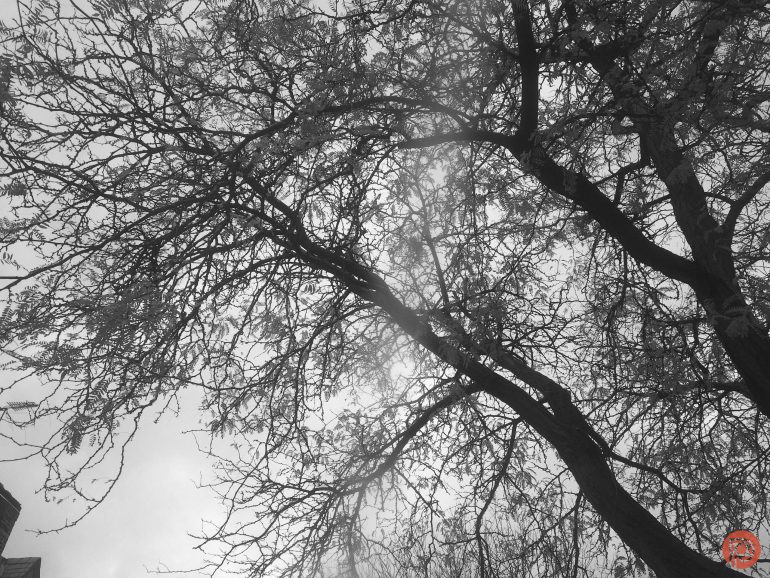


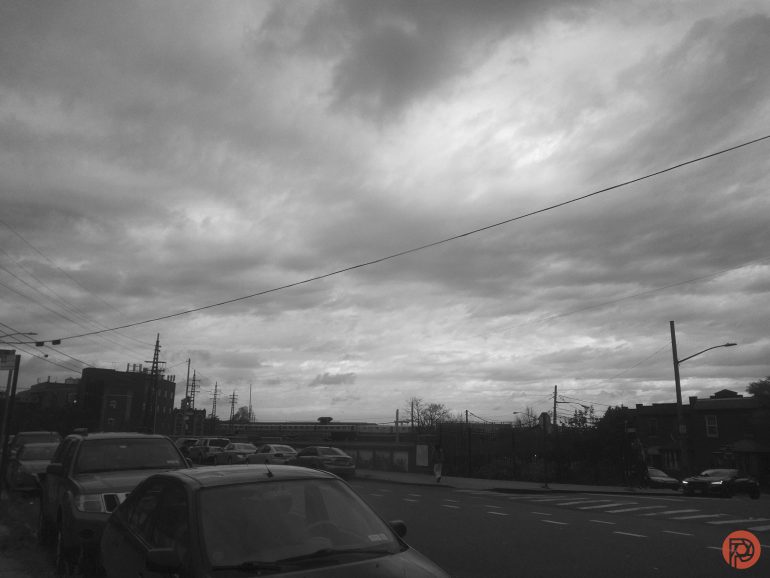
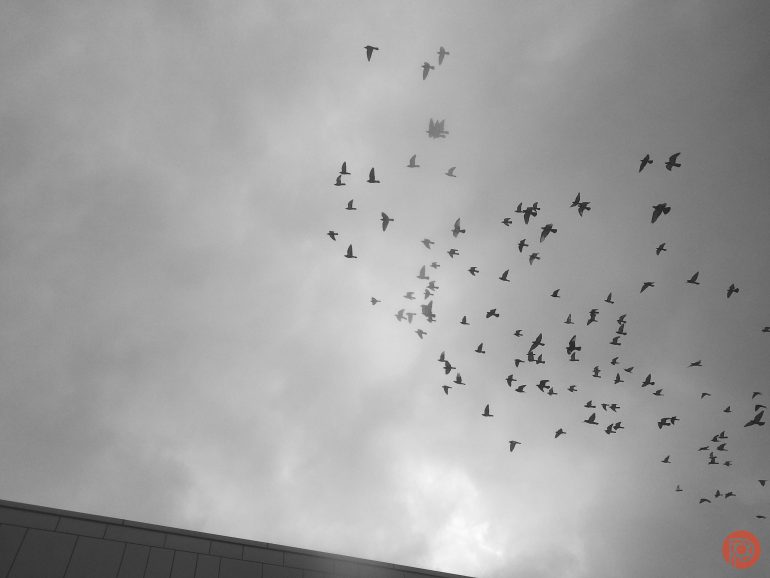
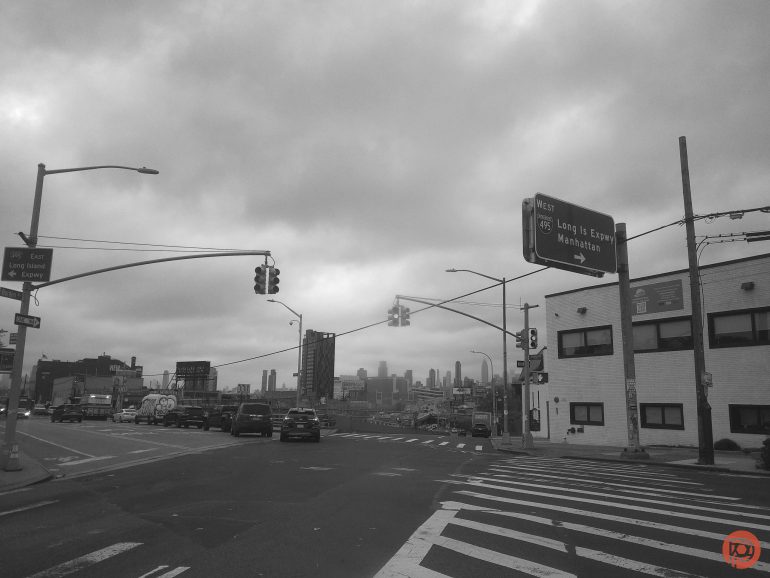


I’m experienced enough of a journalist to admit this: I didn’t know back in the days when I was such a champion for mirrorless cameras over DSLRs that our society would become such a technopoly. I couldn’t have imagined that photographers would only create for an algorithm, that the art buyer would disappear, that people would lose critical thinking skills because of using AI too much, and that photographers would lose their imagination. We went too far, ant the Japanese camera brands used all of us to further their own fetishized vision of what they believe reality is.
Camp Snap is an American company making products in China. And to me, that means that there’s potentially more competition. They’re transparent about where the sensors and the processors are coming from, unlike the Japanese. They fully admit that everyone else is making products just like this but that they’re trying to make something unique by not focusing on the tech as much.
My office is loaded with digicams, retro digital cameras, mirrorless cameras, etc. But the Camp Snap Pro might be one of the only ones that I choose to use during my leisure time. It’s small, fun, doesn’t make me get out of the moment, and it’s reliable.

For that reason, I’m awarding the Camp Snap Pro the Phoblographer’s Editor’s Choice award as well as five out of five stars. It’s brought me much more joy than anything Canon and Sony have put out in years.
In the gaming world, many people play to have fun. And for some, winning is fun because it’s often based on some sort of ranking. Let’s be honest here, the smartphone and Instagram threw that out years ago. We don’t need serious cameras to take serious images anymore. We just need imagination and the determination to make the vision come true.
Update December 2025

After updating the Phoblographer’s Camp Snap original review, I decided to do the same glow-up to the Pro. With the original, also called the V105, you can apply filters from companies like Camp Shades and others like CodesThings. But if you try to apply them to the different settings on the Camp Snap Pro, they don’t work. When we asked Camp Snap founder Brian Waldman about this, he said that they won’t be compatible because the Pro uses a different processor. However, he pledged that he’s working on solving the problem.
In the meantime, he told me to try creating my own filter using the Camp Snap filter website. So I tried a workaround: taking the filters I downloaded, uploading them to the conversion website, and then re-exporting them for the Camp Snap Pro. But nothing worked.
I’m anxious for more, though. The Camp Snap camera experience is some of the most fun that I’ve had as a camera reviewer in nearly 20 years, and I love that it’s so simple and yet so hacker-friendly. Plus it’s small, affordable, and something that you actually want to bring around with you all the time. The other camera brands could really learn from them.
I’ll update this review again once a solution comes out for making filters work for the Camp Snap Pro or if any really good filters get released specifically for this camera.

Get rid of the ads!
Did you enjoy reading this article as much as we enjoyed writing it? There's a way to support us and our reporting, getting ad-free navigation and more as a bonus. Subscribe to us for less than a coffee per month —just $3.99— or take advantage of our yearly subscription with a hefty discount for only $25.- An ad-free experience
- All the books in our store
- 20% discount on Capture One
- 30% discount on Imalume Photo Theft Protection
- 20% off Herbs and Kettle Tea Company.