


When it comes to buying a lens today, there are a plethora of options—from Japanese third-party makers to Korean and Chinese manufacturers—one could say that photographers are spoiled for choice. Each lens manufacturer knows they are competing with the precision and finesse for first-party creators, and so, not only they they need to come close to that performance, but also undercut them through price. Sigma and Tamron have been doing that for a while, and it appears, these third-party manufacturers are seeing success after a long period. Per new reports, Sigma has won an unlikely title for the month of May. How so? Let’s find out!
Best-Selling Lenses
In a report by Digital Camera Info, Yodobashi Camera, one of Japan’s leading retail stores, has unveiled the list of the best-selling lenses for the first half of May. The result was collected over a period of 15 days, and showcases which type of lenses, in addition to the brand, made bigger waves.
- Sigma 16-300mm f3.5-6.7 DC OS | Contemporary (RF mount)
- Canon RF 100-400mm f5.6-8 IS USM
- Nikon NIKKOR Z 24-120mm f4 S
- Sony FE 24-70mm f2.8 GM II
- Sony FE 70-200mm f2.8 GM OSS II
- Canon RF 100-500mm f4.5-7.1 L IS USM
- Sigma 16-300mm f3.5-6.7 DC OS | Contemporary (E-mount)
- Tamron 28-200mm f2.8-5.6 Di III RXD (E mount)
- Canon RF 70-200mm f2.8 L IS USM Z White | Black
- Canon RF 70-200mm f2.8 L IS USM
The Sigma lens is said to be the first AF lens for mirrorless cameras with a zoom ratio of 18.8x and is compatible with the APS-C mount. It is also the first time that a focal range appears twice on the list for two different mounts (Sigma RF and E mount).
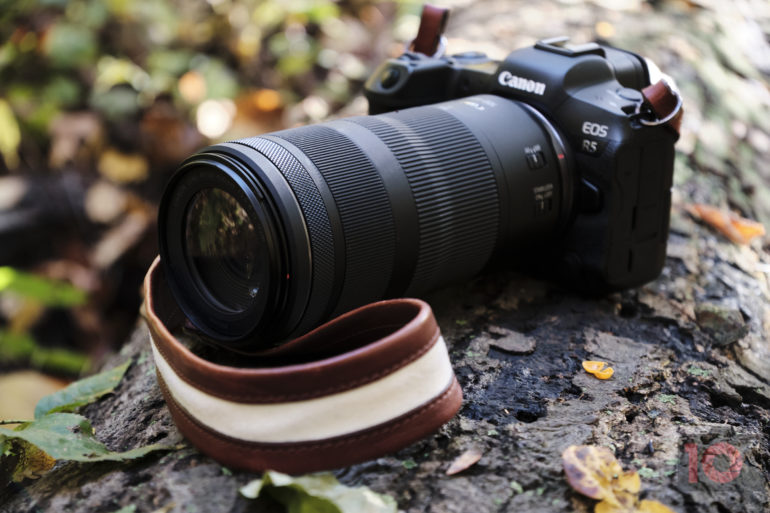
Despite Sigma taking the lead, Canon has the most number of models (four), with Sigma and Sony coming in second (with two lenses), and Nikon and Tamron third (one, each). Nikon’s 24-120mm took the crown last month, but it dropped to third place this time. The RF 100-1400mm was fourth on the list, climbing up by two spots now.
Coming in at number one is Sigma’s 16-300mm F3.5-6.7 DC OS | Contemporary (RF mount) , released on May 15th, which is making its debut. It is the world’s first AF lens for mirrorless cameras to achieve a zoom ratio of approximately 18.8x, and is a high-magnification zoom lens compatible with APS-C. The E-mount, released on April 24th, debuted in 6th place last time, and is now in 7th place again this time. It is a rare result for this ranking to have two different mounts on the same model.
The list also highlights how Zoom lenses, particularly longer-range ones, are preferred by users. The 100-500mm, 100-400mm, and 16-300mm are some examples of this. Even 24-120mm is ideal for travel photographers and amateurs. This further proves that the demand for zoom lenses is far higher, and just may continue to be this way with higher megapixel cameras.
Most Sold Cameras
In another report, we have also received the list of the best-selling cameras for the month of May.
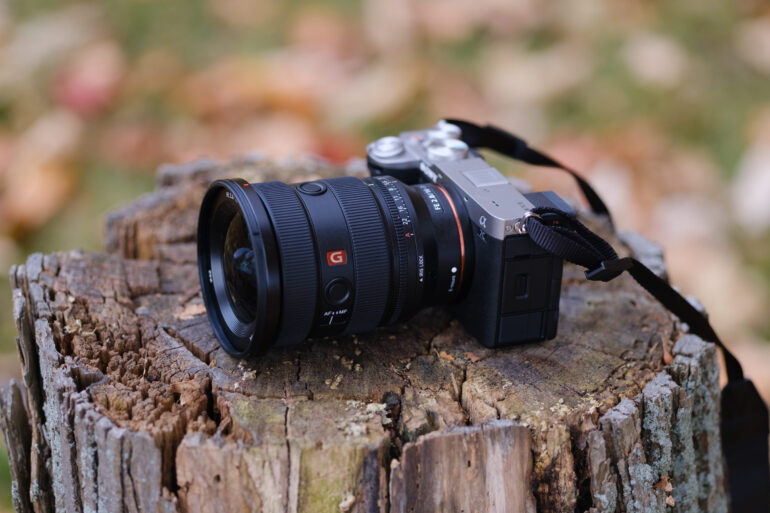
- Sony α7C II Zoom Lens Kit Silver | Black
- Nikon Z5II body
- Nikon Z50II Double Zoom Kit
- Fujifilm X-M5 XC15-45mm Lens Kit Silver | Black
- Canon EOS R10 RF-S18-150 IS STM Lens Kit
- Sony α7C II Body Silver | Black
- Sony α1 II Body
- Canon EOS R50 Double Zoom Kit Black | White
- Nikon Z5II 24-200 Lens Kit
- Sony FX3 Body
In this list, too, the Z5 II and a7C II appear twice, with one being a kit and the other just the body. Sony conquered this list with three models, Nikon and Canon with two, and Fujifilm with one. Sigma BF, which was in third place the last time, did not make the cut this month due to supply delays. If you remove the repeating names, there are three full-frame cameras and two APS-C models on the list. This is quite different than the result of last month, where smaller sensor cameras were on the rise.
However, the trend of zoom lenses paired with full-frame cameras is not new, but it proves that compact cameras still have a long way to go. The latter’s boom shook up one’s understanding of the consumer market, which so far was favouring bigger cameras. However, the economic crisis and other global factors prove that trends can only be sustained so far. Innovation, on the other hand, can help one make new trends.
Get rid of the ads!
Did you enjoy reading this article as much as we enjoyed writing it? There's a way to support us and our reporting, getting ad-free navigation and more as a bonus. Subscribe to us for less than a coffee per month —just $3.99— or take advantage of our yearly subscription with a hefty discount for only $25.- An ad-free experience
- A free mystery box for Lightroom or Capture One
- All the books in our store
- 20% discount on Capture One
- 30% discount on Imalume Photo Theft Protection
- 20% off Herbs and Kettle Tea Company.
- 20% off your order from MPIX printing services.
- 5% off Viltrox Products via their eCommerce store.
- 10% off all film developing, printing and scanning services from Blue Moon Camera and Machine
- 15% off 7Artisans products: The lens and accessory maker is offering a sweet discount for Phoblographer's readers.