


A few times a year, I take a deep dive through the closets in my house and donate clothes, toys and other items that my family has outgrown. But I recently deep cleaned my office, including donating photo accessories I no longer need or use. The liberating feeling of clearing out clutter left me wondering, is there an alternative to the fast fashion of the tech world? Are there cameras that tend to outlast the typical digital camera lifespan?
The typical digital camera lifespan is a tough question to answer. On one hand, I’ve felt that pressure to upgrade after 5 to 7 years, when my camera no longer felt like the best available option. On the other hand, the 15-year-old Nikon D5000 that I handed down to my 9-year-old daughter is still shooting, the ten-year-old Canon G7 X is trending on TikTok, and I just brought a film camera that’s anywhere from 48 to 27 years old along on a portrait shoot.
In an age where photographers are putting nylons and mist filters over their lenses to fight the too-sterile look of modern cameras, photographers should feel blissfully unpressured to upgrade their camera — as long as it is in good working order.
But if your camera just bit the dust and you’re wondering what cameras tend to last longer than others, there are a few models that we recommend not just because of durable builds but because their manufacturer has an extensive repair program and a solid warranty. No, I cannot guarantee that any camera on this list is going to last a certain amount of time. Yes, you’ll spend a bit more, but there are two brands that the review team at The Phoblographer thinks of first when considering what cameras tend to outlast others.
Table of Contents
Why We’re Choosing Leica and Hasselblad as the best Buy-it-For-Life camera brands

The typical camera lifespan is hard to predict. I handed down my old Nikon D5000 DSLR, which was announced in 2009, to my nine-year-old daughter and, while the 12.3 megapixels aren’t up to today’s standards unless today’s standards include the sort of nylon-over-the-lens look, it’s still functioning. Photographers are still taking award-winning images with DSLRs that are a decade old.
I don’t have a crystal ball to peer into. Some cheap plasticky cameras keep shooting for 15 years. Some metal-build cameras get some dust in the wrong spot and quit too soon.
I can in no way guarantee that the cameras on this list will last a certain number of years. However, the cameras on this list were selected because the company has a reputation for continuing to repair older cameras.
“Leica is able to repair cameras (dependent on the availability of parts) that have been released since 1954, which is when the Leica M3 was released,” Leica US told The Phoblographer. Most new digital Leica cameras have a two-year warranty, which is extended to three years if the product is registered online. New analog Leica M film cameras can fall under Leica’s 10-year Passport Warranty when purchased from an authorized US or Canada dealer. You can read more on Leica’s warranty page.
Hasselblad repairs cameras for the first decade; after ten years, repair availability will depend on the availability of the spare parts needed. Hasselblad’s warranty varies from one to two years, depending on the series. You can find more information, including what models are serviceable, on Hasselblad’s warranty page.
Why You Should Trust Us
The Phoblographer has been doing real-world photography gear tests longer than any other photography publication currently run. We also have the largest database of real-world lens reviews, amongst other things like straps, camera bags, lights, accessories, and more. Here’s why that matters:
- AI Can’t Do This Job: These days, other publications do roundups, sometimes using generative AI. That’s the same as a person researching products and then making a decision without actually trying it. All of our reviews and guides are written not just by humans but by working photographers — not AI. Computers don’t use cameras, so why would you trust AI to recommend cameras for you?
- Research and Practical Experience: Here at the Phoblographer, humans consult on what roundups to do with guidance from an editor. Then, a human goes through our database of reviews and selects the best products based on our own internal research. The human creating the roundup has practical experience with photography gear and will apply their knowledge of what’s best to the already human-based experience provided in our reviews.
- We Block AI Bots: The Phoblographer blocks indexing bots from reading our site, so what’s here can only be read here.
How we Test and Choose the Best Buy-it-For-Life Cameras
- The Phoblographer’s various product round-up features are done in-house. Our philosophy is simple: you wouldn’t get a Wagyu beef steak review from a lifelong vegetarian. And you wouldn’t get photography advice from someone who doesn’t touch the product. We only recommend gear we’ve fully reviewed in these roundups.
- If you’re wondering why your favorite product didn’t make the cut, there’s a chance it’s on another list. If we haven’t reviewed it, we won’t recommend it. This method keeps our lists packed with industry-leading knowledge. Some of our stories include affiliate links. If you buy something through one of these links, we may earn an affiliate commission.
- When we test lenses, we’ve got various things in mind. First off, we consider who might want to buy the lens and what they might do with it. With that in mind, we try to tackle at least three genres of photography with that lens in a variety of situations. If the lens has weather resistance, then we’ll test it accordingly with a weather-resistant camera. We also test the autofocus of the lens in continuous mode, single mode, with exposure preview effects, without those effects, and then with all the major image quality parameters. These days, no one really makes a bad lens — but some are far better than others.
- In this specific roundup, we’re basing our findings on the reviews that we’ve done. We’re choosing a favorite, but we’re also giving photographers a bunch of others that they might like, depending on how they shoot.
Our Choice Among the Best Buy-it-For-Life Cameras: Leica SL3

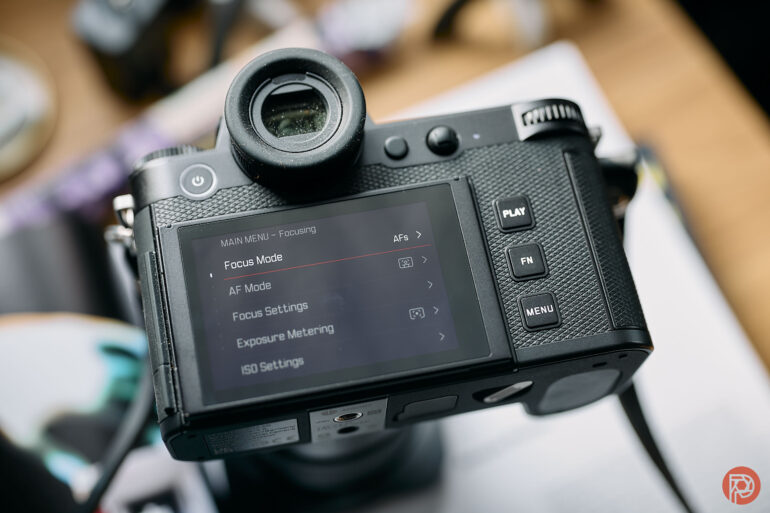
Leica is one of the first brands that comes to mind when thinking about cameras that tend to live past the usual life expectancy of a digital camera: they’re well made, Leica has an excellent warranty program, and Leica repair centers will even still repair film cameras, a good sign for the ability to repair today’s digital models well into the future. But the reason that the Leica SL3 stands out among the brand’s options is the tech inside that also feels future-proof. The SL3 houses a 60-megapixel sensor, a high resolution that feels impossible to outgrow, though, of course, that may change in ten years. The SL3 also has the best autofocus we’ve seen among cameras that we’ve tested with such a high resolution. Batteries also tend to be one of the first things to age in any technology, but the SL3 starts with an excellent battery life.
In our Leica SL3 review, we state:
“It’s packed away in a box right now heading back to Leica — and it’s honestly hard to imagine the rest of the year without the Leica SL3 in my hands. There’s a lot to really like about it. Leica has truly been listening to their customers and the market while incorporating feedback into the camera’s design. It’s smaller and lighter than the previous version — yet they also packed an extra dial onto the top of the camera. This makes it feel a bit more retro while also keeping the very modern and sleek look. Additionally, they gave the camera a tilting touchscreen. Yes, the menu is now touch capable. Plus, they improved the grip, gave it an incredible imaging sensor that rivals the Sony a7r V, majorly improved the autofocus, and built in some of the best battery life I’ve ever experienced. It’s hard to say no to the Leica SL3.”
PROS
- The single fastest autofocus of the 60MP sensor I’ve ever seen. This puts the Sony a7r V and the Sony a7cR to shame.
- Beautiful ergonomics
- They made it lighter while still making it feel solid
- I actually like this grip
- The screen actually feels nice
- IP 54 durability rating; this is probably the toughest camera on the market with interchangeable lenses.
- The new touchscreen menu is almost perfect
- The sharpness with Leica Apochromatic lenses is excellent and with the resolution from this camera, the quality rivals that of Canon L and Sony G-Master lenses.
- The new phase detection autofocus is good even in low light; it tracks people of color almost as good as Nikon cameras do.
- Native ISO at 100 and 320
- The battery life using the new quick power-off is the single best of any camera manufacturer out there.
CONS
- I wish the shutter came down over the sensor
- Some functions won’t be available if you use the older battery. For example, it can’t shoot more than 2fps with the older battery and retain autofocus.
- No option to have the camera write to the SD card first instead of the CFe card. But we’re told this is being considered for a firmware update.
- I truly wish that when dropping the megapixel count, I could get increased variables with the drive move. For example, getting 9 fps with AF tracking at 14 or 12 bit RAW would be awesome when dropped down to the Medium DNG setting.








For Some Photographers, these Might be the Best Buy-it-For-Life Cameras
The Leica SL3 offers not just a durable build and an excellent repair program, but a higher megapixel sensor that shouldn’t feel outdated in just a few short years. But the SL3 isn’t for everyone. If you’re looking for film, medium format, or are simply on a tight budget, consider these other options.
Leica M6 TTL: The Best Buy-it-For-Life Film Camera
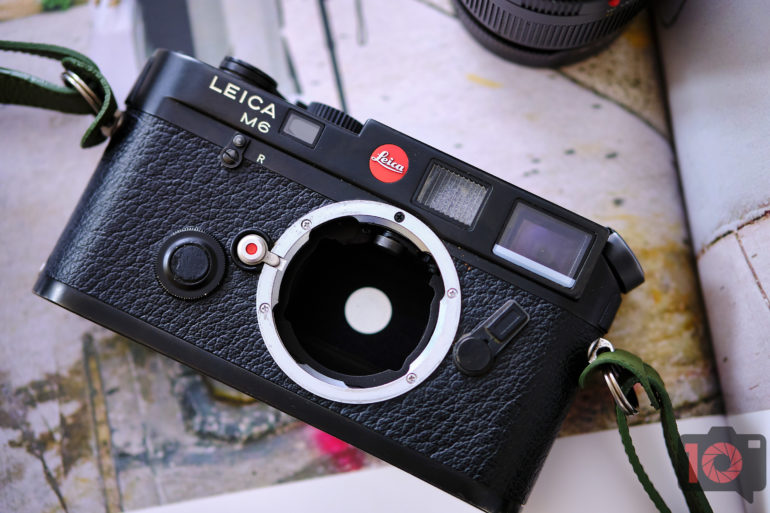
Film cameras easily have a longer lifespan than digital. Because the image quality depends on the lens and the film type loaded in the back, film photographers are never tempted to upgrade for a newer camera with more megapixels — when you want a change in the image quality, just try a new film simulation. Leica still supports repairs for their film cameras as long as parts remain available. The company is also still selling and making M series lenses, as the M mount digital options use the same optics.
In our Leica M6 TTL review, we state:
“I enjoy the Leica M6 TTL. It’s a beautiful camera that slings around me well and functions flawlessly. I’d be telling a lie if I said that I didn’t like sometimes wearing it like a piece of photographer’s jewelry. But it’s also fun to shoot with. Most photographers will only need the Leica M6. But if you want to make the commitment to shooting events and using film the way so many photographers are these days, then the Leica M6 TTL is probably the right choice for you.”





Hasselblad 907X CFV 100C: The Best Buy-it-for-Life Medium Format Camera
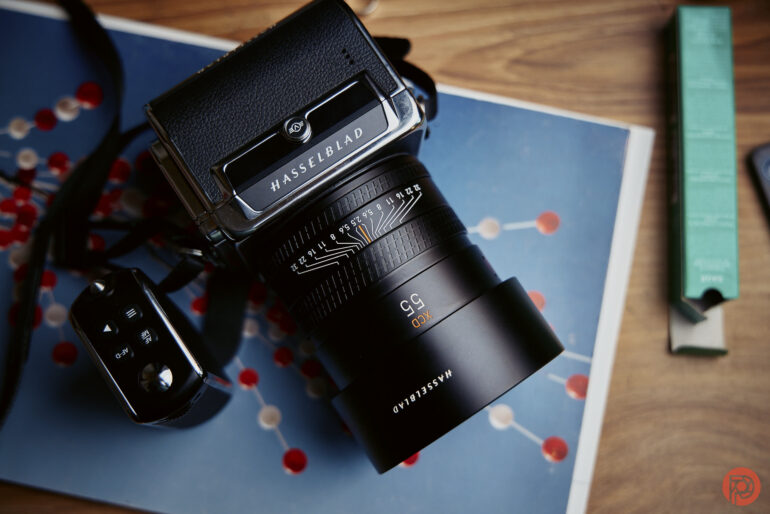
The Hasselblad 907X CFV 100C is unique in that, while it’s a medium format digital camera, it’s also a modular one that can also be used with 500C film cameras. With 100 megapixels and beautiful ergonomics, it’s hard to picture really needing an upgrade in only a few years with this Hasselblad. The camera delivers plenty of resolution, decent autofocus for the medium format category and leaf shutters so you can forget about needing high-speed sync flash. Hasselblad also offers repairs, though after ten years some repairs may be refused if spare parts are unavailable.
In our Hasselblad 907x CFV 100C review, we said:
“The Hasselblad 907x and CFV 100C are not for content creators. If you shoot video, move on. But if you shoot still images and don’t want to come back with over 100 images to cull through, this is the camera for you. The Hasselblad 907x and CFV 100C feel like the camera equivalent of someone who went to therapy and worked on themselves to evolve because they cared. They’re still not perfect — but when someone shows signs of wanting to grow, that makes them attractive. Sure, a decade ago, Hasselblad was announcing Sony cameras. But this — this is something no one else has.”





Leica DLUX 8: The Best Buy-it-for-Life Camera Under $2,000

Compact cameras are trending — but the Leica D-LUX 8 is one that’s going to continue to impress long after the TikTok trends have moved on to some other fad. The 17 megapixel Micro Four Thirds sensor isn’t as future proof as Leica’s higher resolution, interchangeable lens options. But, it mixes a Leica quality build with a compact, pocketable design and a 24-70mm equivalent lens. We really wish it had full weather-sealing and Leica Look capabilities, but the build is one that’s going to last and at just under $1,600, it’s one of the most affordable ways to buy a Leica. Note that, while the list price is $1,595, limited availability may push the price up at some stores.
In our Leica DLUX 8 review, we said:
“What the Leica DLUX 8 has going for it is the truly compact size — it’s pocketable. It also has a Four Thirds sensor — granted, it’s a very old one that’s powered with what I believe is a newer processor. Plus, it’s a zoom lens, so that lets you compose scenes differently and use it in a way that other compact cameras don’t let you do. The battery life is also absolutely incredible.”






Using this Guide to the Best Buy-it-For-Life Cameras
If you’re considering purchasing anything from this list, consider the following:
- All the product images and sample photos in these roundups are shot by our staff. In fact, we don’t talk about products at length in roundups like this unless we’ve done full reviews of them. But you can surely know that we’ve done all the research ourselves.
- We’d never recommend a product to you that we haven’t tested or that we really didn’t like. You can reference our linked reviews, for more information on this.
What is the typical digital camera lifespan?
The average camera lifespan varies depending on the camera and how it was handled. In general, photographers should expect the average camera to last seven years. Some cameras will continue shooting beyond that time frame if well cared for, others may quit before that seven years. Features tend to feel outdated after seven years, even if the camera is still fully functional.
Photographers should also note the shutter count rating of their camera, which some brands list in the technical specifications (though some brands do not disclose this). The camera shutter is one of the more fragile parts. The shutter is a common repair, however, and a shutter failure doesn’t necessarily mean you need to buy a new camera, depending on the cost of the repair.
Picking the right Buy-it-For-Life Cameras for you
- What’s your budget?
- How will you use the product?
- What lighting situations are you in, and how will that affect what you’re doing? Our reviews hyperlinked in this article can help with that.
- Are you traveling a lot with it?
- Will you be using it in a situation that’s a bit rougher?
- Who else uses this product? How are they using it?
- What’s so appealing about this product that I can’t get from what I have already or something else?
- When will I really have time to use this product?
- Where will I bring this product?
- How will this product help bring me joy and joy in my photography?
Get rid of the ads!
Did you enjoy reading this article as much as we enjoyed writing it? There's a way to support us and our reporting, getting ad-free navigation and more as a bonus. Subscribe to us for less than a coffee per month —just $3.99— or take advantage of our yearly subscription with a hefty discount for only $25.- An ad-free experience
- A free mystery box for Lightroom or Capture One
- All the books in our store
- 20% discount on Capture One
- 30% discount on Imalume Photo Theft Protection
- 20% off Herbs and Kettle Tea Company.
- 20% off your order from MPIX printing services.
- 5% off Viltrox Products via their eCommerce store.
- 10% off all film developing, printing and scanning services from Blue Moon Camera and Machine
- 15% off 7Artisans products: The lens and accessory maker is offering a sweet discount for Phoblographer's readers.