

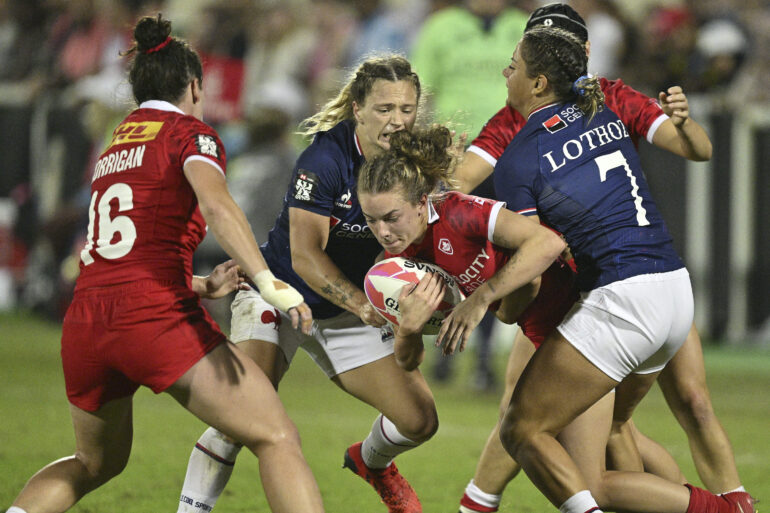
If there’s one genre where choice of gear is key to getting the shot, it’s sports photography. The fast pace of action requires a camera that can not only fire off frames quickly but also keep focused on the fastest-moving subjects. Indoor sports and games played under stadium lights add to that challenge even further, requiring not just a fast camera but one that can also perform in the most challenging lighting conditions. Thankfully, some of the latest advancements in imaging technology, like stacked sensors and global shutters, mean photographers are spoiled for choice when it comes to finding the best cameras for sports photography.
As someone who was once paid barely above minimum wage to photograph high school football and basketball with an entry-level DSLR, a cheap 70-300mm lens, and a flash, I will be the first person to tell you that you can still be a good sports photographer if you don’t have $10,000 to spend on gear. But I will also be the first to tell you that if you have a healthy budget, working with high-end gear will be a far less frustrating experience than trying to shoot in the most difficult category with a basic camera.
You didn’t land on this page by typing “good sports cameras” into the Google search bar, but the “best sports cameras.” With that in mind, I’ve rounded up the very best cameras for fast action. Below, you’ll find three flagship full-frame mirrorless cameras for sports, but also a mid-tier model that offers the best sports performance on a budget.
Table of Contents
Why You Should Trust Us

The Phoblographer has been doing real-world photography gear tests longer than any other photography publication currently run. We also have the largest database of real-world lens reviews, including straps, camera bags, lights, accessories, and more. Here’s why that matters:
- AI Can’t Do This Job: These days, other publications do roundups, sometimes using generative AI. That’s the same as a person researching products and then making a decision without actually trying it. All of our reviews and guides are written not just by humans but by working photographers — not AI. Computers don’t use cameras, so why would you trust AI to recommend cameras for you?
- Research and Practical Experience: Here at the Phoblographer, humans consult on what roundups to do with guidance from an editor. Then, a human goes through our database of reviews and selects the best products based on our own internal research. The human creating the roundup has practical experience with photography gear and will apply their knowledge of what’s best to the already human-based experience provided in our reviews.
- We Block AI Bots: The Phoblographer blocks indexing bots from reading our site, so what’s here can only be read here.
How we Test and Choose the Best Cameras for Sports Photography
- The Phoblographer’s various product round-up features are done in-house. Our philosophy is simple: you wouldn’t get a Wagyu beef steak review from a lifelong vegetarian. And you wouldn’t get photography advice from someone who doesn’t touch the product. We only recommend gear we’ve fully reviewed in these roundups.
- If you’re wondering why your favorite product didn’t make the cut, there’s a chance it’s on another list. If we haven’t reviewed it, we won’t recommend it. This method keeps our lists packed with industry-leading knowledge. Some of our stories include affiliate links. If you buy something through one of these links, we may earn an affiliate commission.
- When we test lenses, we’ve got various things in mind. First off, we consider who might want to buy the lens and what they might do with it. With that in mind, we try to tackle at least three genres of photography with that lens in a variety of situations. If the lens has weather resistance, then we’ll test it accordingly with a weather-resistant camera. We also test the autofocus of the lens in continuous mode, single mode, with exposure preview effects, without those effects, and then with all the major image quality parameters. These days, no one really makes a bad lens — but some are far better than others.
- In this specific roundup, we’re basing our findings on the reviews that we’ve done. We’re choosing a favorite, but we’re also giving photographers a bunch of others that they might like, depending on how they shoot.
Our Choice Among the Best Cameras for Sports Photography: Nikon Z9
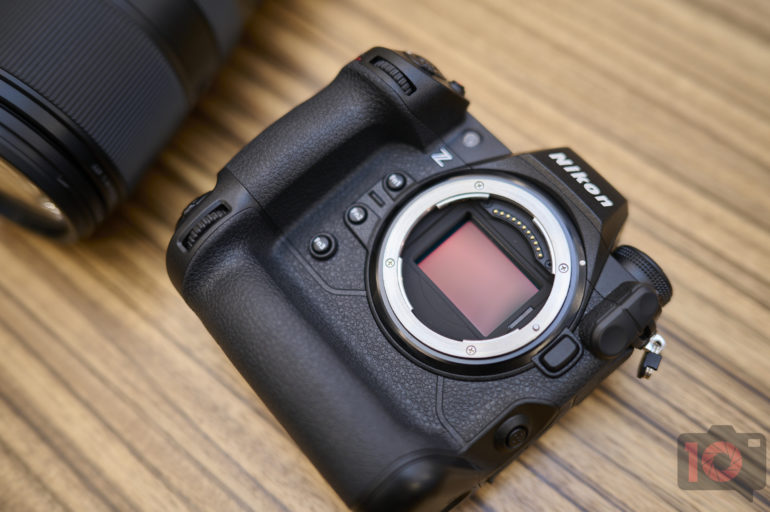
Nikon’s flagship mirrorless camera not only keeps up with the action, but offers a higher resolution 45-megapixel sensor with more detail than the Sony a9 III or the Canon EOS R3. The camera’s 20 fps burst is that sweet spot between timing the action right and crying when it comes to choosing the best images because you used a burst fast enough to be a slow-motion movie. Plus, at that rate, the Z9 has a 1,000-shot RAW buffer, so it’s ready to shoot the next series right away. But what we really loved about the Nikon Z9 was the camera’s action autofocus in low light, a major benefit for indoor sports. In particular, we thought the Z9 did a bit better than the a9 III at focusing on people of any skin tone in a dark environment. Plus, with a flash sync speed of 1/8000, there’s still a lot of creative flexibility with flash.
In our Nikon Z9 review, we state:
“The Nikon z9 is Nikon’s most innovative camera in years. It’s quite a workhorse with a fully electronic shutter, workable 3D tracking autofocus, and various autofocus scene detection features. It’s also very well weather-sealed and has incredible battery life. It trails behind Sony and Canon in some ways. But in other ways, it absolutely blows them out of the water. In my mind, it’s the first genuinely professional-feeling mirrorless camera that uses 35mm full-frame sensors.”
Pros
- High-speed sync works to 1/8000 and possibly beyond
- The Nikon z9 genuinely feels like the first serious camera for a professional photographer, along with the Canon EOS R3.
- Nikon’s absolute best autofocus
- Once you get the hang of it and set everything up just the way you want, it’s an excellent camera.
- Light up buttons are the absolute best thing.
- Lots of customization options
- Fast and quiet shooting
- 3D tracking is great for animal photography.
- Auto subject detection is quite good.
- Nikon’s in-camera cropping feature is so wonderful to get more reach from your lenses.
- The world’s first camera for photographers without a physical shutter.
- I had zero camera shake issues. Anything pertaining to it would’ve been issues with using a slower shutter speed.
- The rolling shutter is considerably eliminated, and it’s only visible if you pixel peep.
- Pretty good tracking autofocus in low light!
- The vertical grip is a nice addition.
- Tons and tons of buttons that can do virtually everything
Cons
- The AF illuminator dramatically slows down the autofocus.
- I’ve surely seen better high ISO results.
- The exposure preview setting has been completely changed.
- Heavy, but that’s to be expected
- Noise reduction is very strong.
- I wish all the buttons lit up and not just a few. What about the buttons on top?
- Animal autofocus is good but not as good as Canon or Sony.
- Nikon still doesn’t have anything unique about their image quality that would make me want to buy it over Canon or Sony.
- Pushing the shadows introduces a significant amount of noise, even if you’re not looking at the image at 100%
- Editing Nikon’s colors in mixed lighting is a nightmare I never want to go through again.
- At this level, the in-camera multiple exposure feature should make the files into RAWs and not JPEGs.
- 17×22 prints are a bit soft if you’re looking super close. You’ll also see grain at ISO 6400, unlike we’ve seen with a few others. But it’s acceptable.
- Pricey, but not as expensive as competitors, for sure.
For Some Photographers, these Might be the Best Camera for Sports Photography
The Nikon Z9 may be the best sports camera we’ve tested, but it’s also one of the priciest. While great, we’ve tested cameras that have a bit more of an edge in flash photography, as well as options that can still keep pace with the action at a much lower price point. If the Nikon Z9 isn’t quite right for you (or your budget), here are three more excellent cameras for sports photographers.
Sony a9 III

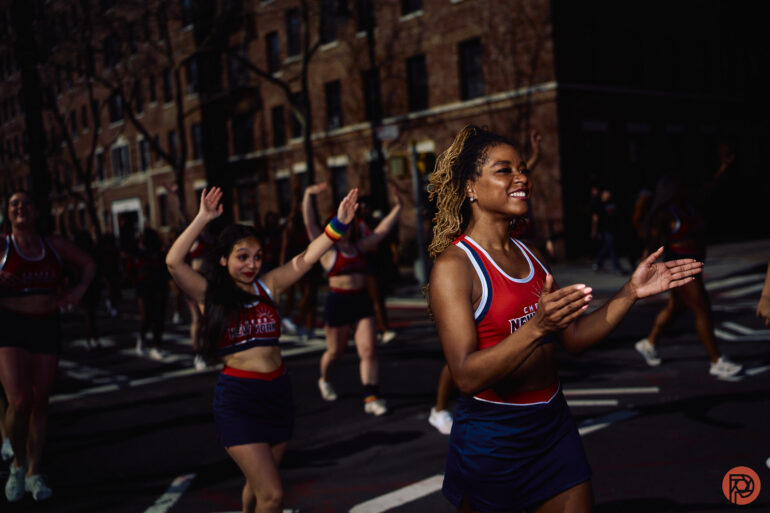
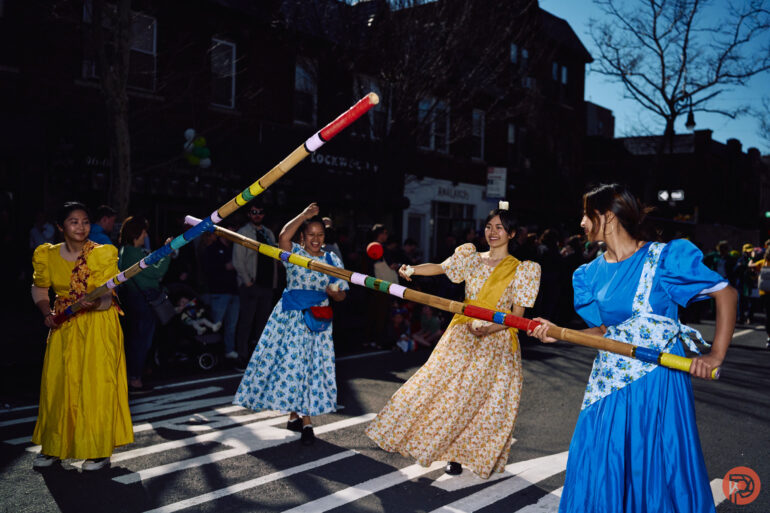
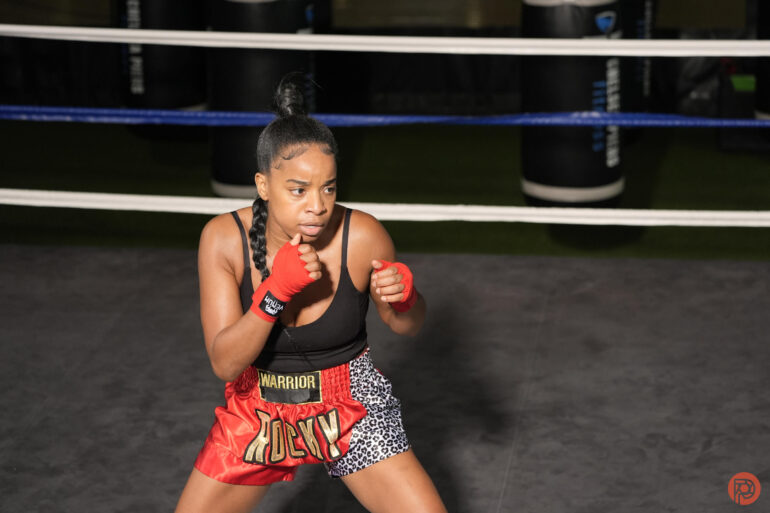
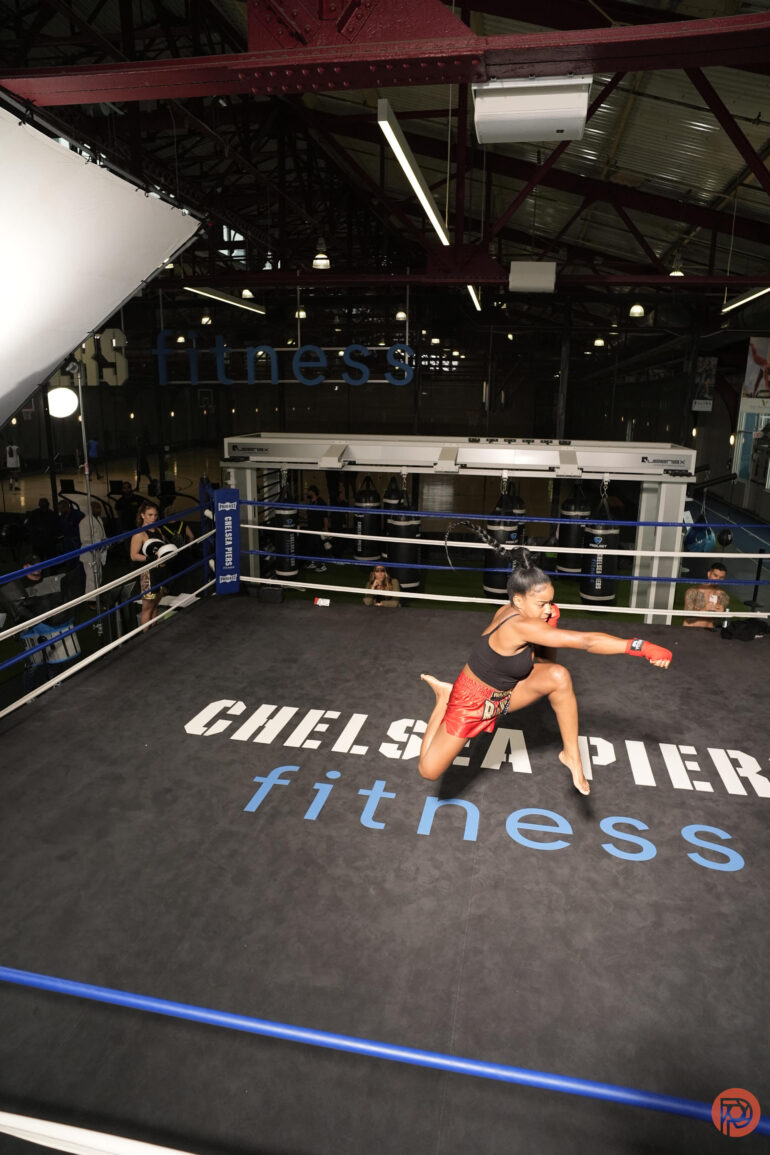
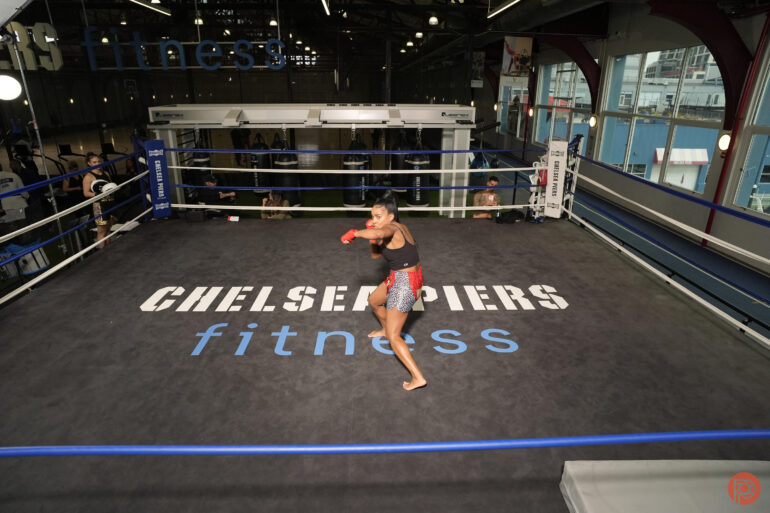
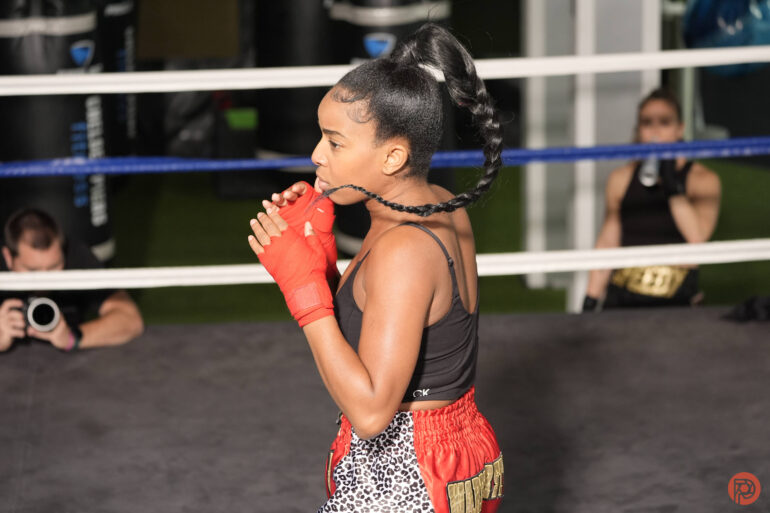
The Sony a9 III doesn’t just have an incredibly fast 120 fps top burst speed, but an autofocus system that’s actually capable of keeping up with that pace. That’s an important distinction because what good is a perfectly timed shot if it’s out of focus? That’s rarely an issue with the Sony a9 III. The only disappointment with the autofocus is that it doesn’t do as well with focusing on someone with darker skin in limited light, as well as the Nikon Z9. But, the real reason for purchasing the Sony a9 III is its flash capabilities. The mirrorless camera uses a global shutter that can use flash at any shutter speed without being limited by a flash sync speed or using the lower power of HSS. For sports photographers, using flash means no longer needing to lower the shutter speed to add in light.
In our Sony a9 review, we state:
“By far, the Sony a9 III is the single best camera that Sony has made thus far. Nearly every issue that I’ve had with the company’s cameras over the years has been resolved in some way or another. Ergonomically speaking, this is the most perfect Sony camera I’ve held. It truly feels like the evolution of a Minolta camera for mirrorless. It’s simple enough to use, and anything that you really need can be wired to a button or two. But perhaps the greatest innovation is the global shutter. While I miss the fact that I could physically feel the shutter, I’ll accept that it comes with new technology that makes strobism even better. If you’re a photographer that uses a lot of off-camera flash, then this is the single best camera you can get on the market right now.”


Canon EOS R3

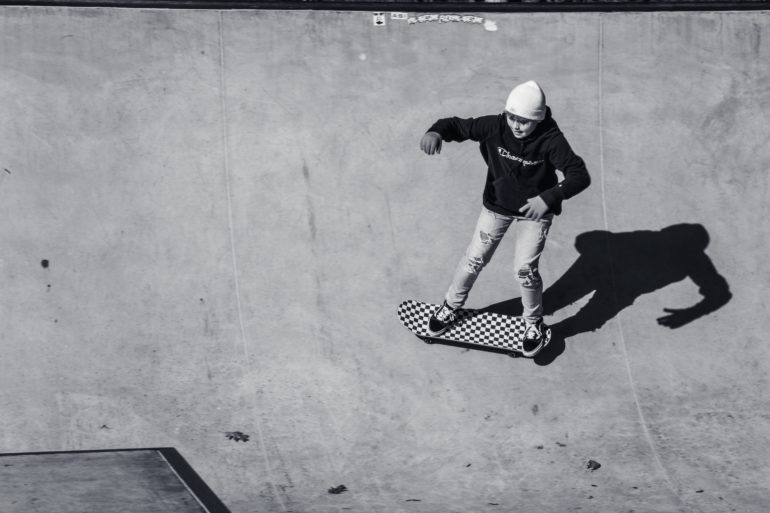
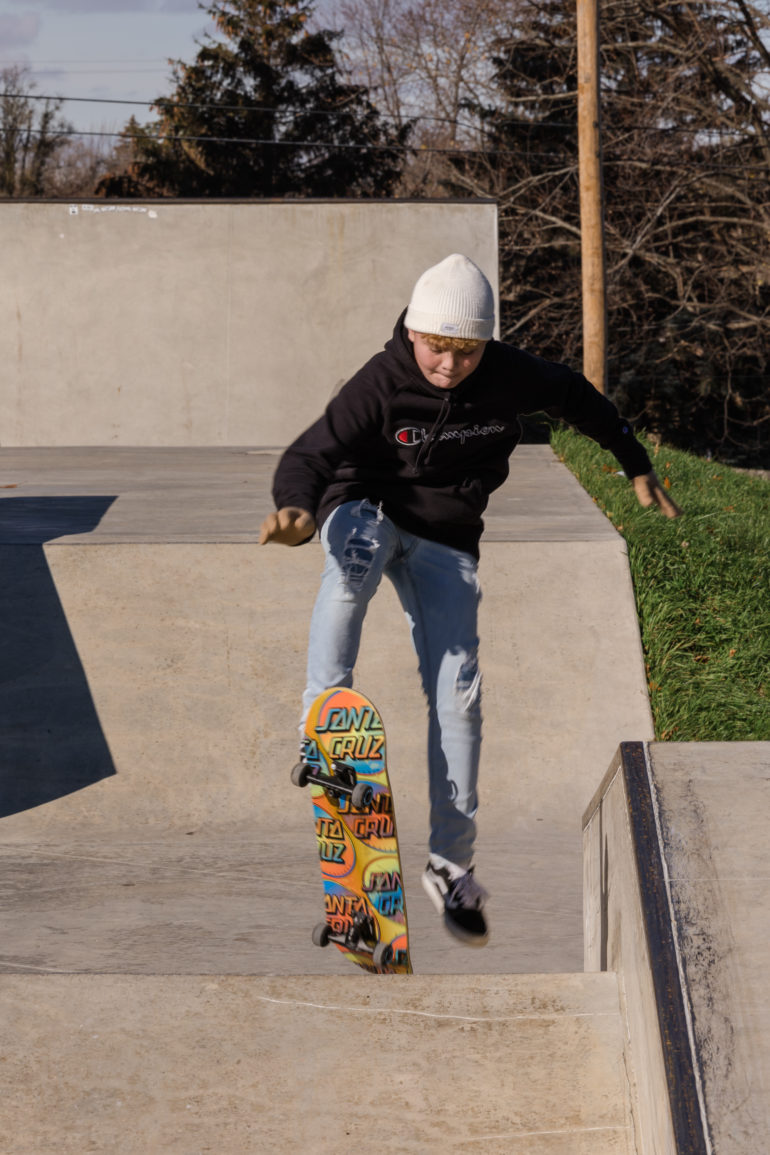
The first time I picked up the Canon EOS R3, I was blown away by how well the autofocus performed in the very toughest scenarios. The camera rarely delivered a soft shot even when photographing erratic movement, action heading straight towards the lens, and shots in near darkness. The R3 is also a mirrorless camera that feels very much like a professional DSLR, with one of the more comfortable grips for all-day shooting, plus a built-in battery grip for vertical shooting. The reason not to buy is that the R3 has a lower resolution and is starting to age a bit. I wouldn’t be surprised to see Canon launch a Mark II in the near future. But that also means you’re getting a flagship that’s now $1,000 less than the Z9 and nearly $1,500 less than the a9 III.
In our Canon EOS R3 review, we said:
“The Canon R3 has a top burst speed that’s actually useful because of a great autofocus system and a faster processor to limit rolling shutter. This camera can not only shoot in the dark but print ISO 128,000 and still look good. While the R5 may make more sense for detail work, the R3 is an exceptional low-light and fast-action camera.”





Canon EOS R6 II
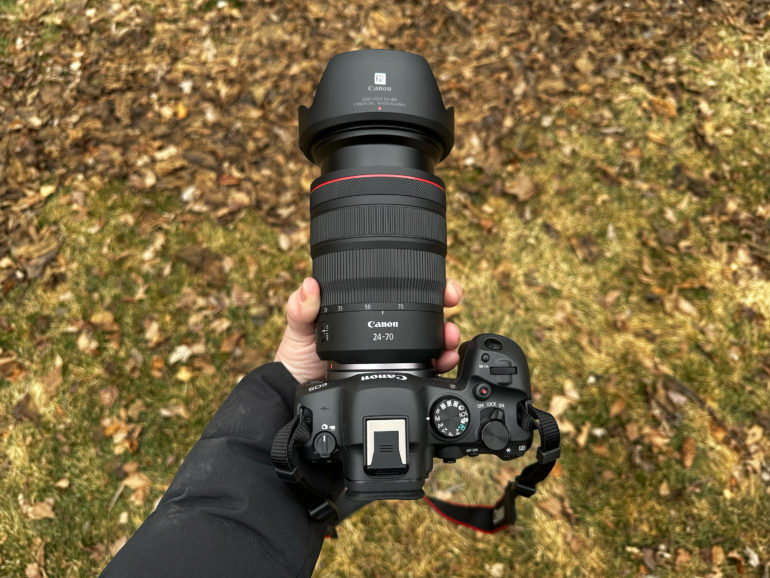
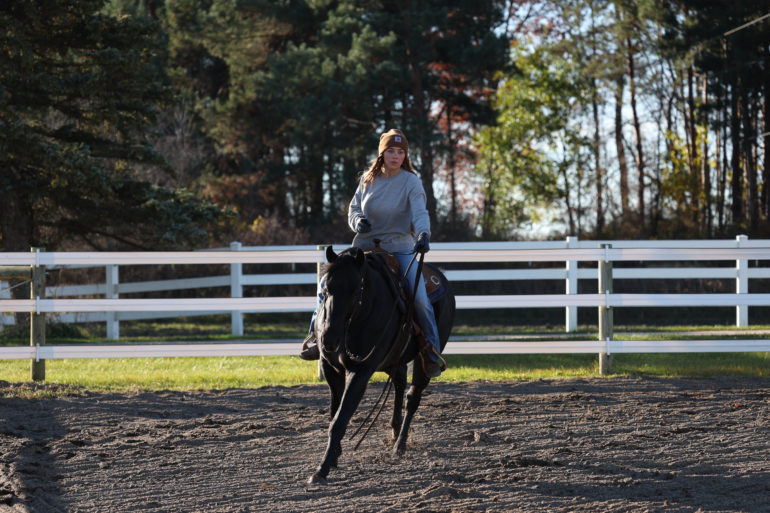
Sports photography requires both fast burst speeds and a snappy autofocus, both features that drive up the price of gear in this category. But while the flagship cameras above are the very best options, the Canon EOS R6 II is the best option for $2,500, less than half of the cost of a high-end flagship. As someone who once shot high school football with a budget DSLR, believe me when I say that sports photography with the Canon EOS R6 Mark II is more than feasible. No, it doesn’t have the burst rates fast enough to be a movie. But, the 12 fps mechanical shutter and 40 fps electronic shutter speeds it offers are still quite good, particularly paired with its excellent autofocus, including eye AF.
In our Canon EOS R6 review, we said:
“The Canon EOS R6 Mk II is a competent little camera. It’s built to withstand nature’s elements and feels good in your hands. The camera boasts new bells and whistles enthusiasts will appreciate while rarely missing a frame. Even seasoned pros will have fun with new panning and intelligent autofocus features.”



Using this Guide to the Best Camera for Sports Photography
If you’re considering purchasing anything from this list, consider the following:
- All the product images and sample photos in these roundups are shot by our staff. In fact, we don’t talk about products at length in roundups like this unless we’ve done full reviews of them. But you can surely know that we’ve done all the research ourselves.
- We’d never recommend a product to you that we haven’t tested or that we really didn’t like. For more information, you can reference our linked reviews.
Tips on Choosing the Best Camera for Sports Photography
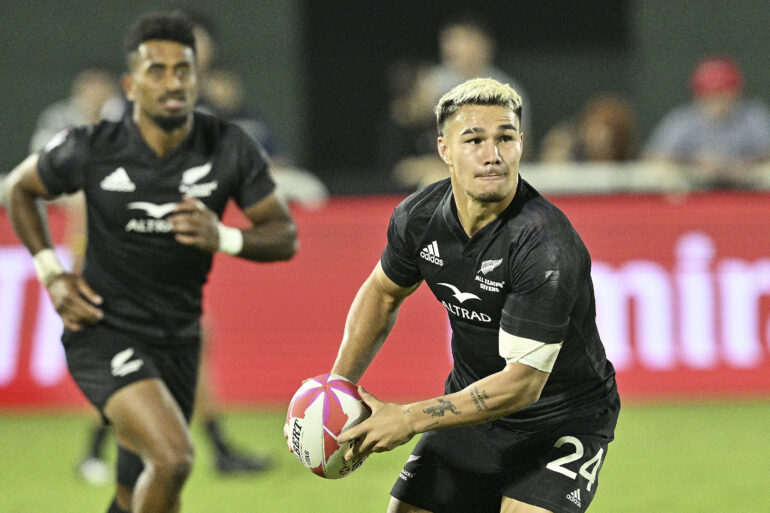
Sports, along with wildlife, is one of the more demanding genres of photography because it requires fast and efficient gear in limited light. Some of the key specifications and features that sports photographers should look for when gear shopping include:
- The burst speed indicates how quickly the camera can take photos in quick succession, allowing for perfectly timed action shots. But, just as important is the buffer. Can the camera maintain that speed for 100 shots? 500 shots? 1,000 shots? Or will you have to wait a few seconds, potentially missing a moment, before the camera is ready to shoot again?
- Pre-capture is a feature that starts taking photos before you actually press the shutter release, recording data milliseconds before to help fight off slow reaction times. This feature is often limited to just JPEGs but can be a key tool when you need the best reaction times.
- Continuous and tracking autofocus is a must for sports. Some cameras list top burst speeds that are only available with the autofocus locked. The more useful speed is one that the autofocus can also keep up with.
- Eye and face detection can help lock the focus on an athlete faster than manually moving the focus point. It’s a feature available on most mirrorless cameras, but some options do better than others, particularly when it comes to challenges like locking the focus on the face when photographing a football player wearing a helmet.
- Lens choice matters just as much as the body. Before investing in a camera system, browse through the lens options as well. Ensure they have a good telephoto zoom, as well as options for shorter focal lengths for sports that require working in cramped spaces.
Picking the right Camera for Sports Photography for you
- What’s your budget?
- How will you use the product?
- What lighting situations are you in, and how will that affect what you’re doing? Our reviews hyperlinked in this article can help with that.
- Are you traveling a lot with it?
- Will you be using it in a situation that’s a bit rougher?
- Who else uses this product? How are they using it?
- What’s so appealing about this product that I can’t get from what I have already or something else?
- When will I really have time to use this product?
- Where will I bring this product?
- How will this product help bring me joy and joy in my photography?
Get rid of the ads!
Did you enjoy reading this article as much as we enjoyed writing it? There's a way to support us and our reporting, getting ad-free navigation and more as a bonus. Subscribe to us for less than a coffee per month —just $3.99— or take advantage of our yearly subscription with a hefty discount for only $25.- An ad-free experience
- A free mystery box for Lightroom or Capture One
- All the books in our store
- 20% discount on Capture One
- 30% discount on Imalume Photo Theft Protection
- 20% off Herbs and Kettle Tea Company.
- 20% off your order from MPIX printing services.
- 5% off Viltrox Products via their eCommerce store.
- 10% off all film developing, printing and scanning services from Blue Moon Camera and Machine
- 15% off 7Artisans products: The lens and accessory maker is offering a sweet discount for Phoblographer's readers.