


With 20 years in the photo industry and 15 years running the Phoblographer, I can say with authenticity a few very valid statements about Nikon. Like a silver or bronze medalist that everyone forgets about, they’ve always believed that they should wear gold. And to many, they’ve always been the best. Even though they’ve never really ever been number one, they’ve worked on themselves so much that photographers continued to pray at their alters. But for several years, they were laughed at, like Justin Timberlake getting mugshots for driving drunk. And these days, I can confidently say that they’re learning from their past in ways that Sony and Canon refuse to acknowledge.
I remember when the Z7 and Z6 were announced. Several brands were invited to a press trip that the Phoblographer wasn’t. However, we got to experience the cameras in person and felt perplexed by them. At the time, Nikon wasn’t even wearing its best discount-Sony outfit. That’s to say that they were trying to be Sony, but failing. I mean, who launches a mirrorless camera with only an XQD card slot? That format isn’t even widely supported anymore.

Shortly after, they released the bare minimum of an update to the Nikon Z7 and Z6. They asked for photographers to come back like a politician trying to take back a statement only because they were losing support.
However, nothing made folks smash their heads against walls like the Nikon ZFc. Sure, the high ISO output was great. But why did Nikon decide to make an APS-C retro camera when everyone wanted a full-frame option?
But then they did something that made so many journalists curious and performed admirably: the Nikon Z9. It was essentially a version of the Sony a1 but with fewer megapixels, Canon’s approach to AI, and an emphasis on switching between DX and FX modes. Oh yeah, and it didn’t have a physical shutter. So what Nikon did was found a way to make it work with a full electronic shutter. The camera was quite a brave move — and its only when new firmware came out that it really started to show its true colors.

Sooner or later, the Nikon Z8, a camera everyone really wanted, made it to the scene. It was essentially the Nikon Z9, but with autofocus that isn’t as solid. To this day, nothing can focus on people of color in low light like the Nikon Z9 can.
After this came the Nikon Zf — the full-frame retro-camera that Nikon should’ve delivered a long time. To this day, it’s still considered to be a camera that so many photographers should reach for over the others. No one has made a full-frame retro camera with autofocus yet in the way that the Nikon Zf embodies.
At the same time, Nikon released several prime lenses with a more retro-aesthetic to match cameras like the Nikon Zf and ZFc.
Then came the Plena — one of the most beautiful Nikon lenses to bless the market. And in a move that continues to perplex, Nikon started coming out with an f1.4 lineup of lenses that embody character while their f1.8 and f1.2 S lineup of lenses embraces clinical looks.
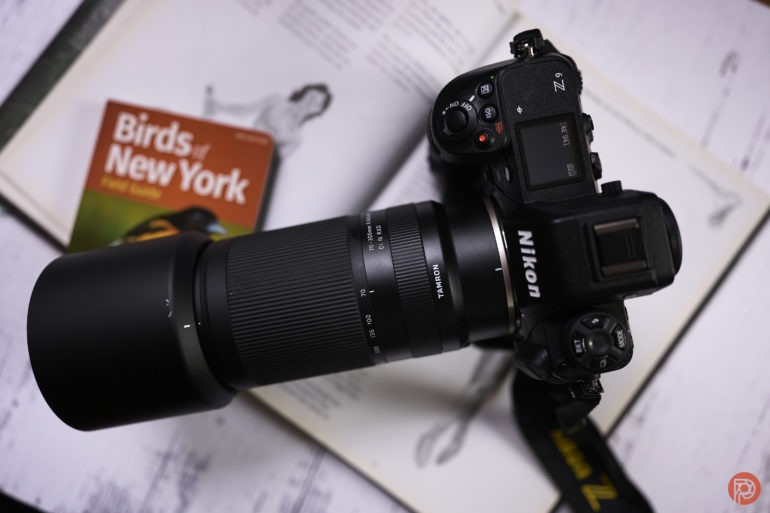
Truly, Nikon has done some work on itself and even started to work with third parties on lens support — like Tamron. Indeed, Nikon isn’t just trying to catch up anymore — they’re becoming their own brand. And this just makes so much sense. The brand started out by trying to make Leica clones. Canon started out by trying to clone Nikon. Sony started out by trying to blend Canon and Minolta together. Fujifilm X series was started by trying to mimic Leica.
It’s nice to see that Nikon is now really their own brand — and I hope that they continue to be the settling point between Canon and Sony’s sometimes insanity.
Get rid of the ads!
Did you enjoy reading this article as much as we enjoyed writing it? There's a way to support us and our reporting, getting ad-free navigation and more as a bonus. Subscribe to us for less than a coffee per month —just $3.99— or take advantage of our yearly subscription with a hefty discount for only $25.- An ad-free experience
- A free mystery box for Lightroom or Capture One
- All the books in our store
- 20% discount on Capture One
- 30% discount on Imalume Photo Theft Protection
- 20% off Herbs and Kettle Tea Company.
- 20% off your order from MPIX printing services.
- 5% off Viltrox Products via their eCommerce store.
- 10% off all film developing, printing and scanning services from Blue Moon Camera and Machine
- 15% off 7Artisans products: The lens and accessory maker is offering a sweet discount for Phoblographer's readers.
- 15% off a VSCO One subscription: Get a bunch of great tools with their all-in-one package.