


Some cameras are so exceptional and innovative that even decades after they are discontinued, photographers look for their pre-owned iterations. Other times, there is hope that the manufacturing companies will choose to introduce a new device in the lineup. For Fujifilm, it seems it is the latter. If you are wondering what this article is about, let us tell you about a report we saw: the camera maker may revive its iconic panoramic film camera, the TX series.
Images are from our original 2021 article.
Fujifilm Created Magic With The TX Series Film Cameras
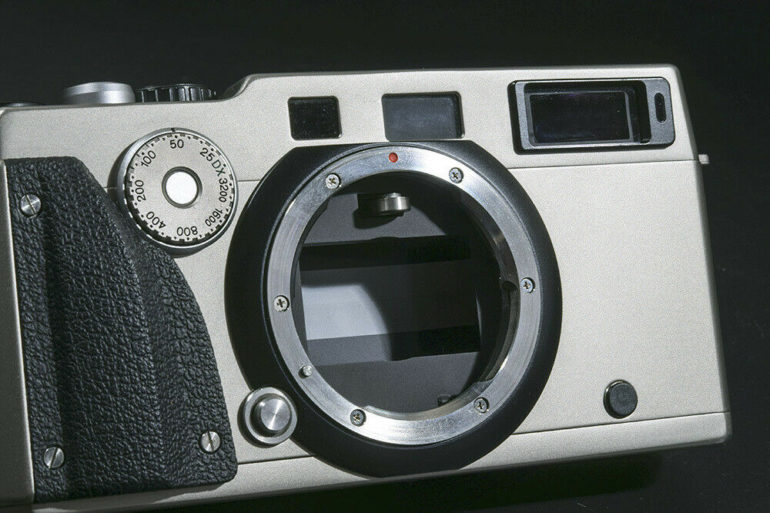
The first panoramic film camera, the TX-1, was a rangefinder-style 35mm film camera with a 65:24 aspect ratio. While an icon, the device is still pretty unknown to many, as people often learn about the Hasselblad XPan series. However, the two are quite similar in many ways, and the innovation was a joint venture between the two camera giants. In the past, Hasselblad has achieved similar collaborations with Motorolla, DJI, Sony, and more. However, in this case, the XPan became a more popular device between the two. Some of its features also include:
- Back LCD screen.
- Light meter.
- The meter is auto-set with DX Coded film.
- 1/125th flash sync.
- 8-second to 1/1000th shutter speed.
- Aperture priority and manual mode.
- Focal plane shutter.
The device offered three different lenses: a 45mm F4, a 90mm F4, and a 30mm F5.6. However, if you were using panoramic film, that meant you got 21(20) images onto 36 exposures per roll, 13 on 24 images per roll, and 6 on 12 exposures per roll. If you could get your hands on a great film roll, you were guaranteed to create something that no digital camera could ever produce. The camera also accepted normal film rolls, too.
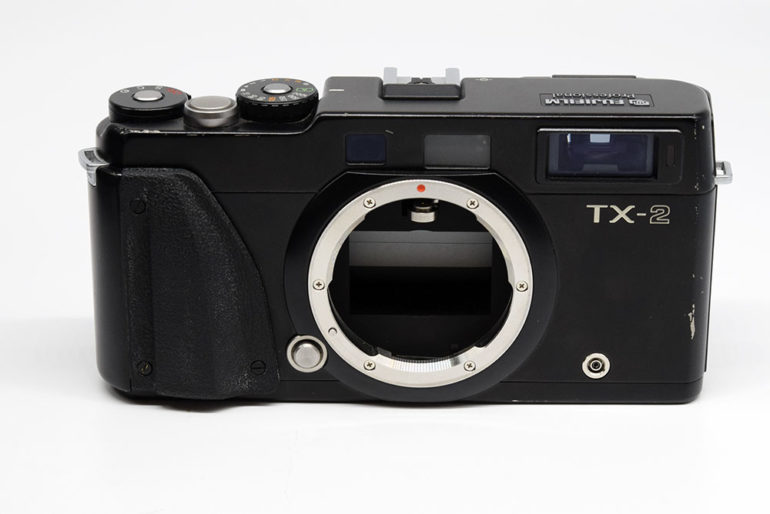
In 2003, almost five years after TX-1, they announced TX-2, or the Hasselblad XPan II, as some people would call it. However, this device included minor changes from its predecessor:
- The ISO dial moved to the back, where the LCD screen was.
- The exposure compensation was also relocated to the back.
- The shutter speed info became available in the viewfinder itself.
- A 2-second self-timer feature was introduced.
- Leader-out film rewind became possible.
- Flash sync options became possible at the start or end of the exposure.
- Multiple exposure control capability.
- 9 minute bulb mode.
- Improved seals with IR films for better fogging protection.
The TX-3—A Digital Possibility?
According to a report from Fujifilm Rumors, the company is considering making a digital version of the iconic film cameras. Two possible ways to achieve this are a cropped medium-format Bayer sensor or a doubled X-Trans sensor. So, the TX-3 (the report calls it, but the company has yet to confirm the rumor) could be a medium format since it may employ a cropped GFX sensor or two APS-C sensors. Remember, the side of the film was 65×24, and replicating this in digital cameras would require exceptional technology. However, at the same time, it will also need excessive research for production, which could also result in a whooping price tag. For instance, the GFX 100S was priced at $5,999. So, it’s not exactly affordable.
However, if the choice between the two sensors were to be made, much of it would depend on image quality vs. process time and production cost. We have previously spoken about the differences, so let me briefly recap them.
X-Trans offers the following:
- Better image and color quality.
- Reduces moiré, color fringing, and aliasing.
- Less color noise and a great film-like effect at higher ISOs.
- Better sharpness and reduced need for Optical Low Pass Filters (OLPFs).
Bayer, too, has its perks:
- The most commonly used sensor in cameras.
- Cost-effective and easy to produce.
- Compatible with most image processing software and cameras.
- Needs less power to process images.
A Bayer sensor will make more sense if the company wants to cater the TX-3 to videos, too. However, if the device is likely to be for photography, then the X-Trans sensor will produce wonderful results. Of course, both sensors have their cons as well, but the ultimate decision sits with Fujifilm. If the rumors come true, we will finally know the direction the camera manufacturing giant aims to take.
Get rid of the ads!
Did you enjoy reading this article as much as we enjoyed writing it? There's a way to support us and our reporting, getting ad-free navigation and more as a bonus. Subscribe to us for less than a coffee per month —just $3.99— or take advantage of our yearly subscription with a hefty discount for only $25.- An ad-free experience
- A free mystery box for Lightroom or Capture One
- All the books in our store
- 20% discount on Capture One
- 30% discount on Imalume Photo Theft Protection
- 20% off Herbs and Kettle Tea Company.
- 20% off your order from MPIX printing services.
- 5% off Viltrox Products via their eCommerce store.
- 10% off all film developing, printing and scanning services from Blue Moon Camera and Machine
- 15% off 7Artisans products: The lens and accessory maker is offering a sweet discount for Phoblographer's readers.