

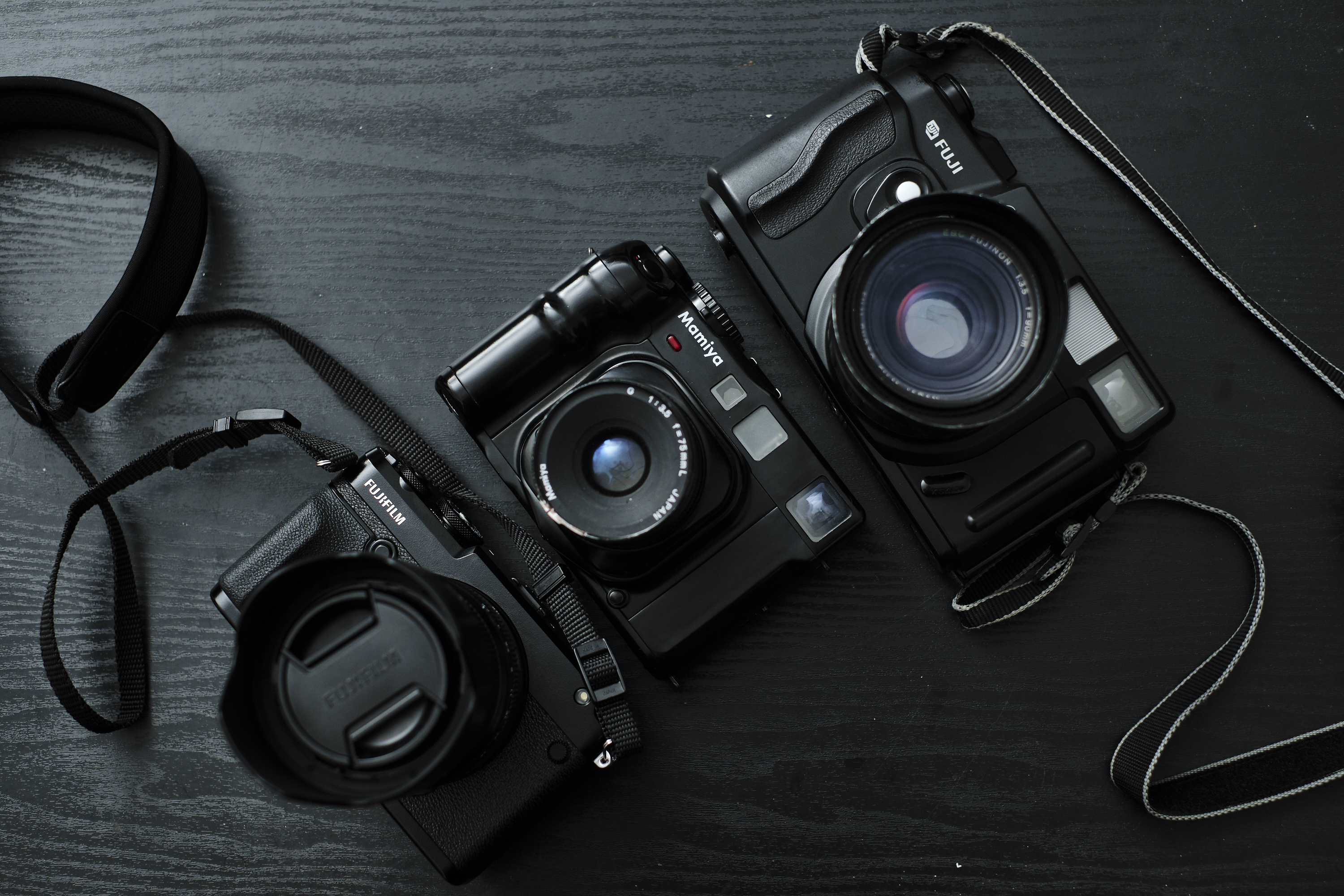
A while ago, we posted about a digital medium format Fujifilm X100VI camera. We were very excited when we first learned that a rangefinder-style camera was possible. That came and ended up becoming the GFX 50R — a camera that we’d gladly still use even today. But why then don’t we have an X100VI-style option with a fixed lens? Surely, folks would want that, right? Here are a few things that we’d want from a camera like that.
If a medium format X100VI-style camera came out, here’s what I’d want.
Design like the Fujifilm GW690 III: For Photographers First
If a camera like this comes out, I truly don’t think that talking about content creators is even appropriate. You can tell me that that’s where most of the market is. But the truth is that they’re all aspiring to be photographers more than anything else. So why not just target it to the people they aspire to be?
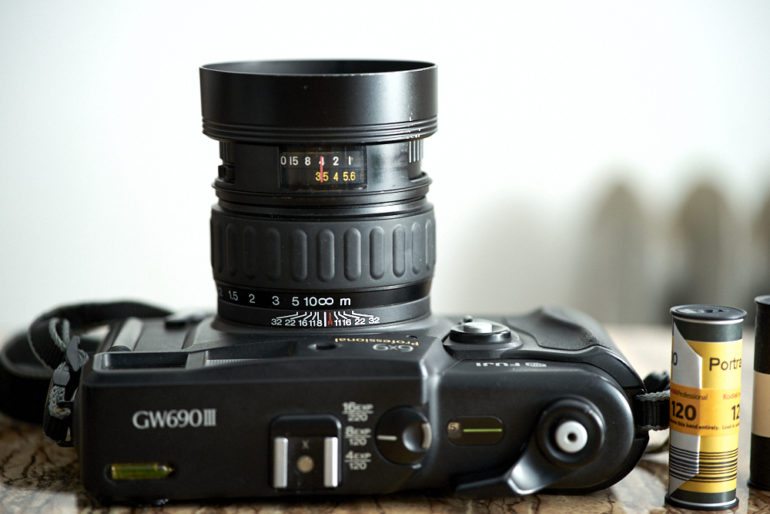
As a former owner of the Fujifilm GW690 III, I’d want a few things on the camera. First, I think that both the shutter and the aperture should be controlled around the lens. Fujifilm is bound to make this camera’s fixed lens larger, so why not use that real estate space? This would help to make a camera and lens like this very unique.
Further, a proper zone focusing area on the lens would be an incredible addition for the person who’d buy and use this camera. Sure, autofocus will work. But why not also stick to the classics of great zone focusing? Fujifilm’s digital implementation of this reeks of sadness since it all has to be done through the back of the screen.
Give us a true-to-experience analog experience. Considering that so many photographers also shoot film these days, we don’t want a simulation.
W
A Multi-Format Sensor: Just Like 120 Film
Panasonic uses a multi-format sensor in various cameras. Leica also did this with its D-LUX 8. So why can’t this tech be in medium format? I’d love the ability to shoot images at the 645, 6×6, 6×7, 6×9, and 6×12 formats. What would be even nicer is an X-Pan format. If Fujifilm does this with a 100MP sensor, they could also make these options easy for vertical shooting. That’s to say that the crop could happen in-camera. Combined with Fujifilm’s film simulations, a photographer wouldn’t need to do much processing at all.
That would be a beautiful thing.
Full Weather Resistance
With the Fujifilm X100VI, Fujifilm neglected to give the lens the fuller weather resistance it deserved. I could endlessly roll my eyes at this.
Film Simulation: Classic Tungsten


Fact: most people shoot images in auto-white balance. If you tried to teach them about switching the white balance to Tungsten mode, they wouldn’t understand the first thing about how it works. In the above gallery, you’ll see photos from Atlanta Film Co 500T and Cinestill 800T that we’ve shot over the years. We’d love this look in-camera with the digital Fujifilm GW690 III.
More importantly, Fujifilm has a whole history of making Tungsten film. So why can’t they just adapt it?
A Working Touch Screen and Menu Interface
We’ve forever asked Fujifilm to give us good touch screens. But they’ve always held back on it. With a camera like this, photographers would want to be able to both use the analog interface and the touchscreen.
Get rid of the ads!
Did you enjoy reading this article as much as we enjoyed writing it? There's a way to support us and our reporting, getting ad-free navigation and more as a bonus. Subscribe to us for less than a coffee per month —just $3.99— or take advantage of our yearly subscription with a hefty discount for only $25.- An ad-free experience
- A free mystery box for Lightroom or Capture One
- All the books in our store
- 20% discount on Capture One
- 30% discount on Imalume Photo Theft Protection
- 20% off Herbs and Kettle Tea Company.
- 20% off your order from MPIX printing services.
- 5% off Viltrox Products via their eCommerce store.
- 10% off all film developing, printing and scanning services from Blue Moon Camera and Machine
- 15% off 7Artisans products: The lens and accessory maker is offering a sweet discount for Phoblographer's readers.
- 15% off a VSCO One subscription: Get a bunch of great tools with their all-in-one package.