


Dear gentlest readers, you may be familiar with the proverb, ‘The best camera you have is the one on you.’ While it may or may not resonate with you, it is a code I undoubtedly live by. In my relative seven-year career, I spent five years shooting with the most handy and trusted device: my smartphone. Before you dismiss the sincerity and seriousness of my work, let me illustrate why smartphone photography is a game-changer. So, hold on tight; this article will be a personal note on smartphone photography.
My Journey Before Smartphone Photography
Before taking up smartphone photography, I religiously used a camera. The initial two years were spent mastering the device, but an incident catapulted me in a different direction. During Chhat Puja of 2017, an auspicious ceremony was organized near a water body, and I waded into the ocean to capture the rituals. It didn’t seem daunting, so I risked my gear and trudged deeper. Little to my knowledge, the high tide was licking the hem of my dress, and in mere seconds, I lost my balance. The turbulent waves swallowed me entirely. While I escaped the roaring sea, my Canon 750D and iPhone didn’t share the same fate. With no means of buying a new camera (I had just graduated then), I bought the Xiaomi Mi A3, a super economical phone, and I have looked away since. Today, I am here to reveal the valuable tips and insights I gained with smartphone photography.
Understanding The Limitations of Your Smartphone
While smartphones today are innovative and can capture detailed, high-quality photographs, they come with limitations. For instance, you can’t zoom too much, as your pictures can appear grainy. Similarly, portrait mode employs software blur, which isn’t too appealing. As a result, it is always better to memorize the device’s limitations, allowing you to maneuver around and bend the limitations to your will if required.

Learn Compositions and Ratios
Regardless of the device, photography employs universal principles across genres. The Golden Ratio, the Rules of Third, and the Dutch angle are some regulations that can be achieved with a smartphone and a camera. Learning this from the masters will only liberate you from the mediocrity that often hovers online. However, understanding the ratios, which are slightly distinct in smartphones, can aid your storytelling. As you can see, my photographs have slightly different ratios, each catering to the specific subject that caught my attention. So mix and match on your journey of smartphone photography.
Employ Manual Mode
I urge you to stick to it. Smartphone photography removes the crucial phases of learning shutter speeds and ISOs, which can be valuable when experimenting with the medium. Some of my pictures have been captured using a long shutter speed and employing some movements. But if you only rely on the automatic features too much, you may lose out on some fascinating visual jewels.
Practice as Much as You Can
It goes without saying: your first 10,000 photographs are your worst. Your first 10,000 smartphone photographs also share an identical fate. The medium goes beyond the glamour of fancy gadgets to reveal transient moments and memories, the joy of magic in our daily lives. If you tenderly persuade the latter, nobody can stop you on your route to smartphone photography success.




Don’t Shy Away From Experimentation
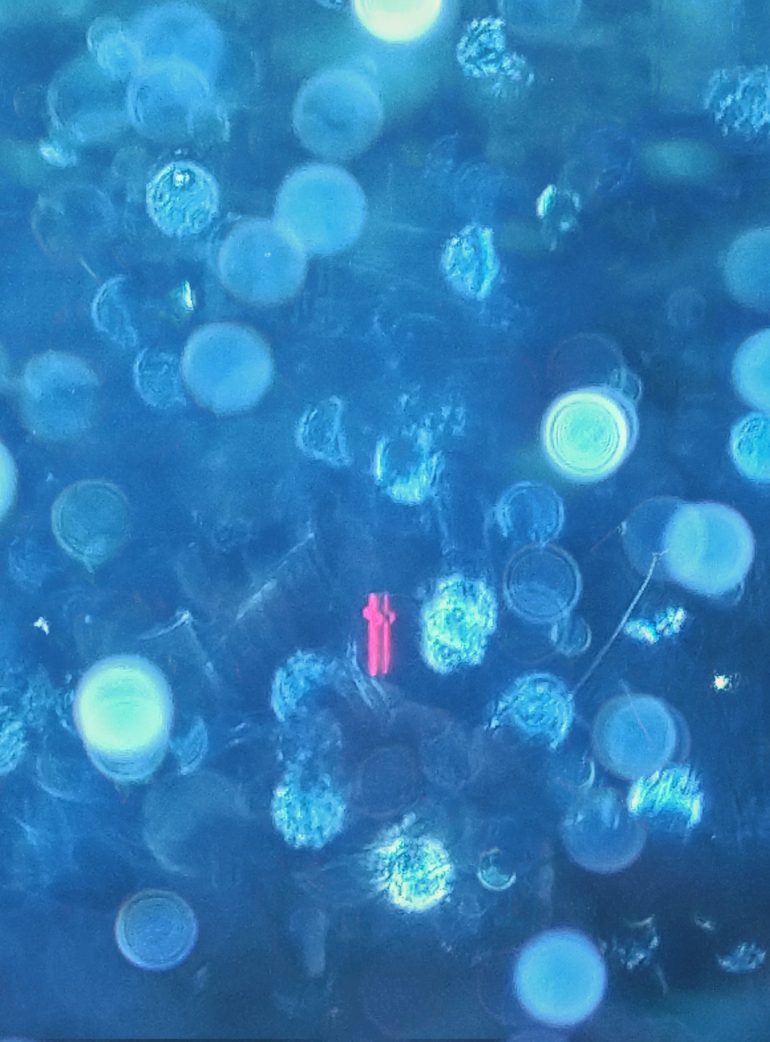
It may be a big ask, but this point has been the soul of my smartphone photography journey. Although I still capture family portraits and street photographs, I realized I was tired of viewing the world from one perspective. During the pandemic, when the world was confined to their homes, I focused on deepening my understanding of the medium. The images (as seen in the article) are my way of witnessing beyond reality and blending it with my fictional world. I used in-camera settings and external elements like glass or jewelry to capture my kaleidoscopic emotions. Sometimes, I used different camera apps, such as Old Roll or Instagram’s in-app filters, to create my technicolor vision.

Editing is a Skill You Must Master
My smartphone photography is a two-way process. After taking a picture, I may spend considerable time post-processing it. It only applies to scenes where I use glitter-like dust or draw on the pictures. I know many photographers who prefer minimal post-production, but my approach differs. My images are whimsical and need to evoke a sense of astonishment as you immerse in my dreamscape. My reliable apps are Snapseed and PicsArt to achieve this, where I touch, poke, and play with contrasts, filters, highlights, or colors.
I trust that the wisdom I imparted to you on smartphone photography helps you in your journey. After all, every experience, advice, and suggestion can remarkably change how you perceive the world.
Get rid of the ads!
Did you enjoy reading this article as much as we enjoyed writing it? There's a way to support us and our reporting, getting ad-free navigation and more as a bonus. Subscribe to us for less than a coffee per month —just $3.99— or take advantage of our yearly subscription with a hefty discount for only $25.- An ad-free experience
- A free mystery box for Lightroom or Capture One
- All the books in our store
- 20% discount on Capture One
- 30% discount on Imalume Photo Theft Protection
- 20% off Herbs and Kettle Tea Company.
- 20% off your order from MPIX printing services.